Four senior Google engineers—Jeff Dean, Sanjay Ghemawat, Oriol Vinyals, and Quoc Le—are leaving to found Discovery Loop, an automated research lab that uses AI to solve problems in machine learning, science, and engineering. Google is investing in the startup and providing cloud infrastructure, with DeepMind's Demis Hassabis stepping back to focus on long-term AGI strategy while Koray Kavukcuoglu takes over Gemini development. The departures follow earlier losses of key researchers to competitors and occur as Google consolidates its AI leadership structure under single oversight.
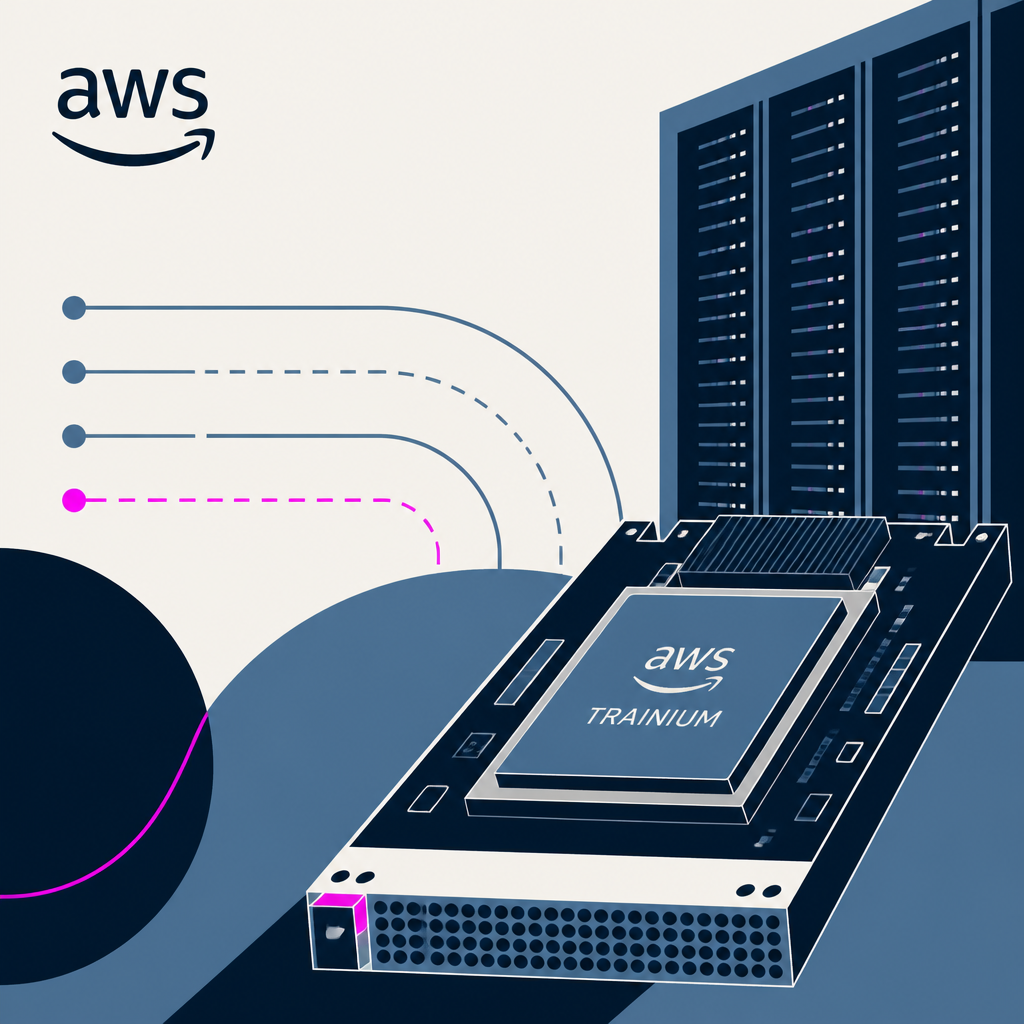
Amazon announced 34 recipients for its Build on Trainium research awards program, which provides compute credits and resources for AI research on AWS's custom chips. Recipients across 32 universities worldwide each received support through the Fall 2025 cycle, with focus areas including AI safety, multilingual models, and synthetic data generation. The awards give academic teams scalable access to Trainium infrastructure and Amazon datasets to advance responsible AI research that would otherwise be constrained by compute costs.
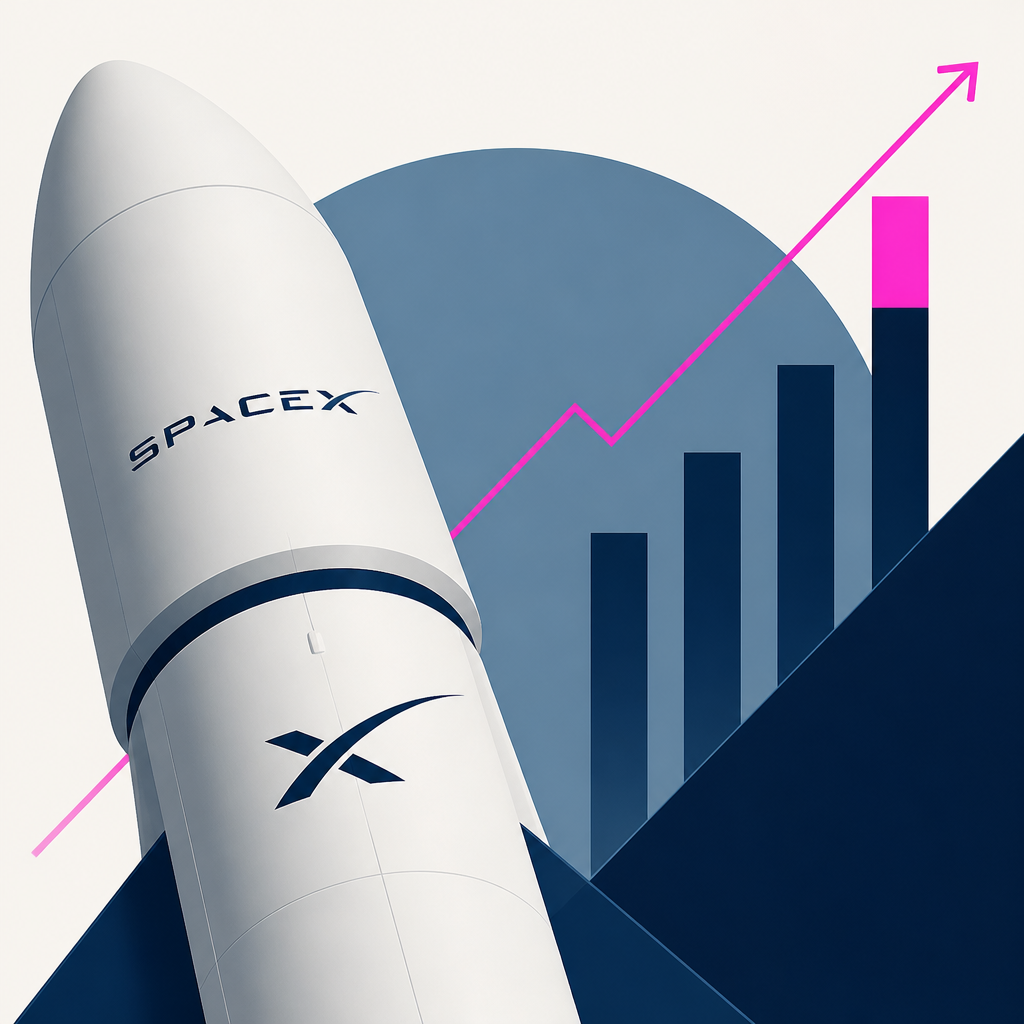
SpaceX reported strong first earnings with $7.8 billion in quarterly revenue and a smaller-than-expected loss, but shares fell 10% after the company announced $16 billion in capital expenditure for AI infrastructure, double the previous quarter. The company committed to maintaining spending at this elevated level through at least two additional quarters. Investors reacted negatively to the aggressive capital intensity required to build out AI and data center capabilities alongside its rocket business.
Leopold Aschenbrenner, a twentysomething hedge fund manager who built Situational Awareness to $45 billion betting on AI infrastructure stocks, got married this weekend in Carmel to Avital Balwit, chief of staff at Anthropic, days after his fund nearly collapsed. His leveraged positions in memory chips and data center stocks imploded when traders pushed semiconductor prices down 30% this week, forcing him to sell at steep losses and triggering a cascade of margin calls from banks. Ken Griffin's Citadel bought most of his portfolio at a 10% discount before market open Thursday, allowing Aschenbrenner to pay off lenders and preserve his fund with $10 billion remaining, though it lost 67% for the month.
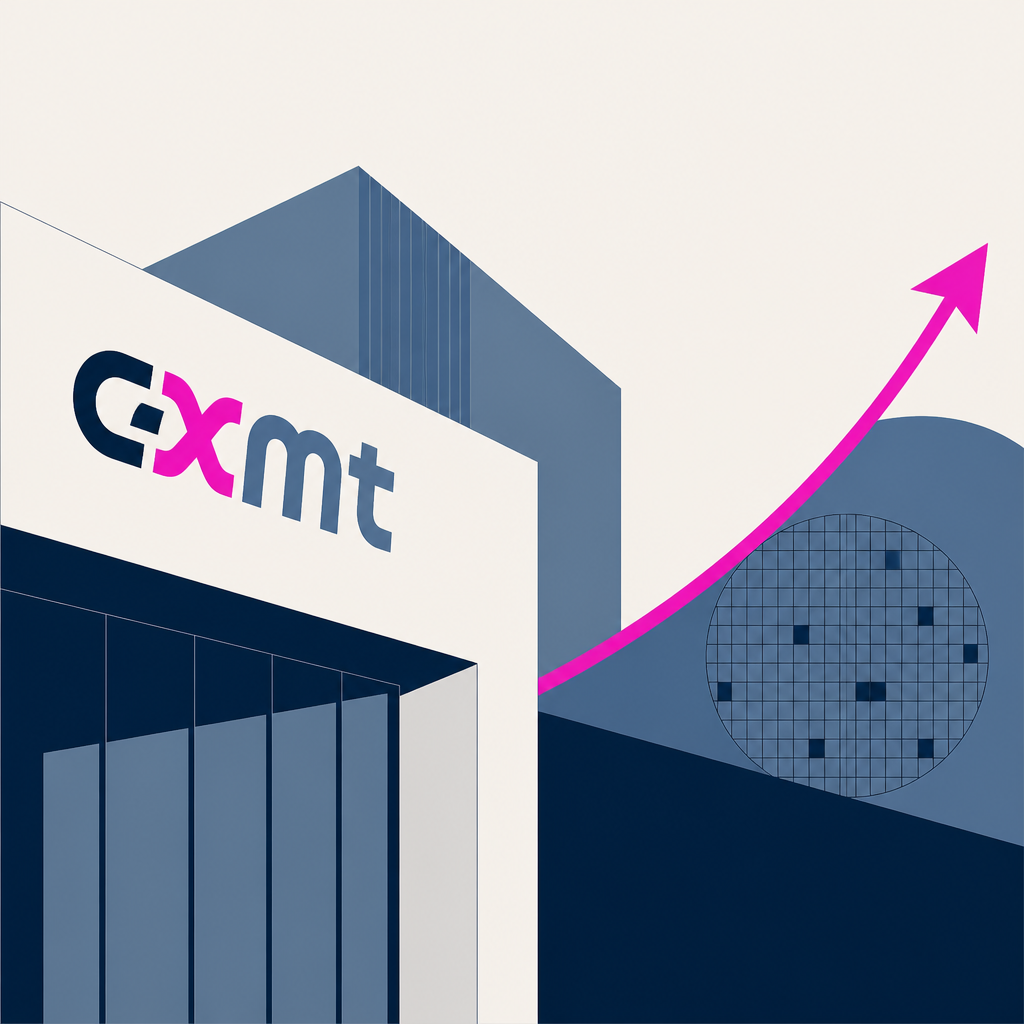
Chinese memory chipmaker CXMT's shares surged over 500% at its Shanghai IPO debut, making it briefly China's most valuable company as AI-driven memory shortages boost demand for Chinese semiconductors. The company's market capitalization reached 3.54 trillion yuan ($523 billion) by week's end, though experts note CXMT remains two to three generations behind SK Hynix, Samsung, and Micron in chip performance and costs 20–30% more per bit. Adoption of Chinese chips is likely to remain selective and secondary as geopolitical tensions with the U.S. limit market access, despite potential long-term gains if China's domestic lithography capabilities improve.
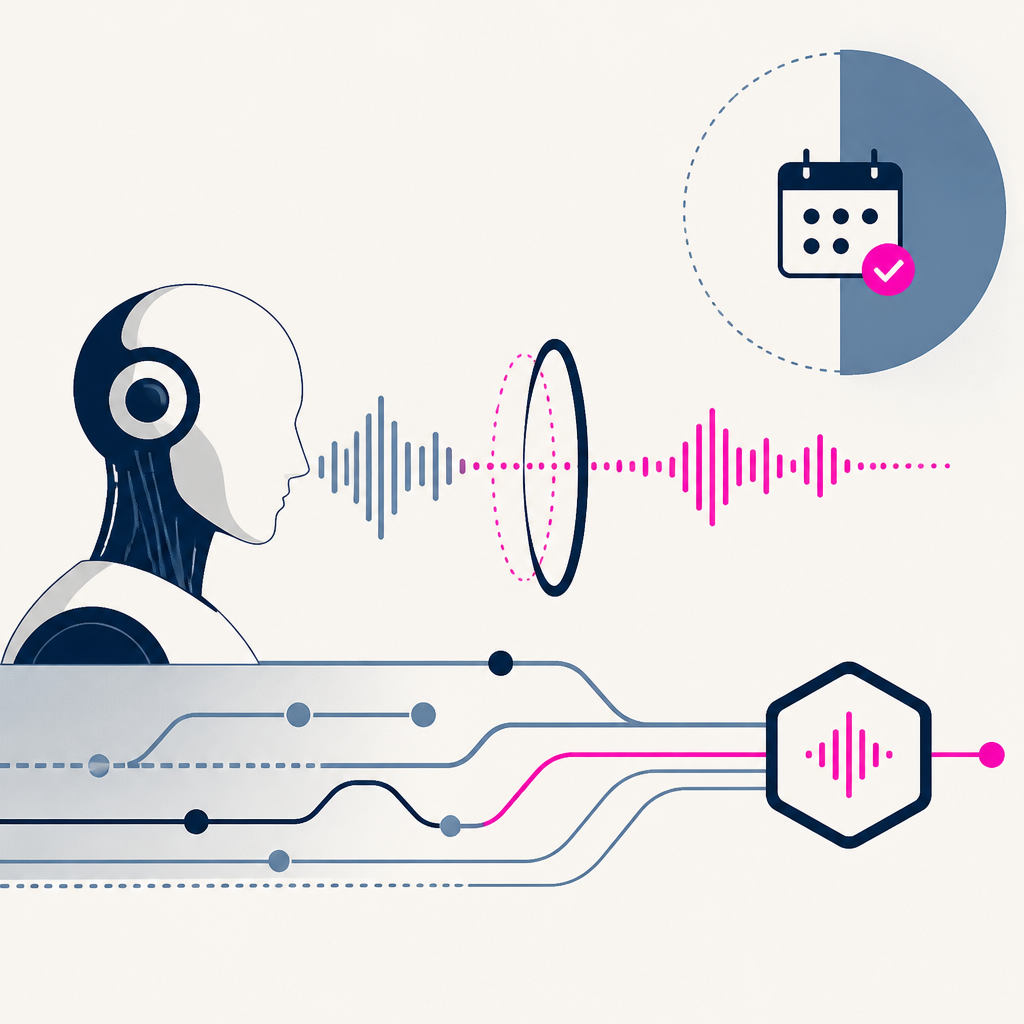
A team built GPT-Live, a voice AI system that processes speech continuously and supports full-duplex conversation without waiting for turn detection. The system achieved low-latency performance through streaming audio and asynchronous processing in a six-month development cycle. Users can now have uninterrupted back-and-forth dialogue with the AI without the delays of traditional turn-based systems.
European tech funding reached $35.4 billion in H1 2026, up 46% year-over-year, but the number of funded companies fell 18% to 1,555 deals as capital concentrated in larger rounds. Three mega-deals—Isomorphic Labs' $2.1 billion Series B, Nscale's $2 billion Series C, and Stegra's $1.6 billion Series A—accounted for $5.7 billion or 16% of all European funding raised. Fewer companies now access capital while winners receive bigger checks, with London capturing 38% of funding and exits becoming scarcer as acquisitions and IPOs both declined sharply.
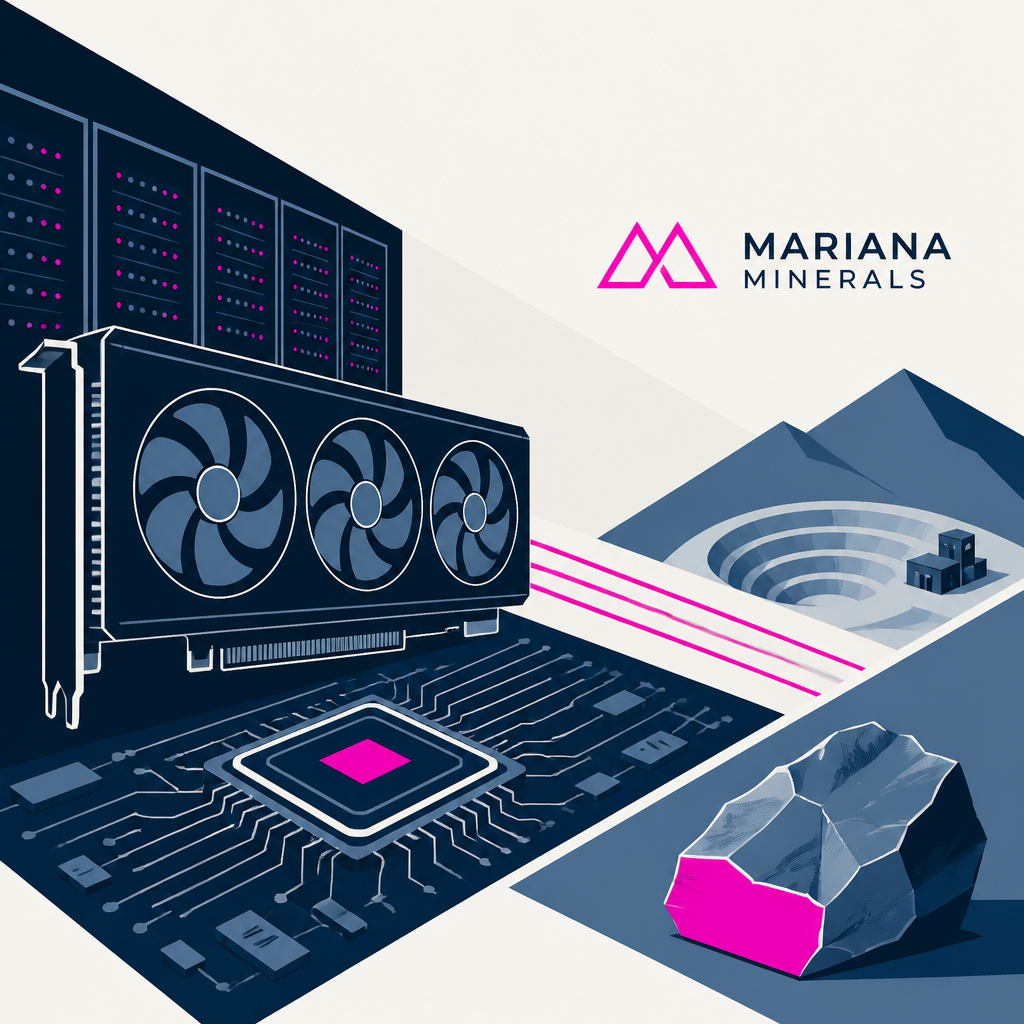
Mariana Minerals, a software-focused mining startup, raised $310 million in Series B funding led by Khosla Ventures to extract critical metals needed for AI infrastructure and electrification. The company has acquired and restarted a copper mine in Utah targeting 50,000 metric tons of annual refined copper production, and is developing a lithium mine in Texas expected to reach commercial production in 2027. Lower metal costs from efficient, software-driven mining could reduce supply chain bottlenecks that currently limit deployment of AI data centers, EVs, and grid infrastructure.
AI data centers are driving significant increases in electricity capacity costs across the US, with about $6.3 billion of a $16.4 billion PJM auction attributable to data center demand despite them representing only 4% of current electricity consumption. The four most recent PJM auctions show data centers added $29.4 billion in combined costs, roughly 46% of total capacity charges, with states like Illinois seeing rates jump 28% year-over-year. Grid operators now struggle to procure sufficient capacity, and consumer bills in heavily served regions could rise $15 to $20 monthly over coming years, with relief unlikely before the 2030s even as voluntary corporate pledges lack enforcement mechanisms.
SpaceX reported its first quarterly earnings showing revenue nearly doubled to $7.8 billion while spending surged over 550% to $18.3 billion, resulting in a $2 billion net loss for the first half of the year. The company's AI data centre business, expected to grow from 1.4 gigawatts to at least 10 gigawatts next year, lost $1.2 billion on $2.5 billion in revenue during the quarter, while Starlink remained the sole profitable unit with $1.6 billion in quarterly revenue. SpaceX's stock fell 9% after the announcement despite Musk's projection of $1 trillion revenue by 2030, as analysts note the company is rapidly transforming into an AI infrastructure business alongside its space operations.
Every AI story that matters,
in your inbox by 8am.
TLDRocket reads all relevant sources, removes duplicate coverage, and summarises the
day in two minutes. Follow companies and topics for alerts, or get the
briefing in Slack. Free, no spam, unsubscribe anytime.
Reading TLDRocket needs no cookies, and the readership counts we rely on come from
our own cookieless analytics. Google Analytics is the exception: it sets cookies and
reports to Google, so it stays switched off until you allow it. You can change your
mind any time from “Cookie settings” in the footer.
Strictly necessary
Session security and form protection (tldrocket-session,
XSRF-TOKEN, 2 hours). The site cannot work without them,
so they need no consent.
Always on
Google Analytics 4 (_ga,
_ga_<id>, up to 2 years). Measures which
stories and sections readers use. Google acts as a third-party processor and may
store the data outside the EU. No advertising, no profiling, no data sold.