Nvidia partnered with major Wall Street banks to raise capital for AI infrastructure development. The financing totals $500bn (£370bn). This creates an additional funding route for building Nvidia-backed AI data centres and related chip manufacturing capacity, while treating “compute” as a distinct asset class.
Jefferies downgraded Apple from hold to underperform after supply-chain checks indicated Apple canceled a rumored all-glass iPhone for next year’s iPhone 20th anniversary.
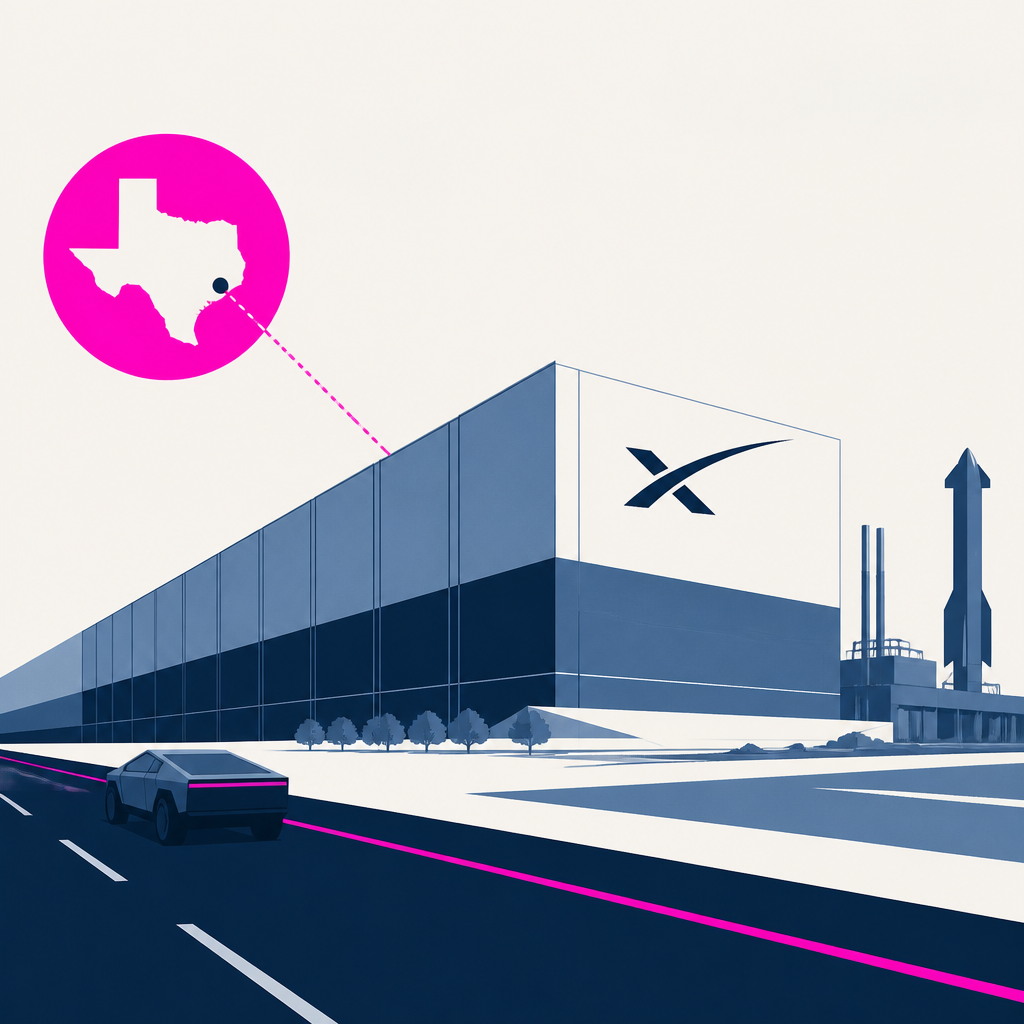
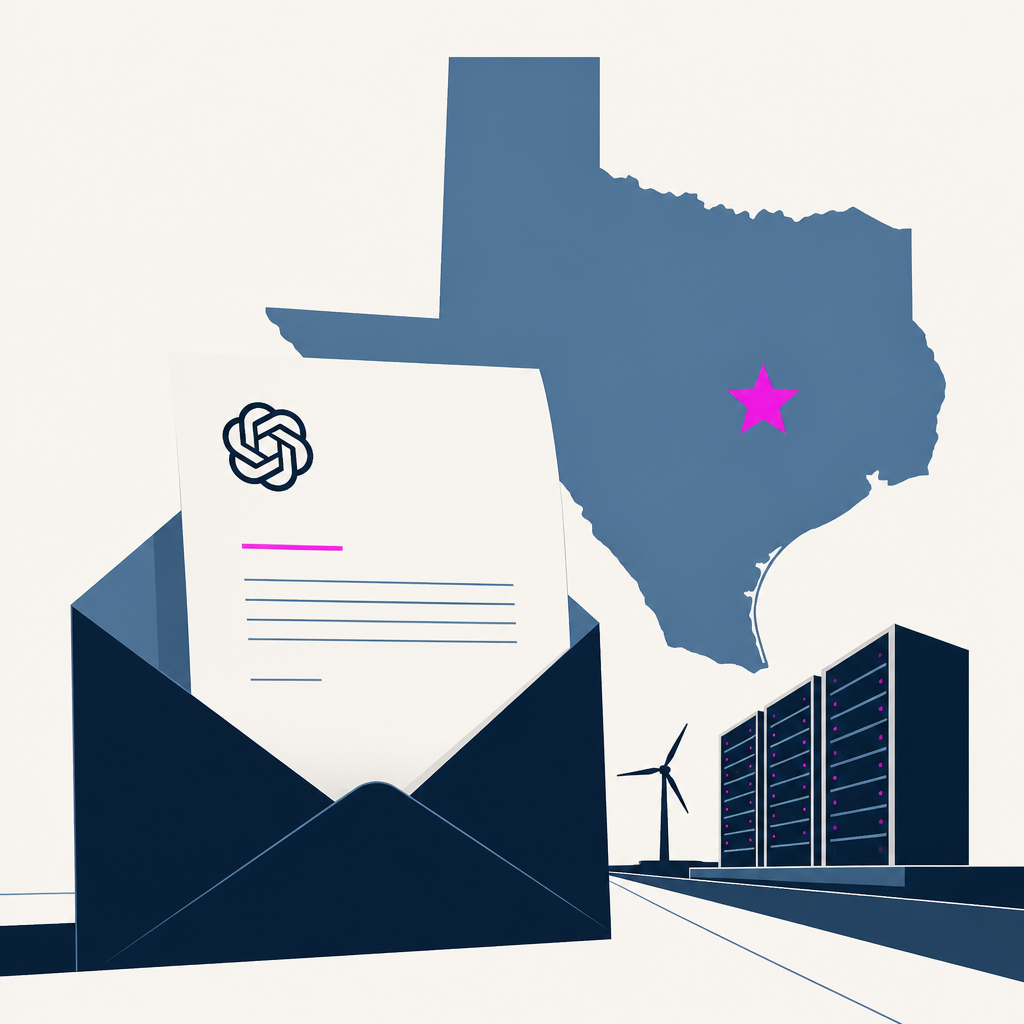
SpaceX and Tesla plan to build Terafab, a 100-million-square-foot semiconductor manufacturing facility in Grimes County, Texas. The first phase includes more than $16.8 billion in capital investment and is expected to create 3,000 jobs. The project would consolidate logic, memory, and advanced packaging in one factory and aims to scale AI chip production, while seeking Texas tax incentives to offset construction costs.
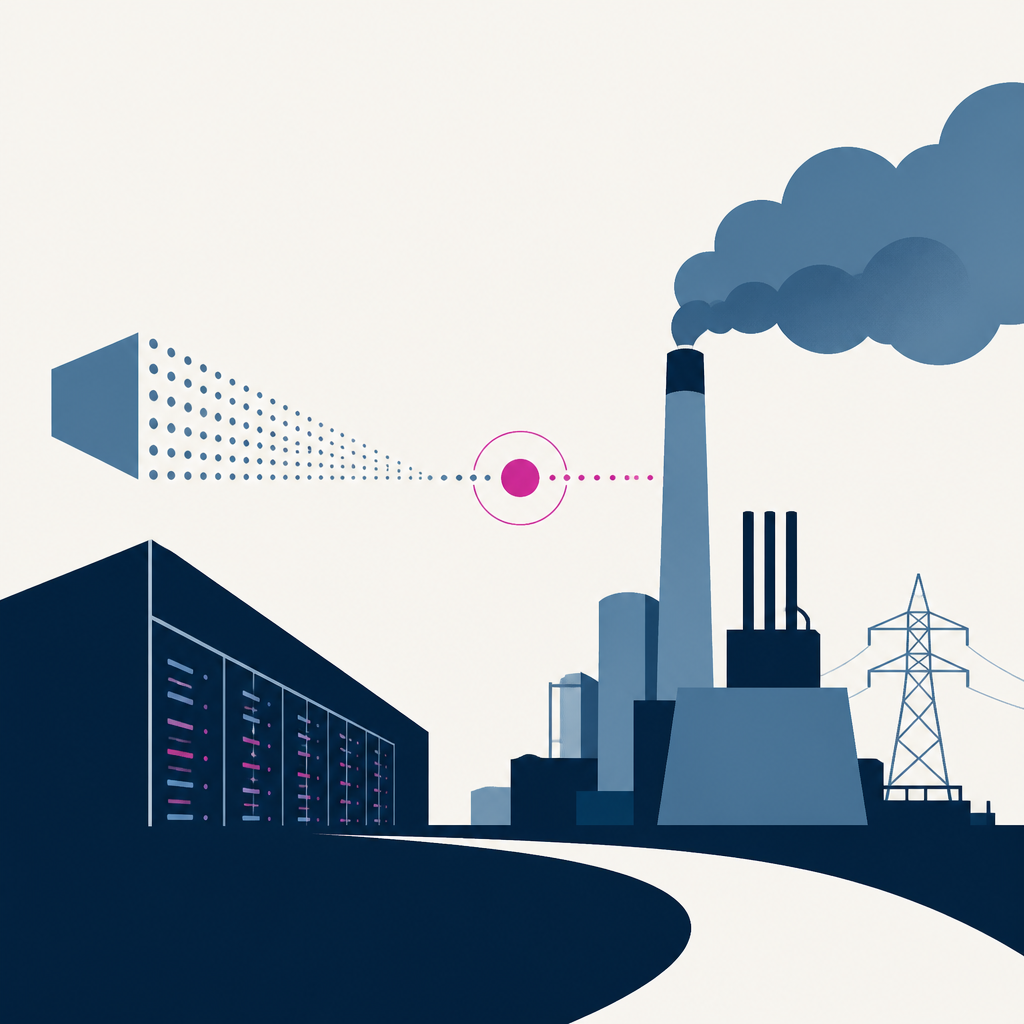
Amazon is backing a Texas natural-gas power plant to support its AI ambitions, even though it could become the largest single source of US climate pollution.
The project is tied to a New York Times report that the plant could become the largest single source of climate pollution in the United States.
It increases pressure for stricter environmental reviews as fast-tracking may skip permitting, and it adds to backlash over off-the-grid AI data centers after xAI’s move to gas turbines.
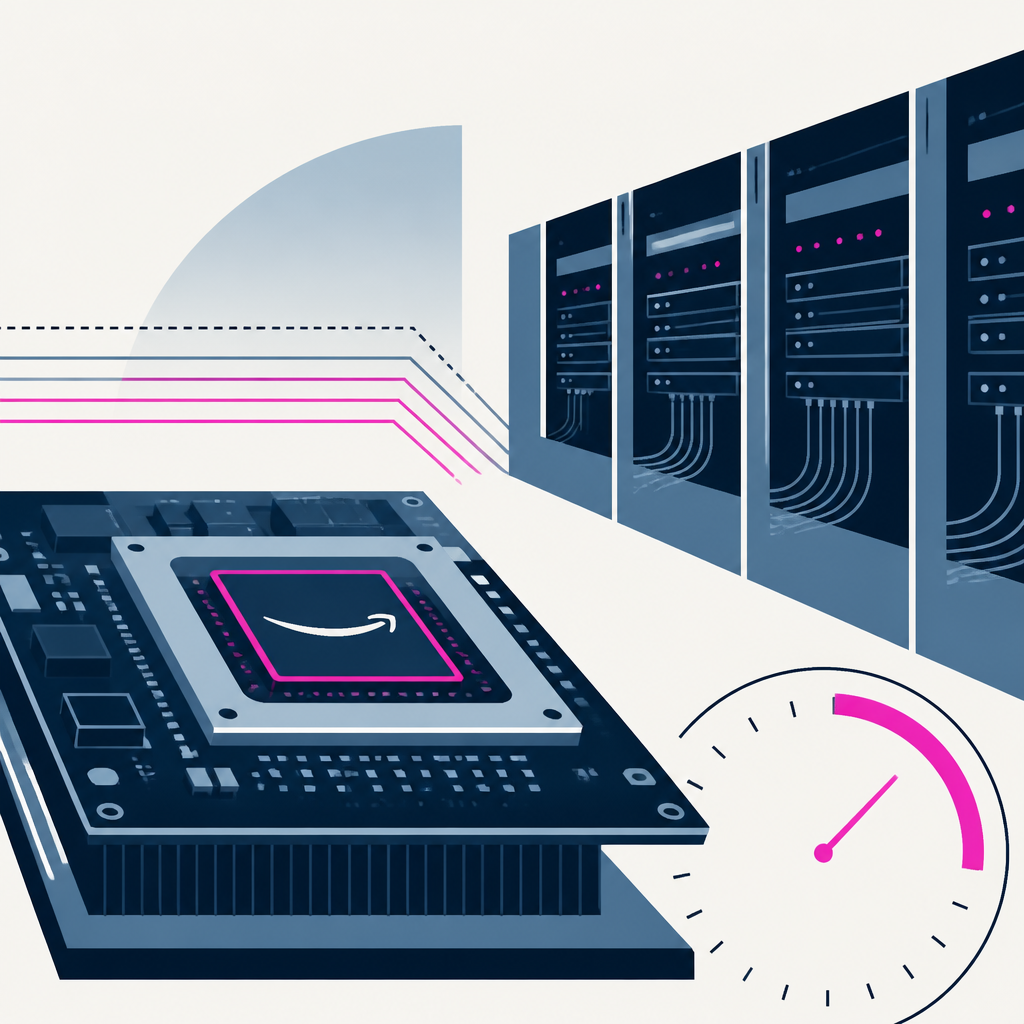
AWS is running the AWS Trainium Frontier competition to let teams co-design language-model training setups and optional custom kernels for AWS Trainium, to see what architectures perform best under different hardware constraints. Phase 1 uses a single Trainium2 chip with a 30-minute training budget scored by validation bits-per-byte (val_bpb). The competition is progressing from a single-chip, single-metric test to a four-hour, top-10-team Phase 2 that also adds a 50/50 composite including CORE inference performance.
AI-infrastructure builders are projecting much higher capital spending in 2026 while depreciation is delayed because costs are capitalized as construction in progress until assets are ready. $863 billion in AI-infrastructure capex is expected for 2026, with about $550 billion estimated as AI-related. Earnings impact will be pushed out as more assets remain not yet in service ($315 billion, up from $281 billion), and projects take longer to reach depreciation.
Stoa Markets launched as a marketplace for trading new and used GPUs and AI servers to standardize quotes between buyers, dealers, and lenders. Its first month generated more than $300M in requests for quotes (RFQs). The company aims to reduce friction in buying and selling while creating resale evidence from completed trades rather than relying on one-off appraisals.
Amazon SageMaker AI Spaces add-on enables interactive IDEs like JupyterLab and Code Editor to run inside an existing Amazon EKS cluster instead of moving off-cluster. It sets up a fully configured Space in about 5 minutes rather than the 3–5 days usually needed to stand up a standalone GPU notebook environment. Consolidating interactive and training workloads on the same cluster can raise GPU utilization by up to 30 percent and reduces the need for always-on GPU infrastructure.
nOps reworked its FinOps analytics agent, Clara, by moving its analytics and agent runtime to Amazon Bedrock AgentCore. Development time fell from 10–12 months to 4 months after replacing a self-managed EKS setup, and the system shifted from API-shaped analytics to Databricks Lakehouse Metric Views plus durable state in Databricks Lakebase with async updates via AWS messaging and WebSockets. As a result, Clara shipped faster, improved response correctness/helpfulness, reduced tool failures, and cut manual analysis time from 2 hours to 30 minutes.
Amazon EKS observed multi-gigabyte machine learning container images taking several minutes to pull on GPU instances, delaying pod readiness while accelerators sat idle. The team reduced pulls of roughly 30 GB images from several minutes to seconds. EKS Auto Mode now ships the faster image-pull pipeline by default, with upstream changes contributed to containerd and the SOCI snapshotter to parallelize downloads and unpack layers.
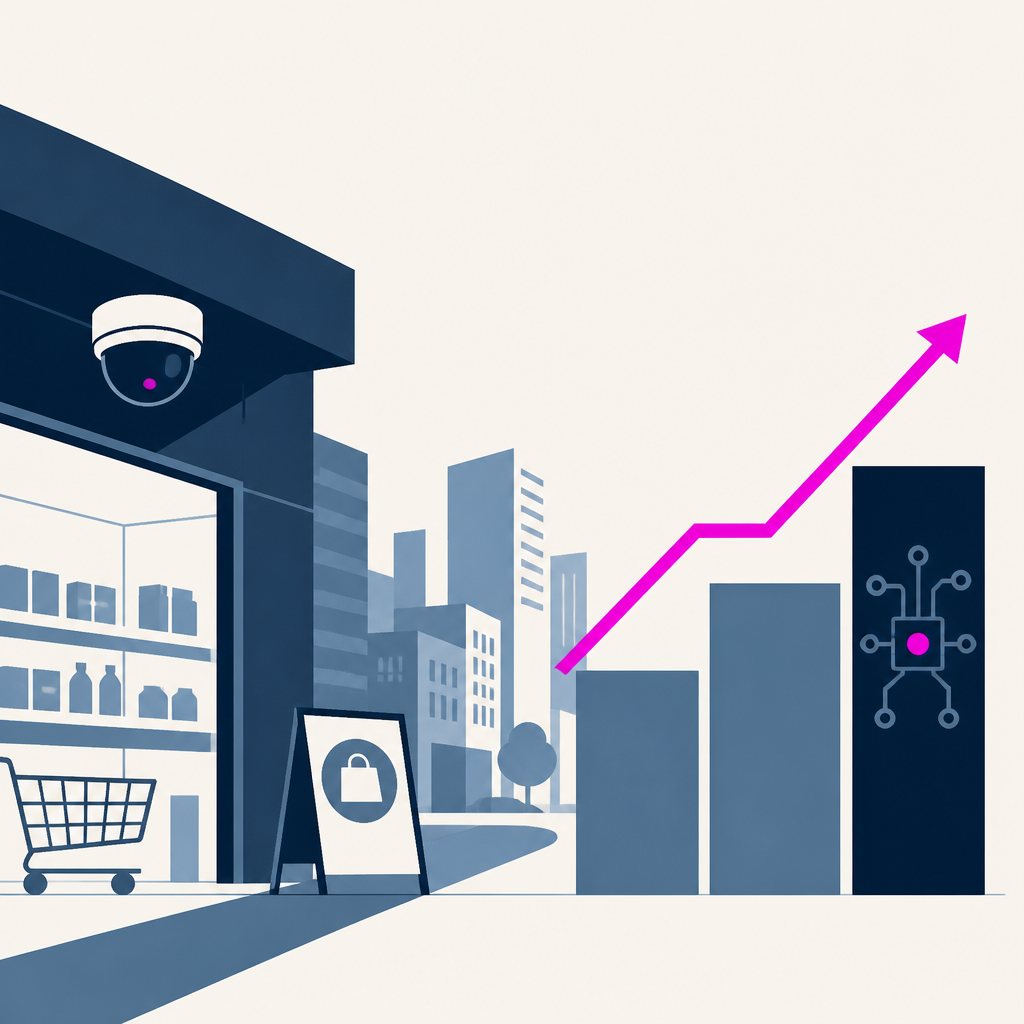
Edgify secured a $9 million Series A+ funding round to expand its retail-focused loss-prevention AI platform beyond grocery. The round brings Edgify’s total funding to $25 million. The company plans to accelerate platform rollout and expand it to manage the full lifecycle of AI models across physical retail sites.
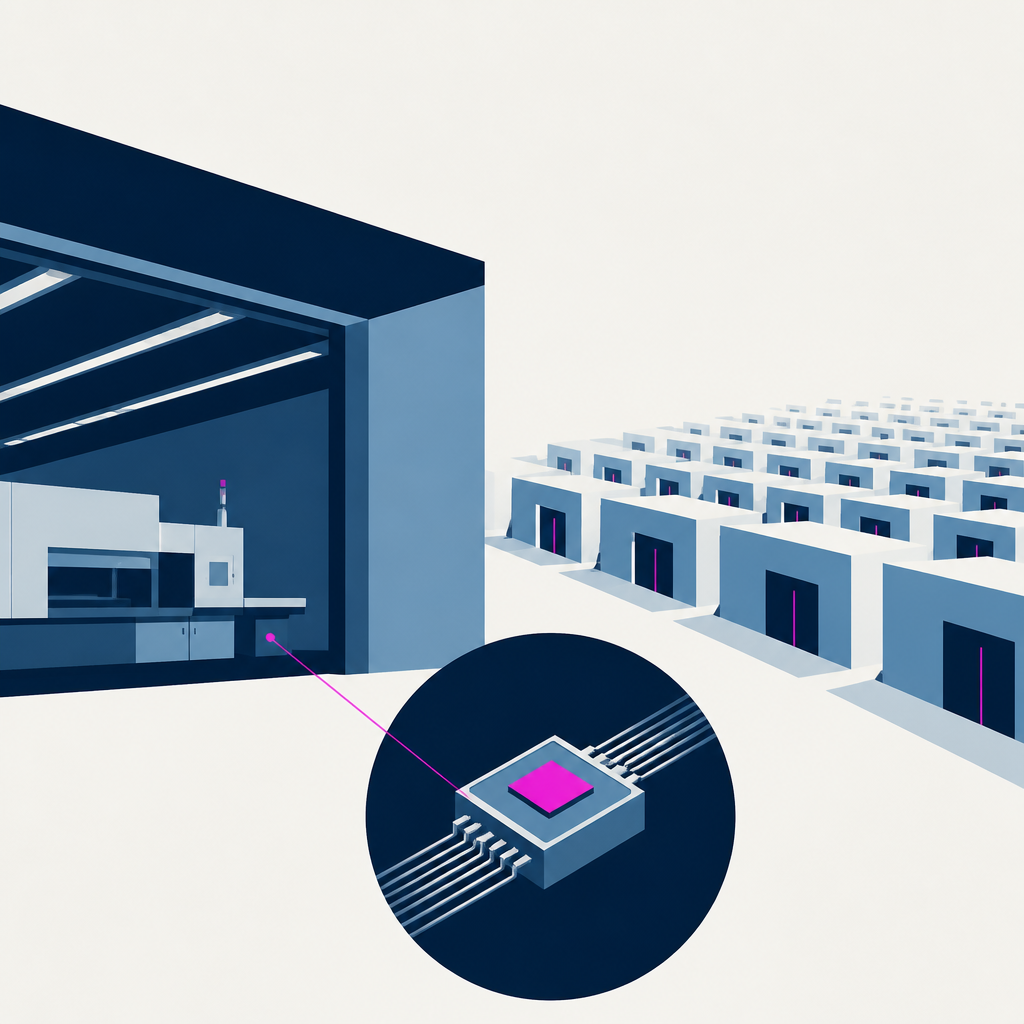
Isembard, a startup building small high-tech component factories, opened its first factory in January 2025 and is now pushing to scale rapidly after a Series A. The company raised a $50m Series A in March 2025 and aims to reach 25 factories by year-end. This will expand its network of company-owned and franchised production sites while expanding its AI software, MasonOS, to support faster order-to-manufacturing operations.
Discovered Materials is using AI agents and physics-based simulations to search for semiconductor materials that reduce heat in AI chips. It closed a $9 million seed round. The company released examples of hundreds of new materials and a “Material Discovery Bench” while focusing on faster candidate filtering and wet-lab synthesis as the bottleneck.
European stocks are extending a rally as the Stoxx Europe 600 posted a daily gain streak of its longest run since June, alongside improving earnings and risk appetite.
European tech funding stayed resilient in July as deal activity fell, with 267 rounds raising €8.6 billion while June had 293 deals. AI led the sector with €1.8 billion in funding, replacing robotics (€1.3 billion in June). The funding shifted toward fewer, larger transactions and more active exit activity, with defence, robotics, quantum, cloud infrastructure, fintech, and healthcare also attracting major capital.
Edgify raised $9 million in Series A+ funding to expand its edge AI platform used in physical retail and other industries. The round was backed by Rank Ventures and Mangrove Capital Partners and brings Edgify’s total funding to $25 million. The company will roll out its hardware-agnostic model orchestration across more retail formats and target additional sectors by connecting edge devices into real-time networks without sending raw data to the cloud.
Edgify raised $9 million from Rank Ventures and Mangrove Capital to link supermarket cameras, scales, and checkouts using on-site edge AI without new hardware or cloud uploads. The round takes its total funding to $25 million and builds a system that trains models locally across existing retail devices. The company says it will use the capital to expand its platform rollout and move beyond loss-prevention into quick-service restaurants, distribution centers, and apparel.
Every AI story that matters,
in your inbox by 8am.
TLDRocket reads all relevant sources, removes duplicate coverage, and summarises the
day in two minutes. Follow companies and topics for alerts, or get the
briefing in Slack. Free, no spam, unsubscribe anytime.
Reading TLDRocket needs no cookies, and the readership counts we rely on come from
our own cookieless analytics. Google Analytics is the exception: it sets cookies and
reports to Google, so it stays switched off until you allow it. You can change your
mind any time from “Cookie settings” in the footer.
Strictly necessary
Session security and form protection (tldrocket-session,
XSRF-TOKEN, 2 hours). The site cannot work without them,
so they need no consent.
Always on
Google Analytics 4 (_ga,
_ga_<id>, up to 2 years). Measures which
stories and sections readers use. Google acts as a third-party processor and may
store the data outside the EU. No advertising, no profiling, no data sold.