
Apple may scrap its all-glass iPhone. Wall Street hasn't been this alarmed since Steve Jobs' death
Fortune Sebastian Herrera
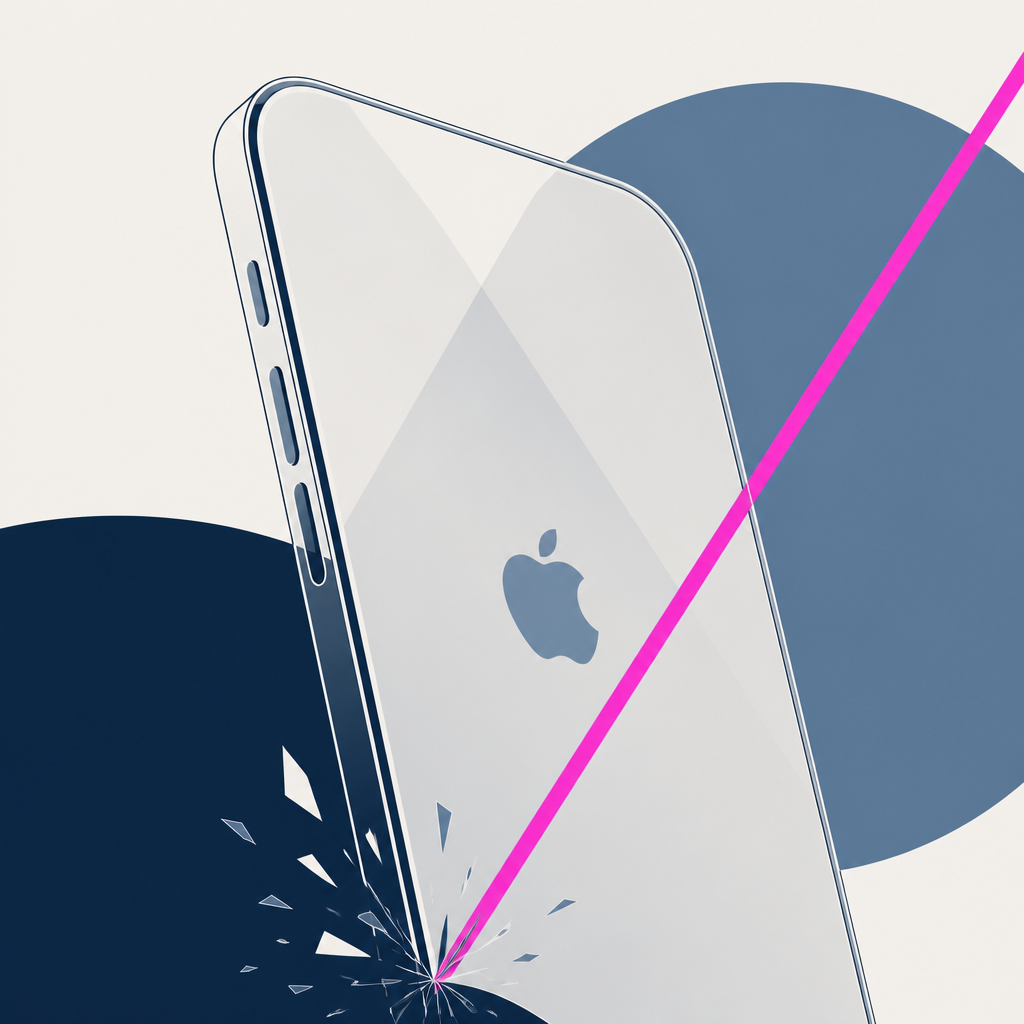
Apple may have canceled its all-glass iPhone, and Jefferies just cut the stock to sell-equivalent. Wall Street’s also spooked by AI delays and rising memory costs.
Based on reporting by Fortune, Sebastian Herrera — read the original for the full story.
Summary, retelling and take written by AI under human oversight; images are AI-generated illustrations. How we work · Report an error
Apple is getting hit from several sides at once: slower growth, pricier memory chips, and a cooler mood on Wall Street. On Monday, Jefferies cut the stock from hold to underperform and trimmed its price target from $285.56 to $263.66 after supply-chain checks suggested Apple had scrapped a rumored all-glass iPhone planned for the iPhone’s 20th anniversary next year.
That rumored phone mattered because investors were hoping Apple could keep squeezing more money out of the iPhone with flashier hardware. Jefferies said the cancellation suggests that launching new iPhone designs to lift average selling prices is harder than expected. The firm also pointed to Apple’s ongoing trouble with memory costs and only limited progress in AI.
The memory problem is not a small annoyance. Apple has already raised prices on Macs and iPads because computer memory is getting more expensive, driven by demand from AI data centers. Cook has said the DRAM market is heavily controlled by Micron, SK Hynix and Samsung, which leaves buyers with little room to breathe. Apple has reportedly been testing memory chips from China’s CXMT, though that could invite White House objections if it went anywhere.
Apple’s next potential bright spot is the foldable phone it may show next month at its early-September iPhone event. But even that may not be much help to margins, since Jefferies expects memory costs to push the 256-gigabyte version to $2,199 and the 2-terabyte version to $3,099. And the company has said its gross margins will come under pressure in the current quarter while iPhone sales growth slows to a mid-teens rate, down from 22% in the quarter just ended.
The timing is awkward. John Ternus is set to take over from Tim Cook next month, and he’s inheriting a company that now has at least six firms on the equivalent of a sell rating, matching a 2012 high Bloomberg linked to the period after Steve Jobs died. That’s not a great look for a company that used to turn product launches into cult events and stock gains in the same breath.
My take — AI-written commentary, not fact-checked reporting
Apple looks less like a product miracle machine and more like a very expensive company discovering that hardware cycles eventually get rude. The real tell is that Wall Street is no longer waiting for the next shiny shape to save the day; it’s pricing in cost pressure and AI awkwardness instead. That’s what happens when the story shifts from “what can Apple invent?” to “how much can Apple still charge?”
Read more about this at: Fortune
Related stories
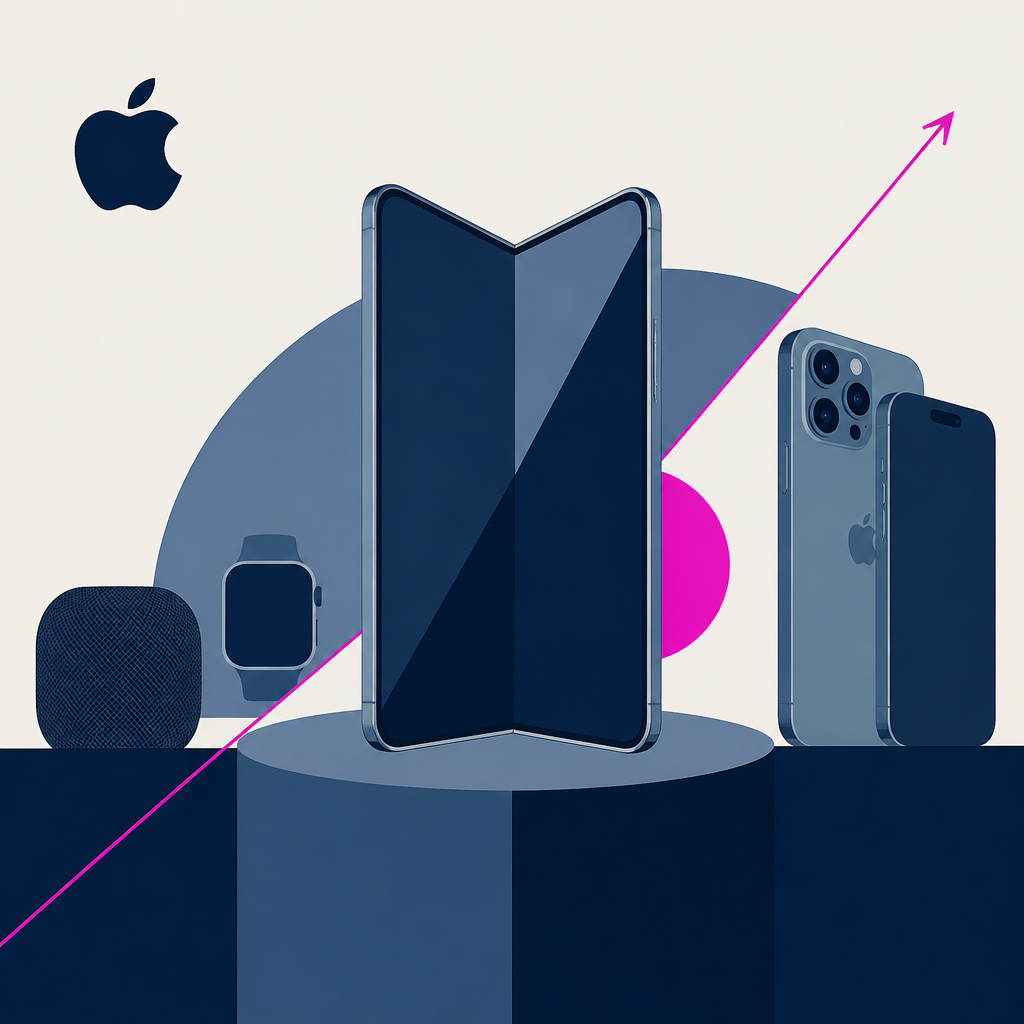 Apple expected to announce the biggest iPhone update in its history, as new CEO John Ternus prepares launch of foldable device
Fortune ·
24
The iPhone Fold could make concerts even worse
The Verge · 1 week ago ·
37
Apple expected to announce the biggest iPhone update in its history, as new CEO John Ternus prepares launch of foldable device
Fortune ·
24
The iPhone Fold could make concerts even worse
The Verge · 1 week ago ·
37