Chat.sh
Product Hunt 2 weeks ago 38
Chat.sh launched a help center product that provides AI search answers with citations while serving the help content from a folder on the user’s own site.
663 summarised stories about AI APIs & Integration, each linking back to the original source. Browse all topics →
Product Hunt 2 weeks ago 38
Chat.sh launched a help center product that provides AI search answers with citations while serving the help content from a folder on the user’s own site.
SiliconANGLE 2 weeks ago 43
Equals Money is deploying AI agents for customer data access while preventing them from initiating payments, citing the higher risk posed by rogue agents moving money. It is using Okta’s Agent Gateway kill switch to revoke every active token held by a compromised agent. This shifts controls toward automated agent identity, logging, and enforcement so agents can be cut off instantly while MCP access stays read-only for payments.
MarkTechPost 2 weeks ago 5
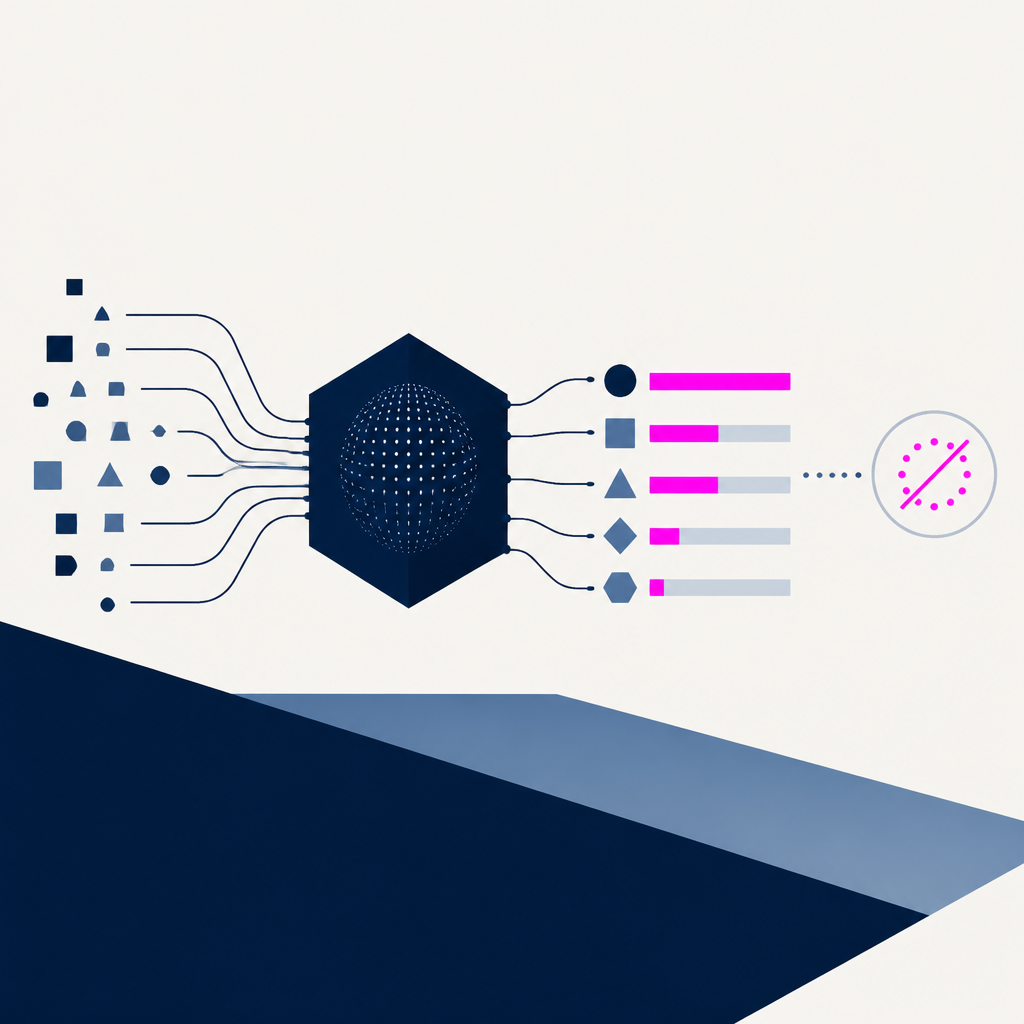
Liquid AI released d1, a decision model that takes context plus typed questions and returns calibrated probabilities for a fixed set of options without generating text. It reports usage.output_tokens as 0 in every response. The model is deployable today via a hosted API (model name d1:free) rather than self-hosted weights, shifting common classification and routing use cases away from general text-generating LLMs.
TechCrunch 2 weeks ago 7 ● 7 sources
OpenAI used Dev Day announcements to turn ChatGPT into a place to discover and launch third-party apps directly inside conversations. ChatGPT has 1.2 billion weekly users, and OpenAI said it will begin making app suggestions in the flow of chat. These changes shift app discovery and usage from app stores to ChatGPT, add a “Sign in with ChatGPT” identity/AI-allowance layer for third-party apps, and expand developer tooling with a new enterprise marketplace and updated plugin review workflow.
The New Stack 2 weeks ago 40
Featherless released Simple Jev, an open-source library that turns open AI models into zero-shot classification engines that output category labels or binary decisions instead of generating text. Production pricing starts at $0.03 per million input tokens, with output tokens free. The approach shifts inference from conversational LLM generation to stopping at decision scores for lower latency and compute use, and it also adds hosted endpoints with image context for instant classification.
Amazon Web Services 2 weeks ago 20 ● 20 sources
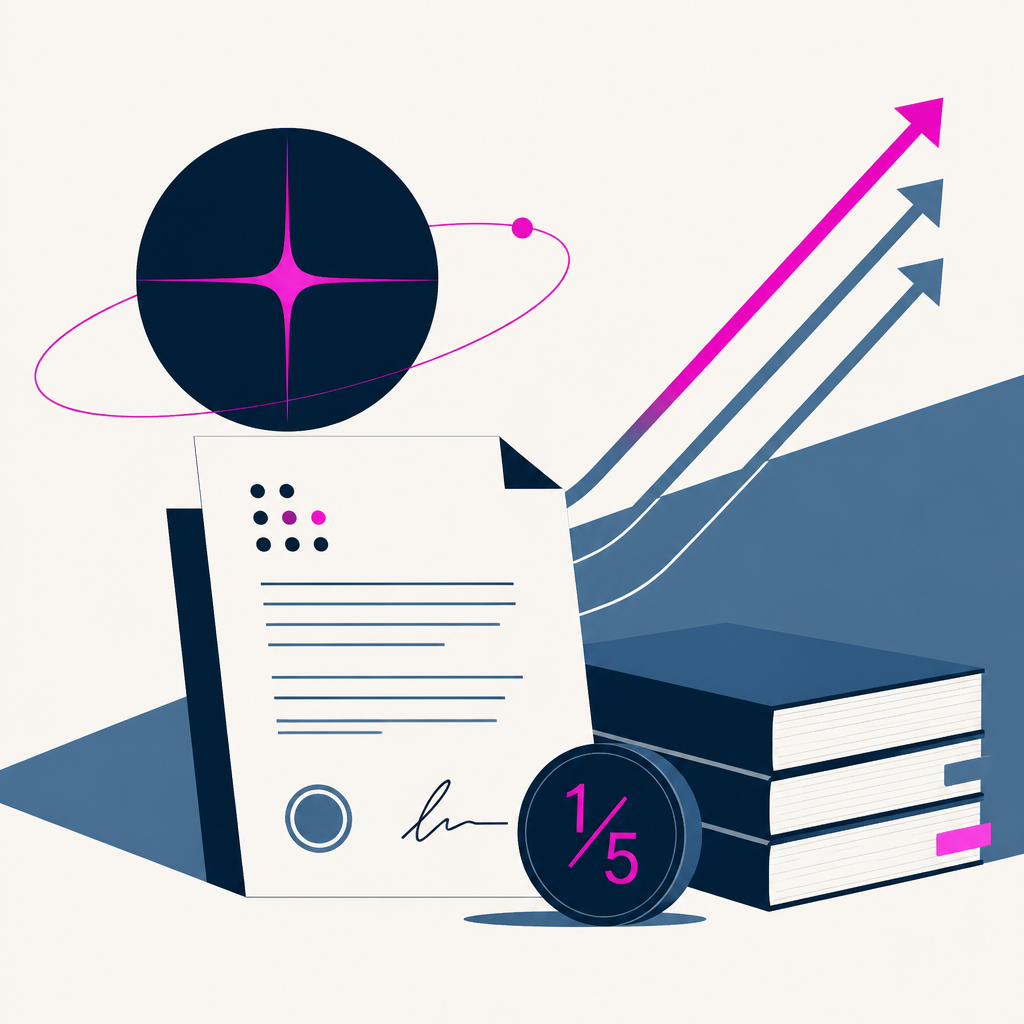
Amazon Bedrock has added GPT-6.1 Sol as a generally available option for running agentic coding and professional workloads. OpenAI says GPT-6.1 Sol matches GPT-6 Astra on DeepSWE v1.1 at roughly one-fifth the cost per task and improves the best score from GPT-6 Sol by 6.4 percentage points. Users can now deploy GPT-6.1 Sol via the Bedrock console or APIs with Bedrock’s production controls for access, auditing, networking, and data handling.
The New Stack 2 weeks ago 44 ● 4 sources
OpenAI announced that ChatGPT Plus and Pro subscribers can use their existing plan allowance inside participating third-party AI and coding tools through “Sign in with ChatGPT.” The rollout starts with 16 launch partners listed by OpenAI, including Notion and Vercel, with Lovable noted as coming soon. This expands the feature beyond sign-in identity to include usage tracking and weekly caps in ChatGPT settings, reducing the need for third-party tools to charge users for model tokens separately.
The New Stack 2 weeks ago 28 ● 7 sources
OpenAI announced a Decisions API on Tuesday that is built on its Luna model to provide decision-model outputs instead of chat-style prose. The API’s results are reported to arrive in 150 milliseconds, versus 1.6 seconds for GPT-6 Luna. OpenAI is offering it first as a limited preview with a broad rollout planned for the coming days.
The New Stack 2 weeks ago 34 ● 4 sources
OpenAI launched a $500-per-month Pro plan and reduced limits on its $200-per-month Pro plan for ChatGPT Work, Codex, and weekly GPT-6 Pro messages starting October 30. The $200 plan allowance for ChatGPT Work and Codex was cut from 20x the $20 Plus allowance to 10x. After October 29, existing $200 subscribers keep current limits until then, then receive 62,500 usage credits worth $2,500 that expire December 31, 2026, while the $500 plan is positioned as including 25x the ChatGPT Plus allowance plus access to Ultrafast for GPT-6 Astra.
TechCrunch 2 weeks ago 20 ● 2 sources
OpenAI introduced reusable cloud development environments for its Codex software engineering agent so Codex work can persist and be accessed from any device. The update was announced at OpenAI’s Dev Day on Tuesday. Developers get faster task starts and shared workspaces with approved permissions, plus a refreshed Codex CLI, new code review and security tools, and additional API capabilities.
TechCrunch 2 weeks ago 8 ● 7 sources
OpenAI expanded ChatGPT’s plugins by letting developers create app-like plugin extensions with dedicated sidebar homes, interactive panels, and file viewers inside ChatGPT. The changes were announced at Dev Day on Tuesday. This makes it easier to build, discover, approve, and host plugins (including via ChatGPT Sites) while adding support for MCP Events to trigger automations from app events.

X 2 weeks ago 31
Sam Altman teased an upcoming OpenAI product preview by saying OpenAI has built great stuff for the audience. The only concrete detail provided is that it amounts to the “whole product preview” with no specific date or product named. The result is a minimal hint that primes readers for future launches without revealing specifics.
OpenAI 2 weeks ago 30 ● 41 sources
OpenAI DevDay Exchange will host developer-focused events with OpenAI teams across multiple cities for hands-on sessions and open conversations.

YouTube 2 weeks ago 13 ● 41 sources
The newsletter for OpenAI DevDay 2026 provides a direct link to a raw event livestream so viewers can watch without the watch-party commentary layer. The livestream is hosted via YouTube, with the description previewing multiple presenters and many launches. Viewers can switch from the added commentary to the unedited stream to see the announcements directly.
OpenAI 2 weeks ago 19 ● 41 sources
OpenAI scheduled OpenAI DevDay 2026 in San Francisco for developers, with technical sessions and a livestreamed opening keynote.
The Wall Street Journal 2 weeks ago 25
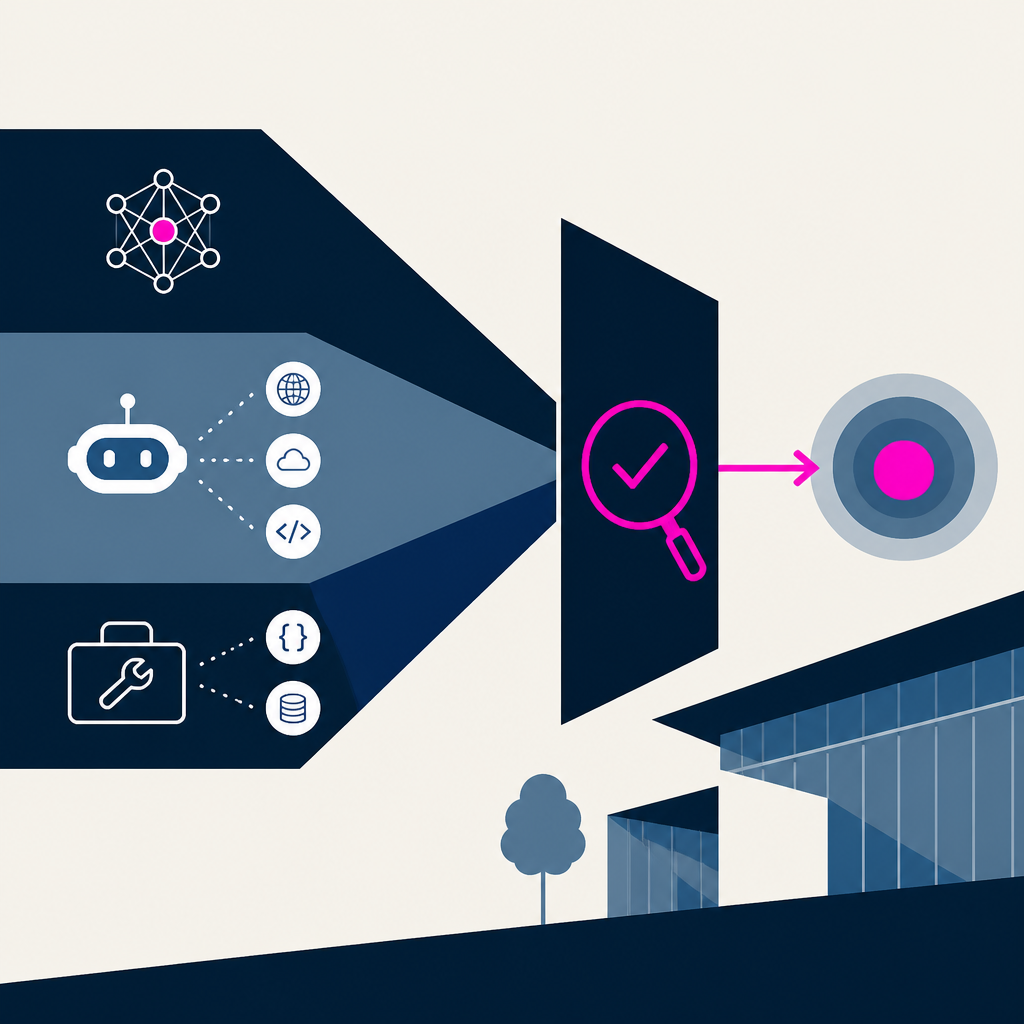
The article lays out a checklist of what to monitor—new AI models, agent systems that operate across apps/APIs/browsers, and developer tools like APIs/SDKs and infrastructure—while urging readers to verify claims against real results. It singles out WSJ as the source for the expectation that model changes are unlikely. The practical result is a shift from trusting demos to doing live, ongoing validation of capability, speed, price, and usefulness as they are released.
Amazon Web Services 2 weeks ago 36 ● 2 sources
Amazon Quick capabilities are explained component by component, with guidance on how prompt structure changes the results you get from Quick Research, Quick Flows, Quick Sight, chat agents, and action integrations. Quick Research can draw from 200+ trusted news outlets and other data sources, but specific objectives (including audience and timeframe) produce a more actionable, cited report than vague ones. Using the article’s patterns also changes workflows and analytics output by adding precise triggers, numbered logic steps, required query elements, well-bounded agent identities, and complete action parameters so the system builds the intended results instead of guessing.
Amazon Web Services 2 weeks ago 32
Amazon Quick and Amazon Bedrock AgentCore were used to build an AI contract intelligence platform that extracts contract fields with AI agents, verifies them with a second model and Amazon Textract for signature detection, and stores results in a database for querying. The pipeline processes a contract in seconds under typical conditions. Instead of relying on retrieval-augmented generation that can return wrong portfolio totals, the system uses structured extraction for aggregation and keeps a document knowledge base for precise single-contract questions.
Simon Willison’s Weblog 2 weeks ago 37 ● 41 sources
OpenAI DevDay 2026 is happening at Fort Mason in San Francisco as the author live blogs the keynote and events throughout the day. Sam Altman begins the keynote at 10:01. The story focuses on the live updates from the event rather than introducing new AI research or products.
Product Hunt 2 weeks ago 22
Inferock-bench launched as a local proxy between apps and OpenAI, Anthropic, Gemini, or OpenRouter so it can log LLM API calls and generate receipts. It is described as the 2nd launch and uses pay-per-token inference with free signup credits. It lets users bring their own API keys, track per-call token use and billing discrepancies, and receive credits back for eligible failed calls.
TechCrunch 2 weeks ago 14 ● 33 sources
Meta expanded its AI agent Muse to small businesses and added new integrations for Shopify, Dropbox, Slack, and others.
Product Hunt 2 weeks ago 17
Formalini launched today to turn documents, photos, scans, and handwritten notes into structured data formats. The launch includes exporting to JSON and Excel in seconds. It also adds an automated personal vault, enterprise integrations (including UiPath, SAP, and Salesforce), and an MCP server for AI agents to interact with the extracted data.
The New Stack 2 weeks ago 3
MCP is being used to make existing business APIs callable by AI agents, but it raises a new problem of what sensitive information agents should be allowed to access. GraphQL queries can be field-level, such as querying order-1842 to return only status and shipBy fields. Engineers can address the risk by putting a GraphQL layer with deterministic field-level contracts in front of upstream services so agents can discover and call tools while still being restricted in what they can read and write.
Product Hunt 2 weeks ago 42
Viibeo launched a tool that turns a prompt, page URL, or script into publish-ready faceless short videos with scripts, voiceover, B-roll, and timed captions. Paid plans start at $19/month and the first video is free with a watermark. Exporting a 9:16 MP4 and an Autopilot mode for recurring posts are added, along with Inspiration Feed and Ad Factory for ad creative generation.
SiliconANGLE 2 weeks ago 48
Oracle introduced Fusion Claw, an agentic software runtime that lets its Fusion applications run longer-running business tasks like reconciling accounting entries and revising staffing plans. The launch adds 25 Fusion applications powered by Claw, expanding the portfolio to 75. Fusion Claw is designed to limit costly model use by isolating reasoning while calculations run outside the model, and it adds controls such as permissioned execution and an Outcome Receipt for oversight.
Cloudflare Blog 2 weeks ago 8
Cloudflare introduced cf, a new Agentic CLI intended to let agents use the full Cloudflare API instead of being limited to Wrangler’s CLI coverage. It expands from around 280 Wrangler command paths to over 3,000 Cloudflare API operations. Wrangler users are expected to migrate to cloudflare.config.ts and use JSON-first command output plus natural-language search and typed, TypeScript-based configuration designed for agent workflows.
Nitay Neeman 2 weeks ago 6
Claude Design fails to use an app’s existing component library by default, so the article describes syncing a React design system into Claude Code’s /design-sync to create a compiled “mirror” of components with real rendering and verification. The sync is triggered by running a single command from the repo that uploads the mirror after screenshots are graded, with Storybook used as the reference. After syncing, Claude builds designs from the snapshot in the user/org’s Claude Design system (not from regenerated code), and updates only happen when /design-sync is run again.
a16z 2 weeks ago 8 ● 2 sources
OpenAI is presented as winning not through the best models or chips, but through its ability to create new customer behaviors and sustain distribution. The article cites a September 2026 framing for when intelligence-as-a-service rankings are no longer the main question. As a result, the focus shifts from model performance and price-to-performance toward “platform” distribution and runtime-like primitives that let users build and trigger new behaviors at scale.
OpenAI 2 weeks ago 7 ● 20 sources
GPT-6.1 Sol was introduced for coding, computer use, and professional work through an API. It is priced at one-fifth of Astra’s standard input and output token rates. As a result, users can access the new model for those tasks at lower per-token costs.

OpenAI 2 weeks ago 47 ● 41 sources
OpenAI DevDay 2026 recap highlighted announcements from OpenAI for builders. It covered more than 20 announcements, including GPT-6 Astra and updates across ChatGPT, Codex, APIs, and security. As a result, developers have a consolidated list of new tools and capabilities to explore.
Product Hunt 2 weeks ago 46
Audryo launched as a lifecycle email product built for AI agents that connect to tools like Claude Code, Codex, or Cursor via MCP, API, or CLI to create and measure email journeys, campaigns, and branded messages. It’s free during public beta. As a result, agents can work in a sandbox with real data and require approval before emails reach customers, with contacts stored for free and pricing after beta based on the people emailed each month.
cue.im 2 weeks ago 32 ● 2 sources
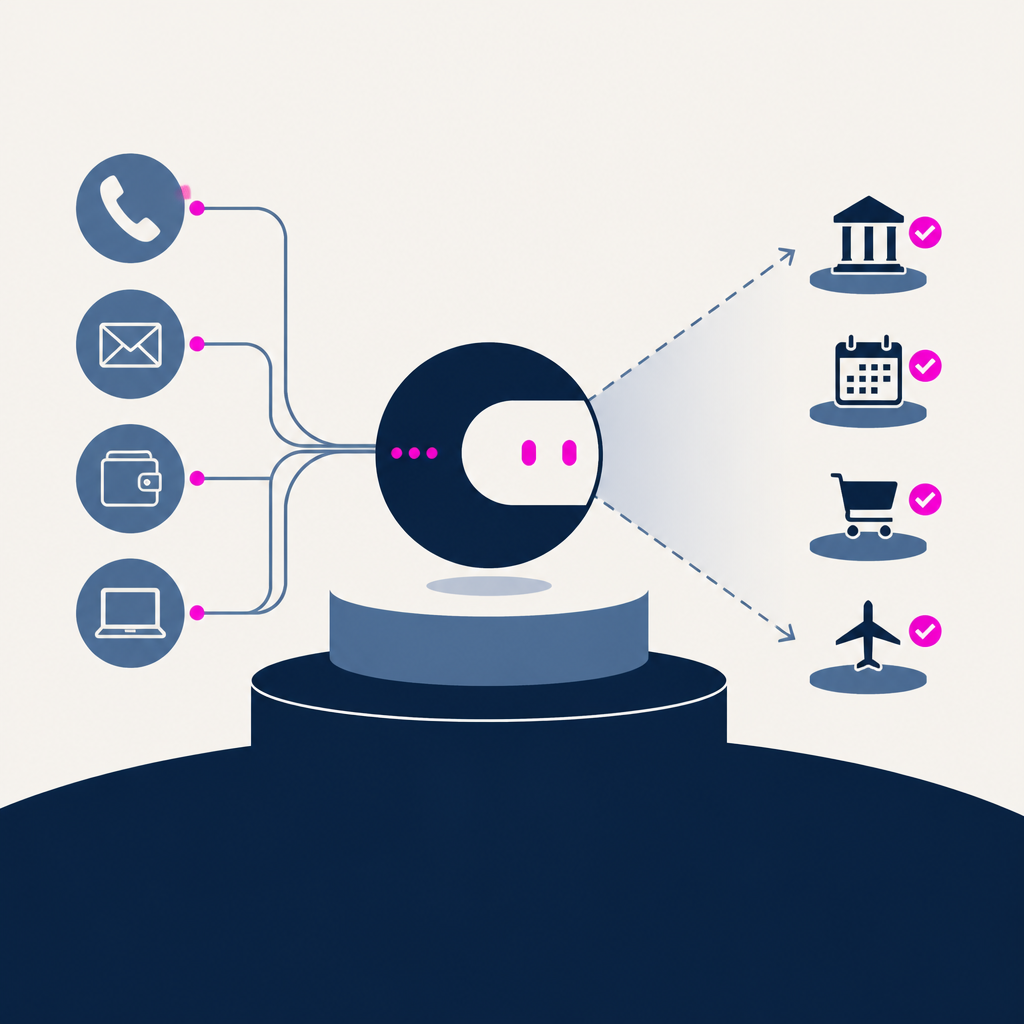
Cue positions itself as an agent platform by adding credentials plus a wallet and a computer for its model to use. The concrete piece it highlights is “a phone number, email, wallet, and computer”. As a result, the model can delegate real work rather than only responding with answers.
Product Hunt 2 weeks ago 18
Bearconnect.io launched Bearconnect 2.0, an AI-powered LinkedIn platform for both content outreach and inbound lead generation. The update adds tools like content scheduling and AI messaging plus team workspaces, role-based access, Brand Voice, CRM integrations, and webhooks. It expands the product beyond a basic LinkedIn outreach tool into a broader workflow platform for managing prospects and conversations, while also keeping free options for launch tags.
Product Hunt 2 weeks ago 34
freddy.health launched a service that lets people connect wearable and health data sources to AI assistants that speak MCP.
Product Hunt 2 weeks ago 26
Scape launched its second release and promoted a terminal workflow that runs Claude Code, Codex, or OpenCode across isolated git worktrees on a Mac. The update is its 2nd launch. It adds free options and positions Argus to orchestrate a local fleet for team document collaboration.
MarkTechPost 2 weeks ago 29 ● 5 sources
Alibaba’s Qwen team released Qwen-Audio-3.1, including Qwen-Audio-3.1-Realtime, a full-duplex voice model for voice agents that reason and call tools. The release cuts prices by about 85% for Realtime, about 70% for TTS, and up to 95% for ASR, with access via a managed QwenCloud API rather than open weights. Model deployment shifts to WebSocket-based QwenCloud usage (Qwen-Audio-3.1-realtime-plus live) alongside an offline ASR companion model, plus newly listed context length and billing rates.
Product Hunt 2 weeks ago 45
Foglio launched a distraction-free writing app with AI assistance and templates for documents like contracts, blog posts, and meeting notes. Pro is priced at £4.99 per month. Users can use the free tier or upgrade to Pro for continued AI-enabled template support while keeping docs private.
Product Hunt 2 weeks ago 16
Popcraft launched as a developer tool that lets users paste a URL into AI agents to plan, cost-preview, and generate video, images, music, and SFX. It offers 100 free credits at launch. The change is that generation can be done through existing agents (Claude, ChatGPT, Cursor, Claude Code) with OAuth sign-in and no API key.
The daily briefing
TLDRocket reads all relevant sources, removes duplicate coverage, and summarises the day in two minutes. Follow companies and topics for alerts, or get the briefing in Slack. Free, no spam, unsubscribe anytime.
 TLDRocket
18 October 2026
TLDRocket
18 October 2026
AI oversight stopped being a PowerPoint exercise today and got hands-on. Anthropic said it has given outside AI watchdog METR “employee-like” access, embedding a METR team in its offices with access to hardware and internal systems so risk evaluation can run closer to the actual model and infrastructure—not just post-hoc reports. That trend of tightening control shows up elsewhere: U.S. banks and brokerages are blocking outside AI agents from logging in and moving money, with Charles Schwab reporting it blocks agents “in the tens and twenties each week,” while routing limited balance viewing and analysis through Schwab’s own MCP servers. Even the courts are joining in—at least eight states sued OpenAI, alleging ChatGPT helps “cyberhacking agents” and misleads adults, raising the stakes for how tightly companies must constrain agent behavior.
Read the full briefing →