Inferock
Product Hunt fmerian
Inferock sits between your app and LLM APIs and makes a receipt for every call. It shows usage, failures, retries, and where you’re overpaying.
Based on reporting by Product Hunt, fmerian — read the original for the full story.
Summary, retelling and take written by AI under human oversight; images are AI-generated illustrations. How we work · Report an error
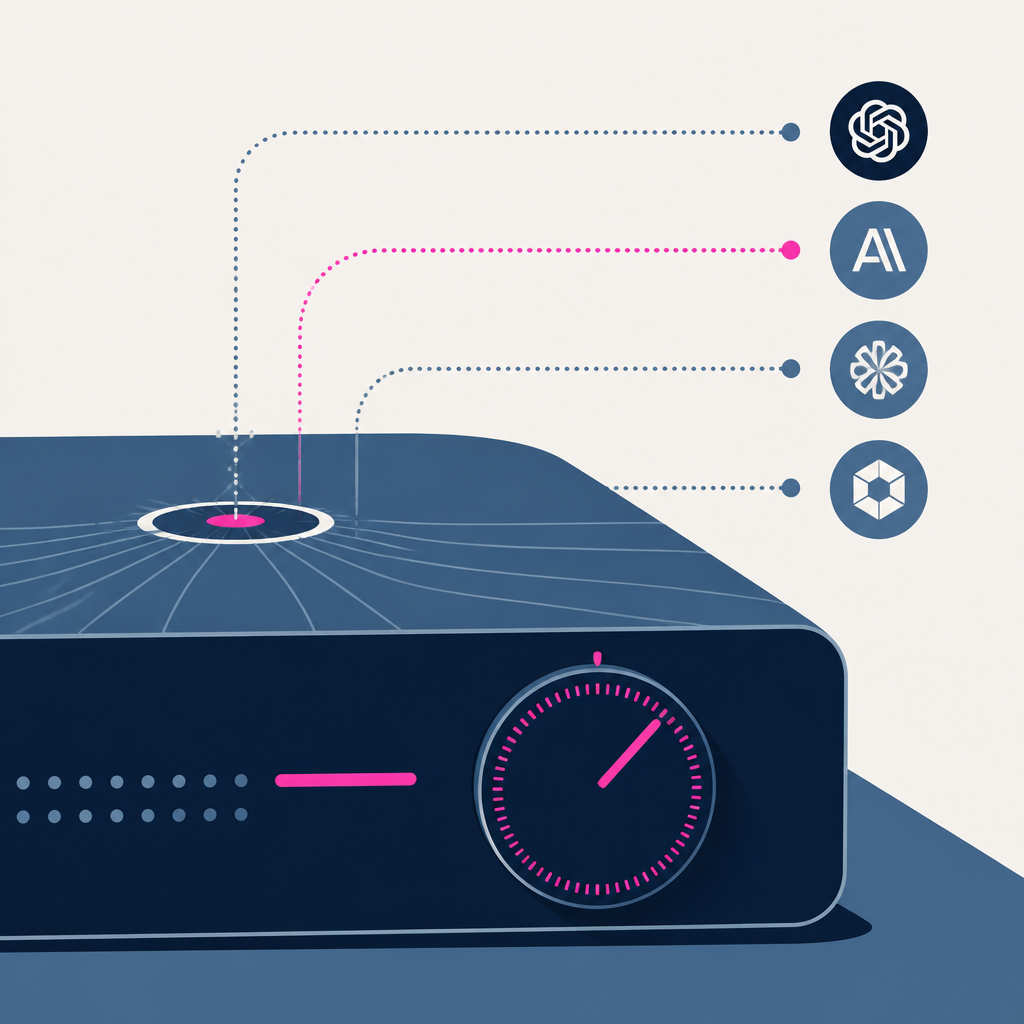
Inferock-bench is trying to make LLM billing look less like a black box. The product sits as a local proxy between an app and calls to OpenAI, Anthropic, Gemini, or OpenRouter, then records what happens on each request.
That means token usage, failures, and retries get tracked call by call. From there, Inferock generates an independent receipt that shows what was billed and where the actual overpayment is hiding. It’s a simple idea, but a useful one: if the bill is wrong or wasteful, you do not need a dashboard full of fog to prove it.
The setup also supports bring-your-own-keys, so users can run their own OpenAI, Claude, or Gemini accounts through it. Inferock says it gives credits back for eligible failed calls, which is a neat twist for anyone tired of paying for requests that never really landed.
This is the product’s second launch on Product Hunt. The pitch is aimed squarely at serverless, pay-per-token inference, with signup credits available to start using the service and test all available models.
My take — AI-written commentary, not fact-checked reporting
The real story here is not “AI observability,” it’s that billing is still messy enough for a receipt layer to feel necessary. That’s a bad sign for the market and a good sign for anyone who likes receipts more than vibes. The industry keeps selling magic, then quietly sends the invoice through the side door.
Read more about this at: Product Hunt