Apple is developing smart home devices with LG that will be sold under the LG brand, including a doorbell, thermostat, deadbolt lock, and three cameras. The lineup is expected to reach the market in early 2027. Apple’s own smart home hub and updated HomePod mini and Apple TV are also due next Tuesday, with the hub designed to control devices and support facial and voice recognition.
Simon Willison’s Weblog·1 week ago·
33
● 13 sources
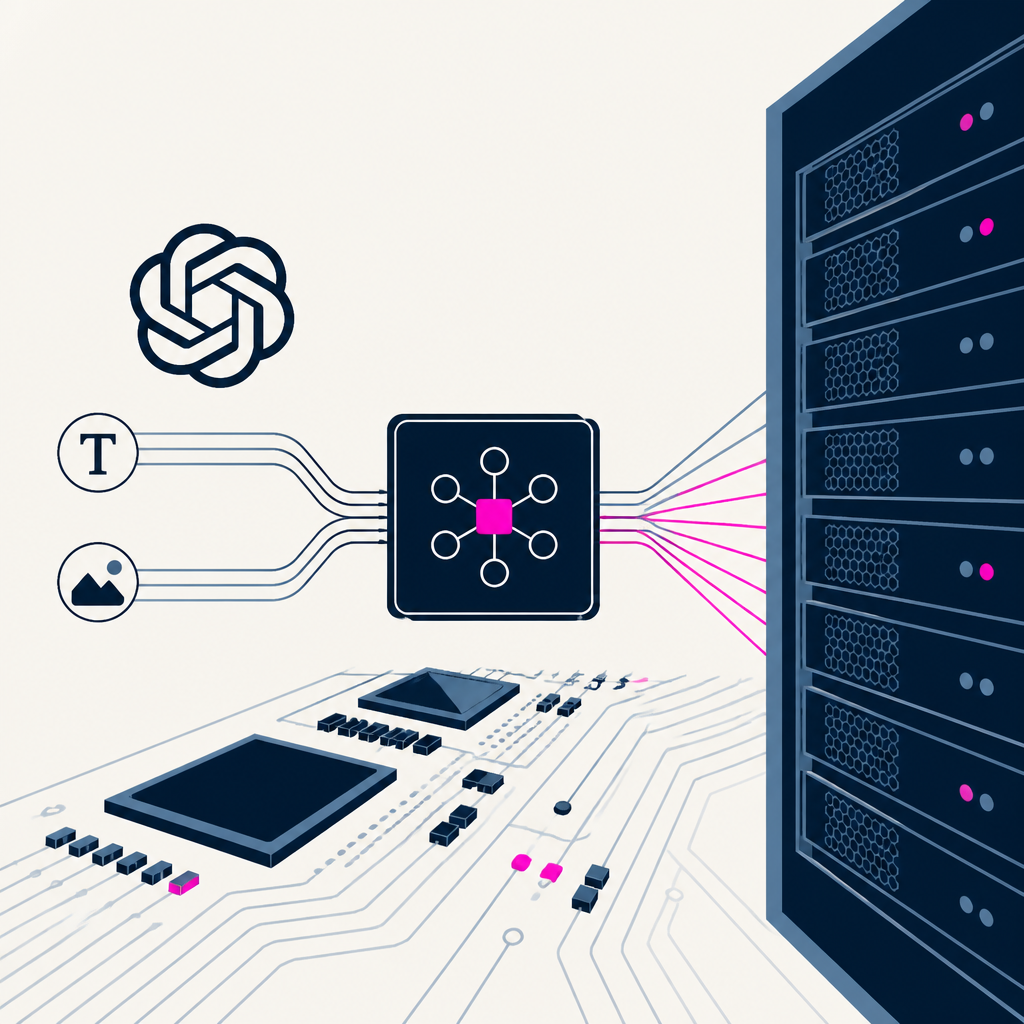
OpenAI released its Jev-style Decisions API, adding a new decisions model that accepts both text and images. The API charges 10 cents per million input tokens for OpenAI’s model (compared with 4.2 cents per million for Jev). An llm-openai-decisions plugin was created and installed with `llm install llm-openai-decisions`, enabling image-question queries through the new API.
Google released EmbeddingGemma 2, expanding its open embedding model from text to shared multimodal embeddings for images, audio, and video. The model is 740 million parameters and is designed to run on a smartphone. It enables on-device retrieval like matching a voice memo to a video moment without sending data off the phone, with options to shrink embedding vectors down to 128 numbers.
OpenSEO launched a second set of updates for its open-source SEO product and frames it as data and integrations for AI agents doing keyword research, competitor research, backlinks, and site audits. The paid plans start at $10/month instead of a $100-plus monthly subscription. It adds MCP connectivity for agents to build SEO strategies and also introduces new AI Visibility features alongside the existing SEO functionality.
Personal AI agents are being blocked by retail and other websites, preventing them from browsing or completing user tasks such as purchases and bookings. Amazon blocked Meta’s Muse from its retail site, cutting off access to its product catalog. In response, Meta and other partners are developing an open standard for agent-to-agent commerce communication, and some businesses are tightening or clarifying anti-bot rules that require human verification to pass.
OpenClaw and Amazon Bedrock AgentCore were used to build an AI assistant that retains user context by storing and retrieving both chat events and extracted long-term memory instead of starting each conversation from zero.
A developer documented how to use Parseable with Datasette to send OpenTelemetry traces into Parseable’s local web UI. Datasette added OpenTelemetry support in version 1.0a41. The result is a working setup pattern, shown with an example screenshot of traces displayed in Parseable.
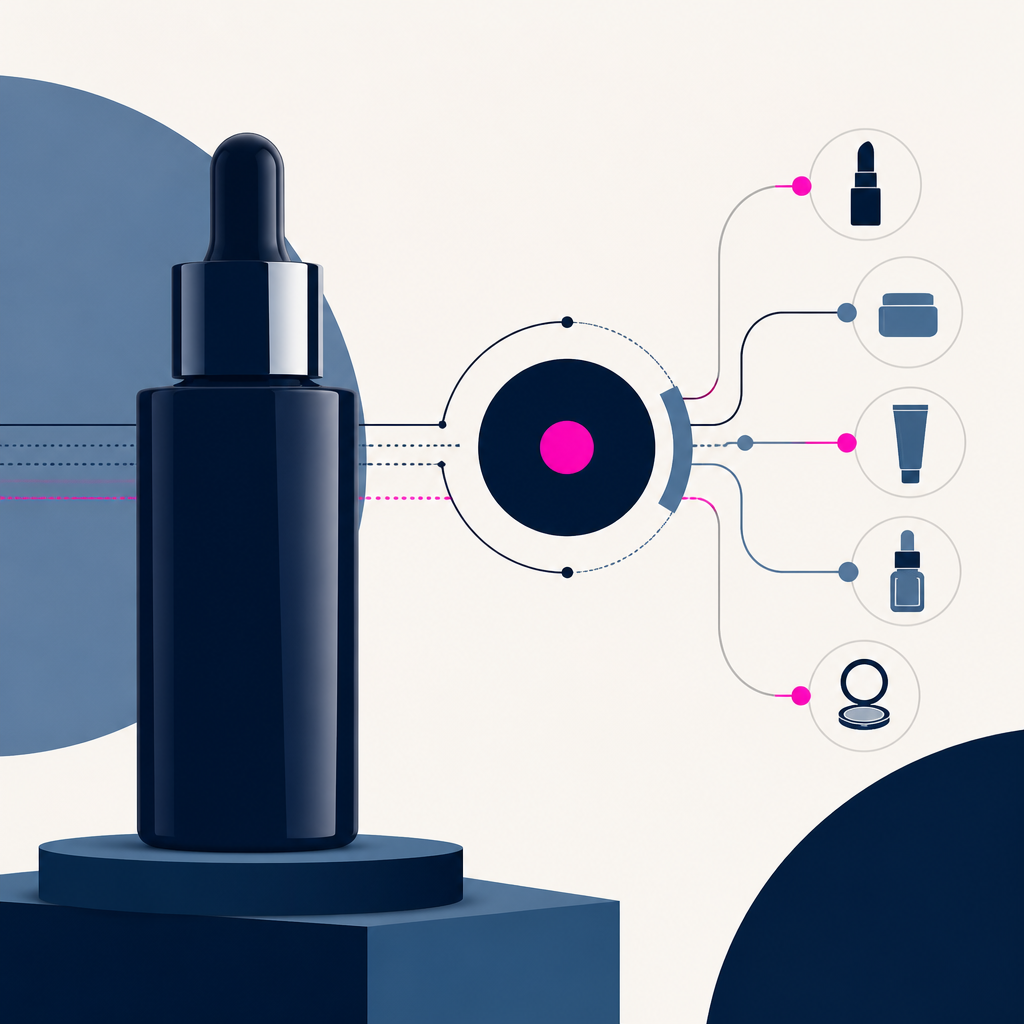
L’Oréal’s chief digital and marketing officer Asmita Dubey said the company is redesigning its marketing “engine” to account for AI mediating how consumers discover and evaluate products. She reported that almost 20% of L’Oréal’s marketing investments are now AI-led. As a result, L’Oréal is bringing data/IT and marketing together on marketing architecture, testing AI search placements like Google’s AI Overviews, standardizing account and product data, and expanding work on generative-engine optimization.
Project management software “Kitbar” was launched on Product Hunt as a dev tool status bar for macOS and Windows. It shows limits and checks including Claude Code and Codex limits alongside Vercel and Cloudflare deploy status and GitHub/GitLab checks. It adds an at-a-glance dashboard for development work across these services, with no further substantive details provided in the page.
Atlassian and OpenAI expanded their partnership to connect frontier models with enterprise knowledge so teams can plan, build, and deliver work. The article provides no date, price, or measurable benchmark. The change is that the collaboration will further focus on turning enterprise knowledge into actionable outcomes for teams.
Anthropic expanded its Claude for Startups program by adding more subsidized benefits for qualifying companies. The update includes a free year of Claude Team with up to five premium seats plus $1,000 in API credits. Eligible startups can now access Claude Marketplace for building plugins and book virtual office hours with Anthropic’s Applied AI team.
Gamma Tech Inc. released Gamma 5, a rebuilt presentation and visual-content platform that uses a redesigned editor, a stronger AI agent, and a larger set of visual styles linked to internal company tools. It claims its visual-accuracy benchmark for imported materials improved from roughly 30% early in development to over 97%. The update gives users more layout freedom, adds safeguards and connectors for importing company information, and aims to reduce repetition and generic “AI smell” by producing more distinctive, illustration-focused outputs.
SAP announced that it is expanding Joule into an agentic work layer for interacting with agents across enterprise work outside apps, not just within them. General availability of SAP’s Autonomous Enterprise architecture, along with Joule Work and Desktop, starts this month with October as the key milestone for broader rollout. Customers will get updated agents across finance, supply chain, spend, and workforce/customer experience, plus an interface that pulls information from multiple systems to deliver single business answers with governance and auditability.
TanStack Charts released version 1.0, describing a charting API built around composing “marks,” scales, axes, and interactions that can support growing visualization needs and custom renderers. The release is dated Oct 5, 2026. The update is positioned to let existing users upgrade without rebuilding their app while enabling continued development of new features through stable API contracts.
Google Docs and Google Drive added native support to view, edit, and collaborate on Markdown (.md/.markdown) files, with Drive also showing rendered previews. The rollout starts October 5, 2026. Users can edit Markdown without importing or converting it to a Docs format, while keeping Docs real-time editing and Drive formatted previews.
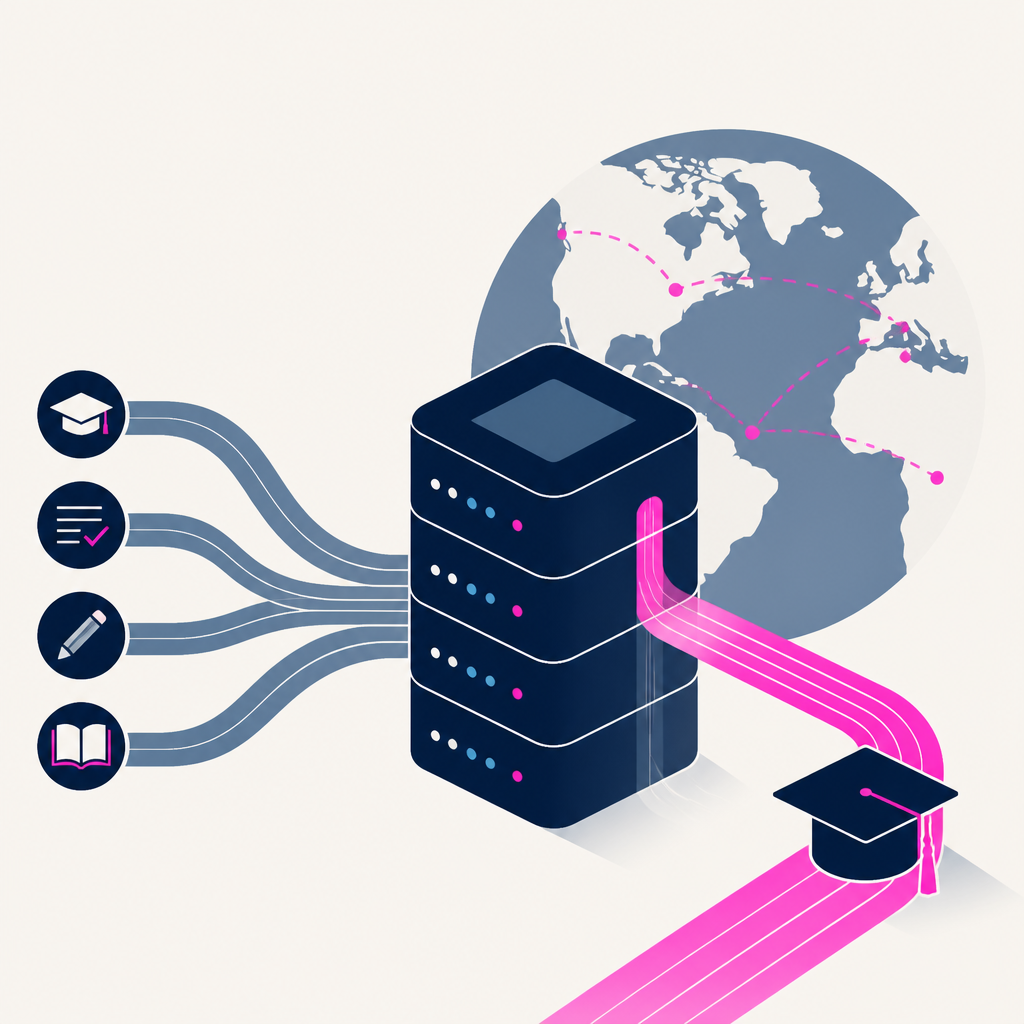
Sadia Hamid launched WizardTeacher, an AI-enabled test preparation platform aimed at students studying abroad. The platform’s first phase is launching in the coming weeks at wizardteacher.com. It consolidates multiple exam-prep subscriptions into one membership and delivers AI-scored practice feedback designed to keep student data in a UK region.
Walrus Console was launched, offering file management paired with an “AI-ready” data foundation meant to work across apps and AI tools. It is free up to 5 GB. As a result, users can keep their data portable, programmable, and verifiable as they expand their stack.
Figma launched its Agent inside the design canvas to generate layouts, edit components and variables, and turn comments into changes. It is Figma’s 34th launch and includes prompt-based design, bulk edits across screens, and prototype building. The workflow shifts from manual canvas editing to running repeatable agent “skills” via / that also pull context from Notion, Slack, GitHub, and Linear.
MausBot was launched as a free, open-source app for running supported AI agents on a computer through a chat-style interface and organizing tools and routines for tasks. It is released under the Apache 2.0 license. As a result, users can bring their own provider account or API key and use MausBot to connect agents while still paying any provider fees and observing their limits.
Qiskit added native C-API bindings so Fortran, C++, and Julia can build and run quantum circuits without using Python, sharing the same underlying Rust core. The article demonstrates a Julia workflow using simulations on 100 qubits. As a result, hybrid quantum-classical HPC code can integrate Qiskit natively in existing language stacks and the language bindings can interoperate via the shared library.
AgentSDR launched as an open-source AI SDR workspace for running email sequences, LinkedIn campaigns, and WhatsApp outreach. It’s self-hosted and runs using your own AI keys. As a result, sales teams can replace several existing sales and outreach tools with an AI CRM that classifies replies and drafts responses automatically.
Every AI story that matters,
in your inbox by 8am.
TLDRocket reads all relevant sources, removes duplicate coverage, and summarises the
day in two minutes. Follow companies and topics for alerts, or get the
briefing in Slack. Free, no spam, unsubscribe anytime.
Reading TLDRocket needs no cookies, and the readership counts we rely on come from
our own cookieless analytics. Google Analytics is the exception: it sets cookies and
reports to Google, so it stays switched off until you allow it. You can change your
mind any time from “Cookie settings” in the footer.
Strictly necessary
Session security and form protection (tldrocket-session,
XSRF-TOKEN, 2 hours). The site cannot work without them,
so they need no consent.
Always on
Google Analytics 4 (_ga,
_ga_<id>, up to 2 years). Measures which
stories and sections readers use. Google acts as a third-party processor and may
store the data outside the EU. No advertising, no profiling, no data sold.