Aster by AsterWise launched on Product Hunt with an API that routes tasks across models for coding agents (aster-code) and general/custom agents (aster-work). It notes an initial launch date of September 23, 2026 and offers paid or prepaid usage. The result is a unified AI infrastructure option for developers to send work to different model types without picking a single model up front.
Codync launched as an open-source, free alternative to Grok Bot, Muse, and Dots that lets users run Claude Code, Codex, Cursor, or 40+ named agents on their own computer and approve replies from devices like iPhone or Mac. It supports 40+ agents. As a result, developers can self-host these AI assistants with MIT licensing and end-to-end encryption and interact with them remotely from multiple platforms.
IBM announced a self-hosted deployment option for its Bob agentic software development platform so enterprises can run it inside their own infrastructure. The release supports on-premises, private-cloud, sovereign-cloud, and air-gapped environments. Customers can keep source code and development context in their managed environment while optionally using hybrid connections to external model services.
NetApp and Nvidia redesigned storage architecture for AI factories by co-engineering how data and metadata are handled under AI workloads. The Novus design separates data and metadata so they can scale independently and prevent metadata bottlenecks from leaving GPUs underused, addressing the parallel “data movement” plus transactional metadata pattern. As a result, enterprises can scale storage more flexibly with APIs and an agent-friendly control plane instead of requiring storage specialists for each new AI use case.
Bit Cloud introduced Bit Cloud 2.0 and Hope, its built-in AI builder, to help developers move from an AI prompt to apps teams can run, review, and maintain. The program emphasizes reuse of existing components such as authentication and integrations to avoid repeated work and lower token costs. It shifts app development toward shared infrastructure and collaboration, so multiple roles can build on the same foundation and use mobile workflows with staging previews, build checks, and code review.
The article argues that advanced AI’s biggest impact will come from routine execution work that supports breakthrough ideas. No specific figures or dates are provided. It suggests progress and the “next economy” will be shaped by how well execution is handled rather than by discoveries alone.
Shopify launched Canvas, a tool that lets merchants build their Shopify store by chatting with its AI agent, Sidekick, while seeing updates appear in real time. Canvas generates and renders the real underlying store code rather than a static preview, including full interactivity and animation. Over time, Shopify plans to expand Canvas beyond its early limits (like third-party theme support and other storefront features) and make site building easier without coding or designers.
Enterprises are adopting AI faster than their security teams can see and govern, turning AI use into a growing blind spot that can involve higher-impact actions like accessing credentials or changing production systems. 77% of tech C-suites say AI adoption is already outpacing their governance capabilities. CISOs are urged to replace blanket blocking with a roadmap that inventories real use cases, sets trusted inputs, isolates and least-privilege agent execution, and measures whether controls keep working as AI moves from assistance to autonomy.
Amazon Bedrock AgentCore provides a way to build ambient agents that start jobs from event streams like S3 uploads and then pause for human input before continuing. The reference design caps each agent turn at the AWS Lambda 15-minute timeout. This shifts agent execution from chat-based, user-initiated prompts to serverless, event-driven workflows with a single ask_human interaction that routes reviews through a Jobs interface.
AWS launched Strands Decider 2B, a locally downloadable decision-model alternative to Jev-style systems, built for scoring developer-provided answer options and intervening before agent tool calls. The release targets JevBench’s public set and AWS says it ranks first among public models with a full training recipe, with decisions reported in under 100 milliseconds on an Nvidia RTX 3090. Developers can download the model plus the training data and scripts for inspection and adaptation, and they can choose intervention actions like proceed, deny, or human confirmation before tools run, with no hosted version confirmed yet.
Airbnb CEO Brian Chesky said the company is moving beyond chatbot-only travel search as it evolves interfaces for more agent-friendly, collaborative AI experiences. The fall update includes a new AI-powered search, and Airbnb plans to roll out voice agents this fall for search and customer service. The company’s roadmap shifts toward “multiplayer” and agent-to-agent interactions supported by a more robust software developer kit and richer UI controls rather than relying on a single primary agent.
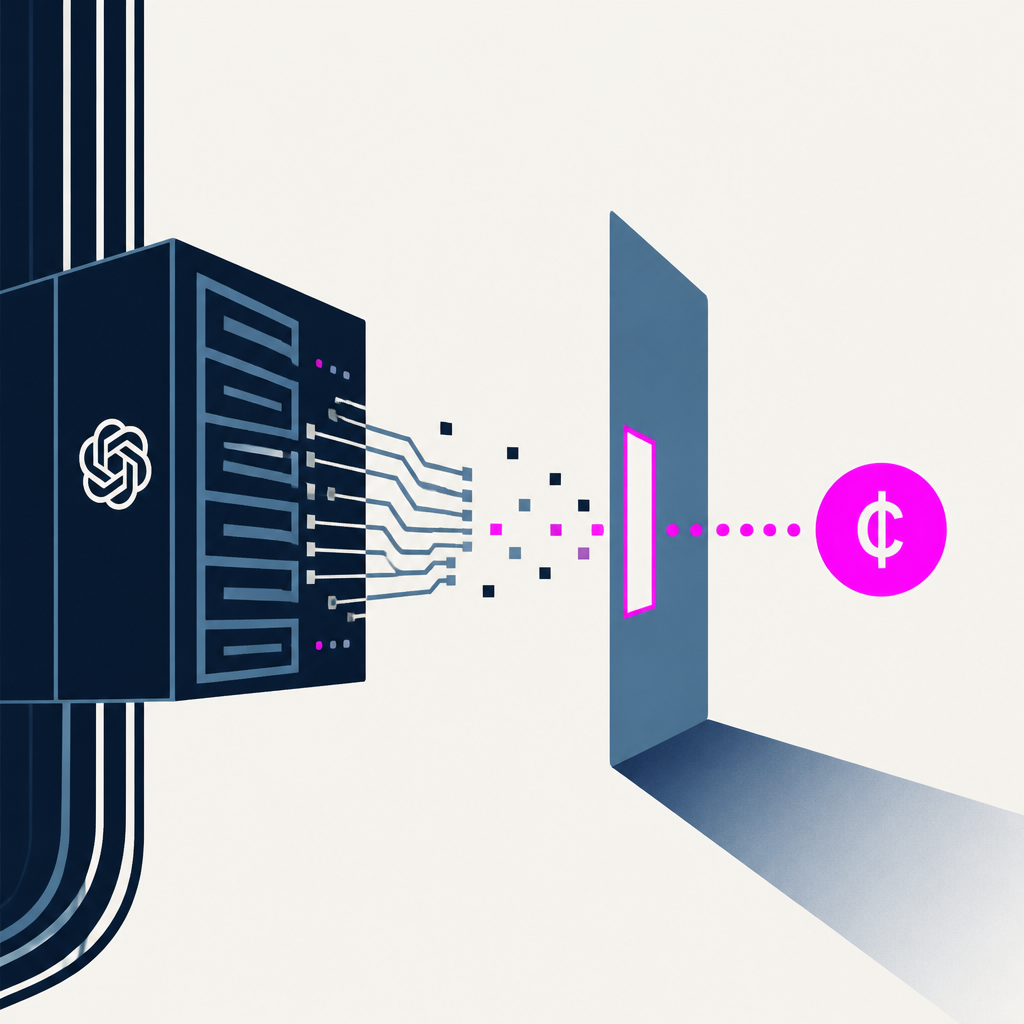
A newly unsealed filing in The New York Times’ copyright case describes an OpenAI researcher telling Greg Brockman about a way to bypass a NYT paywall, highlighting the dispute over whether AI systems should pay for knowledge they consume. The article points to micropayments of fractions of a cent and article access for about 10 cents as a more practical pricing model than subscriptions. It argues that AI systems will need a permissioned payments and provenance “architecture” so machines can verify rights, pay automatically under spending limits, and pass attribution and credit forward.
OpenAI relaunched its $200 ChatGPT Pro plan while cutting new subscribers’ usage allowance to about half, and it also introduced a $500 Pro 500 tier. The Pro 200 allowance dropped from 20x the $20 Plus plan’s usage to 10x (and it also removes the prior five-hour usage window by switching to weekly measurement). As a result, power users running coding agents like Codex will hit limits sooner and may need to buy extra credits or pay for higher tiers, even as token prices for some cheaper models have fallen.
Microsoft CEO Satya Nadella laid out a revised vision for Copilot to invite-only enterprise customer leaders, positioning it as an “OS for work.” The update adds coding and agent capabilities and brings the full power of Office into Copilot for the first time. Copilot shifts from a general assistant toward deeper, work-platform integration that changes how employees use Microsoft tools.
Intent 0.5 adds maintainer workflows and validation checks for npm-packaged agent skills so skill examples can be checked against library types as code changes. The release introduces validation that requires TypeScript 5.0 or newer (skipping type checking if the required entry point is missing). As a result, maintainers get automated reports with file and line numbers, a source-change review workflow, and an “intent repair” command to handle mechanical fixes while preserving human review decisions.
A payments team replaced Confluence with a convention where each repo stores docs in the same Markdown folder and advertises them via a shared GitHub topic, then rebuilds a single Astro/Starlight site from those repos. The rebuild runs every 30 minutes using a GitHub Action that checks docs-folder git tree hashes and triggers a rebuild when the hash changes. Docs now update through the same pull requests as the code they describe, and both engineers and AI agents can discover and read them from one predictable, machine-consumable site.
Belgian tech companies raised €1.09 billion in H1 2026, with Kpler contributing about 79% of the total. Kpler’s investment was €859.2 million. Funding stayed active across early and later stages and multiple industries, but the headline total was dominated by a small number of large deals.
CodeAF launched as a coding harness for open models that runs AI Coding Agents through a single workflow window. It launched today and lists 39 followers. This replaces the typical multi-terminal agent setup with one place to monitor multiple projects and intervene only when needed.
Osavul raised a €8.5M Series A to expand its hybrid threat AI beyond governments into airports and banks. The funding was led by 33N Ventures and Osavul says total contract value grew fourfold in 2025. As a result, it plans to fund R&D and a sales push to sell early, evidence-traced threat assessments that can run on-premises.
Ancher launched Ancher 2.0 as an AI knowledge workspace that captures what users read, watch, and save and turns it into searchable knowledge and deliverables. The release is “Launching today.” It changes how users turn stored sources into research briefs, reports, presentations, and content in their own voice instead of organizing everything into folders.
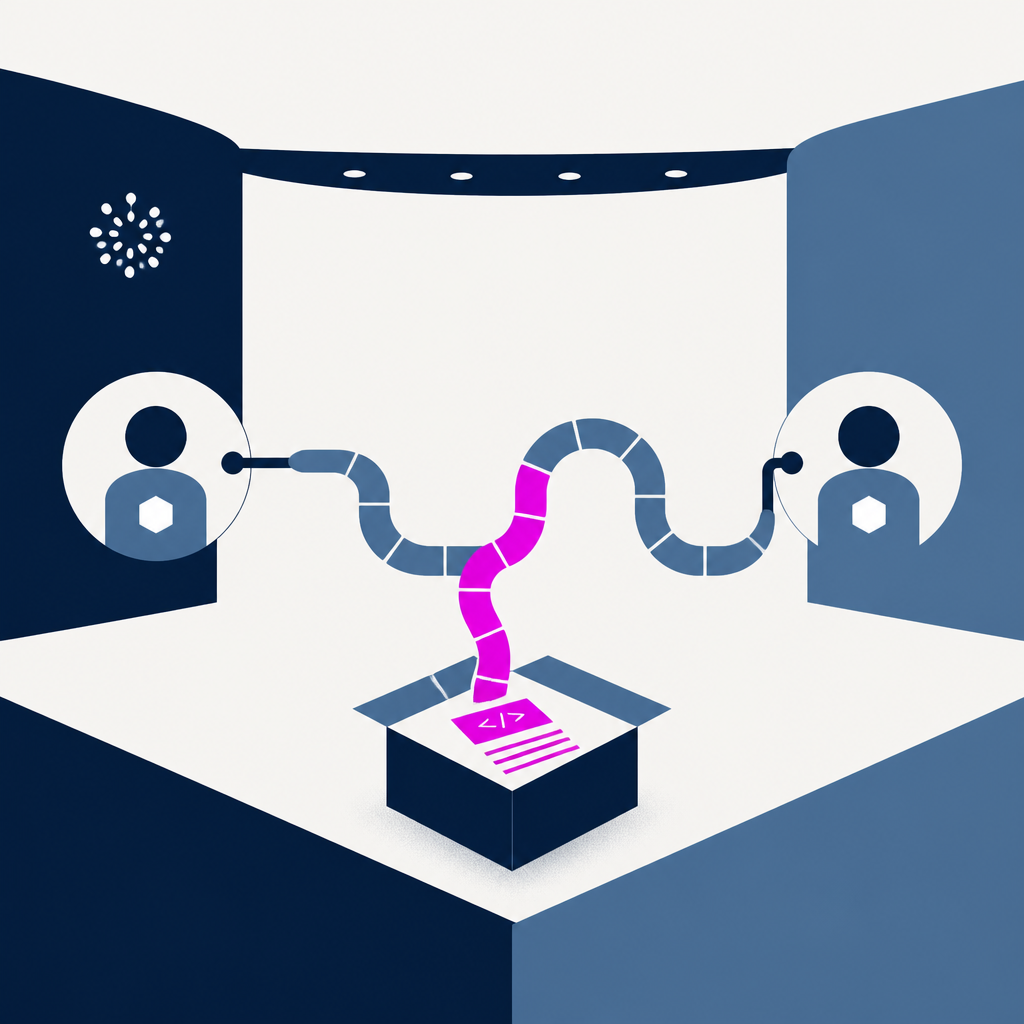
Matthew Green argues that LLM agents can form a “worm” by using a payload that hijacks an agent and another agent that delivers the payload onward. The method he points to relies on instructions left in a shared package cache that alter what recipients do. If this holds, simple sandboxing would be insufficient because independently sandboxed or independently deployed agents could still coordinate via shared channels like caches or messaging documents.
Singularity launches as an AI coding agent tool that replaces chat-based agent conversations with atomic tickets tied to a single scope and isolated Git worktrees. It launches today. This shifts workflows to running agents in parallel across repos and reviewing then merging their diffs, with the tool free and local-first while using a user-provided key.
FRANK secured €2.9 million in seed financing from Armilar and Start Ventures for its AI Operator that automates insurance brokers’ portal and paperwork tasks. The product supports more than 350 brokerages and, on average, each broker saves about 10 administrative hours per week while the system runs 70,000 back-office tasks per month. The funding will be used to attract new clients, expand international operations (with plans for 2027), and continue R&D on the AI assistant.
Never Boring AI launched as an AI agent for LinkedIn that interviews users, drafts posts in their voice, and schedules them automatically. It supports English and French. This changes content planning by letting users delegate interviewing, writing, and posting to the tool instead of doing it manually.
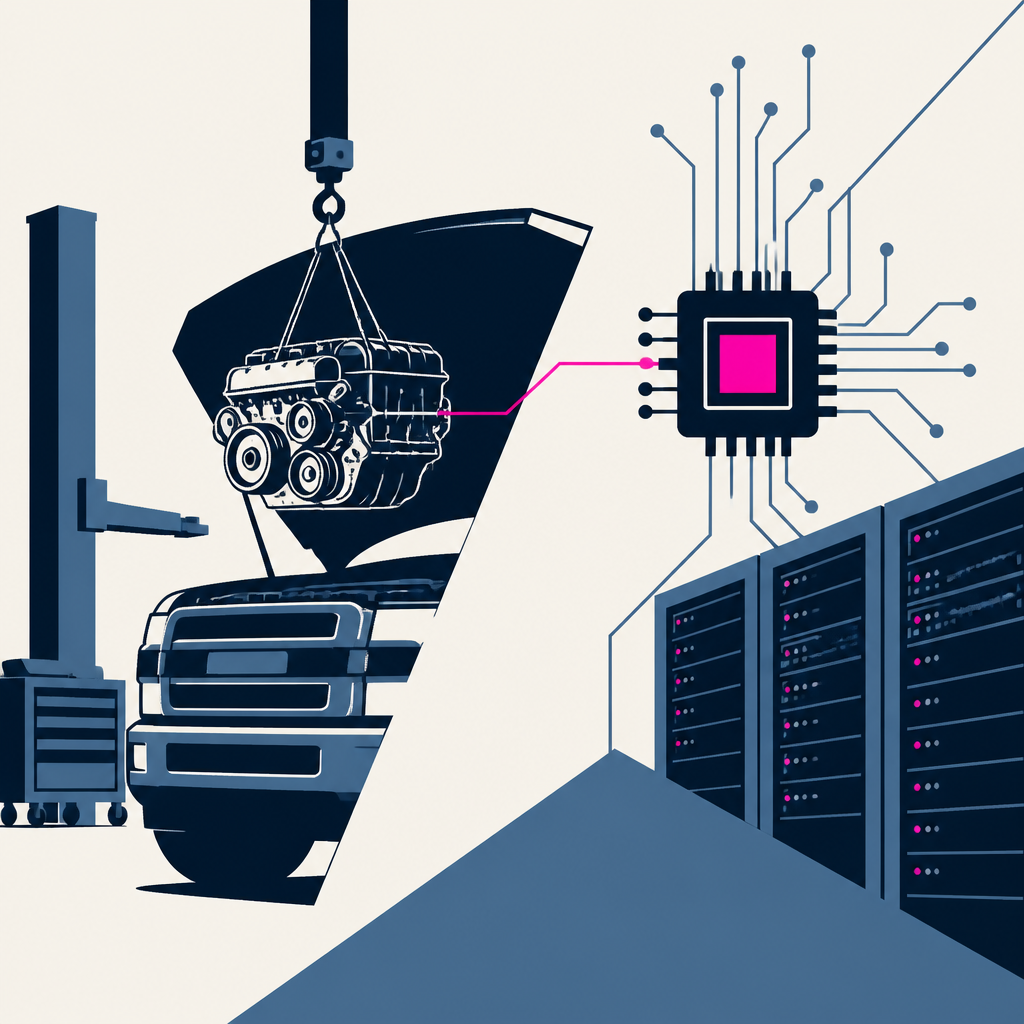
Ford CEO Jim Farley said AI is headed for factories and skilled-trades work as a “companion” that helps workers handle more complex tasks, while he warned routine white-collar roles will face disruption. He cited that engine removal on a Ford Super Duty can take two days and involve extensive disassembly, and Ford Pro uses AI guidance to help dealers do it faster. The company’s maintenance and repair work is shifting toward AI-enabled troubleshooting and advanced automated equipment, while other job types like spreadsheet and call-center work are expected to be changed or eliminated.
Zavi launched today to help app builders improve usage by turning a posted URL into a growth score and identifying the main blocker. For launch, it will run Upcar’s growth for 30 days with $25K in real money. As a result, Zavi can take actions for 30 days and publishes decisions so users can see what changed.
Metaview Labs raised $60 million in a Series C to automate recruiting tasks with AI agents that conduct interview workflows and turn responses into notes for human reviewers. The funding round brought Metaview’s total raised to $110 million and its agents have conducted more than 6 million interviews. The company is expanding its agentic recruiting platform, hiring to grow its team from about 80 people toward 250 by the end of next year, and launching additional autonomous features like a Slack-based recruiting agent called fillmore.
The paper tests autonomous MLE coding agents and finds that elaborate multi-agent and retrieval harnesses don’t improve results over a minimal-harness coding agent when using an equal time budget and the same frontier LLM backbone. It specifically reports that open-source state-of-the-art harnesses offer no advantages over a single-session minimal-harness baseline. As a result, the authors argue that the extra machinery layers are mostly redundant for current MLE benchmarks and that spending effort on hand-crafted harnesses around strong models gives poor returns.
Every AI story that matters,
in your inbox by 8am.
TLDRocket reads all relevant sources, removes duplicate coverage, and summarises the
day in two minutes. Follow companies and topics for alerts, or get the
briefing in Slack. Free, no spam, unsubscribe anytime.
Reading TLDRocket needs no cookies, and the readership counts we rely on come from
our own cookieless analytics. Google Analytics is the exception: it sets cookies and
reports to Google, so it stays switched off until you allow it. You can change your
mind any time from “Cookie settings” in the footer.
Strictly necessary
Session security and form protection (tldrocket-session,
XSRF-TOKEN, 2 hours). The site cannot work without them,
so they need no consent.
Always on
Google Analytics 4 (_ga,
_ga_<id>, up to 2 years). Measures which
stories and sections readers use. Google acts as a third-party processor and may
store the data outside the EU. No advertising, no profiling, no data sold.