
AI is consuming human knowledge. It should learn how to pay for it
Fortune Shlomit Wagman ● Covered by 41 sources
Opinion — commentary, not a factual news event.
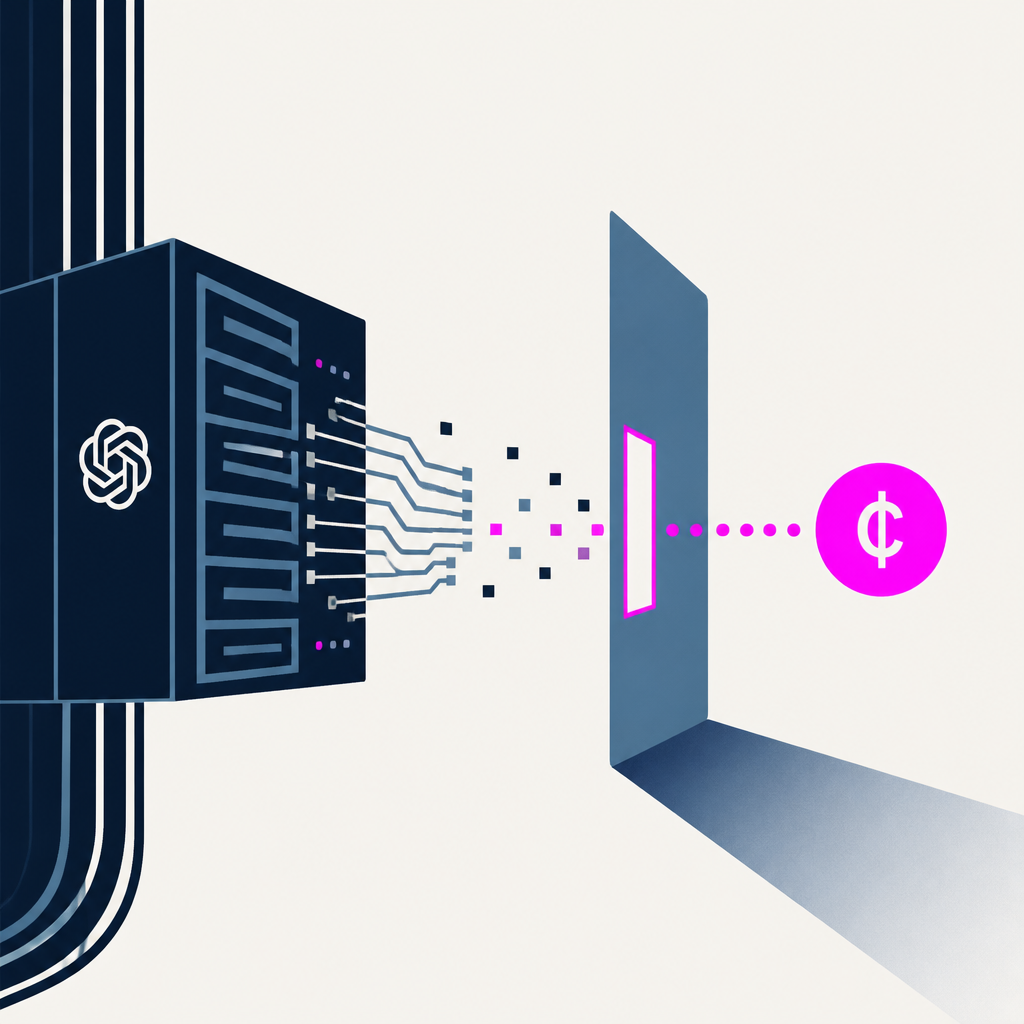
OpenAI jokes about a Times paywall hack showed up in court filings. The bigger issue: AI keeps consuming human work without a clean way to pay for it.
Based on reporting by Fortune, Shlomit Wagman — read the original for the full story.
Summary, retelling and take written by AI under human oversight; images are AI-generated illustrations. How we work · Report an error
A court filing in The New York Times’ copyright case against OpenAI and Microsoft included a blunt little exchange: an OpenAI researcher told Greg Brockman there was “a hack to get around nytimes paywall,” and Brockman answered, “ah nice.” It reads like a throwaway line. It isn’t. It cuts straight to the mess the AI business is running into: systems are hungry for articles, photos, court opinions and data, but the internet still has no reliable way for machines to pay as they go.
That gap is where the argument for micropayments starts to look less futuristic and more overdue. An AI agent may only need a paragraph, a single data point, or one image for a specific task. A monthly subscription makes little sense for that. Free access is not a business model. And the old reason micropayments never took off — people hate making tiny decisions all day — disappears when software is the buyer.
The author’s view is that agentic payments could become the missing layer. Agents are already being discussed not just as search tools, but as actors that can carry out purchases under narrow instructions: buy this if it costs less than a set amount, renew that only if the price stays within range, pay for compute by actual usage. Those payments could run over cards, bank transfers, open-banking links, stablecoins, prepaid balances or machine-native protocols. The point is not a single rail. It is the ability for software to identify a transaction, verify authority and execute it inside boundaries set by a person or business.
That also changes the copyright debate in a practical way. Rights metadata could travel with content, listing creator, rights holder, allowed uses, attribution rules and price. An agent would request access, check the terms against its mandate and pay automatically if the use is allowed. If attribution is required, it stays attached. If the use is banned, payment doesn’t magically make it okay. Smart contracts could then split money among rights holders without a pile of manual accounting.
The building blocks are already being advertised by big payments players. Mastercard has Agent Pay for Machines. Visa has Trusted Agent Protocol. Stripe and Tempo have Machine Payments Protocol. None of that settles the fight over historical training data. But it does point to a future where the web is not just scraped by machines, it is bought from by machines. And if AI systems are going to become some of the biggest consumers of human knowledge, the people making that knowledge should not be expected to survive on gratitude and court filings.
My take — AI-written commentary, not fact-checked reporting
The uncomfortable truth is that “open internet” has been turned into “free buffet for machines.” That’s not a noble principle; it’s a subsidy with terrible bookkeeping. If AI firms want the world’s knowledge, they can act like grown-ups and pay for it.
Read more about this at: Fortune
