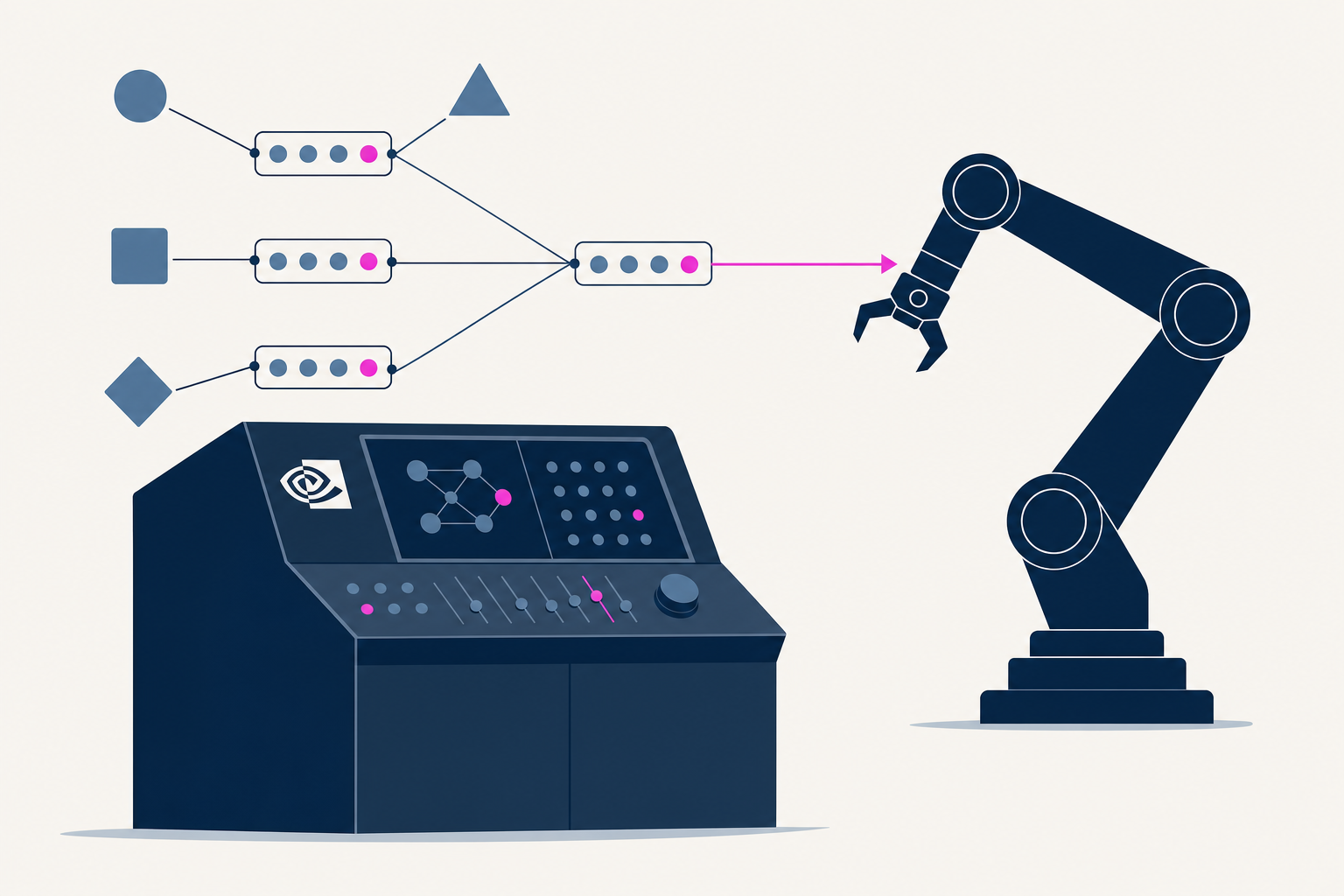
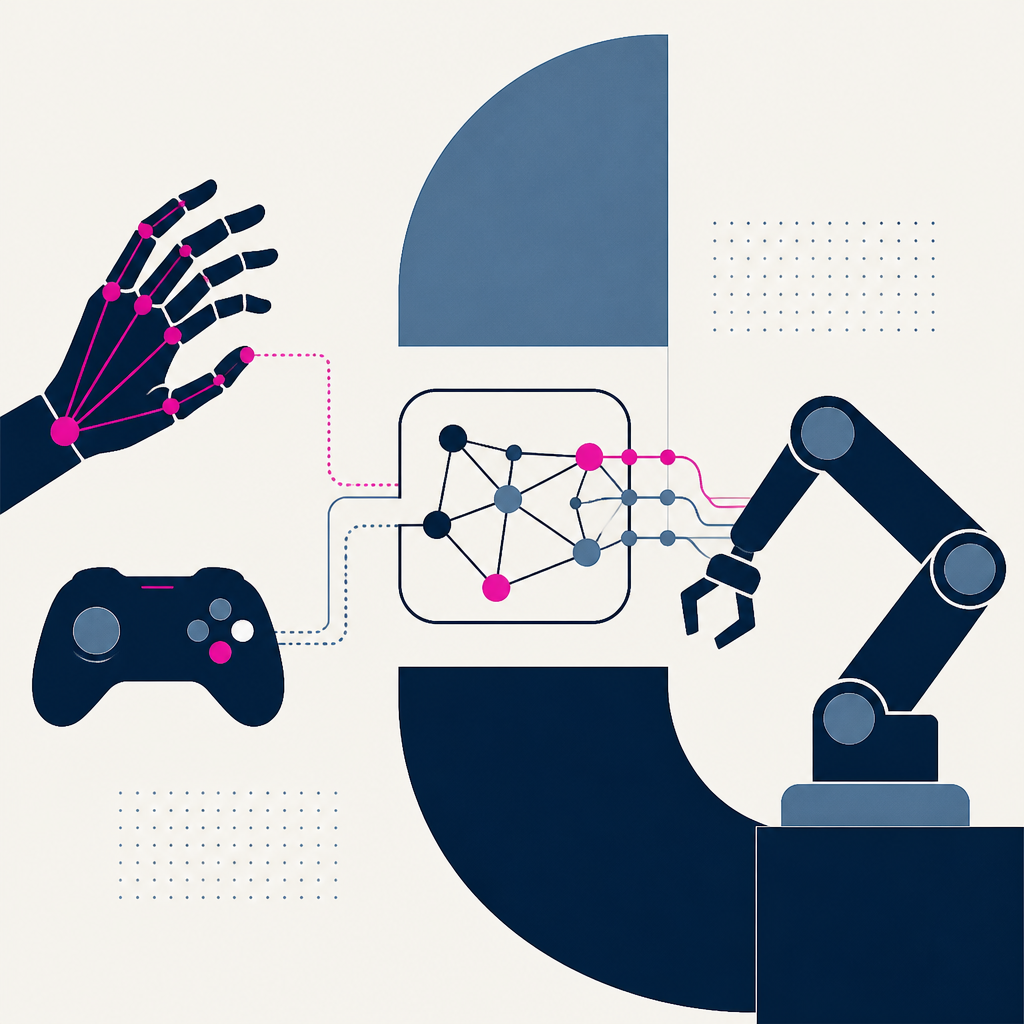
The day’s clearest throughline is hands-on control: NVIDIA’s IsaacTeleop tutorial pushes robot teleoperation toward something practical and headset-free. The centerpiece is its graph-based retargeting engine, which takes XR hand tracking and controller inputs and converts them into action vectors for both simulated and real robots. What makes the approach notable isn’t just the goal, but the plumbing: the workflow builds and wires TensorGroups through a sequence of NumPy-only steps, so the mapping from “human motion signals” to “robot do this” stays transparent rather than buried in a black-box training pipeline.
While NVIDIA focuses on turning gestures into motion, DeepSeek’s release moves in the opposite direction—making agents easier to run, not harder to understand. DeepSeek Harness (dsh) got official desktop apps alongside a v0.2 preview build for macOS (Apple silicon) and Windows (64-bit), bundling a dsh command so you can launch the harness locally. The company’s own warning is part of the tradeoff: compatibility will likely change between builds, and v0.2.1-alpha.1 adds an experimental Claude Code Mods compatibility layer.
Put together, the messages are consistent: AI tooling is moving from research demos toward everyday interfaces—either for controlling physical systems or for running agent workflows without friction.