DeepSeek Harness v0.2 Brings Official Desktop Apps to Its Open-Source Agent Harness
MarkTechPost Michal Sutter
DeepSeek just shipped desktop apps for its open-source agent harness. It’s a preview, but it already runs on Macs with Apple silicon and 64-bit Windows.
Based on reporting by MarkTechPost, Michal Sutter — read the original for the full story.
Summary, retelling and take written by AI under human oversight; images are AI-generated illustrations. How we work · Report an error
DeepSeek has turned Harness, its open-source agent runtime, into a desktop app. The new v0.2 preview lands with installers for macOS on Apple silicon and for 64-bit Windows, and DeepSeek says people can use it now as a preview through deepseek.com/harness or by running npx @deepseek-ai/dsh web.
Harness, or dsh, is the layer that lets a model act like an agent. It can read files, run commands and keep track of a plan. DeepSeek is aiming this release at everyday work as well as coding, and the app comes with a few things ready to go: common office and development tools, plugin management, a right-hand sidebar for generated files and code diffs, and support for documents, spreadsheets and PDFs when users want charts or slides built from them.
The desktop build also folds in the dsh command itself, so users no longer need a separate Node.js or pnpm install. Sign-in can happen with a DeepSeek account or with an API key, and the rc.1 notes say account-based models get web search without needing an extra key.
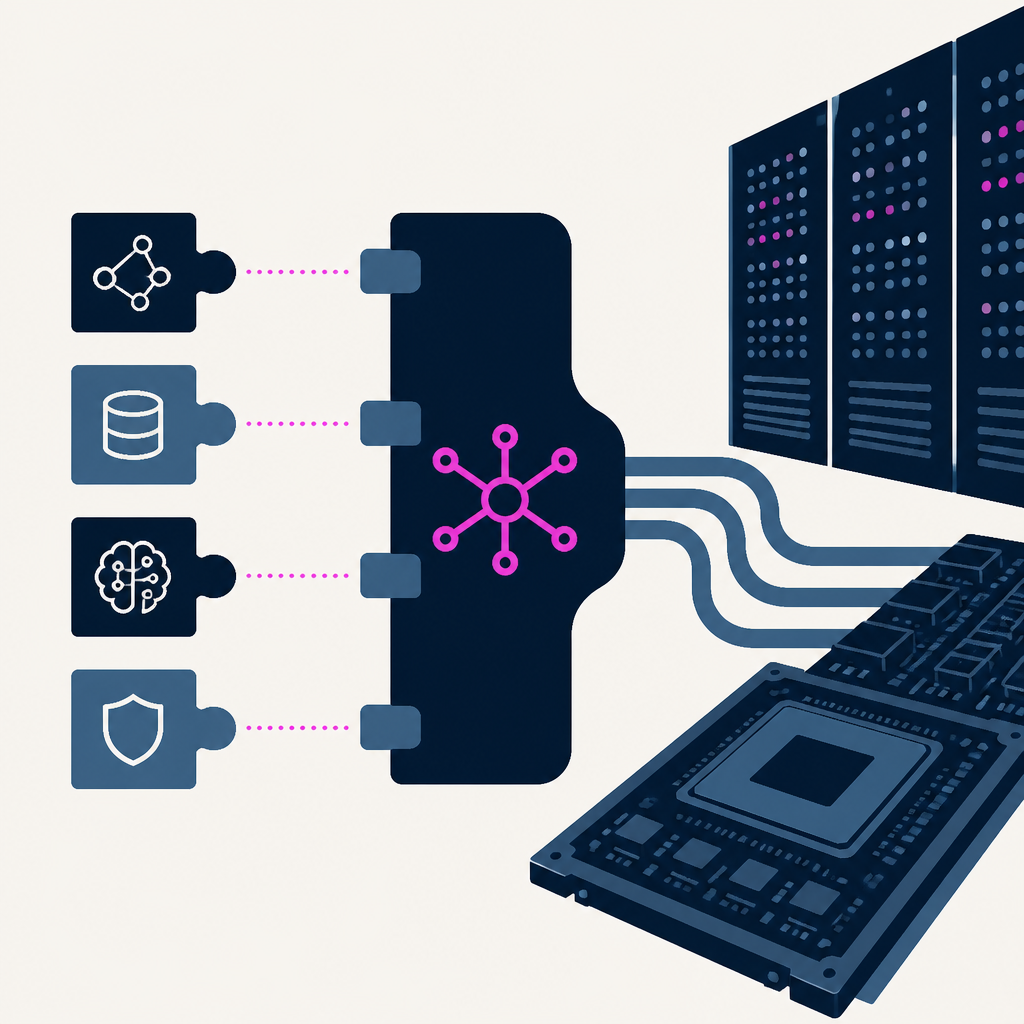
Under the hood, DeepSeek keeps pushing the same idea: everything is a plugin. The model adapter, the tool registry and even the agent loop can all be swapped out. The harness is not tied to DeepSeek models either, since the provider guide supports third-party providers and custom OpenAI-compatible endpoints. DeepSeek also says dsh doubles as its evaluation rig, and the API changelog notes that Code Agent benchmarks ran in “DeepSeek Harness minimal mode,” where DeepSeek-V4-Flash-0731 scored 82.7 on Terminal Bench 2.1.
There are four session modes: Standard for general work, Creator for describing a plugin in chat and having the agent build and install it, PTC for programmatic tool calling with Node code in a separate process, and Minimal for benchmark runs. DeepSeek’s newer v0.2.1-alpha.1 build adds an experimental compatibility layer for Claude Code Mods, plus a “Let Agent create a plugin” entry, an optional Developer Tools bundle and a --public-url flag for reverse proxies. It also removes runtime invariant plugins, which means some extensions will break. DeepSeek is warning about that up front, which is refreshing in a field that usually wraps every sharp edge in marketing foam.
My take — AI-written commentary, not fact-checked reporting
This is the right kind of open-source move: make the agent loop replaceable, then let people break things in public. The real tell is the warning about compatibility-breaking changes; that’s honest engineering, not demo theater. Closed systems love to call that “stability” right up until they need your wallet and your patience.
Read more about this at: MarkTechPost