UiPath reported second-quarter results that beat analyst expectations, but its stock reversed after-hours despite the headline revenue and profit gains. The company said revenue rose 13% to $410 million and raised its fiscal 2027 revenue outlook to a range of $1.789 billion to $1.794 billion. The update led investors to push the shares down more than 7% after the initial 10%+ jump, while UiPath leaned on AI-agent automation and executive changes to reassure customers and markets.
Forward-deployed engineers are being sent to customers’ offices to configure AI tools, integrate software, and deliver business-focused deployments. Job postings for the role grew more than 1000% from January to August 2026 versus the same period in 2025, and median advertised pay is over $188,000 compared with roughly $145,000 for traditional software engineers. As AI deployment demand rises, companies increasingly adopt this model and offer higher-paying, customer-facing positions that blend ML/generative AI work with production and consulting skills.
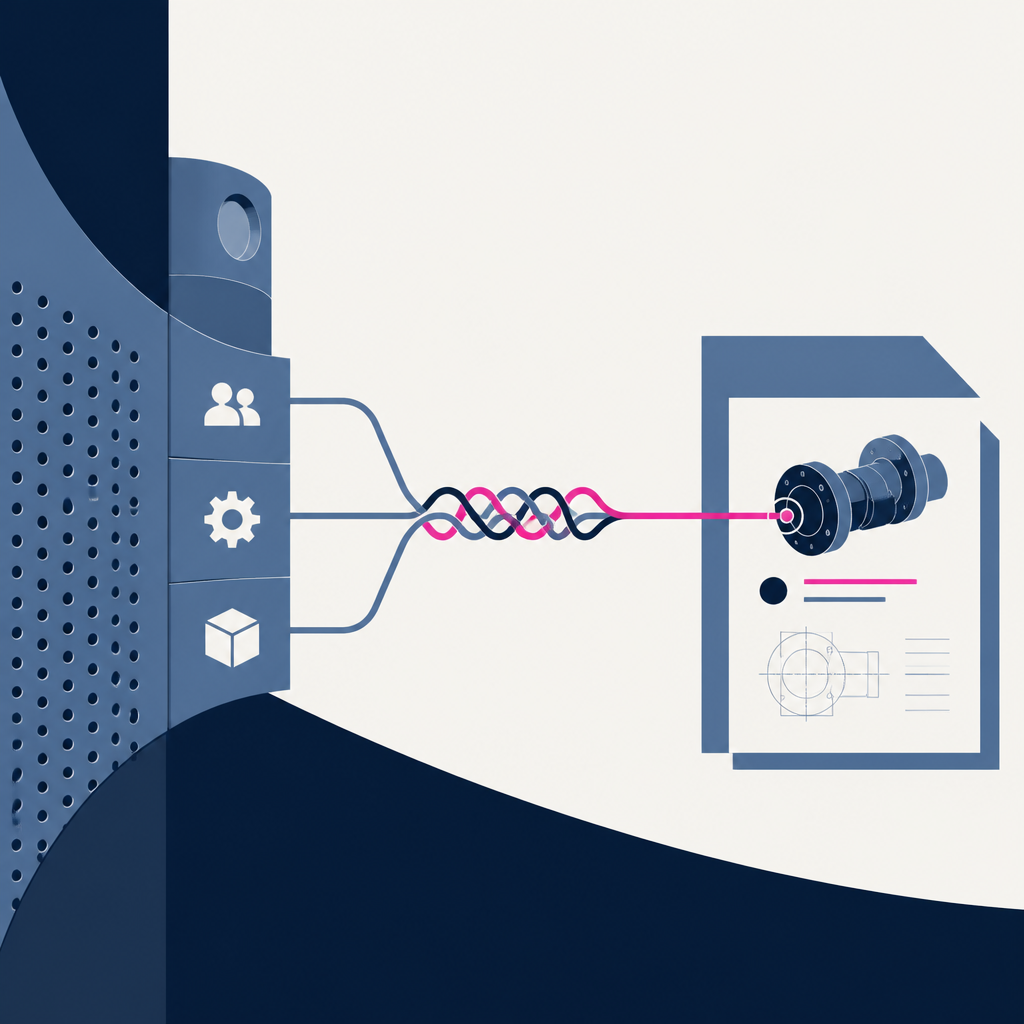
Atira, a Munich startup, raised $17.5 million to automate industrial bid creation by having AI agents generate documentation, configurations, and pricing from customer requests. The funding includes a $15 million seed round led by Accel plus a $2.5 million pre-seed. The startup’s platform is already in full production with about 15 customers, and the new cash will mostly fund engineering and its first non-founder commercial hires.
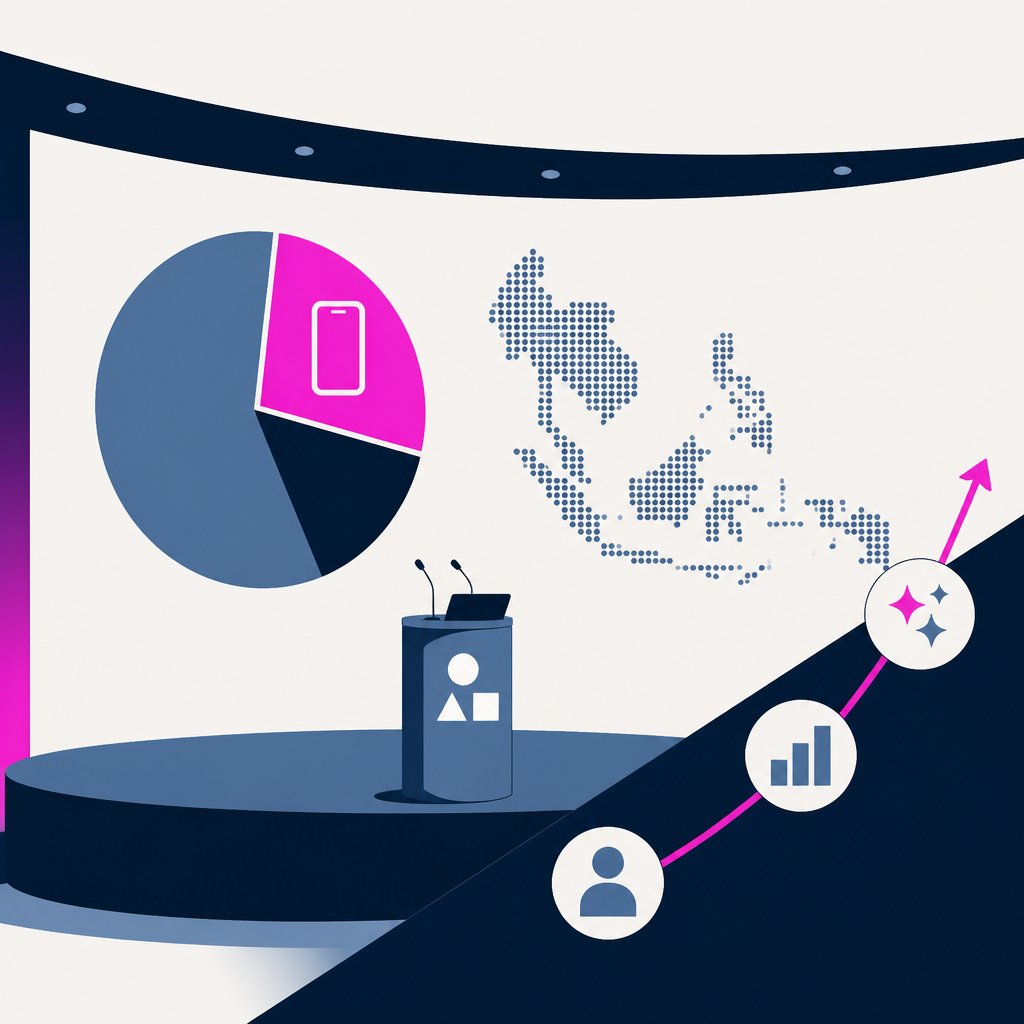
Canva reported large-scale adoption of its productivity tools and described expanding mobile usage in Southeast Asia. In Southeast Asia, more than half of presentations start on a phone, rising to three in five in the Philippines. Canva is using this to drive a more mobile-first productivity and AI rollout while cutting its revenue growth forecast to 20% as AI service costs rise.
Neuralk CEO Alexandre Pasquiou said language models work well as an interface, but structured business prediction needs models trained directly on data patterns rather than just summarized outputs.
Amazon Bedrock AgentCore reference implementations were published to close the gap between AI-driven development lifecycle concepts and working code, using agents such as Kiro. The SQL-to-ER-diagram sample uses AWS Lambda triggered by Amazon S3 uploads and generates Mermaid diagrams with AgentCore memory set to a 90-day expiry. Teams can now run schema-to-diagram automation and multi-agent secure handoff code scanning end-to-end with human-in-the-loop review through the provided deployment instructions.
Amazon Quick integrates with Microsoft Outlook by using Microsoft Graph API and OAuth 2.0 authorization to connect email and calendar access. The setup specifies that AI-assisted email automation uses OAuth 2.0 so Quick can act without storing Outlook passwords. After integration, users can summarize long email threads, draft contextual replies, schedule meetings, and trigger automated workflows using Quick chat agents, Quick Flows, and Quick Automate.
OpenAI Codex for enterprise coding agents is being deployed with a customer-operated LiteLLM gateway on Amazon ECS to centralize control over generative-code model access and usage. The validated walkthrough targets the us-east-1 region and uses an example gateway alias openai.gpt-5.5 mapped to bedrock_mantle/openai.gpt-5.5. Codex request traffic is routed from developers’ workstations through the ECS-hosted LiteLLM gateway to Amazon Bedrock, enabling enforced model routing, budgets, rate limits, and gateway telemetry while keeping tool execution local.
Amazon Quick Automate coordinates multi-agent enterprise automations across systems, UI/API actions, and third-party apps, and the article lays out design best practices for deploying these agentic workflows reliably. It highlights that Quick Automate charges by agent hour, not by tokens, influencing how teams should use deterministic steps to shorten execution time. As a result, teams are urged to start from process understanding and measurable success targets, break work into focused agents with bounded tools and structured outputs, add deterministic logic and human-in-the-loop only where needed, and run ongoing evaluation and observation to maintain trust.
Amazon Cognito authentication was wired into a React embedding workflow so each user can view only Amazon Quick Sight visuals they’re permitted to see. The Lambda function generates time-scoped embed URLs with a 600-minute session lifetime. The setup provisions Quick Sight users automatically on first login and scopes embeds to a specific DashboardId, SheetId, and VisualId with optional dashboard permissions and row-level security.
CrowdStrike announced an Agentic Identity Provider designed to establish what AI agents are before deciding what they can access, rather than treating agents like human users. The company framed the need around a ratio of roughly 90 AI agents for every human employee. This adds a new identity layer ahead of its Continuous Identity authorization system, moving agent authentication/identity definition to a purpose-built workflow using agent-specific identity instead of service accounts and API keys.
Flock trained police on using its surveillance technology and police databases to monitor No Kings protests and other events through “real time crime centers.”More than 4,800 cities run FlockOS software. As a result, law enforcement can coordinate always-on, dashboard-based video, ALPR, and related data—including AI-powered searches that link multiple databases—to track incidents and everyday public gatherings with reduced need for officers on the ground.
Atira raised seed funding to expand its AI orchestration platform for automating industrial sales engineering. The company disclosed a $17.5 million total round ($15 million seed plus a $2.5 million pre-seed) and is building tooling that connects CRM, ERP, and CPQ to generate tailored technical documentation, configurations, and pricing. The funding will be used to grow its go-to-market team, speed product development, expand internationally, and extend the platform into adjacent workflows like pricing intelligence, aftersales, and supplier coordination.
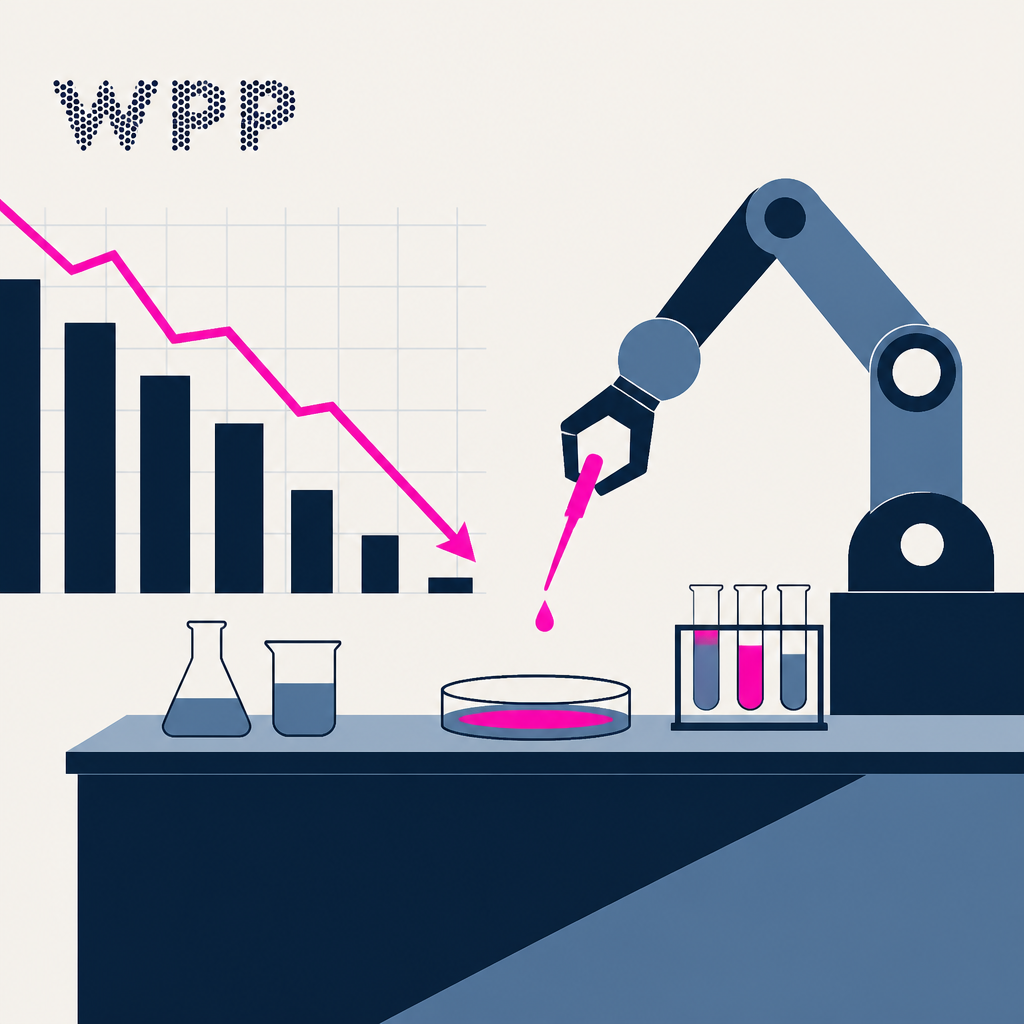
WPP’s slide from FTSE 100 membership and sharp market-value and staffing decline is used to argue that the traditional advertising-agency business model is being undermined by how AI changes pricing and incentives.
OpenAI introduced Daybreak for Frontline Defenders to expand access to frontier cyber AI for essential services. It commits $1 billion. This increases training and ongoing support availability for those services.
askpolly, formerly Advanced Symbolics Inc., closed a $3 million seed round to expand its platform that turns social media chatter into statistically valid market research. The funding supports growth after the company said it will generate results within a matter of minutes using its Copilot-certified AI agent. It shifts market research from surveys taking weeks to an AI-assisted workflow that filters for real people and supports follow-up questions, with claimed usage by 200+ companies.
Legora used GPT-6 Astra to review 41 documents in a financial-review workflow. It found all four planted errors. The workflow performance improved by nearly 40%.
siift launched as project management software meant to organize business work by linking strategy, evidence, decisions, and results in one place. The page says it has 46 followers. It changes how teams manage projects by using AI to map evolving business context and prompt challenges, risks, and next-step focus.
Souk, a London-based startup founded by former Deel, GitHub, and BlackRock employees, raised investment to build an AI agent aimed at B2B partnerships. The round totals $1.6 million, led by Sure Valley Ventures with Antler and Fuel Ventures also participating. The funding is set to move the startup from early work toward developing and deploying its AI agent product.
Factorial acquired the Berlin AI startup Empion and brought its team and leadership into Factorial’s German operations. The acquisition was valued alongside Factorial’s recent Series D at $2.5 billion, but the purchase price for Empion was not disclosed. Over time, Empion’s AI talent-assessment technology will be fully folded into the Factorial platform, with existing Empion customers seeing no immediate contract changes.
WeatherNext 3 launched today with an AI weather forecasting model updated to use real-time satellite data and hourly refreshes. It refreshes hourly and adds higher-resolution, more precise precipitation forecasting plus clean energy variables. As a result, the model is integrated across Search, Gemini, Maps, Google Maps Platform, and Cloud.
Zeit AI, a Munich startup by two ex-Palantir employees, raised a €5 million seed round for its AI data analyst product, ZeitMind. The round closed with backing that included Y Combinator, Oxford Seed Fund, Sequoia Capital Scout Fund, ACE Ventures, and HPVC. The funding expands staffing to 12 employees and supports plans to open a London office next year.
Wonderful raised a $550 million Series C to build an enterprise “AI operating system” spanning AI agents, workflows, and governance. The round valued the company at $5 billion. With the funding, Insight Partners plans to help Wonderful triple its Israel development centre while the rest supports product development and expanding deployment teams globally, as it continues expanding its multi-market customer-service rollout.
Souk raised $1.6 million in pre-seed funding to build an AI-powered partner management platform aimed at reactivating inactive B2B partner relationships. The round totals $1.6M and is led by Sure Valley Ventures, with participation from Antler and other investors. The company will use the money entirely for product development of Coco, its autonomous AI agent for partner sourcing, engagement, monitoring, and payouts.
Chalked prepares a draft reply on macOS by using the thread on screen, your live calendar, and sourced facts you have already accepted. It offers Zendesk for Startups with up to 2 years free plus AI Agents and Copilot. As a result, users can insert, revise, and send a suggested message instead of writing the reply from scratch.
Backbone raised €4 million in pre-seed funding to develop its AI-powered food quality and compliance platform and expand commercially. The round totals €4 million and was led by Pitchdrive with participation from PROfounders Capital, Passion Capital, 100IN, and Belgian food industry investors. The platform will be extended with AI agents that automate quality management tasks like tracking supplier certificates and checking lab or incoming documents, plus a centralized dashboard for tracking gaps and incidents.
Snitch is launched as a Slack app that asks users one question about who they report to and uses the answers to create an org chart. The page states it has 51 followers. As a result, Slack users can query reporting chains, team sizes, and ownership without using an HR system.
Every AI story that matters,
in your inbox by 8am.
TLDRocket reads all relevant sources, removes duplicate coverage, and summarises the
day in two minutes. Follow companies and topics for alerts, or get the
briefing in Slack. Free, no spam, unsubscribe anytime.
Reading TLDRocket needs no cookies, and the readership counts we rely on come from
our own cookieless analytics. Google Analytics is the exception: it sets cookies and
reports to Google, so it stays switched off until you allow it. You can change your
mind any time from “Cookie settings” in the footer.
Strictly necessary
Session security and form protection (tldrocket-session,
XSRF-TOKEN, 2 hours). The site cannot work without them,
so they need no consent.
Always on
Google Analytics 4 (_ga,
_ga_<id>, up to 2 years). Measures which
stories and sections readers use. Google acts as a third-party processor and may
store the data outside the EU. No advertising, no profiling, no data sold.