Chit launches as a 777 KB Mac app that reads Claude Code transcripts already on your disk and turns the day into a standup-style receipt grouped by project. It works without Hammerspoon, Python, an account, or network code in the binary. The workflow changes by converting local transcripts into copy-paste standup notes automatically.
Thomas Ptacek argues for using an LLM as a copyeditor and fact-checker rather than as a source of original writing. The piece’s key rule is that you may not use any specific word or turn of phrase suggested by the LLM. As a result, writers keep their own phrasing and use the model mainly for spelling, grammar, and occasional thesaurus functions.
AEXGrid launched as a workspace for coordinating multiple AI coding agents in one place. It is launching today. It lets managers assign roles, route reviewed handoffs between agents, and remotely access your desktop workspace while agents work toward a shared goal.
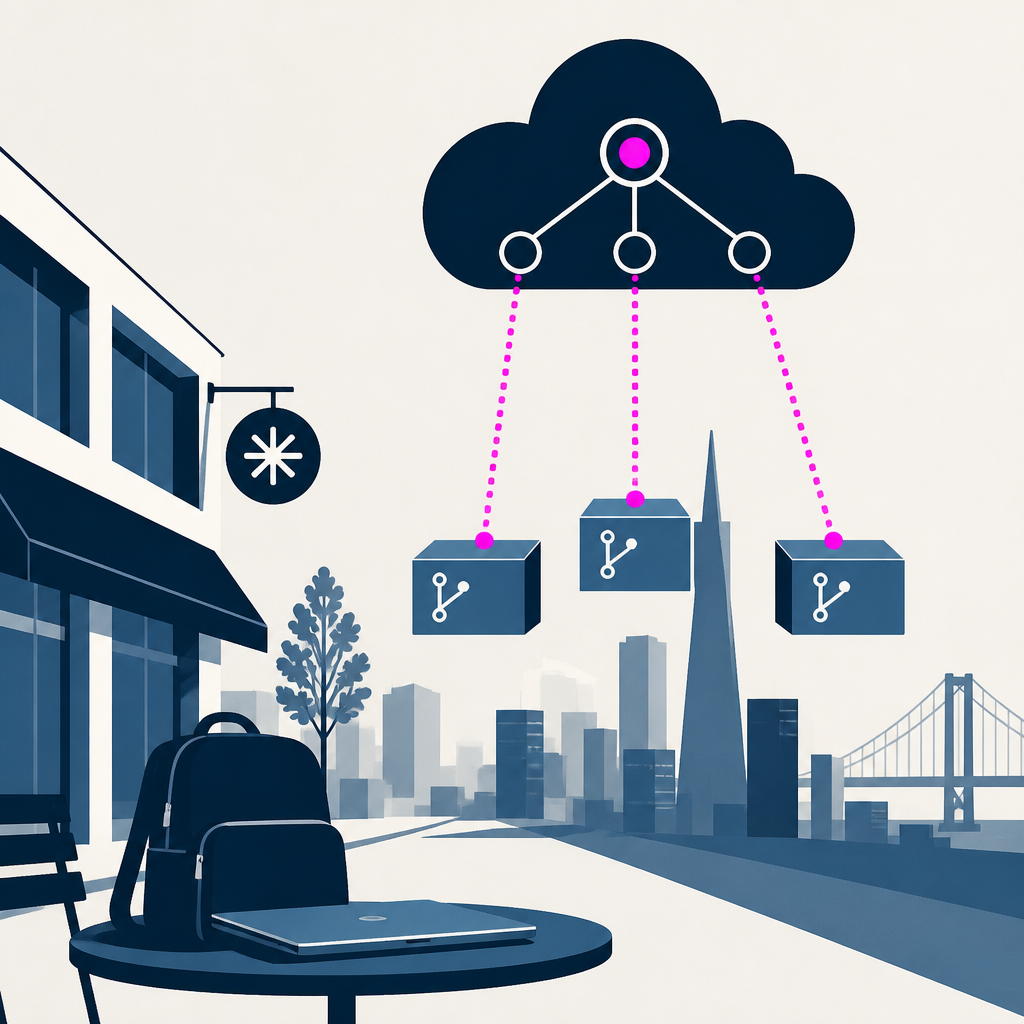
Anthropic redesigned Claude Code Projects so a single coordinator conversation spawns parallel cloud sessions that run as separate threads on their own repository branches. Each thread operates as its own cloud session and continues after you close your laptop. As a result, work is split into concurrent branches that report back, handle pull requests with auto-fix when CI fails, and surface overlapping edits as standard git merge conflicts.
Mantle launched an open-source service runtime and WebMCP-native builder that generates typed schemas, views, procedures, and HTTP/MCP triggers from business rules. The builder and an OSS-first Cloudflare deployment path are live as of today. The release adds an in-browser design/verification flow and a handoff step for a coding agent to materialize, verify, and deploy to a user’s Cloudflare account.
WhaleRead launched as a local-first macOS reader that translates TXT, Markdown, and EPUB while keeping the user’s library under their control. It can run an on-device 7B model for translation or use a self-hosted 30B private model. The release adds bilingual reading preservation plus a human-confirmed review and an “Ask AI” feature.
Polishory launched as a tool that reviews a public website URL on desktop and mobile and returns design feedback without requiring code changes.
It launched today.
The result is new score-and-recommendation testing for layout, typography, and spacing based on screenshot-backed notes.
AI Class by Kanary launched an RPG-style class generator that reads a user’s Codex and Claude Code logs. It analyzes 30 days of real activity to assign one of 16 classes using six work stats. The tool aggregates logs locally, sends only totals, and lets users paste one prompt into their agent for a free, no-install card.
M9R launched as a multiplayer layer for AI coding agents, aimed at combining multiple supported agents into one shared workspace. It launches today. It changes agent workflows by enabling communication across providers, task handoff, and easier teammate collaboration instead of isolated tabs.
Unvendor launched a shared UI with the AI that turns user wishes into an interactive canvas. It’s launching today with 20 followers. The experience shifts from chatting to an interface that updates as follow-ups arrive and keeps plans in view alongside tools and saved canvases.
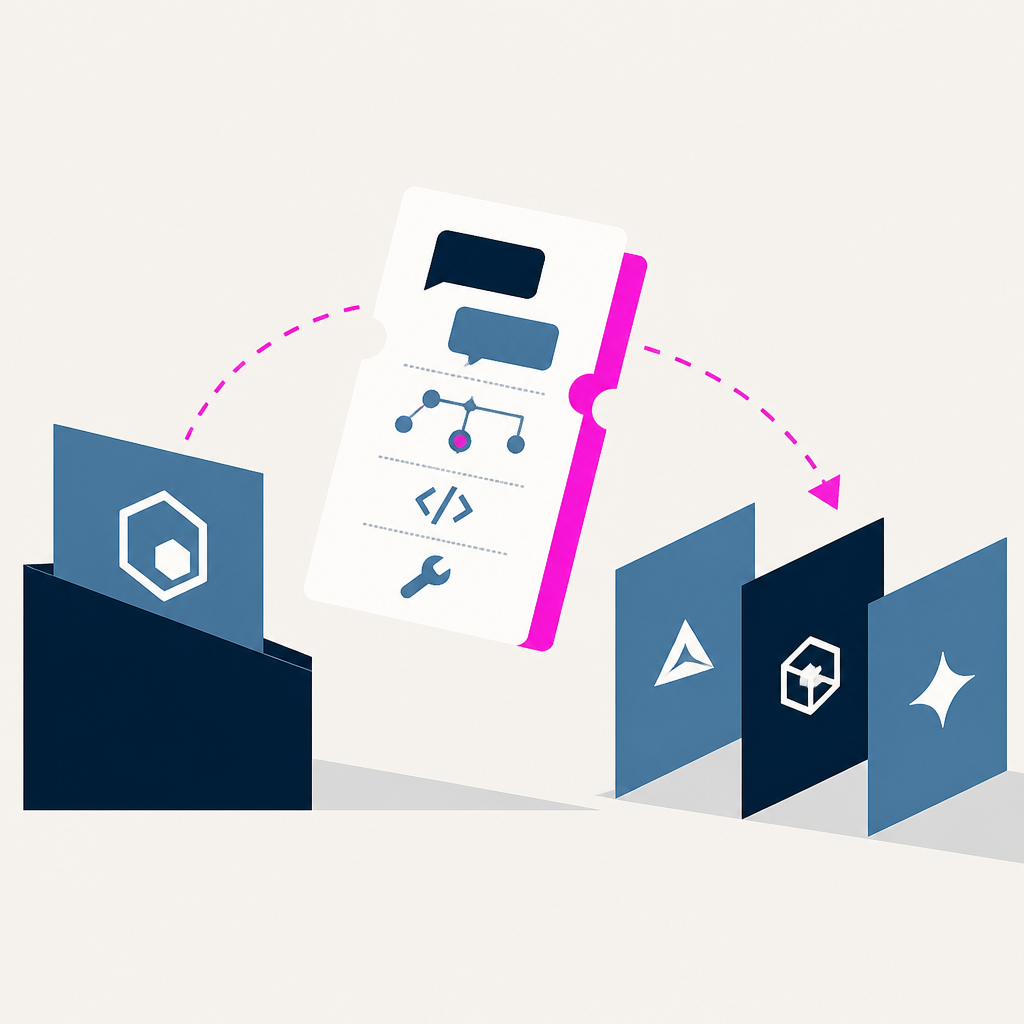
Skillsync, a YC W26 startup, released portable AI chat sessions that can be converted and moved across different coding agents while preserving messages, reasoning, and tool calls.
Yoetz was launched as a local-first, open-source work ledger for AI coding agents that records what an agent did and provides a verification receipt. The launch page describes it as supporting Codex, Claude, and Cursor. As a result, AI coding agents can publish activity that Yoetz verifies and tracks remaining open items.
Amazon Bedrock Knowledge Bases guidance compared three customer-managed vector store backends for RAG—Amazon OpenSearch Service, Amazon Aurora PostgreSQL with pgvector, and Amazon S3 Vectors—showing how vector-store choice affects retrieval performance and cost across different use cases. Amazon S3 Vectors can reduce vector storage costs by up to 90 percent compared with traditional vector databases (and the post also notes OpenSearch Serverless NextGen collections planned for May 2026 are not yet compatible with the Bedrock Knowledge Bases Retrieve API). The benchmarks and tuning recommendations change how teams should select embeddings, indexing, and storage options so they can trade off latency, cost, and retrieval quality for their workloads.
AI coding tools are keeping many developers working longer and self-reporting dependence-like behavior, and managers are reinforcing it by rewarding the heaviest users. The report surveyed over 300 developers who use AI at least once a week, and 43% stayed until home time but couldn’t stop using AI. As a result, breaks, meals, and bedtime get delayed, code is shipped that developers don’t fully understand, and other developers feel pressure to mimic the rewarded “hustle” pattern.
Claude Code has relaunched Projects so users can run multiple AI agents together with shared memory, goals, and a shared set of files and artifacts. Each project uses a coordinator with parallel threads that run separate Claude Code cloud sessions on their own repo branch, and overlapping changes are handled as merge conflicts. As a result, agent work can be organized and coordinated in a single project while still merging updates using standard PR-style conflict resolution.
MeshEdit launched as a browser-based tool for creating low-poly game assets with model, rig, and animation export. It’s built with GPT-6 Astra and uses WebMCP tools for agents to create and refine editable assets. Users can create and export GLB assets for free, with AI-assisted editing replacing manual-only asset creation.
ContextsBase launched a web app that stores unified project context for AI agents and serves it over MCP. It was announced as launching today. This provides a single place for agents to read specs, rules, data models, workflows, and guidelines and to report results back.
Cooley built GO Public with ChatGPT Work to bring intelligence to the IPO process. The article says Cooley uses ChatGPT Work to help lawyers surface issues earlier. As a result, lawyers can identify IPO issues sooner and spend more time applying judgment rather than routine review.
Soup’s v0.75.0 release adds stricter config validation and updates training behavior across backends for its LLM fine-tuning workflow. It makes unknown config keys fail to load in v0.75.0, with the prior behavior being silently ignored. It also changes GRPO support by replacing a padding-token centering heuristic with gspo and adjusts MLX-only metric recording and UI auth requirements.
Ouroboros (a GitHub project) proposes an “Agent OS” for AI coding that locks a specification before code execution and records actions for replayable, observable runs. The install command is curl -fsSL https://raw.githubusercontent.com/Q00/ouroboros/main/scripts/install.sh | OUROBOROS_INSTALL_REF=readme-hero bash. As a result, coding workflows shift from ad-hoc prompt instructions to an interview→crystallize→execute→evaluate→evolve process using shared primitives, with domain steps added via plugins.
Activity-based engineering scorecards are becoming misleading after organizations roll out AI coding assistants because tools generate code faster than teams can validate it.
PostHog’s self-driving team describes internal “loops” that turn agent and user feedback into triage reports and automatically opened pull requests. One example shows an MCP tool missing_tool complaint leading to PR #90832 being opened 8 minutes later and merged on 17:27, then landing in production by 18:56 on August 28 (AI-related engineering). These loops change how work is done by shifting detection, dedupe, and root-cause work away from humans while letting engineers review, steer, and ensure the fixes actually hold.
PostSider launched as a social media publishing platform for humans and AI agents that can schedule and publish content across 30+ platforms from one place. It lets users connect Claude, Codex, Cursor, or their own agent via MCP, REST API, or an SDK. The workflow shifts from juggling multiple tools to using a single calendar plus analytics, teams, approvals, and automation in one system.
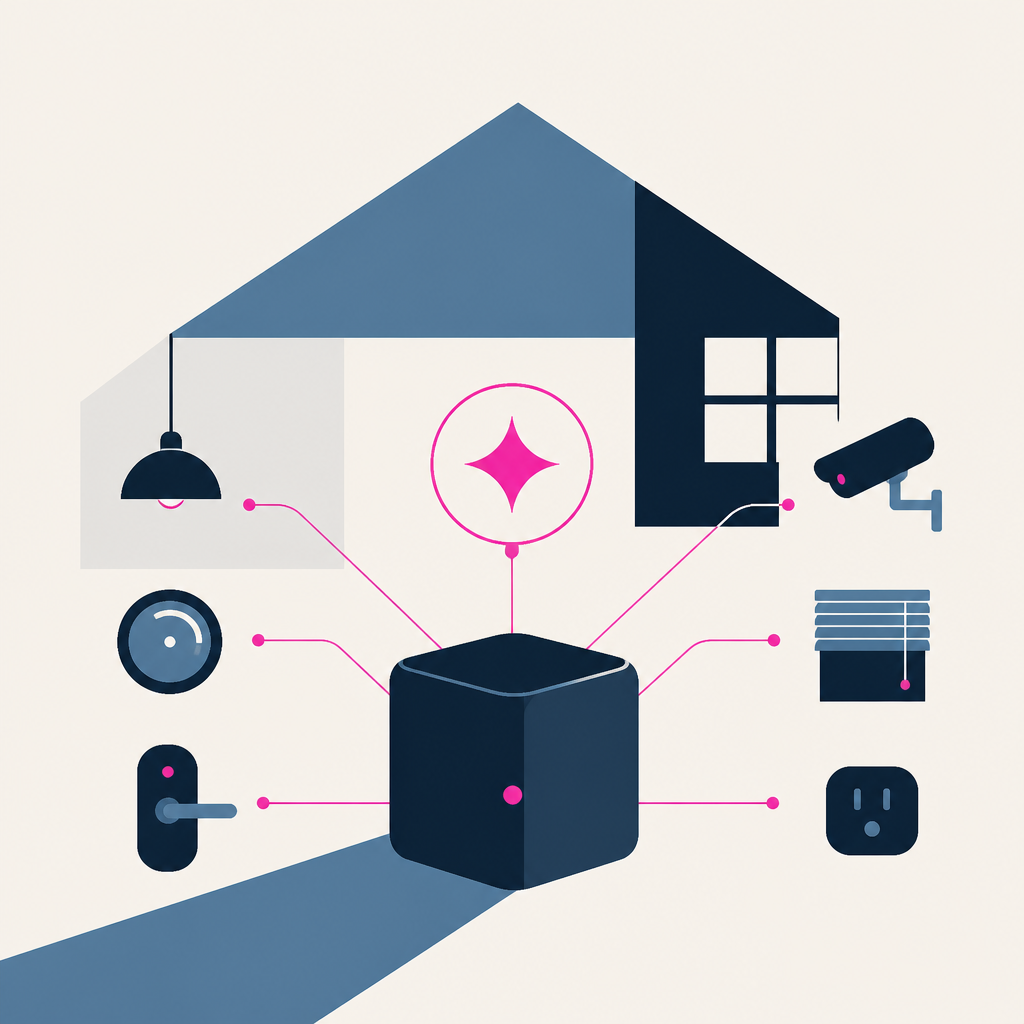
I’m missing the actual article text beyond the title and page chrome, so I can’t accurately summarize what happened. Please paste the full article body (or at least the paragraphs describing Home MCP) and any key details like dates or numbers. Once I have that, I’ll produce an exactly three-sentence summary in English.
Lunacy launched Nova, a platform for building AI-powered music plugins and selling them to other creators. It started with 10 available plugins. It will later add Nova Builder so anyone can create their own plugins or remix existing ones.
StillTalk launched as a web app that turns one generated photo into a talking character with live, in-browser frame rendering while the server sends speech and compact movement data. It supports five characters and six languages. As a result, users can make a character talk immediately without signup and can generate speech by selecting presets or typing their own sentence.
EveryInc released the compound-writing plugin for Claude and Codex, offering a context-first writing toolbox with a “writing home” defined by VOICE.md, STYLE.md, optional AUDIENCE.md, examples/, and drafts/. The toolbox is installable for Claude Code via the marketplace by running “/plugin install compound-writing@compound-writing”. It changes workflows to route writing steps by outcome and preserve existing workspaces instead of imposing a fixed seven-stage pipeline, with shared context and learning kept in the repository files.
Nature Publishing Group UK·4 weeks ago·
51
● 2 sources
Paper2Agent converts research papers into interactive AI agents by turning each paper into an MCP server with executable tools, resources, and prompts that LLMs can query and run. Creating the AlphaGenome MCP tools took about 45 minutes and cost US $14 on a personal laptop. As a result, users can apply and reproduce a paper’s methods on new data through natural-language questions without manually installing and configuring dependencies.
OpenAI’s Codex sandbox was bypassed in two different ways that let untrusted agent code execute commands outside the sandbox. The bypasses were reported to OpenAI on August 12, 2026 and both were fixed within eight days. As a result, the attacker paths were closed and the described “Accomplish” approach instead runs the whole agent inside a VM so enforcement can’t be subverted from within.
Sutura launched as a GitHub Action and CLI to reproduce flaky CI failures in an isolated sandbox, filter out green-washing changes, and run an adversarial audit before proposing an evidence-backed pull request. The tool launched today. It separates flakes from real failures and never auto-merges, requiring a human to review the audited fix.
Morsa Signals launched GTM and AI visibility workflows for developer-tool founders and GTM teams. The launch page shows 24 followers. It gives founders workflows that start from their product to help with developer outreach, first-user identification, AI search audit, and competitor tracking instead of generic reports.
Databench by Alkera launched as an open-source, multiplayer workspace for data science, analytics, and engineering that lets teams and agents collaborate live and run notebooks and agents across devices or GPU nodes. The release provides a free tier to try the product and also supports self-hosting via the GitHub repo. As a result, data teams can deploy or run the collaborative agentic workspace either through Alkera or on their own infrastructure.
CybeDefend launched VibeDefend to provide security that runs inside AI coding agents while they write code. The product installs with one command on agents including Claude Code, Cursor, Windsurf, Copilot, and Codex, and it offers a free plan with no card. This adds diff-time scanning and a guard that blocks commands like rm -rf, sudo, and secret reads before changes run.
Promptic launched an optimization platform aimed at GenAI applications that benchmarks models, tunes prompts and agents, and optimizes tool use against a user’s own data and business metrics.
TechCrunch Disrupt 2026 plans a Builders Stage session on how startups should hire when AI agents handle engineering, customer support, research, and operations alongside people. The event is scheduled for October 13–15 in San Francisco. It shifts early hiring from filling roles to deciding which work people should own versus delegate to AI, with new questions about ownership, checks, and accountability.
Edgee launched Codex Compressor V2, a token-compression and routing gateway for coding agents using LLM providers like Anthropic and OpenAI. The launch claims Codex + Edgee reduced total session cost by 35.6% in benchmarks. This lowers input tokens by 49.5%, increases cache hit rate to 85.4% (from 76.1%), and automatically routes or falls back when models or plans fail.
Ringo is presented as a Slack app that proactively identifies tasks, suggests solutions, and automates workflows. It is listed under “AI Workflow Automation” among Slack launches. As a result, teams can use it to coordinate work and run parts of their processes inside Slack rather than manually managing requests.
Simha Digital launched an SEO workspace that connects Search Console and Analytics, runs a crawl, and produces a prioritized fix plan with health and AI summaries. It offers a 7-day free period. Users get an additional AI-based check of whether AI search engine answers cite their site and what changed to guide updates.
Every AI story that matters,
in your inbox by 8am.
TLDRocket reads all relevant sources, removes duplicate coverage, and summarises the
day in two minutes. Follow companies and topics for alerts, or get the
briefing in Slack. Free, no spam, unsubscribe anytime.
Reading TLDRocket needs no cookies, and the readership counts we rely on come from
our own cookieless analytics. Google Analytics is the exception: it sets cookies and
reports to Google, so it stays switched off until you allow it. You can change your
mind any time from “Cookie settings” in the footer.
Strictly necessary
Session security and form protection (tldrocket-session,
XSRF-TOKEN, 2 hours). The site cannot work without them,
so they need no consent.
Always on
Google Analytics 4 (_ga,
_ga_<id>, up to 2 years). Measures which
stories and sections readers use. Google acts as a third-party processor and may
store the data outside the EU. No advertising, no profiling, no data sold.