Study: Developers are addicted to AI, and managers are making it worse
The New Stack Steve Fenton ● Covered by 3 sources
Developers say AI tools are pulling them in like a habit, and managers are rewarding the heaviest users. That’s pushing tired people to ship code they don’t fully understand.
Based on reporting by The New Stack, Steve Fenton — read the original for the full story.
Summary, retelling and take written by AI under human oversight; images are AI-generated illustrations. How we work · Report an error
AI coding tools are starting to look less like helpers and more like a reward loop. That’s the blunt read from The New Stack’s look at the AI Coding Addiction Report, which draws on more than 300 survey responses from developers who use AI at least once a week, across different seniority levels and tools.
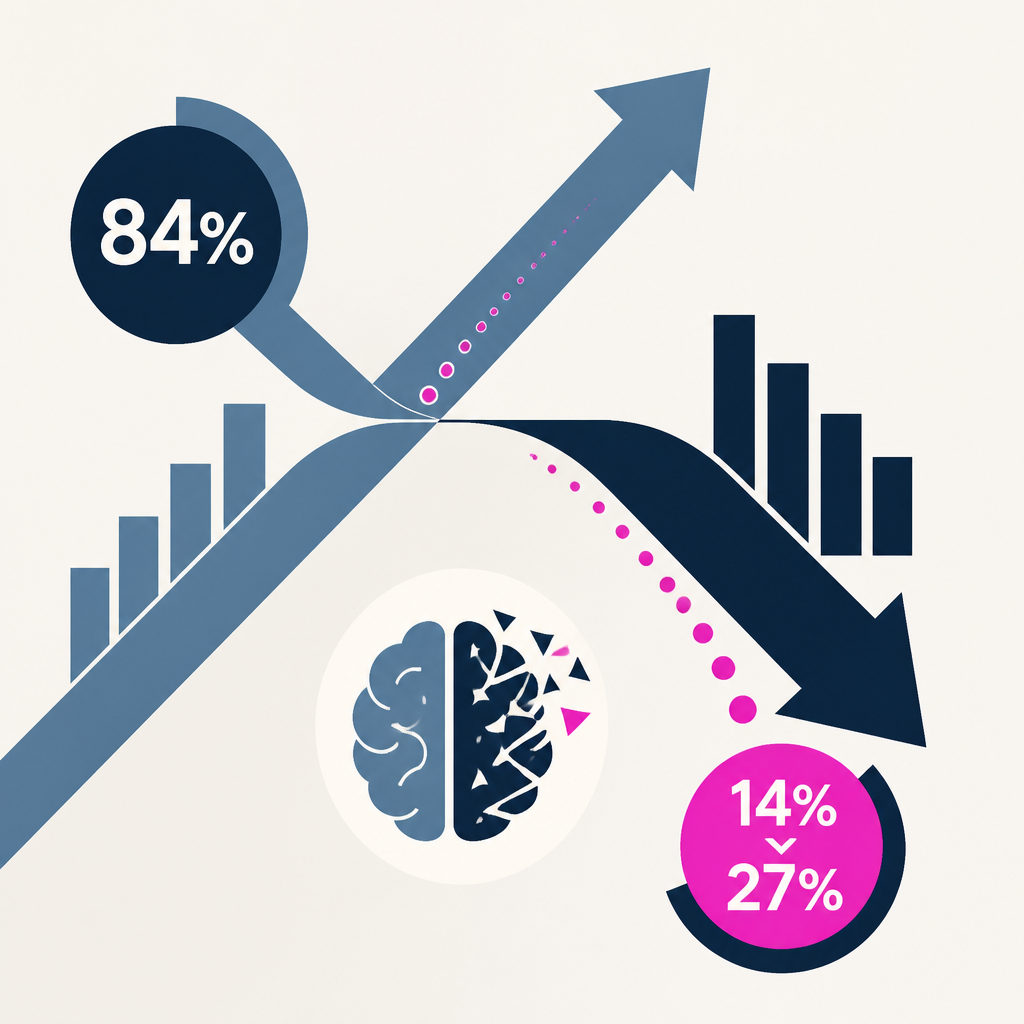
The report leans on a familiar behaviorism idea: if a system keeps handing out small rewards, people keep pressing the button. In this case, the “button” is the code assistant. Forty-three percent of developers said they hit the end of the workday but still can’t pull away from the process. And 80% described their relationship with AI as more like dependence than advantage.
The spillover into normal life is the ugly part. Developers reported skipping or delaying breaks, meals, and bedtime. The report also suggests that the tool itself may matter. Codex had the highest after-hours coding rate at 62%, ahead of Gemini at 45%, Claude Code at 40%, and GitHub Copilot at 36%.
Then comes the management problem. The heaviest AI users were more likely to receive raises and promotions, even though 71% of developers said they shipped code they did not fully understand. That creates a straightforward incentive: act like the most frantic person in the room, and the rewards may follow. Everyone else gets the message.
The report’s larger complaint is that software value comes from good decisions, not from the sheer volume of code or hours spent staring at a screen. If organizations keep rewarding the most relentless AI use, they may end up with exhausted developers making important calls on too little sleep. That’s not productivity. That’s a very expensive way to make people worse at their jobs.
My take — AI-written commentary, not fact-checked reporting
This is the usual corporate trick: turn a tool into a leaderboard, then act shocked when people start gaming the leaderboard. If managers reward the most AI-soaked output, they’re not measuring skill, they’re rewarding obedience to a slot machine. The industry keeps calling this productivity because “we taught people to stop thinking” sounds bad in a slide deck.
Read more about this at: The New Stack