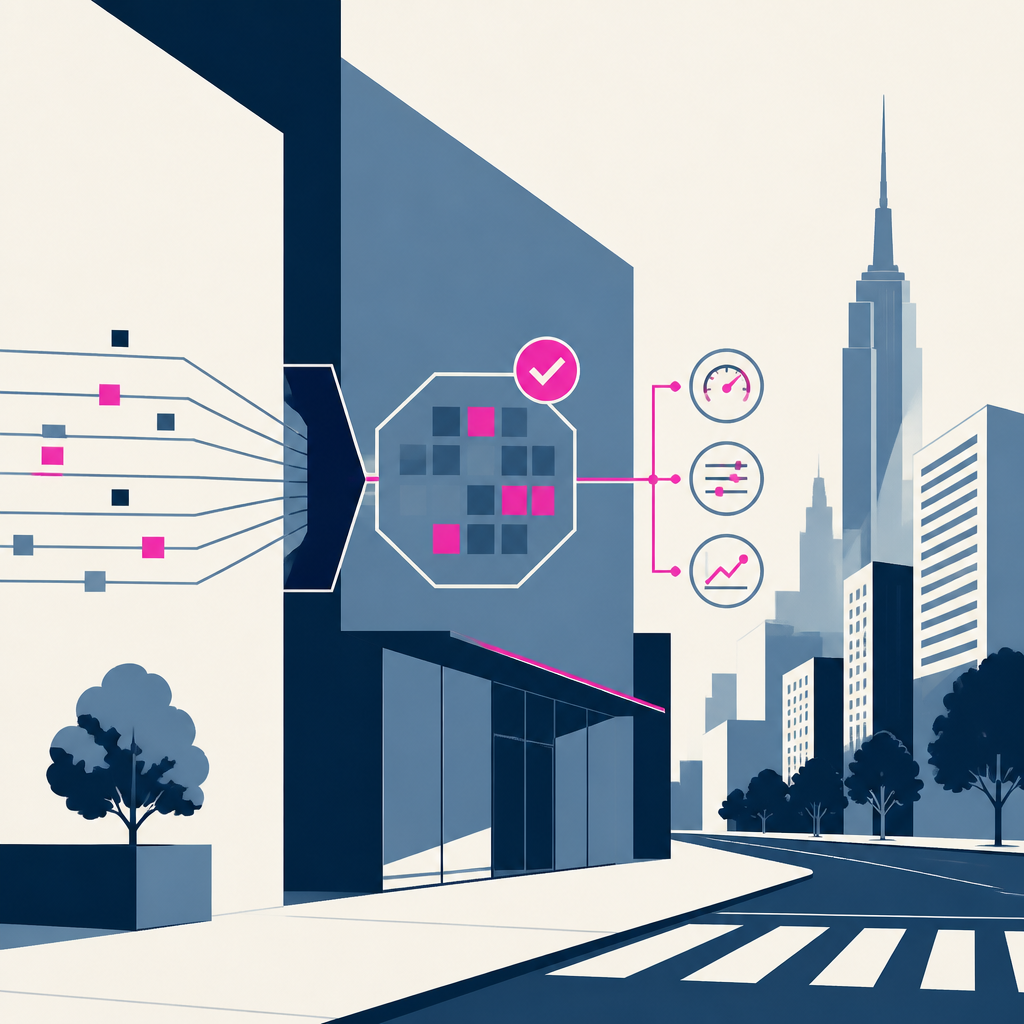
Knocket launched a website script that shows a chat bubble so visitors can message the maker without creating an account. The service is free and went live today. Messages route to Telegram, email visitors when you’re away, and use an AI agent to answer from the maker’s docs before handing off to the maker when needed.
Firecrawl announced it closed a $75 million funding round for its AI-focused web scraping platform. The Series B round was led by Los Angeles venture firm Smash Ventures. The funding will be used to enhance its new Alexandria cloud service by adding more third-party data providers and launching a self-service licensing system soon.
jev-seo launched a free Rust CLI that audits websites for SEO/GEO checks like crawling, meta tags, schema validation, robots, and sitemaps. Semrush and Ahrefs charge $130+/month for similar mostly deterministic work. It removes subscriptions and paid API keys for core auditing, while optional Jev-powered semantic scoring and an MCP server require a free API key.
LaterOn.email launched LaterOn v2, a comprehensive email platform with agentic workflows for sending and receiving emails. It is launching today. The update adds an agent that monitors relevant messages, drafts context-aware replies, follows up on non-responses, and closes threads when goals are met.
GPT-6 improves how prompt caching works with features aimed at raising cache hit rates and adding diagnostics, breakpoints, and controls.
It targets higher cache hit rates and reduces prompt latency and costs.
This changes prompt processing by making caching more effective and more observable, which should cut repeated prompt overhead.
Kaiku is launching as project management software for teams running work through AI agents, including an AI-focused task tracker and wiki. It includes built-in MCP servers for Claude Code and Cursor. It changes how agent-driven work is managed by letting agents use existing tracker APIs and by recording each agent run’s cost on the issue.
llm released version 0.36 with new OpenAI models and related tooling changes. The update adds two new models, gpt-6-sol and gpt-6-luna. Plugin authors can mark models as not supporting conversations, which makes llm raise llm.ConversationNotSupported and prevents chat sessions when conversation history is provided.
JetBrains launched JetBrains Air as an open system for agentic software development that spans its IDEs and surrounding tooling. The company says it is taking “one of the most significant steps in our 26-year history.” JetBrains Air consolidates its existing agent products—Air in IDEs, Air Teams, and Air Governance—while keeping an IDE-centered workflow for reviewing and verifying agent-generated code.
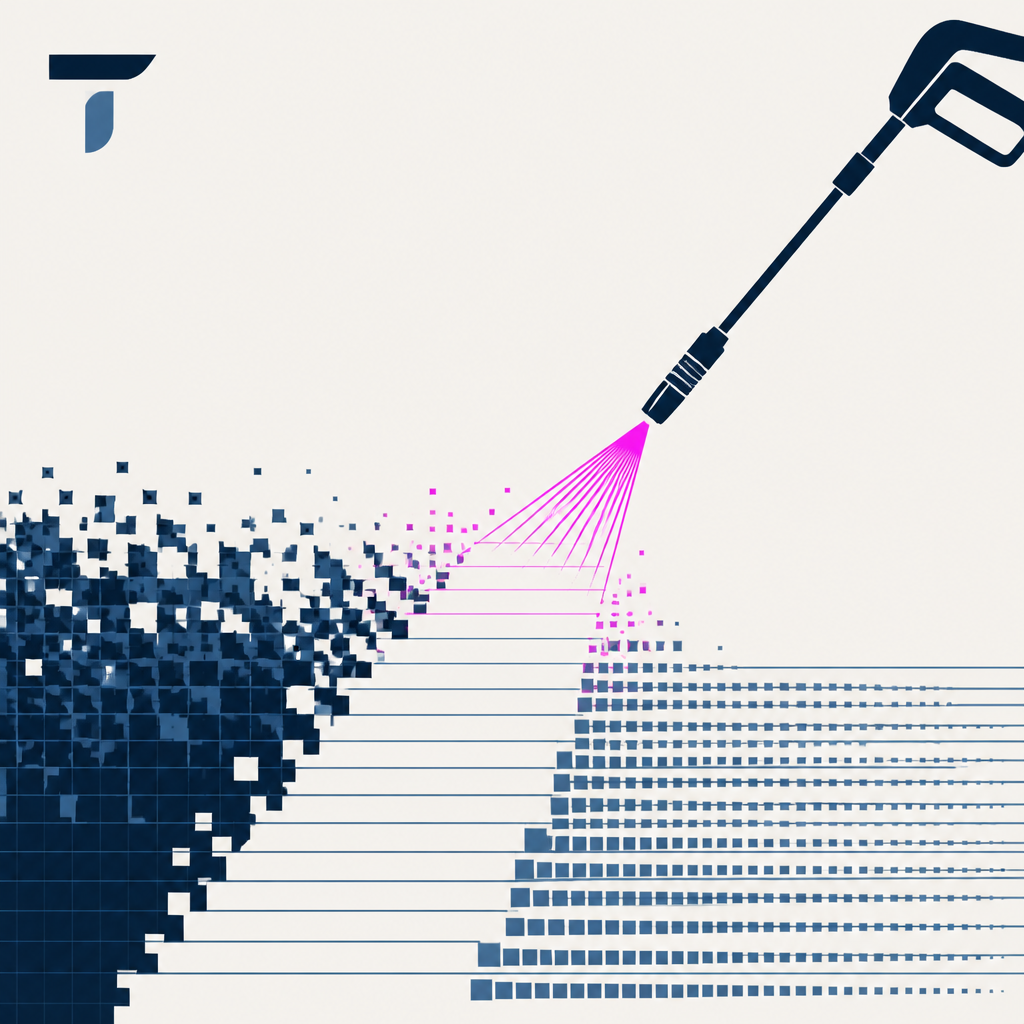
Teleport sponsored a post featuring a TikTok quote arguing that writing scripts with AI often sounds empty or unopinionated. The post points to 13 engineers who “pressure washed” a codebase with LLMs over 90 days, emphasizing quality over quantity for finding security vulnerabilities. This shifts attention from obvious AI writing tells to how style and substance (or the lack of them) affect perceived authorship and confidence.
Strands Evals SDK and Amazon Bedrock AgentCore Evaluations added skill-focused evaluators to measure whether skill-equipped agents choose the right skill and follow its prescribed steps. The Skill Instruction Following evaluator rates each invoked skill on a five-level scale and uses evidence to detect skipped steps. Teams can use the per-skill results from recorded trajectories or OpenTelemetry traces to diagnose whether failures come from routing (wrong skill) or execution (partial instruction following) and turn those checks into deployment gates for regressions.
Simon Willison’s Weblog·3 weeks ago·
25
● 19 sources
llm-typesafe 0.1a0 was released as a plugin for LLM that adds support for TypeSafe’s Jev model. It is installed with the command `llm install llm-typesafe` and then configured by setting a TypeSafe API key with `llm keys set typesafe`. Users can now submit yes/no, choice, and scoring question prompts to the `jev` model and get structured outputs of those types.
Kelam launched an AI voice agent product that gives an assistant its own phone number to dial and to receive calls. The page says it is launching today and shows 12 followers. As a result, users can install the service into Claude, Muse, a coding agent, or a terminal using one sentence.
AgreeGuard launched a free Chrome extension that summarizes website terms and conditions before a user clicks to accept them.
It provides a plain-English summary in under 15 seconds.
The change is that users can get highlighted red flags like auto-renewals, hidden fees, and data-selling risks without creating an account, using AI to do the reading.
Jev was opened up to everyone, and builders shared examples of how they use it inside tools rather than as a general LLM. Grok 4.7 is reported as performing better than GPT-5.6-Sol and Opus 5 on benchmarks, but needing more tokens and losing cost efficiency. Claude Code reorganized projects into a single master chat in beta and will add AGENTS.md support via Claude Mods, while Speechmatics released an STT model with 25% lower cost than Deepgram Flux.
Andreessen Horowitz is launching the Horowitz Andreessen Academy as a startup pipeline for young people, with classes and company “co-ops.” It launched with 10 partner companies and $42 million in funding. The academy offers short classes and work placements instead of degrees or accreditation.
UNA Watch commercialised its modular, repairable sports GPS watch, shifting from crowdfunding to full shipping across 32 countries and aiming to challenge Apple and Garmin’s sealed-device model. The watch is priced at £179 in the UK. UNA is enabling battery and display swaps and publishing open hardware and an open software platform with an SDK so owners and third parties can build apps, aided by AI-assisted coding tools described in the article.
Kantata unveiled Agent Studio, a tool that lets services firms build custom AI agents by describing the job in plain language instead of writing code. Agent Studio is available now and is in use by customers. It shifts agent creation to conversation-based builds within Kantata’s platform, with standard formats and governance applied once to reduce repeated prompt drafting and reformatting.
Gortex (a GitHub repo) shipped a local, no-dependency system that parses 257 languages into an in-process provenance graph and exposes it to coding agents via MCP, a CLI, and an HTTP/Web UI. It reports $168.69 in cost avoided (claude-opus-4) across 1,878 calls, saving 11,246,094 tokens against naive file reads. Developers can now use graph-based symbol lookups, call-chain and blast-radius queries, and AI-assisted PR review through the connected agents instead of repeatedly re-reading source files.
The article argues that even with agentic programming and LLMs making frontend coding feel less important, the question of whether web frameworks still matter remains unresolved and worth rethinking. It notes the author has worked on open source frameworks for 3 years to investigate this issue. It concludes that frameworks still add value by providing abstractions, structure, and constraints that help developers and agents produce maintainable, secure results, rather than making framework choice irrelevant.
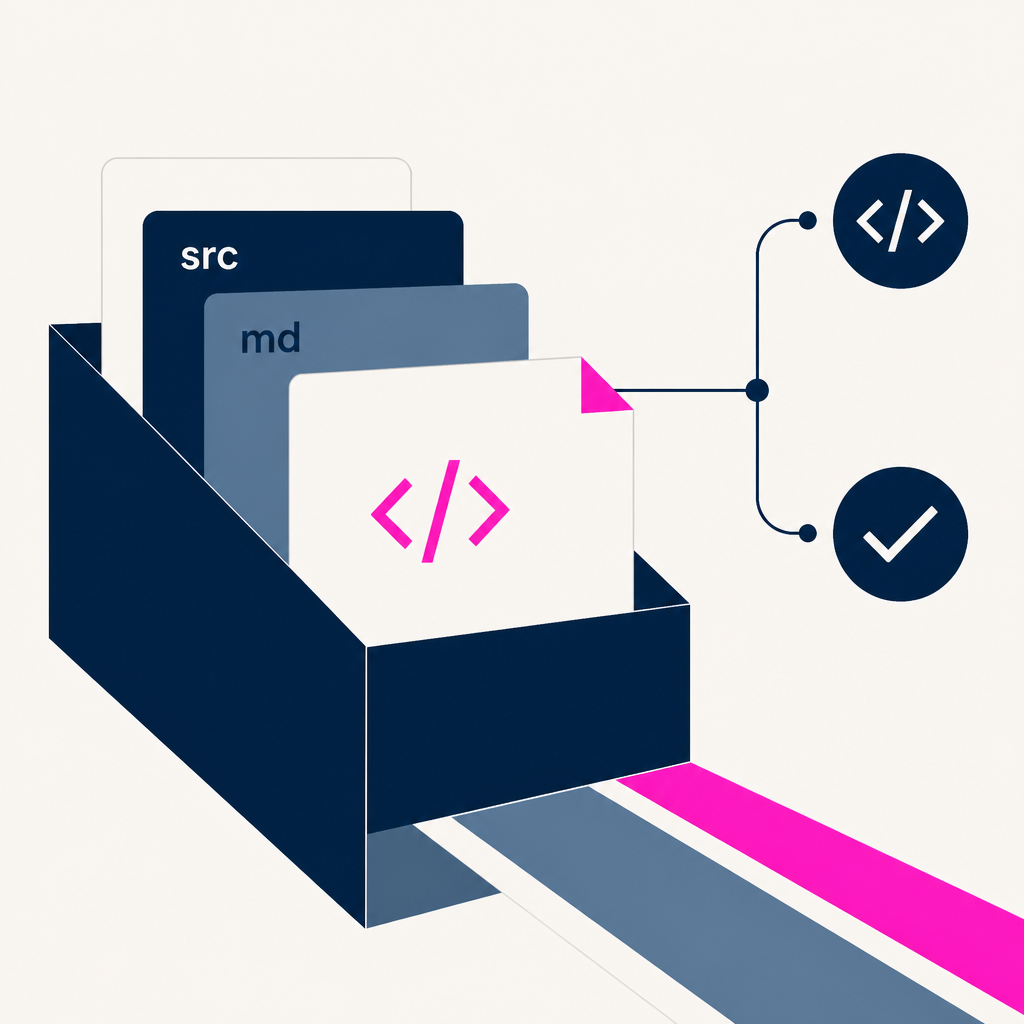
Carson Gross argues that agentic coding workflows should treat Markdown as source code by checking Markdown into /src alongside the code it describes, so it becomes the main basis for derived code and tests. He proposes a specific path change: creating a new /src/md directory to store curated, lower-level specifications instead of relying on ephemeral prompt sessions. This shifts teams from generating code/tests from prompts to maintaining and updating Markdown as a shared intent layer that humans and agents can both read in-repo.
Linear’s team redesigned its CI to remove bottlenecks created by faster AI-assisted code shipping, by optimizing runner time and PR wait time. Pull request wait time dropped from more than 6 minutes to just over 5, despite test suites nearly quadrupling since the start of the year. CI became faster and more efficient through changes to infrastructure, checkout, gating, setup, and sharding, cutting various CI costs and reducing developer/agent feedback latency.
Open-source parsing and bitmap libraries were rebuilt and re-benchmarked, showing large performance gains across six widely used codebases in 2026 after long flat periods. simdjson’s serialization speed rose 2.1x on citm_catalog.json from February 2026 onward. The result is faster URL/number/JSON/unicode parsing and bitmap operations for many downstream users, likely enabled by more accessible optimization work in that period.
Opaline launched team-wide message-level analytics for Claude Code and Codex sessions. It tracks token cost, time, and skill usage for every message. This lets teams monitor costs and message-by-message behavior across their Claude Code and Codex sessions.
Koreshield launches authentication and identity and AI infrastructure tooling that screens a support agent’s customer messages, retrieved documents, and proposed tool calls before they can influence model behavior or execution. It says it can be integrated with one call. As a result, it records and checks for issues like data leaks, hidden instructions, policy drift, and unsafe agent actions.
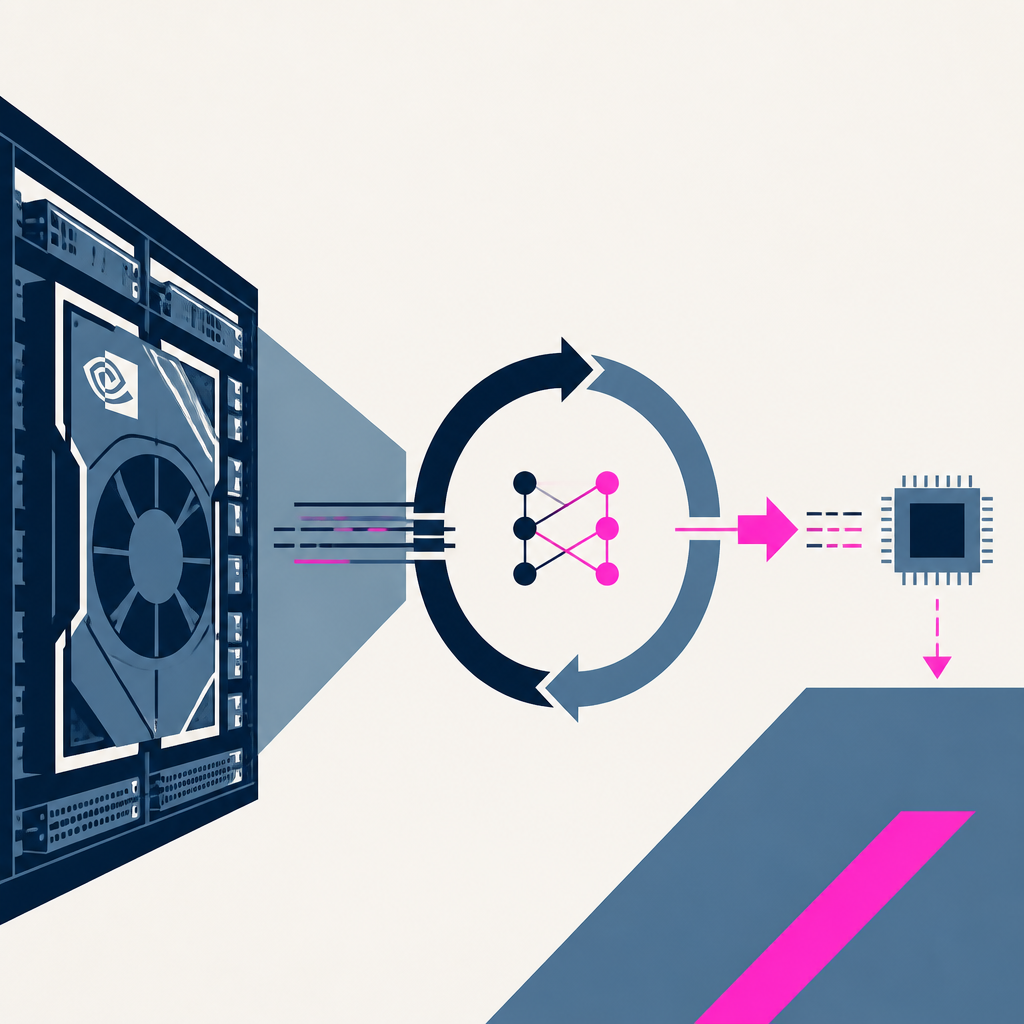
NVIDIA, NTU, and MIT released SoL-Pi, an MIT-licensed extension for the open-source Pi coding agent that uses auto-research loops to tune a harness for efficiency. On the 51-task EdgeBench benchmark, SoL-Pi cut recorded token traffic by 44.7% to 49.0% versus Pi and reduced API cost by about 33%. SoL-Pi ships on GitHub and is deployable on an unmodified Pi release (tested with Pi 0.85.1 and Node.js 22.19+), with efficiency improvements carried through to closely matched scores.
CtrlOps 1.0 was launched as a follow-up to CtrlOps, offering server auditing and management with AI. It provides a security hardening score across 25 checks plus a PDF audit report. It changes server access and deployment workflows by letting users review logs and revoke or assign roles without using SSH or handling credentials off-device.
Rollouts automate traffic migration between two model deployments by running canary, blue-green, or rolling upgrades with built-in health checks and rollback controls. The default canary traffic ladder is 5% → 25% → 50% → 100% with a wait window of at least 390 seconds per step when using metric gates. This replaces manual hard swaps or DIY staged cutovers by letting the platform enforce step ordering, pause on failed gates, and complete or cancel without leaving traffic in an ambiguous state.
Hugging Face added GGUF support to Transformers so GGUF checkpoints can be loaded with from_pretrained and run locally on Apple Silicon using GGML/Metal kernels. The initial focus is on Qwen3.5 architecture and the benchmark run is on a MacBook Pro M2 Max with 32 GB unified memory. This changes Transformers to become an efficient GGUF local-inference and serving option, while GGUF files now work through the standard Transformers API instead of requiring llama.cpp as the only inference path.
Every AI story that matters,
in your inbox by 8am.
TLDRocket reads all relevant sources, removes duplicate coverage, and summarises the
day in two minutes. Follow companies and topics for alerts, or get the
briefing in Slack. Free, no spam, unsubscribe anytime.
Reading TLDRocket needs no cookies, and the readership counts we rely on come from
our own cookieless analytics. Google Analytics is the exception: it sets cookies and
reports to Google, so it stays switched off until you allow it. You can change your
mind any time from “Cookie settings” in the footer.
Strictly necessary
Session security and form protection (tldrocket-session,
XSRF-TOKEN, 2 hours). The site cannot work without them,
so they need no consent.
Always on
Google Analytics 4 (_ga,
_ga_<id>, up to 2 years). Measures which
stories and sections readers use. Google acts as a third-party processor and may
store the data outside the EU. No advertising, no profiling, no data sold.