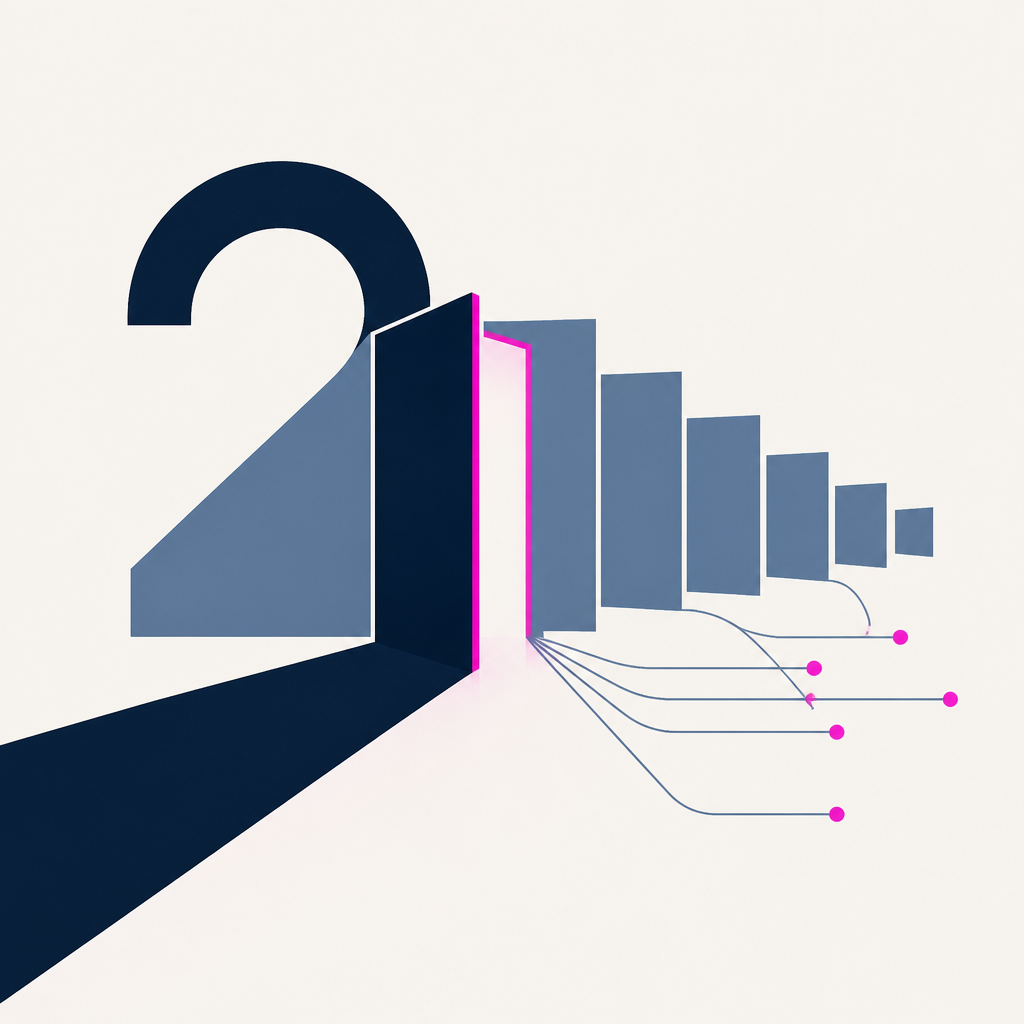
Q.ANT released the Q.ANT Native Computing Toolkit so developers can write and test software for its light-powered AI chips via a simulator on regular computers. The kit is free on GitHub under a license that allows commercial use. Access to the real photonic chips is still limited to a few research centers, so developers can start building now but can only validate energy and performance claims once cloud or on-site hardware access arrives in the coming months.
ZooWork was launched as a no-code platform to build, deploy, and deliver AI agents for teams or clients. It is listed as launching today with 340 followers. Users can start building in a Builder UI or integrate via a Managed Agent API.
Quiver launched an agentic developer marketing system that connects product context, customer evidence, campaigns, content, tasks, and results in one workflow. It became available to use starting today. Teams can either use the hosted Quiver service with managed access or self-host a free MIT-licensed edition.
HEMA’s engineers replaced portal-hopping through disconnected wikis and IT catalogs with HAL, an internal assistant that provides instant answers from a structured knowledge layer built on Amazon Bedrock AgentCore. The project was validated with a one-month staging rollout for engineers and business users before going to production. The result is that teams can find procedural IT and API guidance in seconds from chat or the IDE instead of spending an afternoon navigating multiple portals, and the architecture is set up to evolve from read-only answers to actions using MCP.
Jensen Huang argues Nvidia’s AI will not eliminate software engineering jobs, but will shift junior engineers’ work from writing code to inventing and solving problems while agents handle more tasks. Huang says the junior-developer job gap should end in two years because it takes four years to complete college and the mean time to graduation is two years away. He expects AI-native graduates to enter around 2028 with an advantage, while hiring may remain skewed more senior until that cohort arrives.
Microsoft is launching a second-generation Surface Mouse with haptic feedback support and a new customizable action button for quick access to Copilot or other Surface app shortcuts. The new mouse is scheduled to launch next month. As a result, the Surface Mouse adds physical click feedback and lets users configure the extra button’s function.
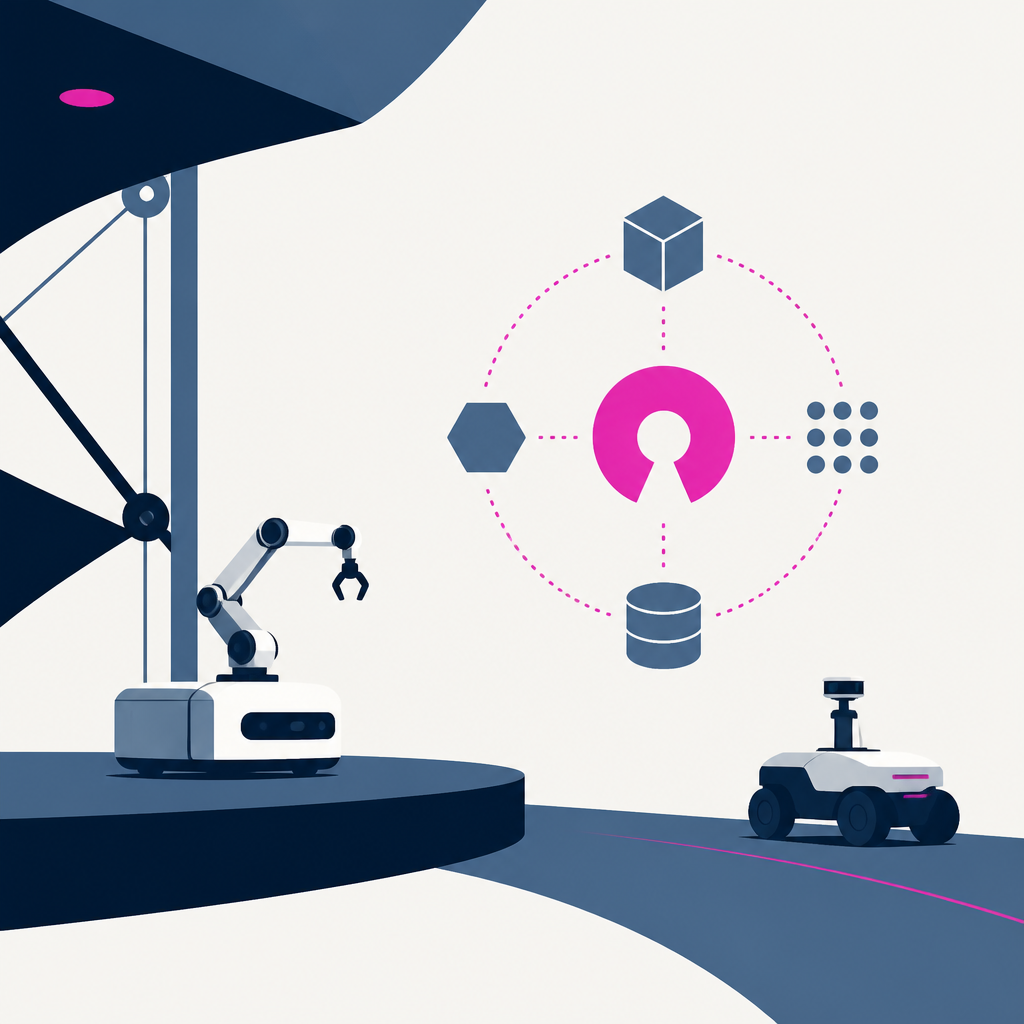
Microsoft Research reports that running physical AI inference only on a robot’s onboard GPU can reduce performance, battery life, and scalability, and that offloading inference to edge or cloud GPUs improves results for mobile manipulation. Offloading increased battery life by up to 160% when replacing an onboard GPU (measured on the Stretch-3 robot). The Physical AI Toolchain was updated with Kubernetes-based tooling that lets developers containerize, deploy, and orchestrate offloaded inference across robots, edge, and cloud.
OpenAI marked two years of OpenAI Academy and said it is expanding AI skills outreach to more communities. The milestone is two years. As a result, the program aims to reach additional communities with AI training.
AI coding tools and frontier AI models are accelerating both software creation and attacker capabilities, shifting the collision toward the software supply chain. GitHub reported about 275 million commits per week by April 2026, alongside a jump in GitHub Actions usage from 500 million compute minutes per week in 2023 to 2.1 billion in a single recent week. As a result, vulnerability management is being pushed to prevent issues earlier with trusted provenance and tighter CI/CD and dependency controls, while initiatives like Chainguard’s Athena focus on turning large-volume AI vulnerability findings into fixes.
Floot Connector was introduced to connect Floot with Claude or ChatGPT so app builds can be generated inside the same chat interface. It supports ChatGPT 4.3. It outputs a deployable full-stack app (database, user logins, hosting, and a live URL) and lets the same project be published to iOS and Android without extra configuration while Floot itself doesn’t charge for AI credits.
Invofox launched a self-serve document parsing API that converts documents into structured JSON for developers. The launch promises 99%+ accurate extraction with SLAs and makes customers not pay for documents where it makes a mistake. It shifts the product to a self-serve flow by bundling parsing, extraction, validation, and monitoring behind one endpoint and using user feedback to improve results.
Logitech G launched the Blue Yeti 2 as a successor to its Blue Yeti USB microphone for creators. The Blue Yeti 2 starts at $159.99 and adds an interactive LED display plus AI de-noising and a proximity-based voice sensor. Those updates aim to fix a design flaw from the original while improving how the mic captures speech as you move.
Sentry’s team used agent tracing to debug Search Query Assistant eval failures caused by incorrect field syntax in AI-generated Sentry Search queries for custom numerical attributes. The bug was identified during end-to-end testing when a query intended to find events where a custom numeric field was greater than 10 returned no results. After fixing how tool-call field names were placed into the system prompt, production queries returned correct data and local eval runs were instrumented to send trace data to Sentry for easier debugging.
Harness Manager launched on Mac as an App Store-style control center for AI coding harnesses. It launched today. It consolidates discovering, installing, updating, and diagnosing tools like Claude Code and related configuration via version and path checks and MCP server management.
OpenRouter launched a batch API that lets providers schedule batch processing within a 24-hour window at a reduced per-token rate. The beta on 230k+ completed batches saw a median completion time of 7 minutes, with 90% finishing within 1 hour. Jobs can now be run asynchronously and waited on later, with up to 30-day retention for inputs and results and per-request results returned together in a completed batch response.
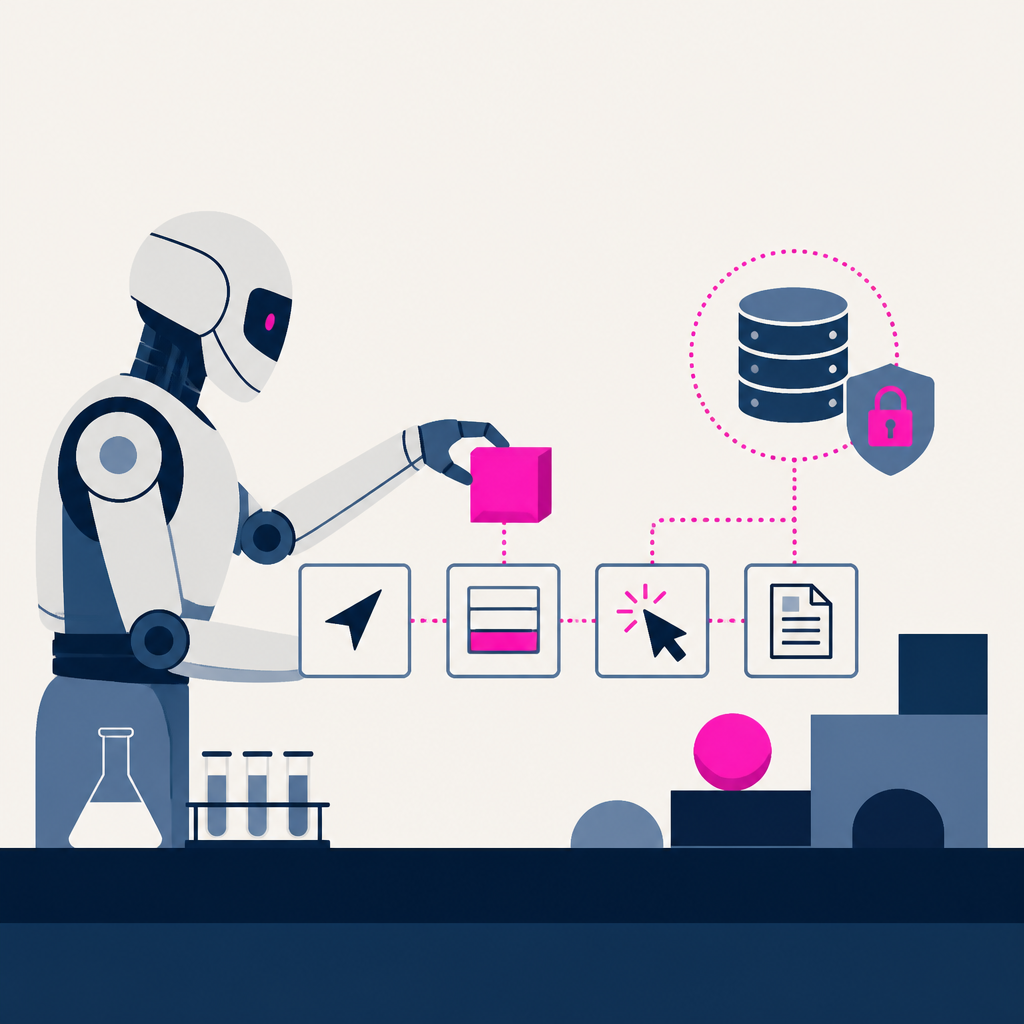
Kimi Browser Extension added browser automation for AI Agents, enabling it to open pages, click buttons, fill forms, and extract information. It pairs a local service with the extension using the Chrome DevTools Protocol to navigate, take screenshots, and read pages. Everything runs locally, so login sessions and page content stay on your device, and users must sign in for the sidebar entry and connection flow changes from the earlier Kimi WebBridge naming.
OpenMuse, a self-hosted personal agent application, can run its own server, task workers, and a persistent Chromium browser to show email and web results inline and let the user take over an active browser session. The iPhone demo completes its web browsing and summarization flow in 38 seconds, while the desktop demo takes 42 seconds. As a result, users can deploy an inspectable MIT-licensed agent that keeps drafts, tracks delegated tasks and goals, and routes model-based “rich threads” through a required CopilotKit Intelligence server key.
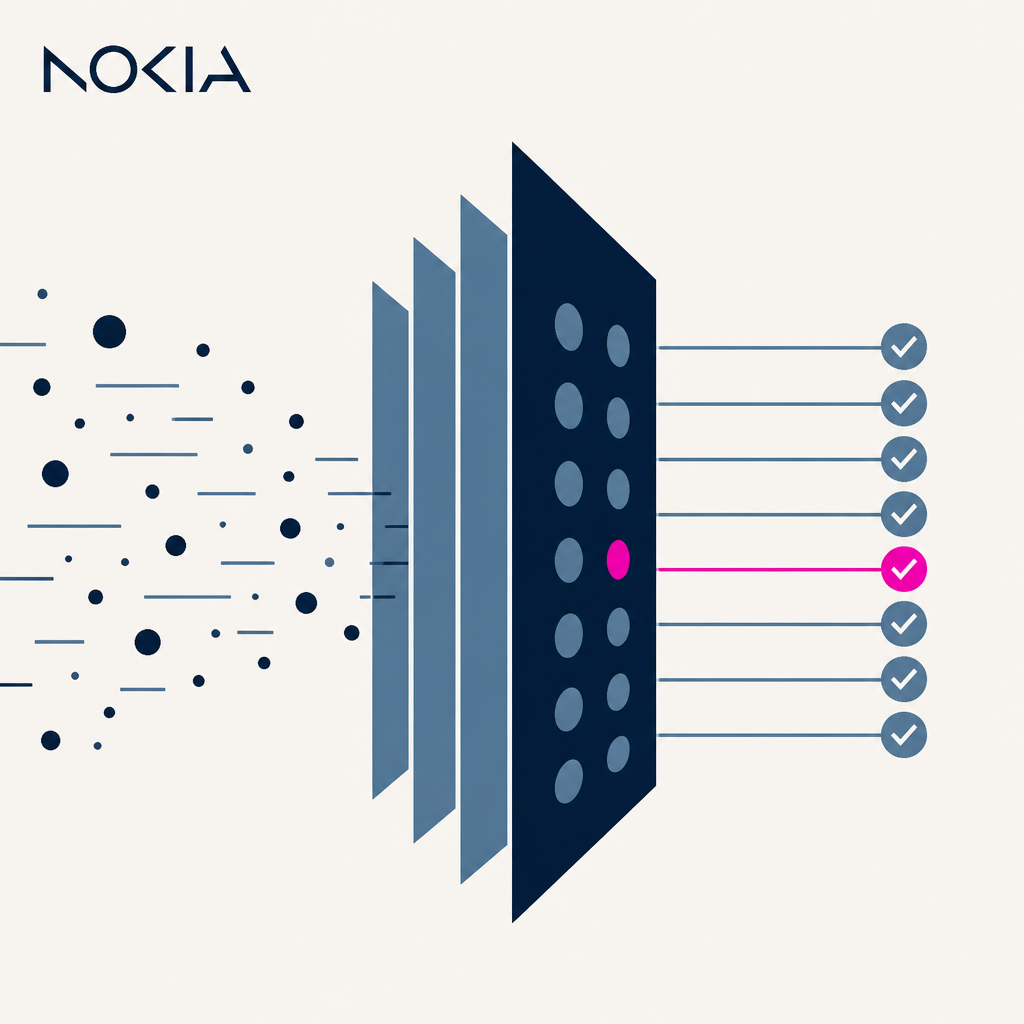
Nokia’s applied research team open-sourced AnyJev, a Python library that converts an open LLM into a typed multiple-choice/yes-no/bin decision model without training. On Qwen3-8B using BANKING77 (20-way, 300 test items), the option order-flip rate dropped from 0.230 to 0.073 with L0 and reached 0.077 with L1. The library adds cyclic-shift and calibration layers (plus optional temperature scaling) to improve probability calibration and reduce sensitivity to option ordering when serving models via PyPI backends like Hugging Face and vLLM.
F13 emerged from stealth as a vector-graphics foundation-model company and secured $5 million in pre-seed funding. The round totals $5 million and will fund bringing its first model to market plus expanding compute, talent, and data. It is now offering early access via a developer API and web platform, with a public launch planned later this year.
SpeakON launched a MagSafe voice button that snaps to an iPhone and captures speech with its own microphone to write shaped text directly into the active app via an iOS keyboard extension. The hardware is 25 g and sells for $129 one time in the United States. This changes phone voice input by eliminating background microphone permissions and providing offline/locked buffering with text that’s polished into bullets, formatting, and translated text instead of verbatim dictation.
The article announces an evening event in San Francisco where Jesse Vincent and local builders will host a show-and-tell focused on coding agents and agentic engineering. The meetup is scheduled for Wednesday, 14 October. It changes by inviting builders to share unfinished or non-public experiments in an informal conversation rather than delivering product pitches.
Every AI story that matters,
in your inbox by 8am.
TLDRocket reads all relevant sources, removes duplicate coverage, and summarises the
day in two minutes. Follow companies and topics for alerts, or get the
briefing in Slack. Free, no spam, unsubscribe anytime.
Reading TLDRocket needs no cookies, and the readership counts we rely on come from
our own cookieless analytics. Google Analytics is the exception: it sets cookies and
reports to Google, so it stays switched off until you allow it. You can change your
mind any time from “Cookie settings” in the footer.
Strictly necessary
Session security and form protection (tldrocket-session,
XSRF-TOKEN, 2 hours). The site cannot work without them,
so they need no consent.
Always on
Google Analytics 4 (_ga,
_ga_<id>, up to 2 years). Measures which
stories and sections readers use. Google acts as a third-party processor and may
store the data outside the EU. No advertising, no profiling, no data sold.