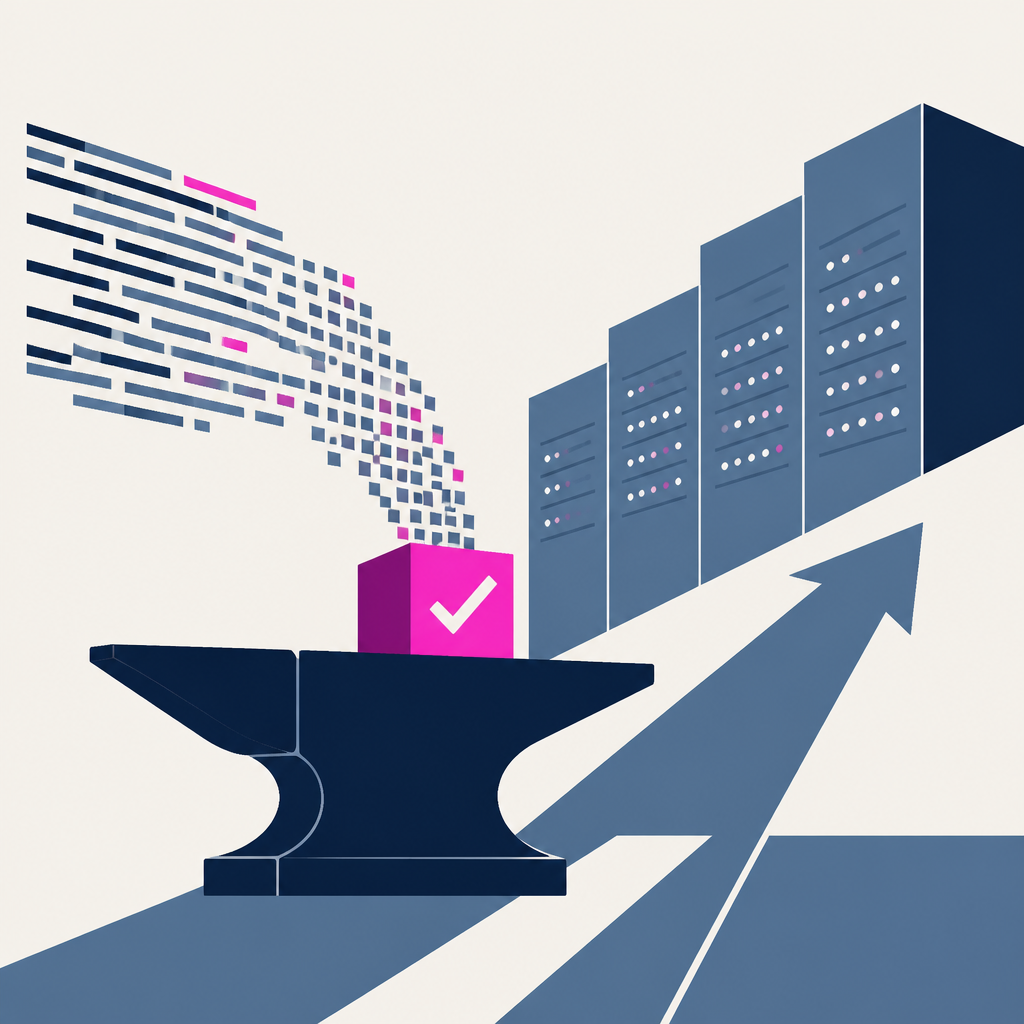
Blackstone executive Jas Khaira argued at TechCrunch Disrupt that fears about AI-buildout debt problems are overstated while detailing the firm’s compute financing and AI investments, including neocloud loans and data-center funding. Khaira said Blackstone committed $5 billion to Crux AI, a neocloud launched with Google to commercialize custom TPUs. As debt costs and credit risk concerns rise for some neoclouds, Blackstone points to continued compute demand and its credit-backed financing approach and also expands AI adoption support via Ode with Anthropic.
Meta plans to issue a newly created class of non-voting stock to help fund its AI buildout. The CFO, Susan Li, said the company would create it via a stock dividend distributed to existing shareholders. This lets Meta raise capital, pay employees, and fund acquisitions without changing the voting power of its existing Class A and B shareholders.
Flapping Airplanes raised $1 billion in new funding at a reported $6 billion valuation, despite not having released a commercial product yet. The round valued the startup at $6 billion. The company will use the money to push AI model training that uses less data, building GPU-focused “megakernel” infrastructure aimed at reducing compute and memory bottlenecks.
TechCrunch announced the TechCrunch Founder Summit 2026, a full-day founder and investor event in Boston focused on hands-on startup scaling guidance. Tickets currently cost $399 for investors, $199 for founders, and $149 for students, with the next price increase scheduled after October 16 and the event on November 4, 2026. The program expands and rebrands from the former Early Stage and All Stage into an agenda that includes sessions on fundraising, AI-native building, and leadership plus pitch and networking features.
Meta Platforms reported third-quarter revenue growth of 26% year over year, but its profit fell after major legal payments and heavy AI investment. Revenue rose to $64.6 billion. Meta’s operating income fell 37%, free cash flow turned negative ($-2.1 billion), and it reallocated spending from Reality Labs while spending guidance stayed high for the AI buildout.
Eric Schmidt’s 1% stake in Anthropic is reported by Bloomberg to be tied to his introduction to Dario Amodei through his ex Cami Clark, with Anthropic preparing for a potential IPO as soon as next month. The stake could be worth up to $20 billion if Anthropic goes public at a $2 trillion target valuation. That prospect would boost returns for early investors while Anthropic faces pressure to scale profits to justify the IPO and secure enough compute capacity.
Meta announced it will issue a new class of shares to fund its AI initiatives and other corporate needs.
The non-voting stock will begin trading in 2027.
Meta says this will expand its funding tools for AI investment, potential acquisitions, and employee compensation.
Blacksmith announced a $66 million Series C funding round led by Sequoia that valued the company at $1 billion.
The round values Blacksmith at $1 billion.
As a result, it moves from a $550 million valuation after its $45 million Series B two months earlier and reports 17x annual recurring revenue growth and over 90 million CI jobs run.
OpenEvidence, an ad-powered AI search engine, is being adopted by many US doctors to support patient decisions using prompts against medical journals and clinical guidelines. The startup reported that doctors sent more than 42 million prompts last month. As adoption grows, the article says this is fueling debate about how AI should shape future patient care.
Blacksmith, a startup providing code-validation infrastructure, raised a Series C and reached a $1 billion valuation as AI-written code increased its usage. The new round added $66 million, valuing Blacksmith at $1 billion. Blacksmith is scaling validation capacity by buying more computing power and expects to grow its team from about 40 employees to around 75 by year-end.
IPO activity weakened as multiple companies withdrew or reduced Nasdaq listing plans, while an AI-stock debut in South Korea fell sharply on its first day. Gravitics Holdings cut its IPO deal size by 60% ahead of a $50 million offering. The outcome hinges on valuations and a potential Anthropic IPO—reported as preparing for a November window—so a successful listing could revive 2026–2027 deal activity.
Legora raised $550 million in Series E funding at an $8.8 billion valuation. The round was led by Atreides Management and includes investors such as Fidelity and JP Morgan. The new funding boosts Legora’s valuation and will be used to expand in North America and invest further in its agentic operating system for legal AI.
Equinox launched the Oxfordshire “Equinox 2035 Strategy” to drive the county’s innovation-led growth plan through an Oxfordshire-wide partnership. The strategy targets 20 unicorn companies by 2035. It sets goals for investment, 30,000 net new innovation-linked jobs, and actions like a single inward investment unit, stronger capital readiness support, skills pathways, and a shared data platform to help more firms start and scale locally.
Legora closed a $550 million Series E round, raising its valuation from $5.6 billion to $8.8 billion. It says its annual recurring revenue increased from $1 million to more than $200 million in less than 18 months. The new funding is set to expand North America and other regions and add Legora aOS features for request handling, regulatory-change detection, and legal research.
Firstwork raised a $15M Series A led by Earlybird to build AI agents that automate the onboarding steps between a frontline job offer and an employee’s first shift. The round brings its total funding to $20M. The company will use the money to support European customers by setting up a London headquarters and to expand its compliance-and-follow-up workflow automation.
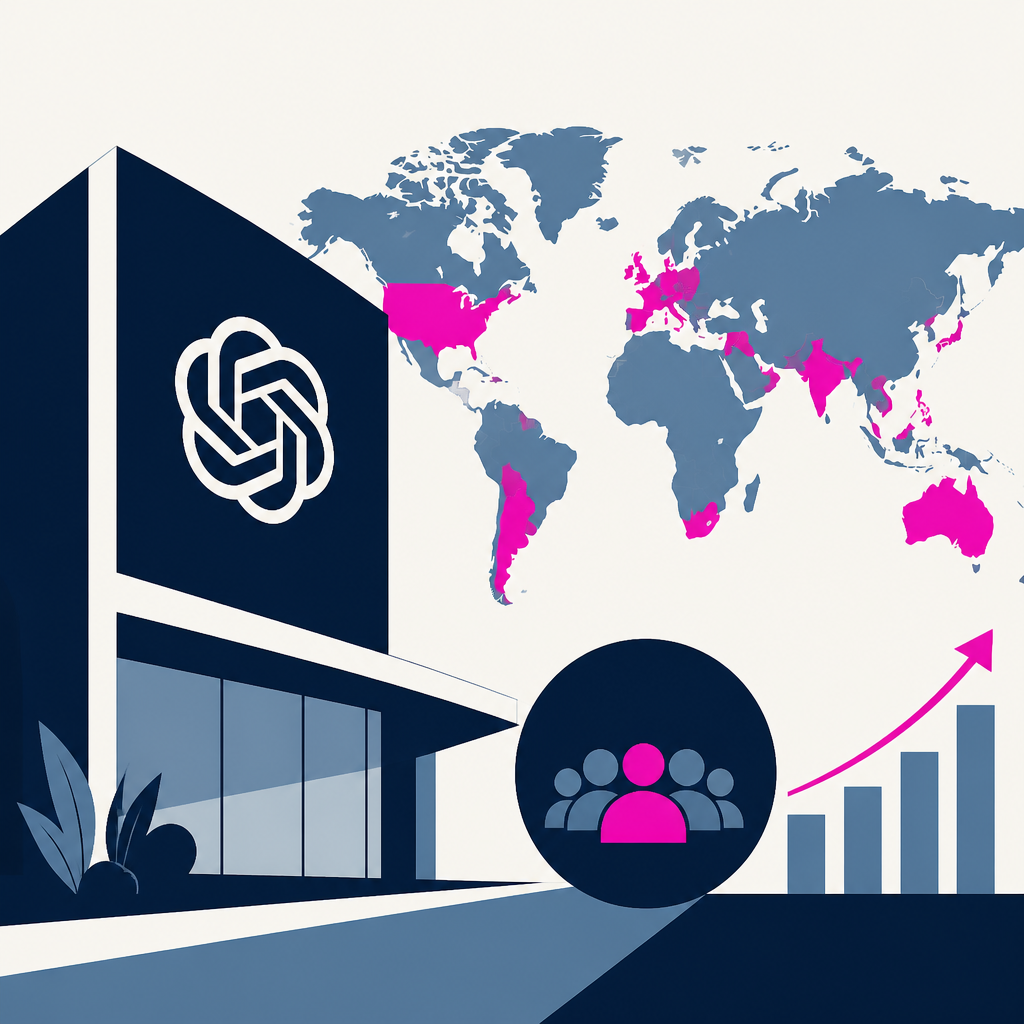
ChatGPT Ads expanded to 26 new countries so more advertisers can reach people via ChatGPT. Over 100,000 advertisers have used the platform so far. This increases geographic coverage for paid advertising on ChatGPT.
Pigment raised a $250M Series E led by the EU-backed Scaleup Europe Fund at a $2.3B valuation. The company said annual recurring revenue passed $100M and doubled again. Pigment plans to use the funding to build more AI agents for enterprise planning so companies can move from manual spreadsheets to agent-run plans.
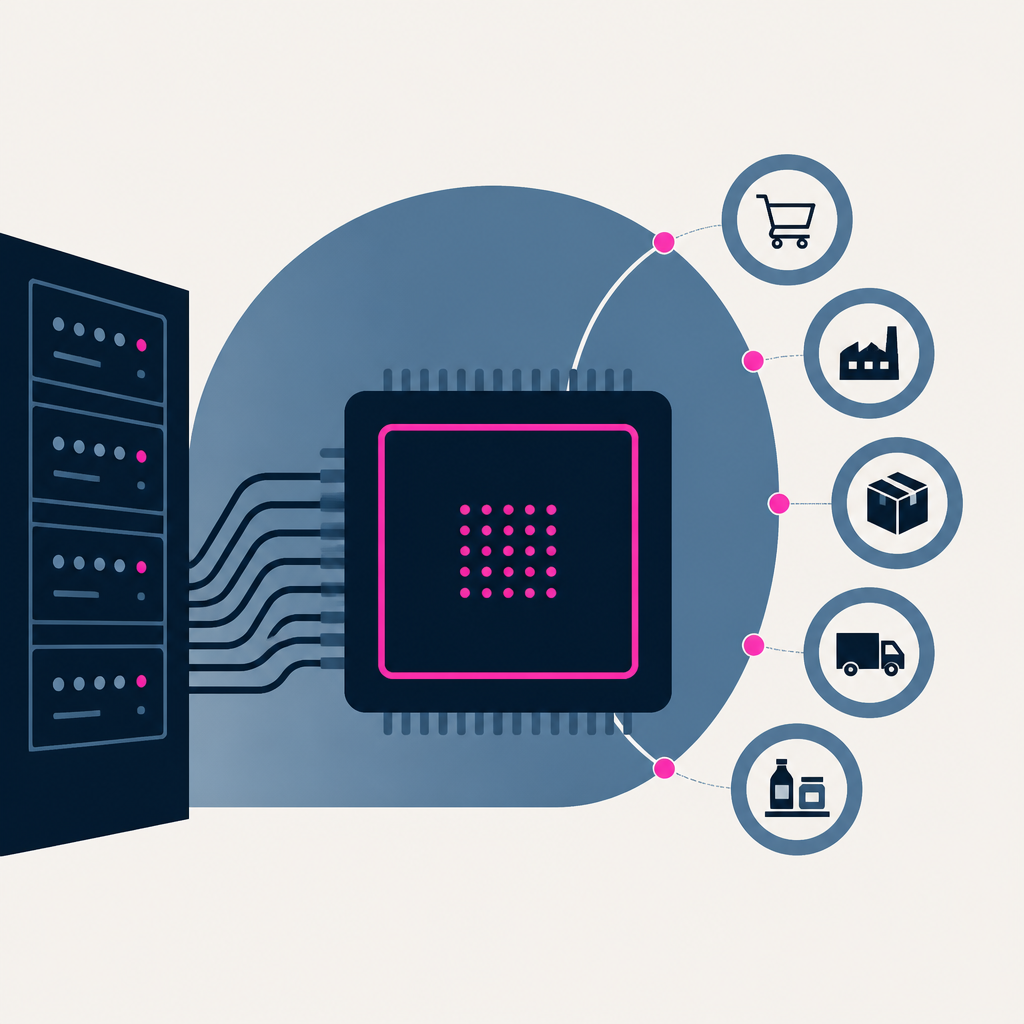
Opply secured $7.5 million in financing led by Chalfen Ventures to deploy AI agents that run procurement for consumer brands. The round was $7.5 million. The company plans to expand its AI “Brain” system, which places and monitors purchase orders and handles supplier payments, to more businesses as rivals pursue similar AI procurement automation.
Opply raised $7.5 million to expand its agentic AI operating platform for consumer packaged goods brands. The funding round was led by Chalfen Ventures and brings in $7.5M to support the platform’s rollout. Opply will use the money to bring its task-executing AI agents for operations like procurement, payments, inventory, and deliveries to more CPG businesses.
Daytona raised a $60M Series B at a $1B valuation to build a cloud platform for AI agents, adding infrastructure after finding its earlier approach was not enough. The round closed on October 20 and follows a stated 25-fold revenue run-rate increase since January. Daytona says it is shifting from an agent sandbox product to a production platform, using the new capital mainly for sales hiring and engineering.
Relay is introducing delegated-access so AI agents can call third-party APIs for users without holding long-lived OAuth access tokens themselves. The proxy forwards requests with a 30-second upstream timeout and supports streaming provider responses up to 5 MB. This shifts credentials behind WorkOS so a compromised agent can’t exfiltrate provider tokens, but it does not prevent prompt injection or agent misuse of instructions.
The Wall Street Journal·6 days ago·
38
● 3 sources
Anthropic’s draft IPO prospectus (S-1) reports large net losses and highlights major risks tied to obtaining enough computing power while scaling. It estimates potential compute spending of $750 billion over the next few years. As a result, the filing underscores both rapid revenue growth and investor concern about the financial impact and feasibility of sustaining that scale.
Europe’s tech market raised €27.8 billion across 732 deals in Q3 2026, with investment concentrated in September and dominated by a few billion-euro rounds.
Mistral AI led the biggest deals at €3 billion in Q3 2026.
AI and cloud remained the top sectors, and funding increasingly centered in the UK, Germany, and France while a larger share of capital was captured by very large transactions.
SpaceX forecasts $35B–$40B in investment next quarter, and this comes after $19.6B in capital expenditures this quarter. The filing cites $19.6B of current-quarter capex. The company’s spending shifts further toward building data center capacity alongside Starship rockets.
Pigment raised a $250m Series E round led by the Scaleup Europe Fund, reaching a $2.3bn valuation. The funding round was reported as announced on a specific date, “today.” Pigment says it will use the money to speed R&D and expand its engineering team, as its enterprise planning platform leverages AI.
Rulen raised €1.8 million to develop its AI platform for tax and accounting workflows and expand commercially. The first funding round is €1.8M. The company will speed up product development and team growth and move toward an agentic platform that automates end-to-end tasks while keeping professional oversight.
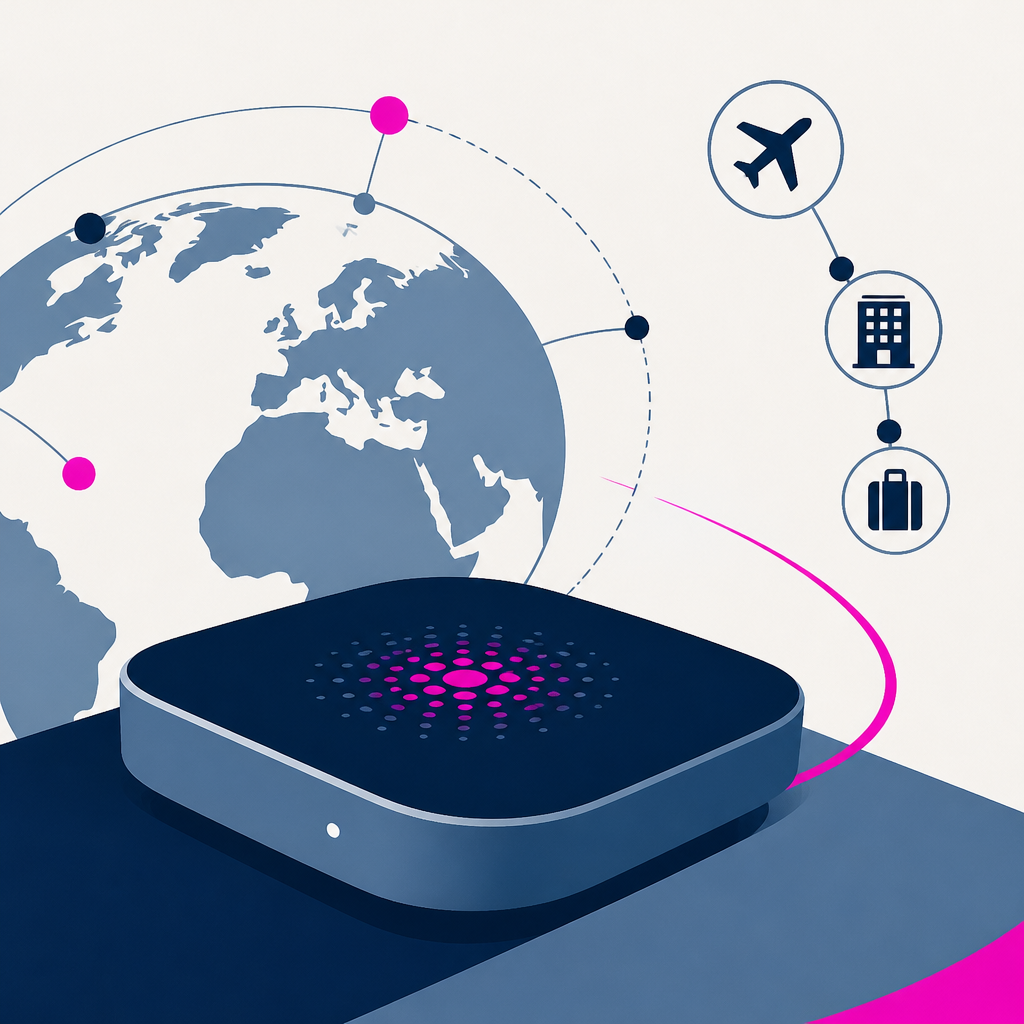
YGO raised a €8 million Series A led by Ventech to let travel suppliers connect their inventory to AI agents and booking systems. The round is €8 million. This shifts YGO from consumer travel planning to supplier-focused AI infrastructure and aims to reduce suppliers’ reliance on OTAs while supporting direct bookings through platforms like ChatGPT-style assistants.
YGO raised €8 million in a Series A round to scale its AI-powered travel platform that connects travel suppliers with airlines, hotels, and tour operators. The funding round was led by Ventech. YGO plans to use the money to expand sales and go-to-market, further develop its AI platform, and grow its customer base beyond the DACH region.
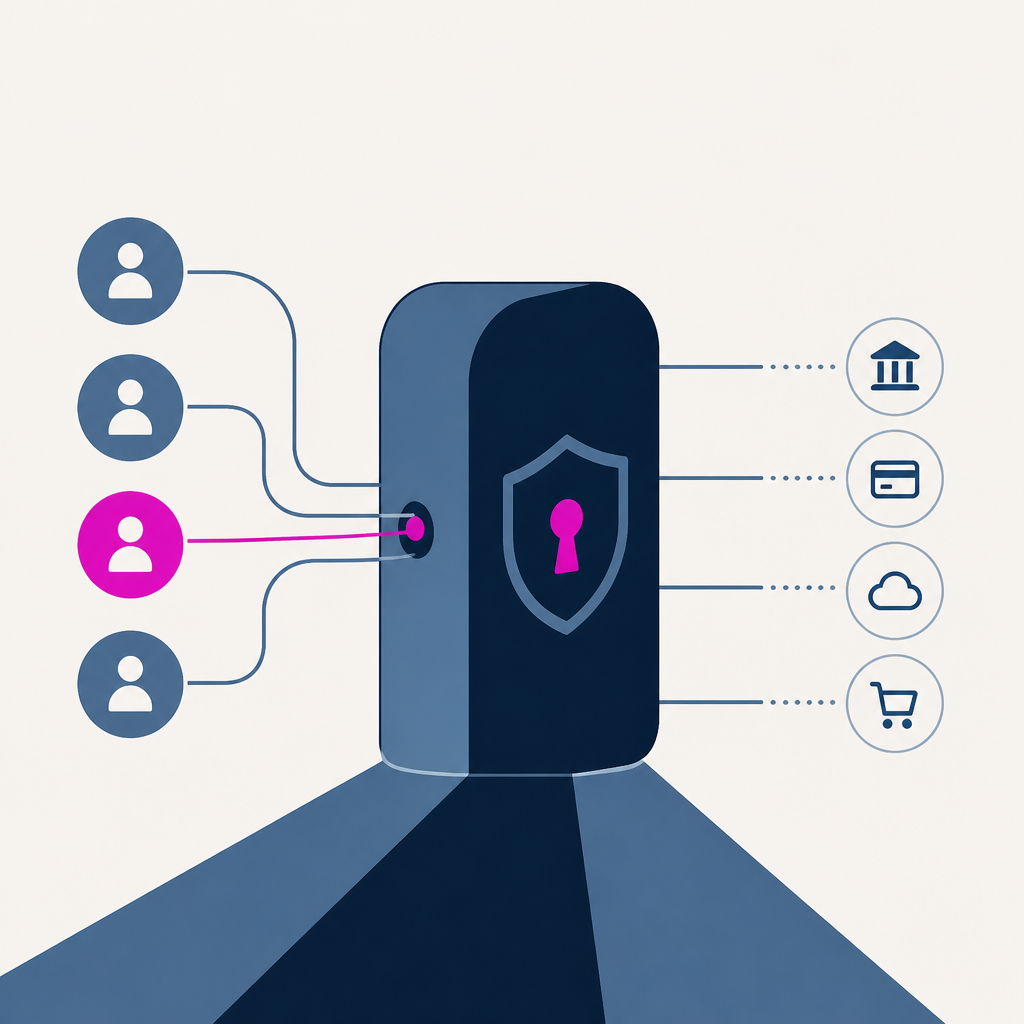
Alter, a YC S25 startup, is launching an access-control service for agents that act on behalf of multiple end users by acting as a proxy and managing downstream credentials per action. A free tier lets users make up to 10k requests before usage-based pricing starts. This shifts multi-user agent deployments from relying on a single shared API key to enforcing fine-grained runtime policies and producing compliance audit logs.
Nvidia has expanded its investments in European AI startups, taking stakes in 26 European tech companies over three years and announcing 13 more minority holdings. Nvidia said it deployed about $8 billion in the region over the past year and added $2 billion in new investments, totaling $10 billion within a year. This increases Nvidia’s presence across European AI infrastructure and companies, though deal-by-deal check sizes and equity splits are not publicly disclosed for most rounds.
SpaceX and Tesla explored a merger after Elon Musk confirmed both companies set up independent director committees to consider the deal. The talks are valued at more than $3 trillion. The process now depends on shareholder approval and committee negotiations, with the main hurdle expected to be getting a majority of Tesla shares.
Anthropic filed an IPO prospectus showing a $80.7 billion net loss for the first half of the year. About $72 billion of the loss is from revaluing convertible notes and other financing instruments rather than cash outflows. The filing reframes its cash needs around large compute spend and fixed cloud commitments while positioning it as profitable on an adjusted basis and listing key customer and safety risks.
SpaceX reported a quarterly profit of $4.4 billion and said its AI unit generated more revenue than Starlink for the first time. The third-quarter profit was $4.4 billion. As a result, SpaceX’s revenue mix shifts toward renting AI computing capacity (including major leases from Anthropic) and it plans continued data-center expansion.
Elon Musk said he wants to consider merging Tesla and SpaceX and confirmed special committees have been formed to assess a potential deal. Tesla is valued at roughly $1.5tn and SpaceX at about $2tn. If approved by shareholders, the combined company would merge Tesla’s vehicles, robotics, and self-driving with SpaceX’s rockets, data centres, satellites, and telecom operations, with near-term customer changes likely limited.
Jenz raised €540,000 in pre-seed funding to develop an AI platform that consolidates retail back-office data so an AI agent can automate operations. The funding came about four months after the June win at the Norway AI Hackathon. The startup can expand its pilots—already assigning 3,000 tasks across 20+ systems—and aims for a UK launch within nine months.
SpaceX reported third-quarter results that brought it to its first operating profit as a public company while revenue rose year over year. Its “Super Intelligence” (AI-compute leasing) segment generated $7.56 billion in revenue, nearly tripling from the prior quarter. The company’s financial outlook hinges on higher spending and debt as AI compute and connectivity investments expand, with Starlink adding 1.6 million consumer subscribers in the quarter.
Tesla and SpaceX board committees have been formed to evaluate a possible merger, with Elon Musk saying he is barred from those talks as a conflicted party. The companies’ combined market value at Tuesday’s closing prices is about $3.5 trillion, and terms have not been agreed. The process shifts to independent directors negotiating separately, with no guaranteed deal and no merger vote proposed in Tesla’s latest proxy filing.
ASI Inc. announced a $325 million Series C funding round and said the new capital brings its valuation to $3 billion for its AI software that simulates and manages air traffic and energy grids. The round was reported as $325 million and the valuation as $3 billion. The funding is intended to help ASI scale and expand its AI platform across aviation, defense, and energy, including adding research and engineering capacity and targeting new industries like logistics.
Every AI story that matters,
in your inbox by 8am.
TLDRocket reads all relevant sources, removes duplicate coverage, and summarises the
day in two minutes. Follow companies and topics for alerts, or get the
briefing in Slack. Free, no spam, unsubscribe anytime.
Reading TLDRocket needs no cookies, and the readership counts we rely on come from
our own cookieless analytics. Google Analytics is the exception: it sets cookies and
reports to Google, so it stays switched off until you allow it. You can change your
mind any time from “Cookie settings” in the footer.
Strictly necessary
Session security and form protection (tldrocket-session,
XSRF-TOKEN, 2 hours). The site cannot work without them,
so they need no consent.
Always on
Google Analytics 4 (_ga,
_ga_<id>, up to 2 years). Measures which
stories and sections readers use. Google acts as a third-party processor and may
store the data outside the EU. No advertising, no profiling, no data sold.