Sean Parker and Prem Akkaraju are rebuilding Stability AI around music, positioning the company as an AI toolmaker for music professionals. The effort follows an $80 million rescue and a $76 million funding round in late August. Stability has launched three new audio models and AI music-editing software, with an update planned to let users hum or beatbox to steer generation from audio prompts.
The White House convened major tech CEOs to sign an AI safety pledge, while President Donald Trump issued an executive order rebranding AI as “super intelligence.” Only 2% of consumers are buying the consumer AI products being discussed. Consumer demand remains weak and more AI funding and attention shifts toward enterprise and deal-by-deal startup financing as public markets grow pickier.
TechCrunch Disrupt 2026 will host Jas Khaira of Blackstone N1 on the Builders Stage to discuss how AI companies should scale capital and separate early momentum from lasting businesses. The event runs October 13–15 at Moscone West in San Francisco. The focus shifts to investors’ criteria for funding AI growth needs like compute and infrastructure rather than simply raising more money.
Clay co-founder Kareem Amin will speak at TechCrunch Disrupt 2026 on how AI has created and shaped the emerging “GTM engineer” job category and how AI-native go-to-market systems are built. Clay said its annual recurring revenue tripled to $100 million in a year and later announced a $115 million Series D at a $7.1 billion valuation. The result is growing demand for automated revenue workflows—shifting go-to-market work from manual, tool-hopping tasks toward system-building that reduces reliance on adding headcount and traditional engineering for each workflow.
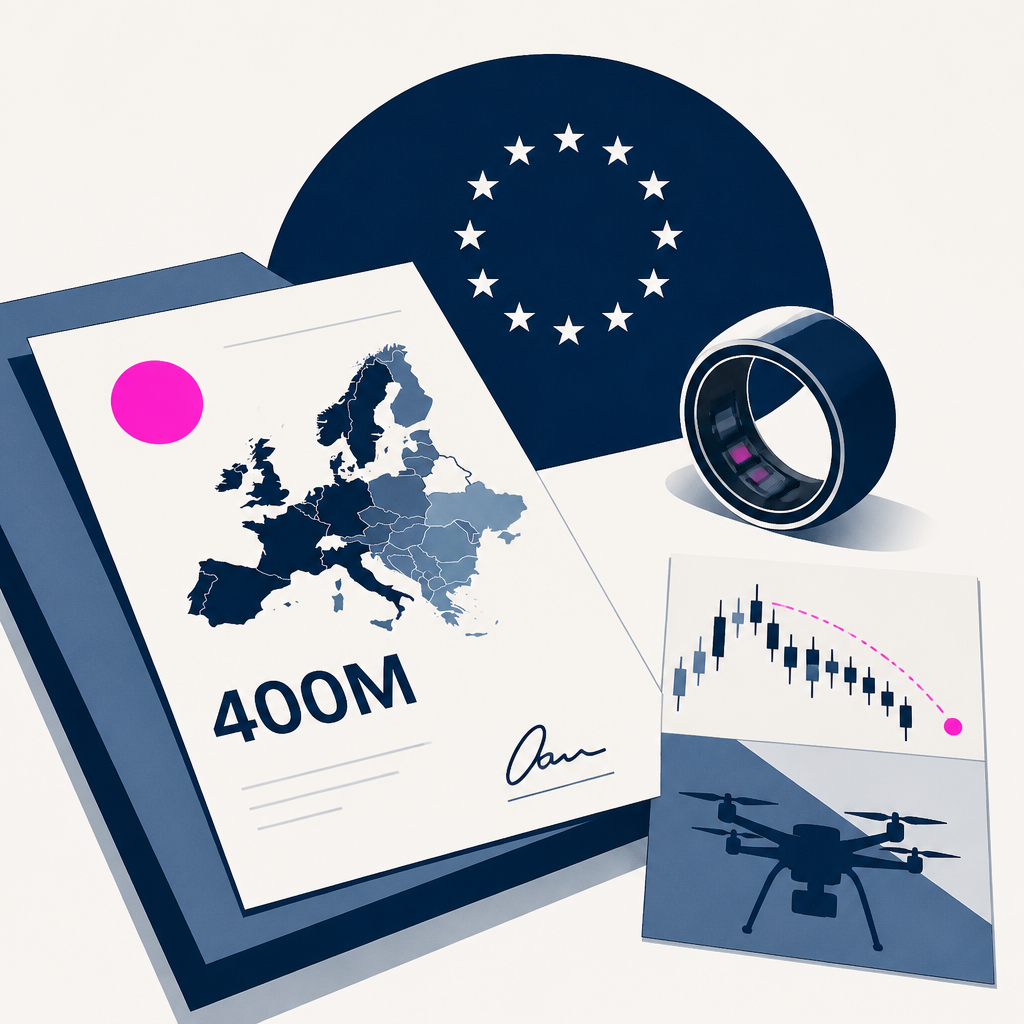
Headline closed a $400M European fund, Oura delayed its $15B US IPO, and Mykhailo Fedorov launched Army of Robots. The fund closing was for $400M. The funding and launches signal fresh backing for European AI and robot-related efforts while Oura’s planned listing is pushed out.
Anthropic said it will keep its plan to go public despite IPO market jitters and ongoing AI safety and consumer-risk concerns. Its CEO Dario Amodei expects the offering by Thanksgiving, even as sentiment toward IPOs fades and regulators investigate related companies. Anthropic’s timeline remains intact while policy scrutiny and safety controversies continue to build around major AI labs.
Trustly received more than $40m in equity investment commitments from Nordic Capital and Alfvén & Didrikson to support its planned growth strategy. The company said it will use the funding to build new AI-leveraging products. Other existing shareholders will be given the option to join the capital raise, which is expected to conclude in November 2026.
Anthropic is reportedly preparing an IPO timeline aimed at a mid-November launch. Marketing could start the week of November 9 so shares would trade before Thanksgiving. The move shifts the company’s next major corporate milestone to a tighter late-October/early-November schedule.
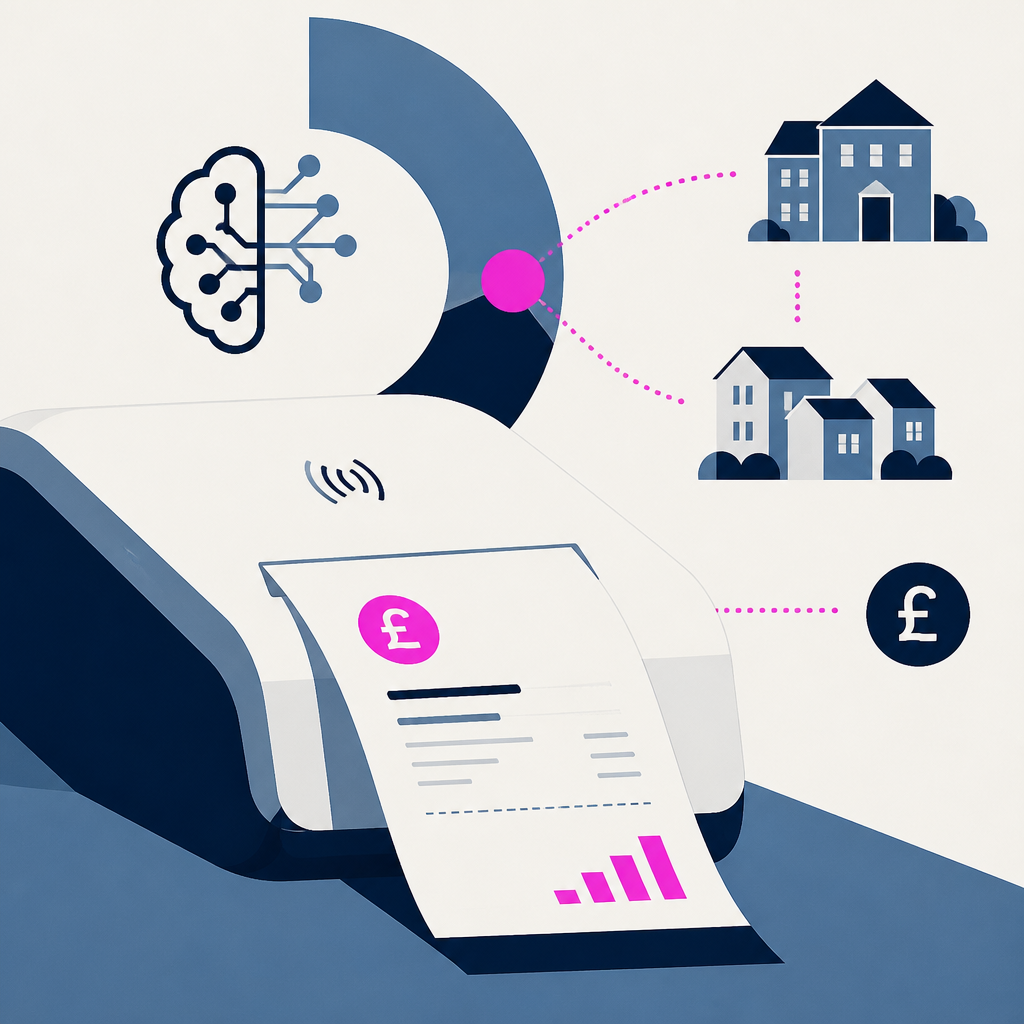
Lottie acquired CareMaster, a care billing software provider, to deepen its AI use in social care operations. The deal adds nearly 75 care providers—covering more than 750 care home locations—and Lottie expects Found plus CareMaster to support £3 billion in annual invoicing by the first half of 2027. Lottie plans to migrate CareMaster customers onto Found and use AI starting with credit control to cut manual administration across billing and the wider care customer journey.
Armadin, founded by Mandiant creator Kevin Mandia, raised a $255.5M Series B led by a16z and Accel and is also reporting that it ran 26,000 AI agents with consent to attack a live institution’s network for 3 days. The funding values Armadin at more than $2.5B, bringing its total funding to $445M. The new capital is set for its platform, research, training, and customer rollout, with a16z joining the cap table alongside existing backers.
Every AI story that matters,
in your inbox by 8am.
TLDRocket reads all relevant sources, removes duplicate coverage, and summarises the
day in two minutes. Follow companies and topics for alerts, or get the
briefing in Slack. Free, no spam, unsubscribe anytime.
Reading TLDRocket needs no cookies, and the readership counts we rely on come from
our own cookieless analytics. Google Analytics is the exception: it sets cookies and
reports to Google, so it stays switched off until you allow it. You can change your
mind any time from “Cookie settings” in the footer.
Strictly necessary
Session security and form protection (tldrocket-session,
XSRF-TOKEN, 2 hours). The site cannot work without them,
so they need no consent.
Always on
Google Analytics 4 (_ga,
_ga_<id>, up to 2 years). Measures which
stories and sections readers use. Google acts as a third-party processor and may
store the data outside the EU. No advertising, no profiling, no data sold.