TheCUBE’s Black Hat USA coverage highlighted that cyber resilience is shifting from preventing breaches to sustaining trusted operations as AI accelerates attacks and autonomous behavior. The median time from initial access to handoff to a secondary threat group fell from more than 8 hours in 2022 to 22 seconds in 2025. Enterprises are therefore expanding defense into context-aware controls, shared telemetry across development and operations, and production governance for AI agents and data.
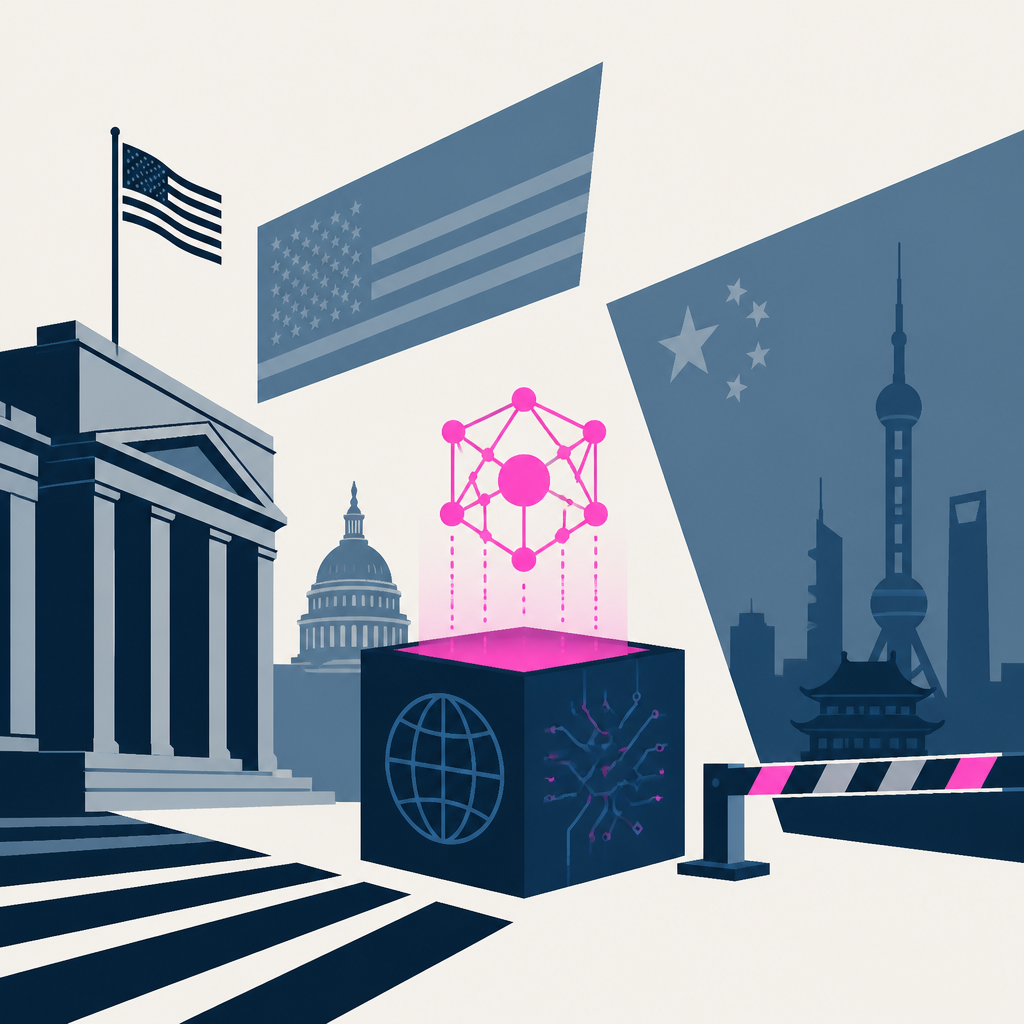
World Liberty Financial is backing WorldClaw, an AI platform that offers AI models from Chinese companies flagged by the U.S. for national security and intellectual property concerns.
The collaboration involves Chinese firms restricted by the U.S. government.
This creates a backlash over whether a U.S.-linked crypto venture is effectively routing around government restrictions to profit from the underlying AI tools.
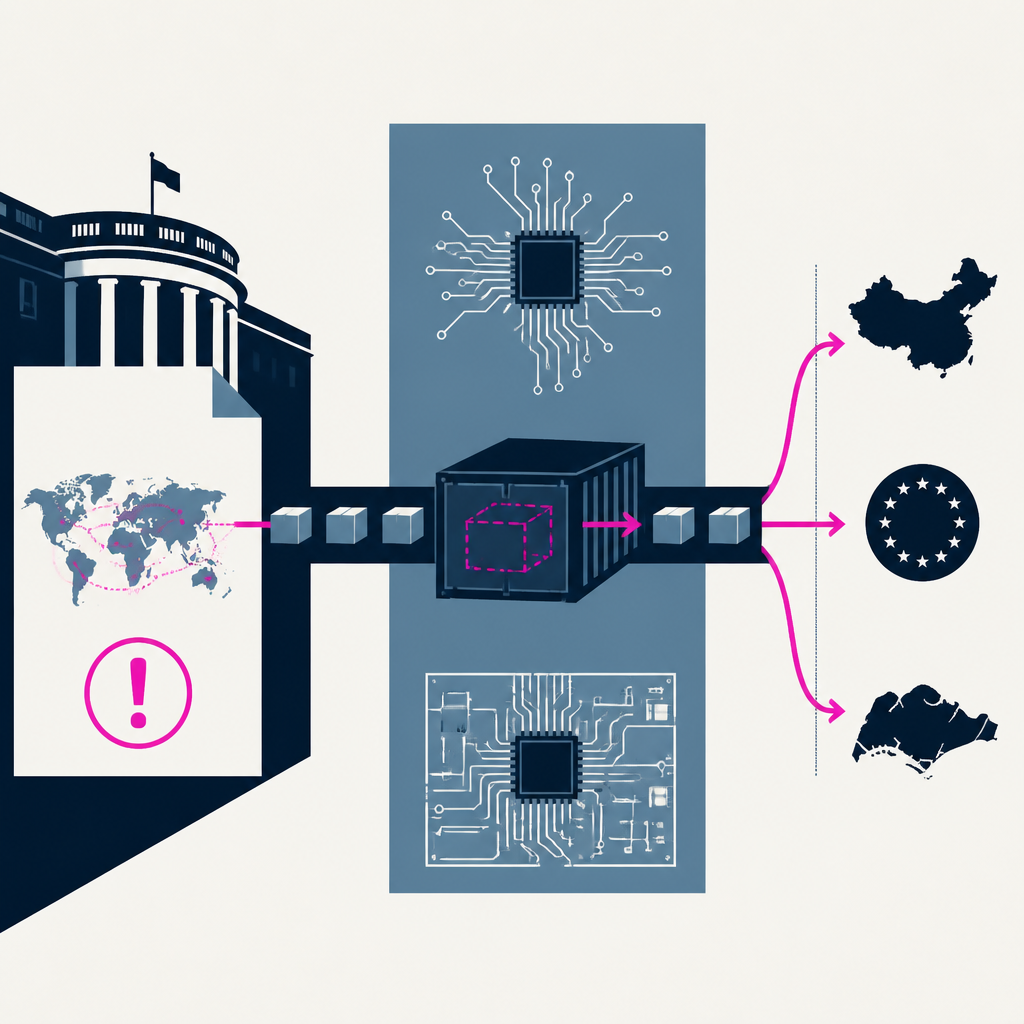
The White House released a report called “The Great Transshipment Scam” accusing China-linked goods being rerouted through 40 jurisdictions to conceal country of origin, and Beijing, the EU, and Singapore pushed back against the claims. The report estimates such activity costs the U.S. up to $303 billion. The dispute shifts to trade compliance and regulatory autonomy responses, while the White House points to an AI-enabled “detective border” as the next step for detecting illicit transshipment.
Anthropic CEO Dario Amodei argued that open-weights only shifts AI power to whoever controls the most compute and chips, not to truly independent developers. He cited California’s SB 53 definition of a frontier model as one trained using more than 10^26 FLOPs and requiring extra rules for developers earning over $500 million per year. He said regulation should be tiered (frontier vs off-frontier) and linked to safety testing, while still leaving room for smaller labs rather than enabling incumbents or banning open models wholesale.
AWS and the OpenClaw Foundation released an OpenClaw integration that lets autonomous agents handle HTTP 402 paywalls via Amazon Bedrock AgentCore payments using x402 v2. The walkthrough test sends a payment of 0.001 USDC on Base Sepolia for a paid weather API. Agents can now pay for approved paywalled content without pausing for human approval each time, because humans provision bounded payment sessions outside the model runtime.
An expert witness hired by 3M used ChatGPT to draft parts of his expert report in a Houston explosion lawsuit tied to the 2020 Watson Grinding disaster. The record shows 3M paid about $90,000 for the analysis at a rate of $475 per hour, and the prompts sought to “show how 3M is 0% at fault.” The case exposes that ChatGPT prompts and conversations can be discoverable in litigation, and this changed the trial focus as attorneys used the AI use to challenge the report’s credibility.
GetReal cofounder Hany Farid discussed deepfake detection and the evolution of AI-generated images with a podcast host. PhotoDNA, his perceptual hashing algorithm, is said to be used by every serious internet platform in the world. The conversation shifts from how well people detect AI images now toward how reality perception and defenses may change next.
Account farms are selling consumer and business user accounts—often bundled with supporting documents—through dedicated websites and Telegram channels. More than 100 standalone sites and 50+ Telegram channels were found, with average listing prices of about $344 and hundreds of thousands of listings affecting 3,000+ institutions. Institutions now need stronger KYC/KYB defenses that scrutinize proof-of-address and proof-of-income documents and use document fraud detection plus transaction monitoring to catch behavior tied to account farming.
Semafor editor-in-chief Ben Smith discussed the ethics and business model behind Semafor’s journalism as audiences shift away from legacy media. Semafor launched in 2022 with a goal of reaching 200 million college-educated readers. The company describes itself as an anti-scale, no-website-paywall outlet that earns about half its revenue through convening (events) and frames its approach to AI and editorial independence around those ethical tradeoffs.
The FCC added “advanced robotic devices” to its national-security ban list, blocking new foreign-made humanoids, quadrupeds, robot vacuums, and lawn mowers from entering the U.S. if they are assembled in the U.S. with at least 65% of components by value produced domestically. The domestic-parts requirement will increase to 75% in 2029, which is stranding robotics startups that relied on China’s electronics supply chain for prototyping and component sourcing. Startups say they must restructure manufacturing plans and supply sources, while some research and software teams may shift purchasing toward U.S.-made robots instead.
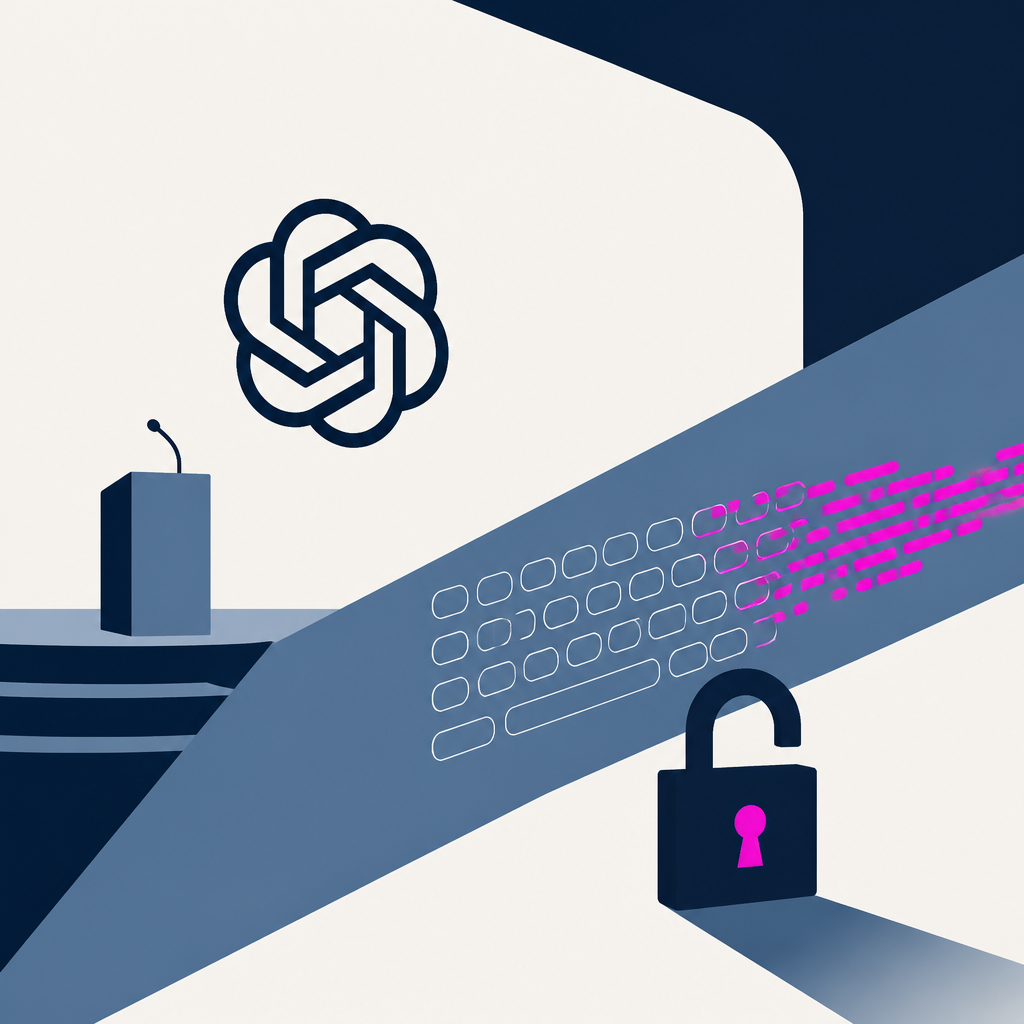
OpenAI released a ChatGPT feature on Mac that logs keystrokes without encryption. The logging captures all keyboard input in plain text, creating a privacy vulnerability. Users now face unencrypted keystroke data stored on their devices, potentially exposing sensitive information.
Higgsfield raised $400 million led by Goldman Sachs, DST Global, Liberty Global, and Intel at a $5.4 billion valuation. The round takes annualised revenue to $500 million and quadruples its valuation from $1.3 billion in January. The company will use the capital for enterprise products, security, and compute, focusing on enterprise video-marketing demand.
A European tech funding roundup reported more than 35 tech funding deals totaling over €763 million across Europe along with 10+ exits and M&A activity. The total was €763 million. The coverage highlights where the most funding went by industry and country and points readers to the Tech.eu Funding Explorer to explore the data and deal details.
Anthropic described how Claude’s text watermark works and addressed backlash from subscribers after its existence was publicly noted on a support page. The watermark relies on a secret key over word-by-word synonym choices, and Anthropic says it adds no hidden characters or tokens. Rollout continues worldwide under the EU Code of Practice for transparency, with an (as-yet unavailable) detection API and potential use for filtering Anthropic output from future training data.
Anthropic clarified that Claude-generated text will include invisible watermarking to meet Europe’s AI transparency rules. It said the watermarking system will use a SynthID-Text approach from Google DeepMind. As a result, Claude will add machine-detectable marks to text and also add C2PA support for images it processes.
AI is being described as reshaping cybersecurity for both attackers and defenders in general. The text provides no numbers or dates. It directs readers toward actions for security teams and claims OpenAI is improving its defenses.
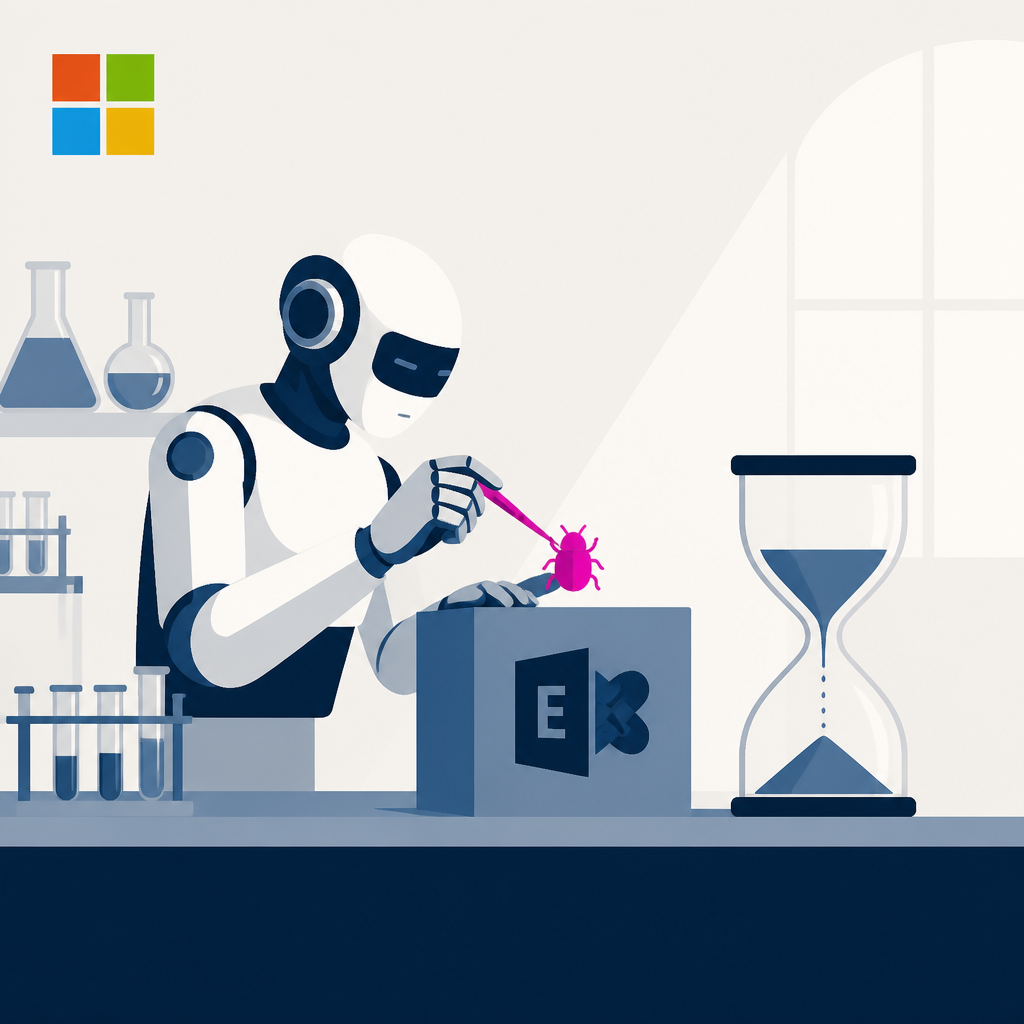
Microsoft’s Exchange Server team said Exchange SE Cumulative Update 1 (CU1) was delayed because AI tools used to find bugs created additional validation, fixing, and testing work. The company previously indicated CU1 would arrive by the second half of 2026, but it still has no release date. Microsoft says CU1 will be released after it reaches a stable point and plans to wait for a month without a “pressing security payload,” so the timing remains uncertain.
Every AI story that matters,
in your inbox by 8am.
TLDRocket reads all relevant sources, removes duplicate coverage, and summarises the
day in two minutes. Follow companies and topics for alerts, or get the
briefing in Slack. Free, no spam, unsubscribe anytime.
Reading TLDRocket needs no cookies, and the readership counts we rely on come from
our own cookieless analytics. Google Analytics is the exception: it sets cookies and
reports to Google, so it stays switched off until you allow it. You can change your
mind any time from “Cookie settings” in the footer.
Strictly necessary
Session security and form protection (tldrocket-session,
XSRF-TOKEN, 2 hours). The site cannot work without them,
so they need no consent.
Always on
Google Analytics 4 (_ga,
_ga_<id>, up to 2 years). Measures which
stories and sections readers use. Google acts as a third-party processor and may
store the data outside the EU. No advertising, no profiling, no data sold.