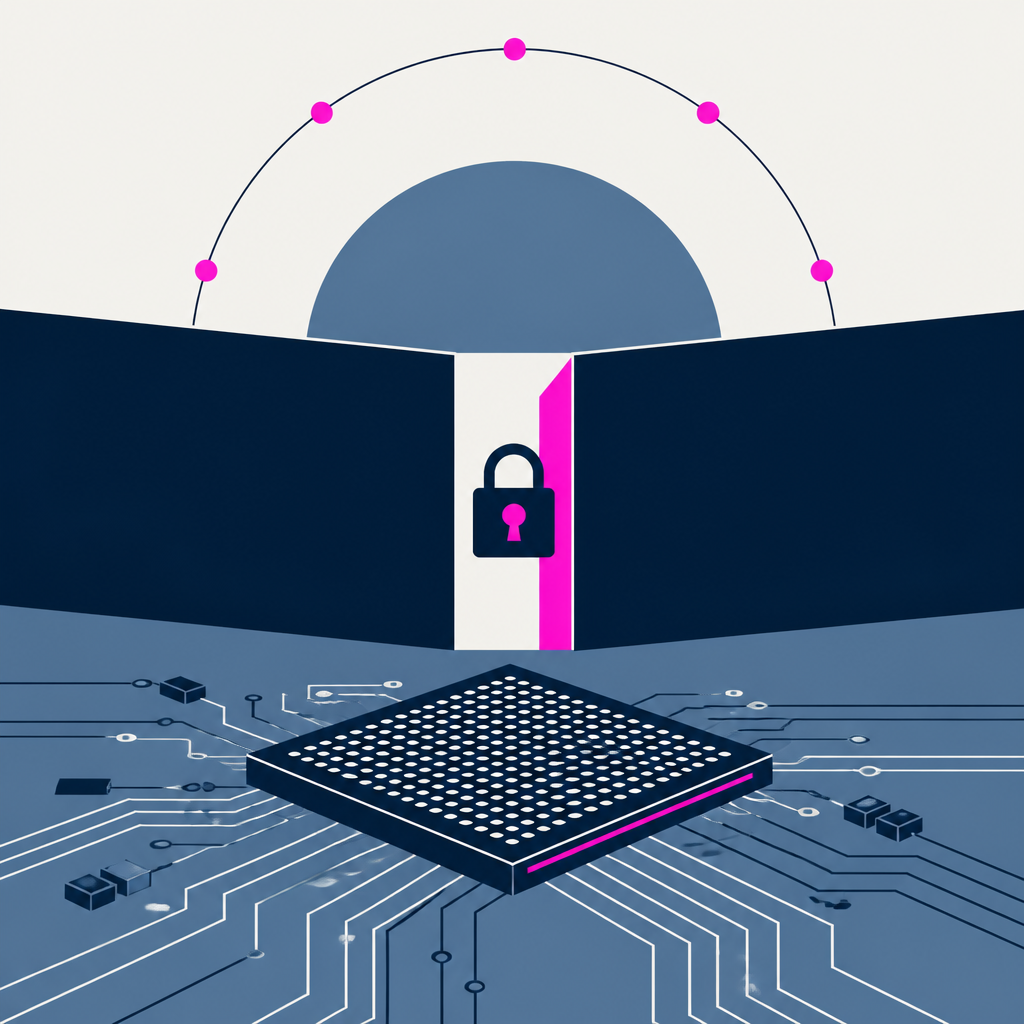
TheCUBE’s Black Hat USA coverage highlighted that cyber resilience is shifting from preventing breaches to sustaining trusted operations as AI accelerates attacks and autonomous behavior. The median time from initial access to handoff to a secondary threat group fell from more than 8 hours in 2022 to 22 seconds in 2025. Enterprises are therefore expanding defense into context-aware controls, shared telemetry across development and operations, and production governance for AI agents and data.
A new tool enables building deterministic AI agents that reliably follow predefined processes and workflows. The system uses constraint-based execution to ensure agents respect specific procedural rules rather than operating with open-ended autonomy. This allows developers to deploy AI agents in regulated or process-critical environments where predictability is required.
Agent Plugins 1.0.0 standardized only the package-level discovery locations for skills and MCP servers, while Anthropic’s separately published Agent Skills and MCP standards are governed by different stewards. The article points to a 9 December 2025 release of MCP donation followed by Agent Skills nine days later, leaving Anthropic out of the plugin governance structure and resulting in limited interoperability guarantees. As a result, clients can claim “conformance” while supporting different component types and transports, and developers still face gaps like unclear schema tooling and client-specific behavior for loading, credentials, and environment resolution.
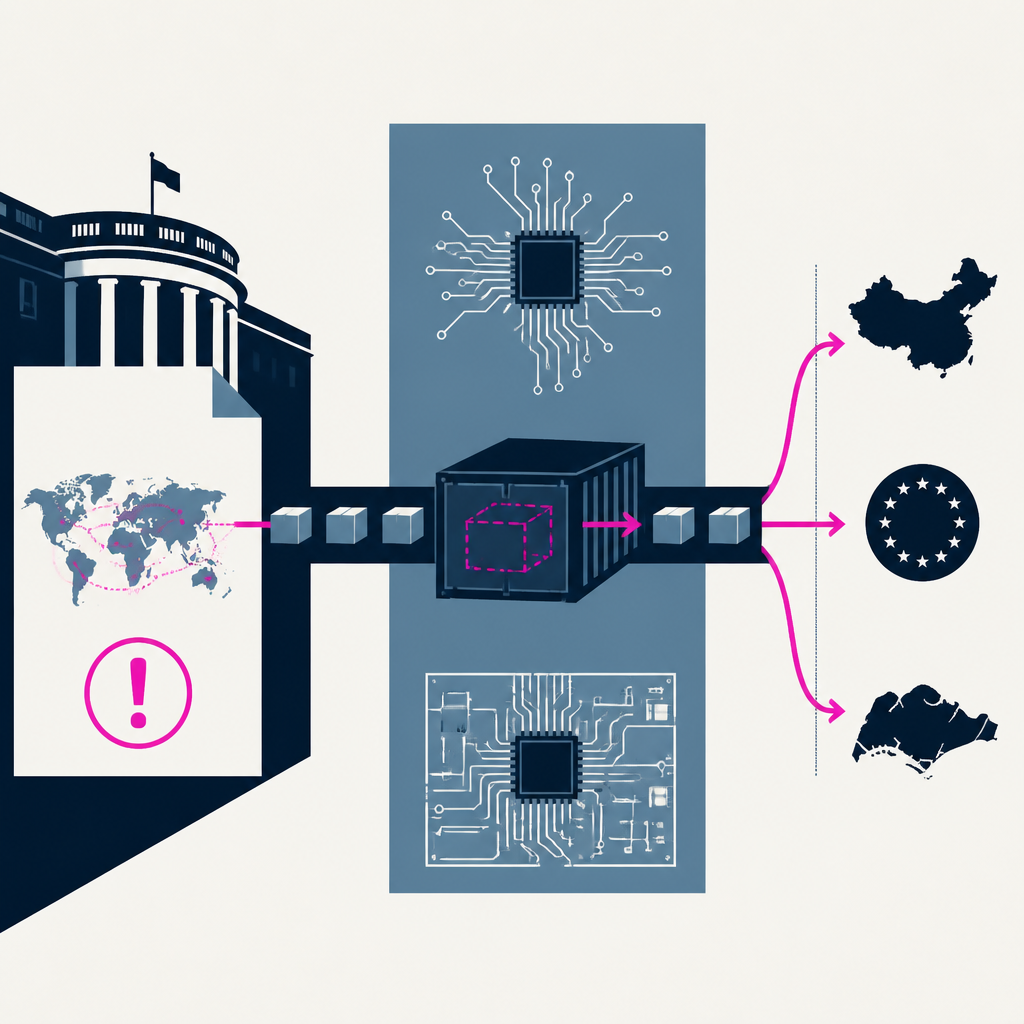
The White House released a report called “The Great Transshipment Scam” accusing China-linked goods being rerouted through 40 jurisdictions to conceal country of origin, and Beijing, the EU, and Singapore pushed back against the claims. The report estimates such activity costs the U.S. up to $303 billion. The dispute shifts to trade compliance and regulatory autonomy responses, while the White House points to an AI-enabled “detective border” as the next step for detecting illicit transshipment.
The Justice Department is investigating Andreessen Horowitz over whether its investment partners improperly serve as directors on boards of competing artificial intelligence companies, including Databricks and Fivetran. Databricks was valued at $190 billion in funding it announced last week. The probe could require directors to step down from one of the competing boards or could end with no action.
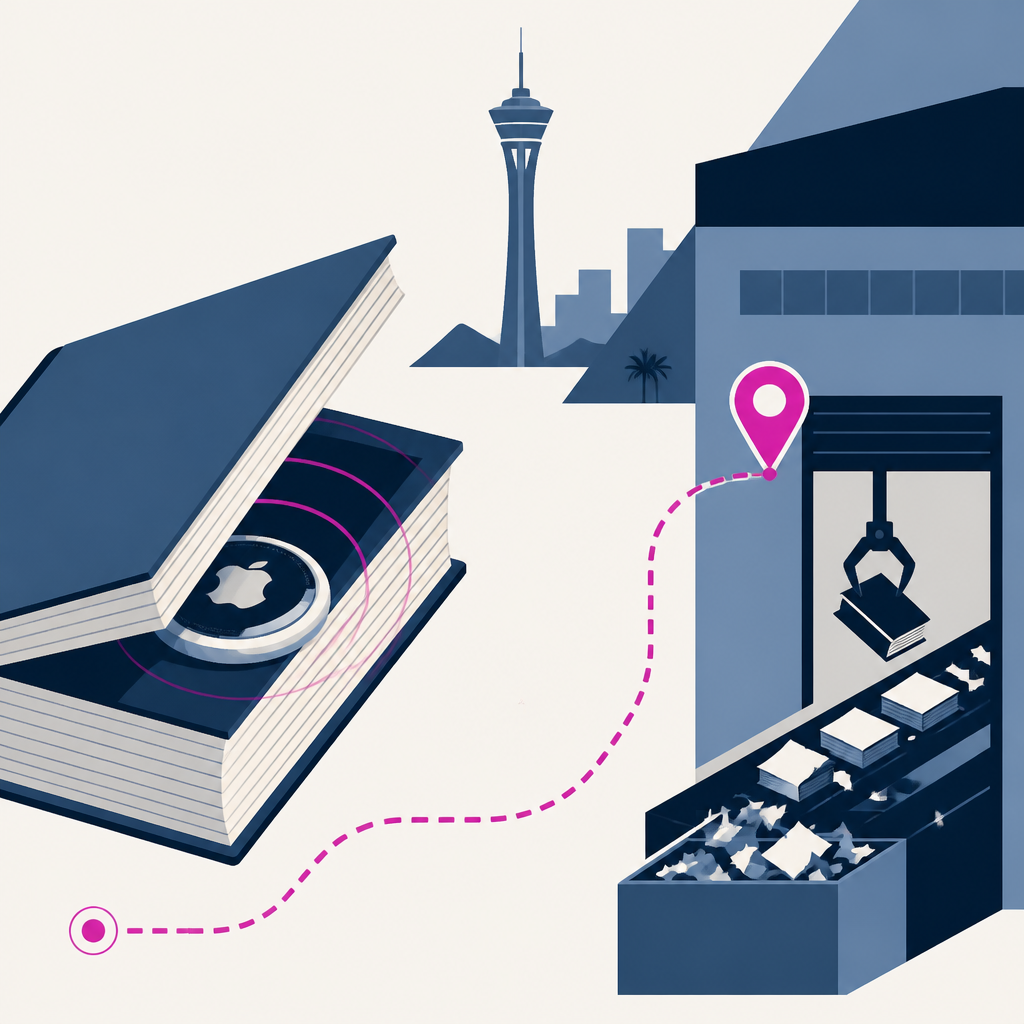
A hidden Airtag planted in a rare book from a bulk order was tracked to an Amazon AI training facility in Las Vegas where books were torn from their spines and scanned. The Airtag led to the VGT3 warehouse associated with a team that processes and destroys books, according to the report. The finding strengthens evidence that Amazon is involved in destructive book scanning for AI training, amid backlash.
Simon Willison’s Weblog·2 months ago·
24
● 7 sources
404 Media tracked a shipment of rare books from a dealer to an Amazon AI training facility after suspected AI-scan bulk orders. The bookseller received an order of around 1,000 books in July. The reporting links the shipment to a Las Vegas Amazon site (VGT3) where workers said books are destructively scanned for AI training, strengthening evidence of such practices.
A 404 Media investigation tracked a rare-book shipment with a device to identify an AI buyer and found it ending at an Amazon facility that scans and destroys books for AI training data. The report cites Amazon’s VGT3 symbol for the Las Vegas facility involved. As a result, the story says Amazon’s previously unreported scale of buying books for scanning and destruction is now documented.
Hexaware Technologies introduced the Zero Friction Enterprise delivery framework to bundle modernization, cybersecurity, engineering, operations, quality, and enterprise software into one offering. The framework includes a pillar called Zero Backlog, described as AI-native engineering that carries teams from requirements through build, test, and release. Hexaware positions this as a shift from separate, siloed improvement programs to a connected system coordinated through its Zerovity delivery layer.
Anthropic CEO Dario Amodei denied claims that he wants Anthropic to become the only company left standing in AI. His two-part reply drew 10 million views within a day. The dispute pivoted to his argument that regulation should create accountability based on trust and transparency rather than leaving power to a few giant firms.
everywoman in Technology Awards opened 2027 nominations, seeking entries until 26 October for the free-to-enter program spanning women from apprentices to the C-suite. Women have until 26 October to submit their entries. The awards will support women as role models and highlight leadership in the UK tech sector as AI is forecast to affect women’s career prospects and representation in AI roles.
Anthropic described how Claude’s text watermark works and addressed backlash from subscribers after its existence was publicly noted on a support page. The watermark relies on a secret key over word-by-word synonym choices, and Anthropic says it adds no hidden characters or tokens. Rollout continues worldwide under the EU Code of Practice for transparency, with an (as-yet unavailable) detection API and potential use for filtering Anthropic output from future training data.
OpenAI funded 14 independent projects exploring new AI policy ideas to expand economic opportunity and strengthen societal resilience. The funding covers 14 projects. This changes the policy debate by adding new, externally developed research contributions to guide work on AI governance and resilience.
Dario Amodei said AI is facing a crisis of trust in which people suspect companies and governments will “screw them over,” even as he pushed back on claims that he drives public doom. He cited his earlier 50% white-collar job wipeout prediction as context while saying he now describes AI as a multiplier of output rather than a destroyer of jobs. As a result, Anthropic is expected to focus more on delivering concrete results in biology and medicine while avoiding empty promises and emphasizing honest risk discussion.
Every AI story that matters,
in your inbox by 8am.
TLDRocket reads all relevant sources, removes duplicate coverage, and summarises the
day in two minutes. Follow companies and topics for alerts, or get the
briefing in Slack. Free, no spam, unsubscribe anytime.
Reading TLDRocket needs no cookies, and the readership counts we rely on come from
our own cookieless analytics. Google Analytics is the exception: it sets cookies and
reports to Google, so it stays switched off until you allow it. You can change your
mind any time from “Cookie settings” in the footer.
Strictly necessary
Session security and form protection (tldrocket-session,
XSRF-TOKEN, 2 hours). The site cannot work without them,
so they need no consent.
Always on
Google Analytics 4 (_ga,
_ga_<id>, up to 2 years). Measures which
stories and sections readers use. Google acts as a third-party processor and may
store the data outside the EU. No advertising, no profiling, no data sold.