Higgsfield AI and other AI video startups are moving into Hollywood production, using generative tools to create films and parts of the production pipeline while studios and unions set rules for how the tech can be used. Higgsfield AI made the 95-minute Cannes debut Hell Grind in under three weeks on a $500,000 budget, with 4/5 of spending going to compute. As a result, studio contracts add guardrails for AI use and payment, while more content spending shifts toward AI-assisted workflows and new roles for human creatives.
Grokipedia, SpaceXAI’s AI-powered Wikipedia alternative, started incorporating edits again and received design tweaks in a v0.3 update. The update added a new logo and expanded the homepage and live edits page, including a tracker for the latest edits. As a result, the homepage now shows featured and most-read article lists plus a latest-edits tracker instead of only a logo and search bar.
Snapset was listed on Product Hunt as a Mac menu bar app that remembers a workspace and rearranges it when you change displays. It offers a free test with 20,000 credits. As a result, Mac users can switch setups automatically across monitors without manually reconfiguring windows and tabs.
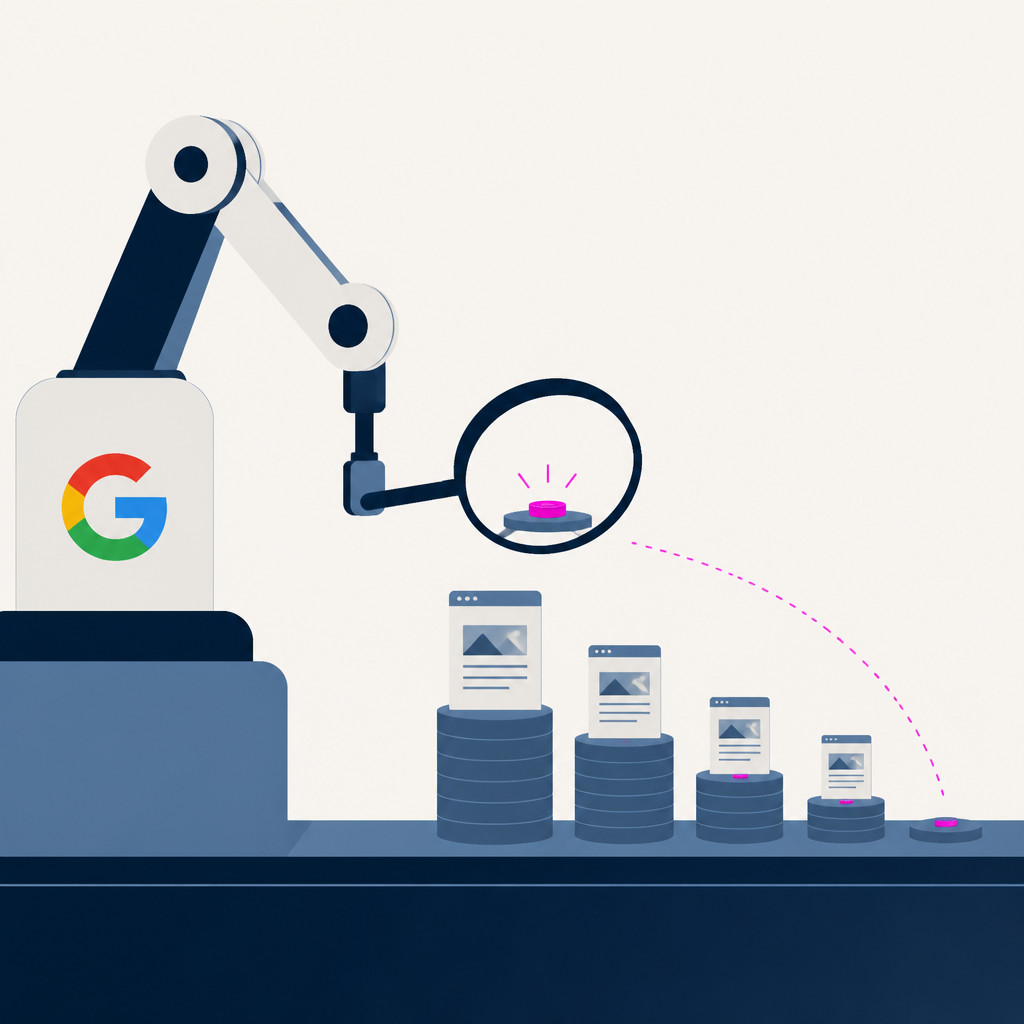
Google has tested paying publishers when their content appears in Gemini-powered AI search answers, but reports say the payments are extremely small. About 100 publishers were admitted, and payouts are reportedly around 0.1% of advertising revenue. Publishers are becoming skeptical and some larger publishers have declined to participate, hoping for better terms.
Thanor AI launched to help users build AI-assisted websites that look less obviously AI-generated by structuring prompts more effectively.
It launched today.
It now offers an MCP server and plans a cloning tool that will let users turn a site they like into a new design.
Startup leaders say PR and communications can speed fundraising, but most do not use communications for that purpose. About 98% believe communications can help attract investment faster while only 35% use it that way. As a result, the report argues startups should start communicating earlier and use AI for drafting and scale while applying human judgment to maintain credibility and a consistent founder voice.
Vitra.ai launched today an agentic content platform for creating and localizing content. The platform supports translation into 100+ languages. It replaces multiple tools by running end-to-end workflows (including dub with lip-sync and design translation) with team approvals to keep outputs on-brand.
Airbnb rolled out new fall app updates that add AI-powered property discovery alongside expanded travel services and added social discovery features. The new AI search can be enabled with a toggle that lets users search via text or voice prompts. The app now generates dynamic filters from search terms (like “baby”) and uses AI to surface property highlights and summarize wish-list reviews, while social features show a map of connections’ past and upcoming trips with an option to keep trips private.
A vibe-coded website became more distinctive when the workflow shifted from requesting polished output to building design taste and providing specific visual direction. The process focuses on using references and critique along with typography and deliberate constraints. As a result, the site’s visuals are shaped more intentionally and are positioned as higher-value through clearer creative direction.
Instagram is adding an AI creative assistant inside its Edits app to give creators feedback and suggestions for their posts. The assistant uses Instagram account metrics including retention and pulls in data such as likes, views, and shares. As a result, creators can ask open-ended questions about what’s trending, why specific videos performed differently, and which content resonated most.
The author says AI helped create a new cologne after seeing a wired exhibit cart at HumanX in Amsterdam and then describing the result as smelling like success. The post reports ingredients or results as 98% lqafm (with the rest broken into smaller percentage shares). As a result, the author uses the experience to promote the idea of AI-assisted fragrance creation, but the underlying technical details are unclear due to garbled text.
StreamTV cut its staff after an investor pulled out at the signing date of a funding round, then later acquired TikFinity and rebuilt it while it stayed running. TikFinity 2.0 started rolling out gradually in August, and StreamTV reports 2.9 million creators have signed up. The pivot to TikTok LIVE makes StreamTV’s focus shift toward a livestream-interaction tool and leads to new products like automatic livestream recording and planned AI-based clips.
Every AI story that matters,
in your inbox by 8am.
TLDRocket reads all relevant sources, removes duplicate coverage, and summarises the
day in two minutes. Follow companies and topics for alerts, or get the
briefing in Slack. Free, no spam, unsubscribe anytime.
Reading TLDRocket needs no cookies, and the readership counts we rely on come from
our own cookieless analytics. Google Analytics is the exception: it sets cookies and
reports to Google, so it stays switched off until you allow it. You can change your
mind any time from “Cookie settings” in the footer.
Strictly necessary
Session security and form protection (tldrocket-session,
XSRF-TOKEN, 2 hours). The site cannot work without them,
so they need no consent.
Always on
Google Analytics 4 (_ga,
_ga_<id>, up to 2 years). Measures which
stories and sections readers use. Google acts as a third-party processor and may
store the data outside the EU. No advertising, no profiling, no data sold.