OpenAI launched two new shopping features inside ChatGPT, including a virtual try-on for clothing and accessories and a Favorites option to save items for later. The try-on uses OpenAI’s ChatGPT Images 2.5 model, which the company says reduces image generation latency. Users can now upload a selfie or full-body photo to see items on them and save products they like in a Library for future reference.
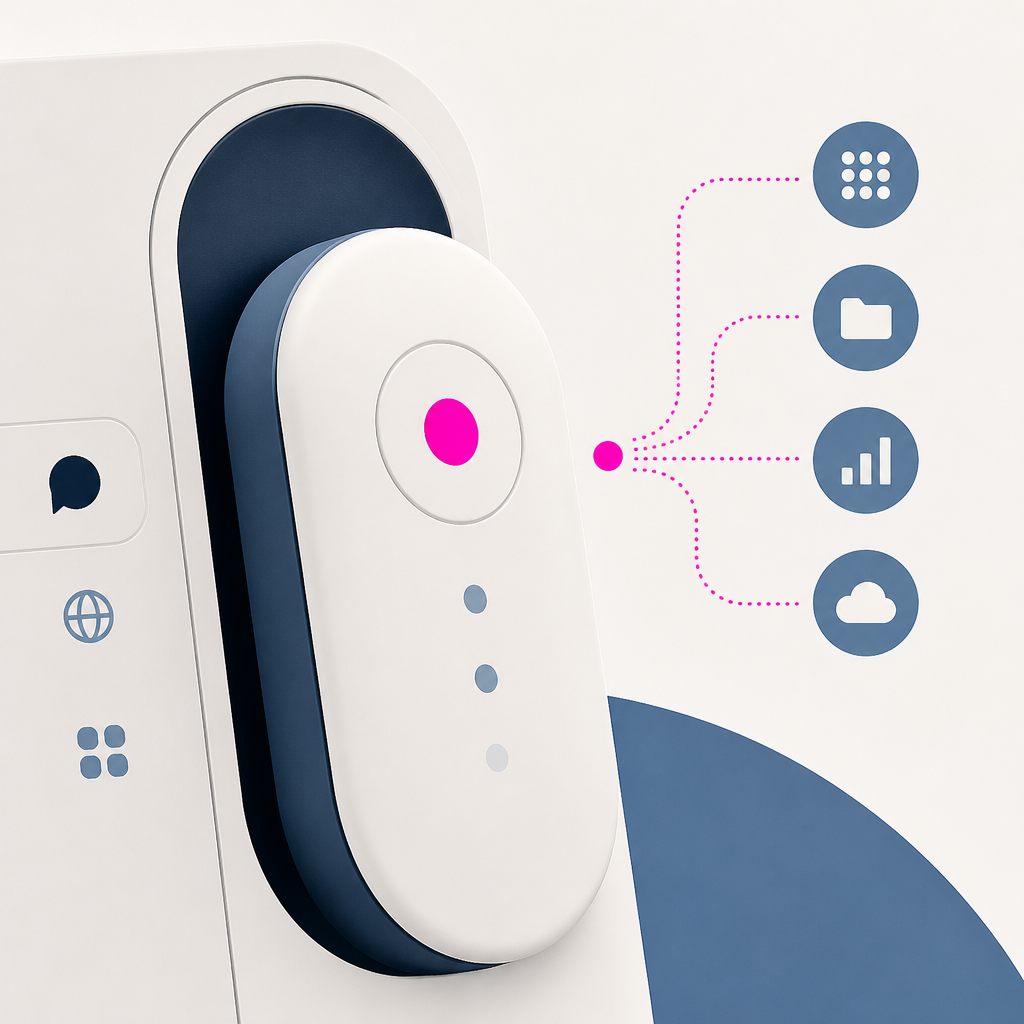
OpenAI launched Dots at DevDay, its always-on personal agent that can message proactively and orchestrate tasks across Codex/ChatGPT Work. The Pro 500 plan prices usage at 25x the $20 Plus plan multiplier. Dots is integrated into the ChatGPT sidebar and relies on tool connections for capabilities rather than user-added markdown personality files.
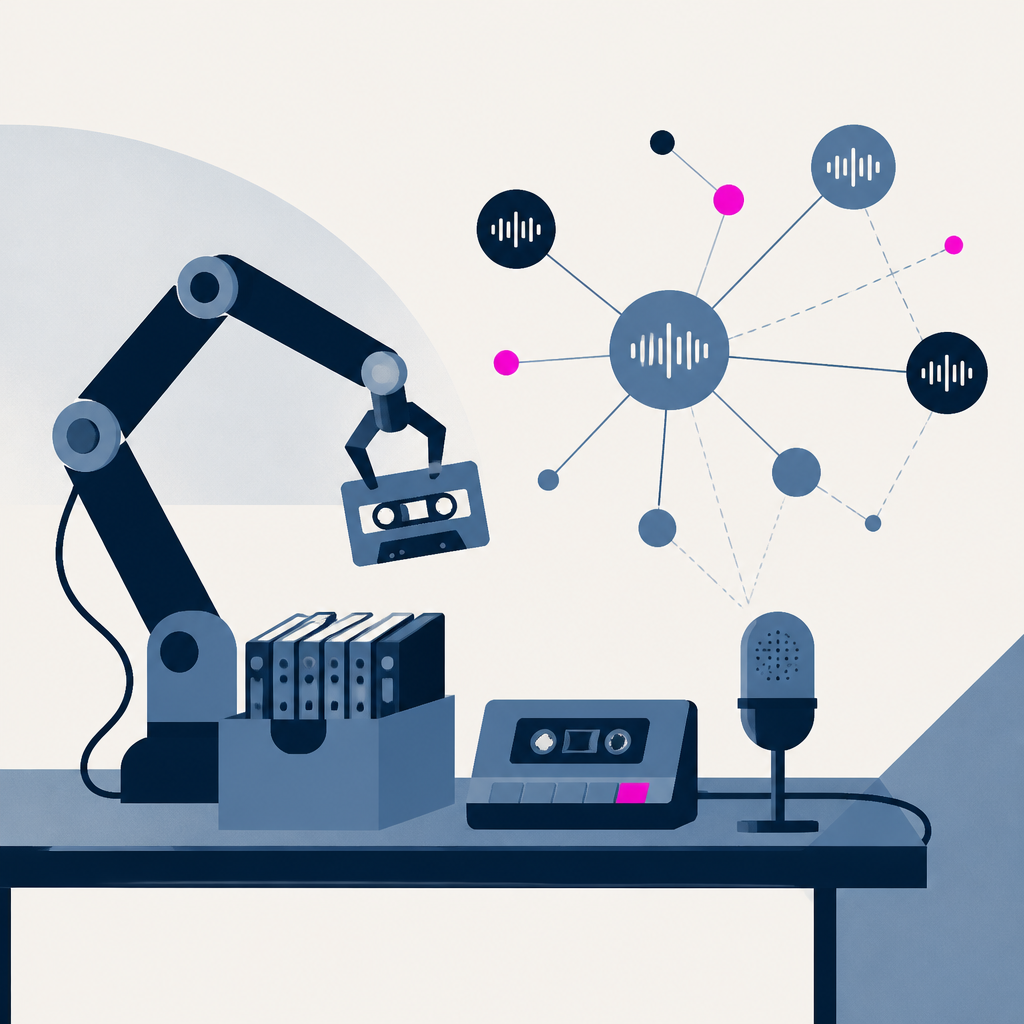
Good Tape, an AI transcription company, received investment from Nordic Makers and launched Explore, a feature that links each new recording to prior transcriptions to help users trace changes and contradictions. Explore launched this week, and Good Tape reports completing more than 15 million transcriptions across over 100 languages. Users can now navigate an interview “organizational memory” with safer access controls, shifting the product from plain transcription toward searchable contextual recall across months of audio.
Curiosity.ai rebuilt its entire website and design assets by using AI to restyle and redraw the site in multiple branded visual directions, then pick a winner via a live comparison game. The original rebuild covered all 67 pages, with the winning design rolled out on September 28 and additional style rounds used through September 29. The process replaced the prior brand with a monochrome scheme using one electric blue and generated design rules, and it removed the non-winning variants and their tooling.
ngram released “ngram 2.0,” an AI video agent that turns release notes, specs, screenshots, docs, URLs, and product recordings into product videos. It’s branded as “2.0.” This shifts product update communication from text-only changelogs to automated video planning, scripting, storyboarding, and visual variant creation.
Ancher launched Ancher 2.0 as an AI knowledge workspace that captures what users read, watch, and save and turns it into searchable knowledge and deliverables. The release is “Launching today.” It changes how users turn stored sources into research briefs, reports, presentations, and content in their own voice instead of organizing everything into folders.
Never Boring AI launched as an AI agent for LinkedIn that interviews users, drafts posts in their voice, and schedules them automatically. It supports English and French. This changes content planning by letting users delegate interviewing, writing, and posting to the tool instead of doing it manually.
Every AI story that matters,
in your inbox by 8am.
TLDRocket reads all relevant sources, removes duplicate coverage, and summarises the
day in two minutes. Follow companies and topics for alerts, or get the
briefing in Slack. Free, no spam, unsubscribe anytime.
Reading TLDRocket needs no cookies, and the readership counts we rely on come from
our own cookieless analytics. Google Analytics is the exception: it sets cookies and
reports to Google, so it stays switched off until you allow it. You can change your
mind any time from “Cookie settings” in the footer.
Strictly necessary
Session security and form protection (tldrocket-session,
XSRF-TOKEN, 2 hours). The site cannot work without them,
so they need no consent.
Always on
Google Analytics 4 (_ga,
_ga_<id>, up to 2 years). Measures which
stories and sections readers use. Google acts as a third-party processor and may
store the data outside the EU. No advertising, no profiling, no data sold.