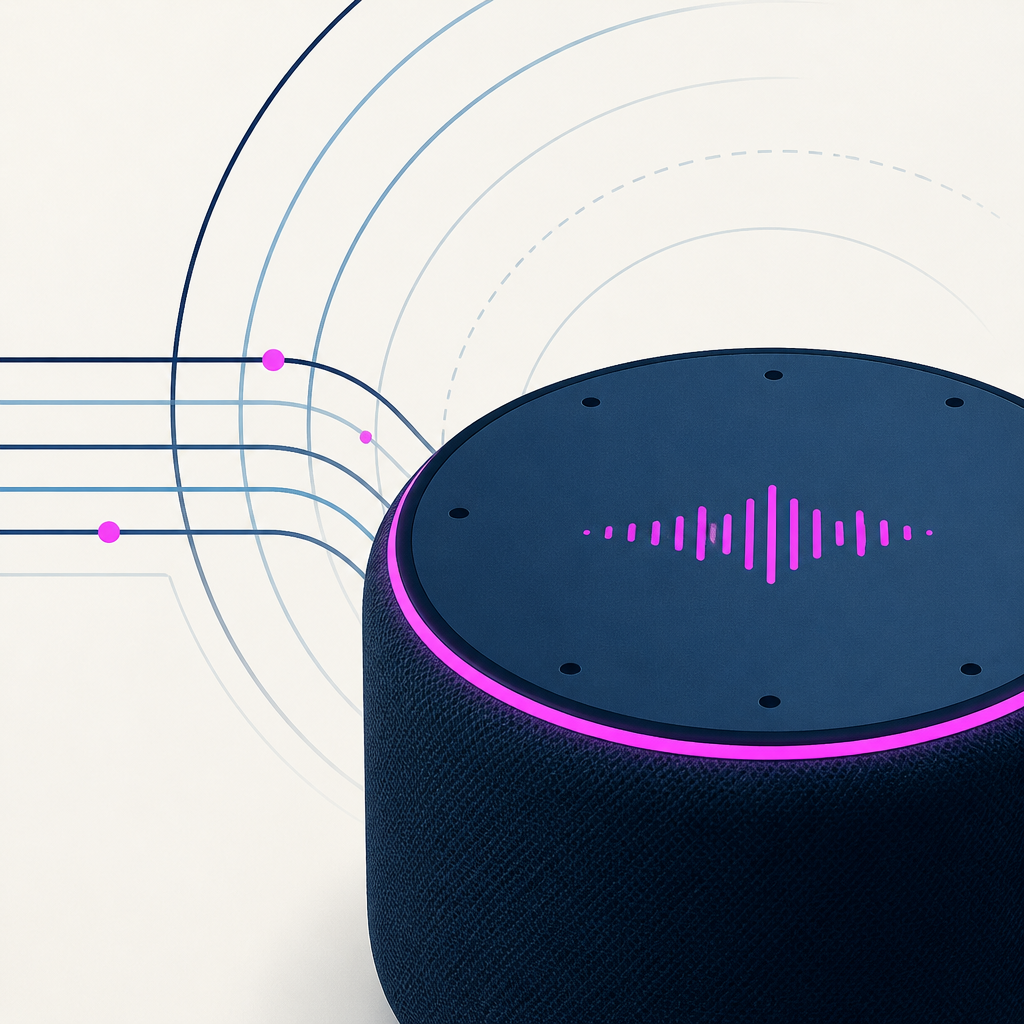
SpaceXSI released Grok Voice 3.0, a speech-to-speech model powering its Voice Agent API for customer support and sales calls. Artificial Analysis rated Grok Voice 3.0 at 86.9 on its Speech-to-Speech Index, ahead of OpenAI’s GPT-Live-1 at 83.2 and Google’s Gemini 3.8 Live at 82.6. The model is now available in production at 8 cents a minute, with developers moved to a grok-voice-latest alias without changes, and it is reported to improve call quality, cost per task, and accuracy on EVA-Bench.
The authors argue that AI research is overfocused on automating human labor and propose shifting toward AI designed for human-AI collaboration instead. They point to low latency—describing it as necessary to support real-time interaction like a natural conversation—as a key research target. This changes AI development by prioritizing white-box, low-latency, continually collaborative, and collaboration-focused evaluation directions over black-box delegation systems.
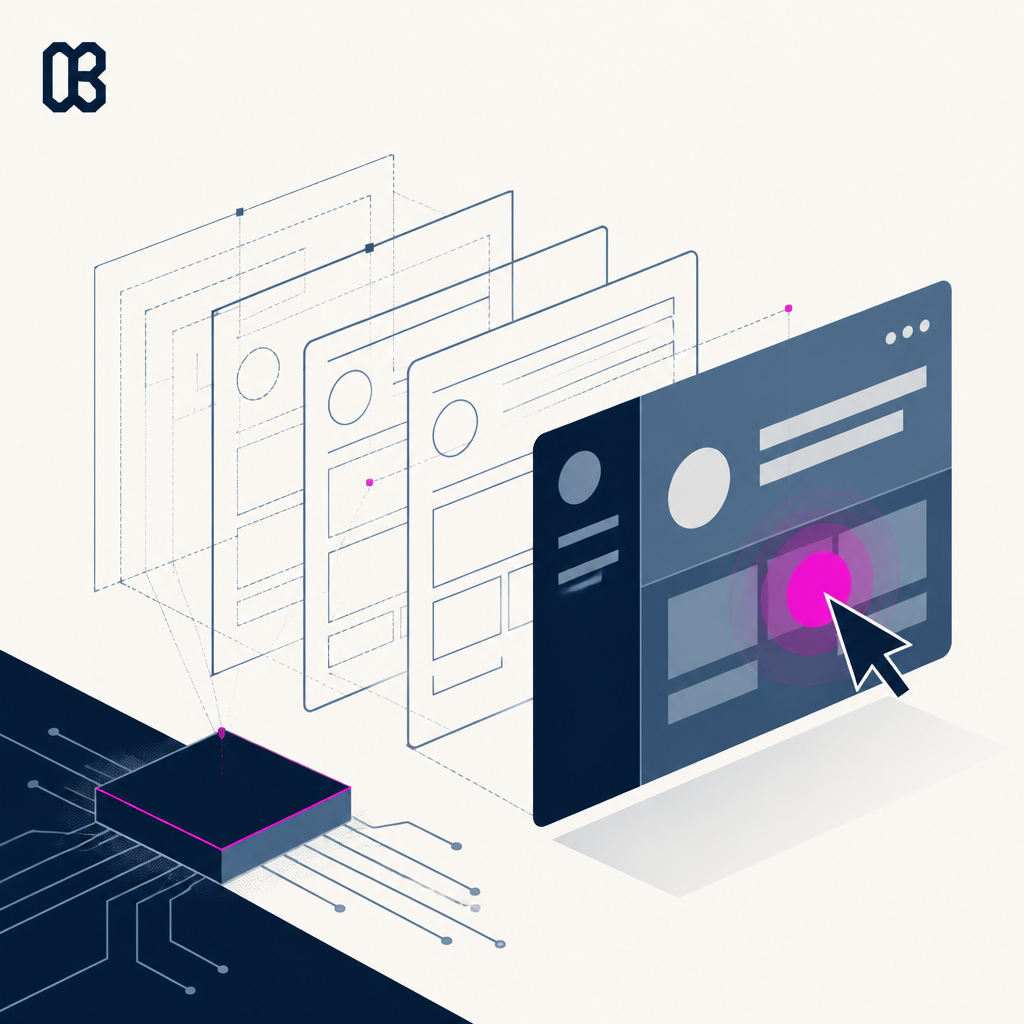
Runway’s Solaris generates software interfaces frame by frame and updates them in response to clicks, drags, and keyboard input. The key shift is that the interface is produced frame by frame instead of being coded traditionally. As a result, tabs behave more like interactive simulations than static UI built from code, with behavior changing directly from user input.
McKinsey & Company plans to test entry-level applicants by having them complete a 10-minute conversation with an AI simulation of a client during interviews. The simulation is intended to cover 80% of the scenarios McKinsey consultants might face. Human interviewers will still evaluate candidates, so the change is adding an AI role-play step rather than automating scoring.
Fragment, a New York startup, raised $12 million in a Series A to build software that uses double-entry accounting to let AI agents safely handle billing and accounting while checking that records balance before money moves. The funding round closed in mid-2025 and was co-led by FirstMark and BoxGroup, following an $11 million Stripe-led seed. Fragment says this will let companies expand “agentic commerce” by giving businesses a shared transaction record and reducing manual reconciliations across financial systems.
Koch Disruptive Technologies made a strategic investment in Emanate, a San Francisco startup aiming to use AI for industrial sales workflows, with Emanate also previously backed by a16z. The investment amount was not disclosed by either side. The push shifts industrial account handling toward AI-driven, 24/7 use of customer interaction knowledge and a system that can progress from human-in-the-loop to greater autonomous account actions over time.
Apate.ai deployed thousands of undercover AI agents that impersonate scam victims to engage fraudsters and collect intelligence for customers. The company says its agents have wasted 17 years of scammers’ time across 2.5 million conversations. Customers use the extracted details to adjust anti-fraud measures and initiatives, with reported results including a 76% drop in publicly reported scam losses for Commonwealth.
Amazon Bedrock AgentCore multi-agent system is used to classify, extract, validate, and iteratively learn from business documents for agentic intelligent document processing. The end-to-end time drops from 3 minutes 49 seconds on the first run to 1 minute 30 seconds when a second document from the same type is processed, after new extraction instructions are trained and saved. This replaces template-heavy configuration with automated instruction generation and reuse so later documents of a known type avoid manual retraining and run faster.
Google Research used its Research@ 2026 event in Mountain View to demonstrate and expand tools meant to apply AI across domains from health to disaster forecasting. Google.org provided $10 million in funding, including $2 million to the Milken Institute. As a result, partners and the public get broader access to capabilities such as Google Earth AI, Deep Review, MedGemma, AMIE, and other research-backed AI features.
Google released updates on its Geospatial Reasoning agent under Earth AI, including a new technical report and expanded experimental access for testing and development. In early partner work during the 2026 Ebola outbreak in the DRC, the agent helped WHO AFRO’s team pinpoint 48 exposed settlements. The release adds evaluated geospatial reasoning across four benchmarks, new researcher benchmarks, and early access to Ask Google Earth deep analysis plus an agent-to-agent API for custom workflows.
Revenue teams are adopting AI voice agents and RCS messaging agents to contact prospects, qualify leads, and keep conversations moving with faster follow-ups and CRM context. The article says voice and messaging agents should be evaluated through a pilot launch on a limited segment before scaling up, with metrics like qualified leads and scheduled meetings. Scaling depends on integrating with CRM, maintaining conversation context, meeting consent and telecom regulations, and using human handoff for complex or contentious requests.
A financial services team described building an Amazon Bedrock AgentCore system that automatically generates client PowerPoint decks from quarterly reports, compliance documents, and market analyses. The workflow was tested internally and finished in under 90 seconds per presentation. It replaces manual slide creation with a Bedrock AgentCore supervisor that uses RAG over S3/OpenSearch and tools for pptx generation, plus Bedrock guardrails for content safety, returning completed files via presigned S3 URLs.
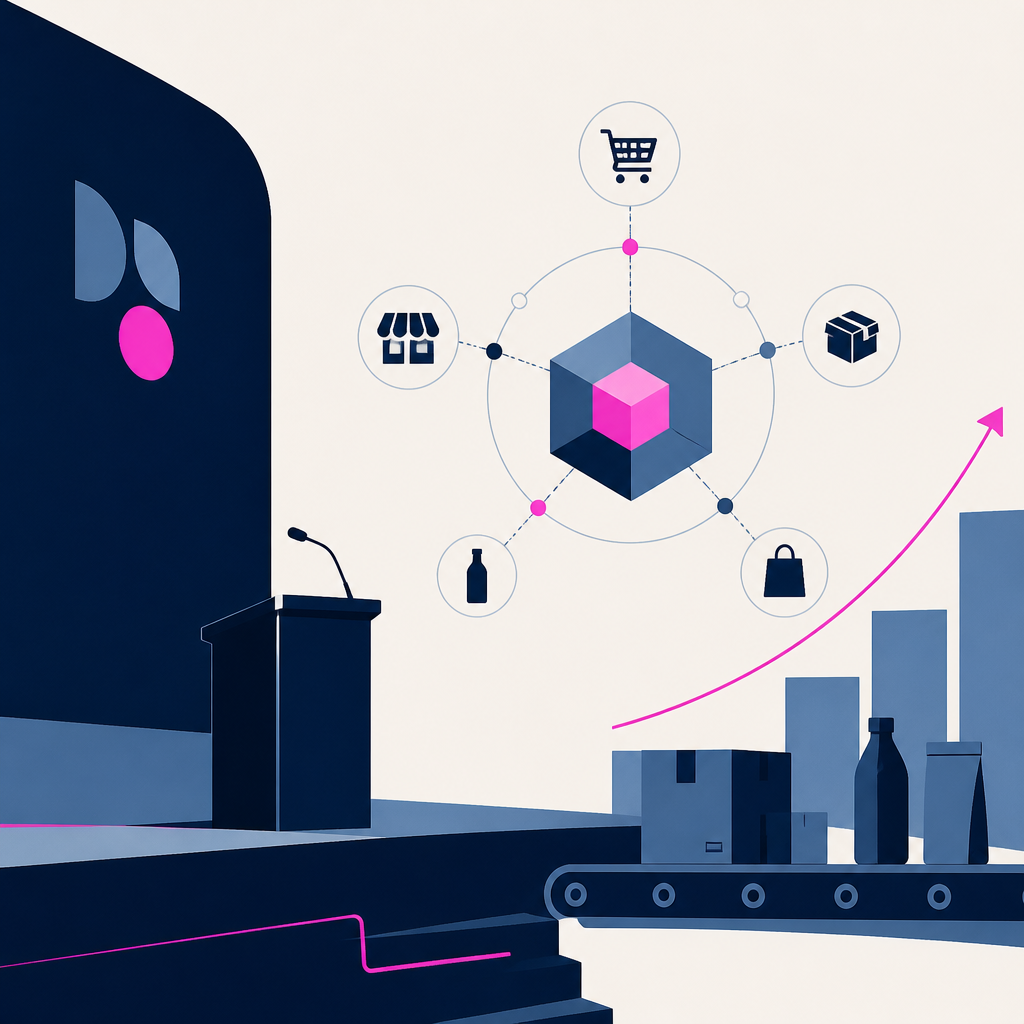
Duvo, an enterprise AI automation startup, raised a $32 million Series A led by Balderton Capital to address stalled “agentic” AI pilots. The round came just 10 months after its $15 million seed. The funding will be used to expand into the US with retailers and consumer goods providers and to push its Enterprise Execution OS approach toward faster, more reliable deployment.
Duvo announced a $32 million Series A led by Balderton Capital to expand its enterprise AI operating system for automating company processes across existing systems. The funding brings Duvo’s total raised to $48 million, with early targeting focused on retailers and consumer packaged goods companies. As a result, Duvo will push faster product-led automation and expand sales efforts, including growth into the US, while positioning AI as embedded productivity tooling rather than a standalone initiative.
Forgepoint raised $9.8 million to automate the RFQ process for manufacturing firms using its AI sales agent, Frank, which generates price quotes from existing systems. The seed round totals $9.8M, co-led by Primary Venture Partners and a16z Speedrun. Early adopters reported a 30% increase in monthly quote throughput and a 55% drop in time to produce quotes.
Square launched the Square Kiosk, a touchscreen ordering kiosk that lets customers talk to an AI to get help with their order. The kiosk’s touchscreen is 21.5 inches. This changes in-store ordering by adding voice-based questions and real-time requests for modifications and substitutions while customers browse the menu.
Harmonic Security raised a $50 million Series B to control and monitor how employees use AI tools in enterprises. The round was led by Crosspoint Capital Partners. The company will invest the new funding in engineering, sales, and marketing, reaching more than 90 employees in the US and UK and building its small language model-based controls for AI usage.
Google’s Gemini 4 Argon model is being presented as a partner for researchers, engineers, and cybersecurity teams to support work in science, math, robotics, and defense. It claims first place on CWE-Bench v1.0 at 68% for vulnerability remediation and says Argon is available today for Google AI Pro and Ultra subscribers. The rollout expands access and support across use cases (including robotics simulation from video and legal/financial charting and analysis) while adding safety measures like refusing harmful requests and monitoring actions.
Claude’s creator explains a four-part framework for using AI models more ambitiously across Speed, Altitude, Depth, and Range, with examples drawn from using Claude for tasks like maintaining crash-free apps and improving business reviews.
FLÆ Robotics secured €1M+ in funding from Purple Ventures to deploy an AI receptionist for 60+ hotels. The round size is €1M+. The company’s AI receptionist rollout expands across more hotels.
Scimplify raised $25 million to expand its AI-powered specialty chemical and critical materials manufacturing aimed at reducing reliance on China. The funding round values the Bengaluru startup at $250 million and is projected to deploy about $7.5 million toward U.S. expansion over the next year. Scimplify expects faster delivery from requirements to finished materials, a larger U.S. and Japan production footprint, and continued revenue growth toward a $400 million annualized run rate.
SolarWinds launched Avior, a standalone agentic AI system designed to handle first-line enterprise IT operations while keeping agent actions auditable and repeatable. Avior pairs “probabilistic models” with deterministic execution, and it is available starting today via a guided onboarding program. It consolidates related alerts into single incidents, detects out-of-channel configuration changes, retires stale device inventory records, and requires explicit human approval for actions classed as potentially dangerous.
Google engineers ran Gemini 4 Argon on the google/adk-python codebase overnight to find and fix cross-file performance bottlenecks and produced a pull request with proposed framework optimizations. It cut ADK in-memory session prep time by about 40% in long sessions and reduced cold package import time by 21%. After maintainer review, 2 of 6 proposed optimizations were shipped to production while 4 were rejected for issues like fragility, extra complexity, or synthetic-only gains.
A free desktop app was launched that lists multiple AI coding agents as an MSN-style buddy list and lets them collaborate on code tasks across macOS (Apple Silicon), Windows, and Linux. It supports a set of four agents alongside code-review, terminal runs, app previews, and PR-check tracking. By putting the agents into a shared chat workspace with separate Git worktrees, it changes how developers coordinate and review multi-agent coding work.
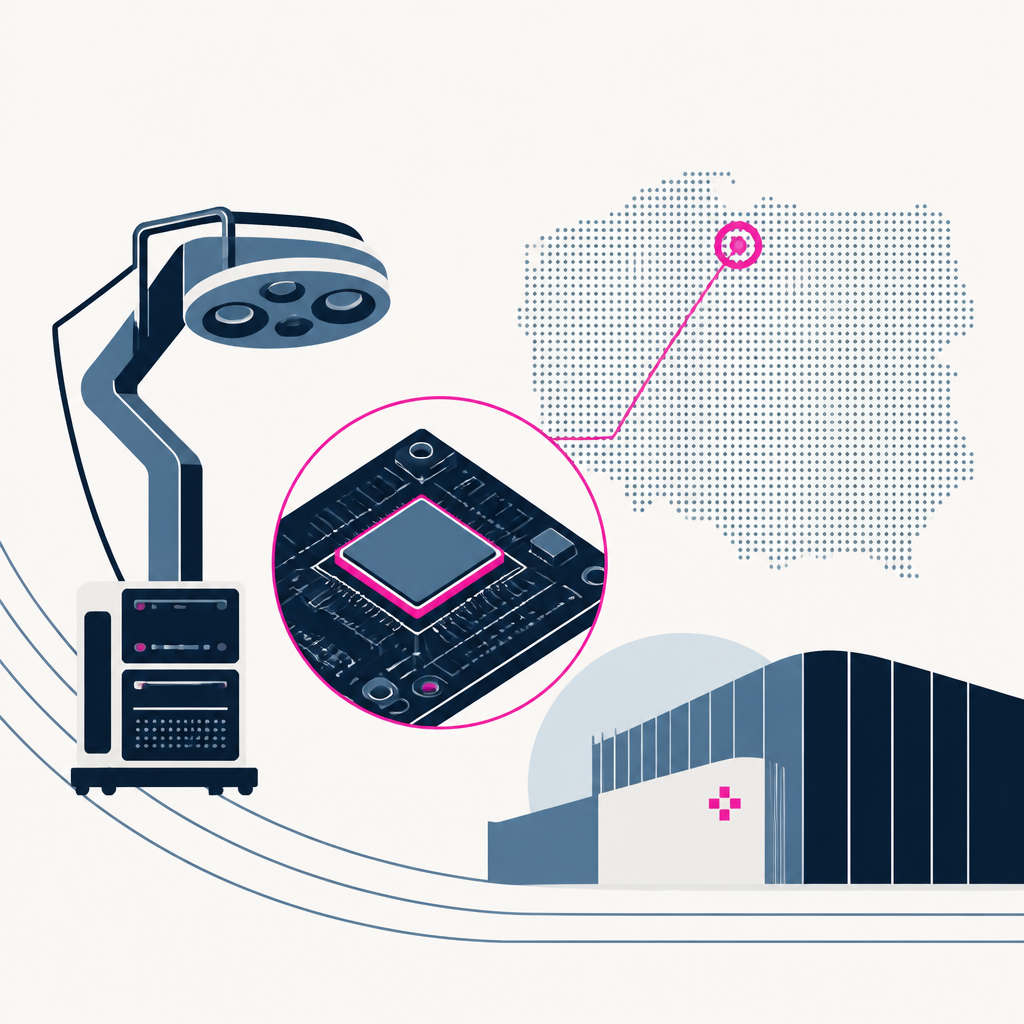
VitVio is partnering with UCK Gdańsk to deploy its AI-powered surgical operating system, Vetro, in Poland starting with a pilot in a small number of operating rooms. The initial rollout covers a small number of operating rooms across orthopaedics and neurosurgery. After the pilot, VitVio and UCK Gdańsk will review results against current operating-room performance before planning a broader rollout.
Block is building AI-powered security using OpenAI technology to help its security team investigate threats and propose patches faster. The article says the team can propose patches in minutes. As a result, threat investigation and patching workflows speed up, reducing the time between identifying a threat and applying fixes.
Neura Robotics launched Neuron AI, its own A.I. model for controlling robots using vision plus touch, hearing, and memory. The model was trained entirely in Germany. Neura says customers can train it via Neuraverse and roll out new skills across fleets, aiming to reduce dependence on major U.S. robotics model providers.
European cities across EMEA are deploying NVIDIA-powered physical and agentic AI systems, including digital twins, to support urban operations and public services. One program in France’s Côte-d’Or reported cutting document search time from weeks to minutes and targeting a 10% reduction in total operating costs (with a 30% goal at scale). As these pilots move toward everyday use, cities are scaling local AI “factories” to process local data and run the agents more broadly across departments and municipalities.
Chainguard launched an AI-powered security harness and three related products to help coding agents discover and fix vulnerabilities that conventional scanners miss. Chainguard’s survey found that 66% of companies with $1 billion or more in revenue knowingly leave high or critical vulnerabilities unpatched at least sometimes. The update expands AI-assisted security from container images and dependencies into isolated agent microVMs, CI verification, and secure package remediation endpoints.
Chatway launched “Chatway MCP,” a customer service platform that lets users connect their own AI agents to handle live chat support tickets. The launch is “Launching today.” The change is that ChatGPT, Claude, Gemini, Cursor, or any MCP-compatible assistant can answer tickets through MCP, REST API, and webhooks, with a free plan available.
CmdRound launched an assessment platform that gives candidates 55 minutes using Claude Code in a real codebase for an AI-agents-focused engineering test.
Kalender Sync launched to sync Google, Outlook, iCloud, and supported CalDAV calendars with ChatGPT and other assistants. Users can choose between syncing busy-only, title and time, or full event details. The change enables availability checks and event creation across the connected calendars for supported providers.
OpenAI cancels a new model on the eve of its developer conference amid safety fears. The cancellation of that new model is the key change. As a result, the company shifts focus toward a more business-oriented approach to agents while facing ongoing safety and identity concerns.
The EU’s next chapter in AI is being framed around the growing adoption of agentic AI by enterprises and small businesses. The analysis says this growth is occurring across EU enterprises and small businesses. It argues that deeper agentic use could unlock more value for these organizations.
Every AI story that matters,
in your inbox by 8am.
TLDRocket reads all relevant sources, removes duplicate coverage, and summarises the
day in two minutes. Follow companies and topics for alerts, or get the
briefing in Slack. Free, no spam, unsubscribe anytime.
Reading TLDRocket needs no cookies, and the readership counts we rely on come from
our own cookieless analytics. Google Analytics is the exception: it sets cookies and
reports to Google, so it stays switched off until you allow it. You can change your
mind any time from “Cookie settings” in the footer.
Strictly necessary
Session security and form protection (tldrocket-session,
XSRF-TOKEN, 2 hours). The site cannot work without them,
so they need no consent.
Always on
Google Analytics 4 (_ga,
_ga_<id>, up to 2 years). Measures which
stories and sections readers use. Google acts as a third-party processor and may
store the data outside the EU. No advertising, no profiling, no data sold.