Cognition AI raised more than $2 billion in late-stage funding at a $48 billion valuation. Revenue run-rate has moved from about $492 million at its May round to close to $900 million now. The company expands its agent-coding platform and investor base, including new Series E leads Andreessen Horowitz and Accel, while existing backers returned.
OpenAI said it solved the Navier–Stokes existence and smoothness problem using a new internal AI model and about 10,000 autonomous AI agents. It reported finishing the search in 88 hours, sending nearly 3 million messages and using about 130 billion output tokens, at an estimated $10m in compute costs. The result is claimed as progress but remains unverified by the Clay Mathematics Institute and has prompted public controversy over whether OpenAI’s work started after information from others was shared.
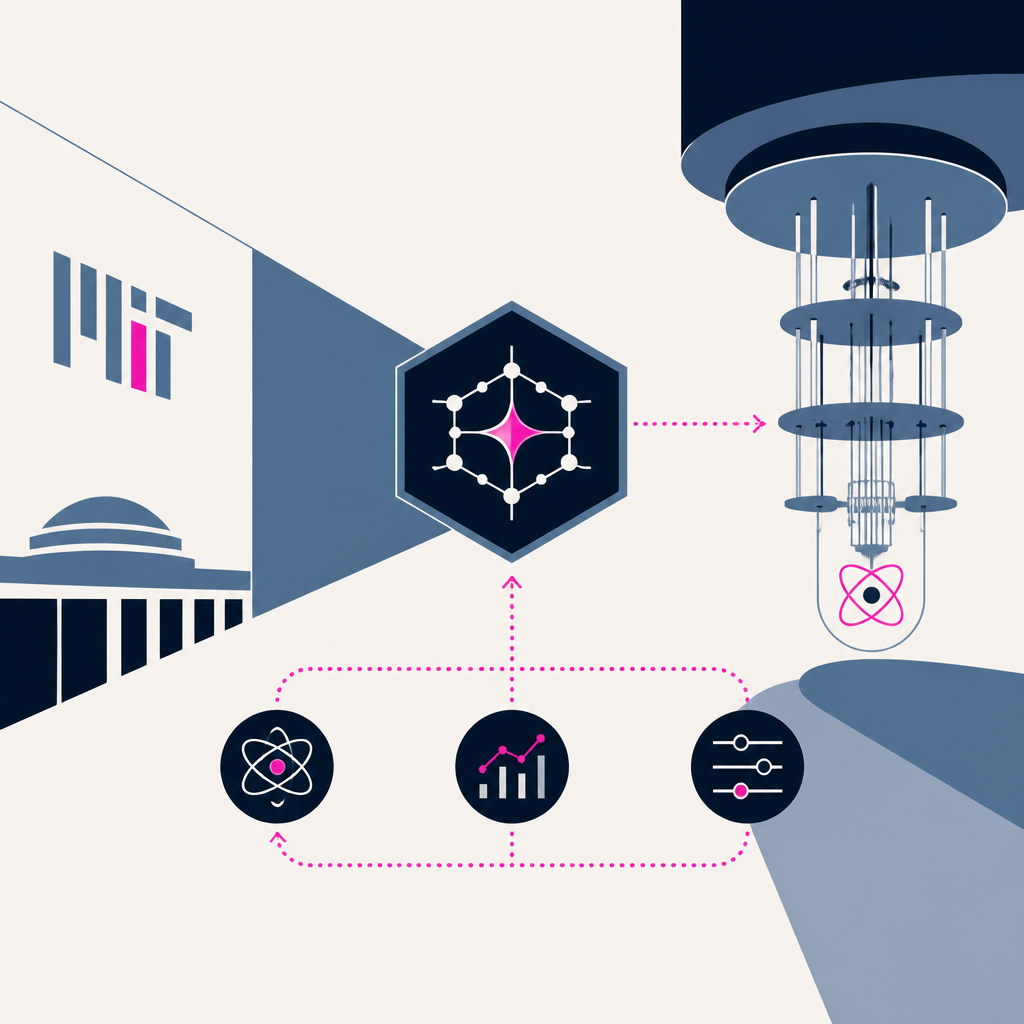
An MIT researcher uses GPT-5.6 Sol with Codex to autonomously run quantum computing experiments. The setup is based on GPT-5.6 Sol. It can execute the experiments end to end, analyze outcomes, and calibrate qubits based on the results.
HPE Zerto, with AWS, built an agentic troubleshooting system powered by Amazon Bedrock and embedded it in the Zerto product for natural-language operations in on-premises environments. Since its release in Q2 of 2026, more than 20% of HPE Zerto customers have adopted and are actively using it, and production usage showed a 10% reduction in support cases for workflows the agent supports. Teams can now investigate and resolve common recovery and protection issues via guided self-service inside the product, using live environment data and trusted documentation.
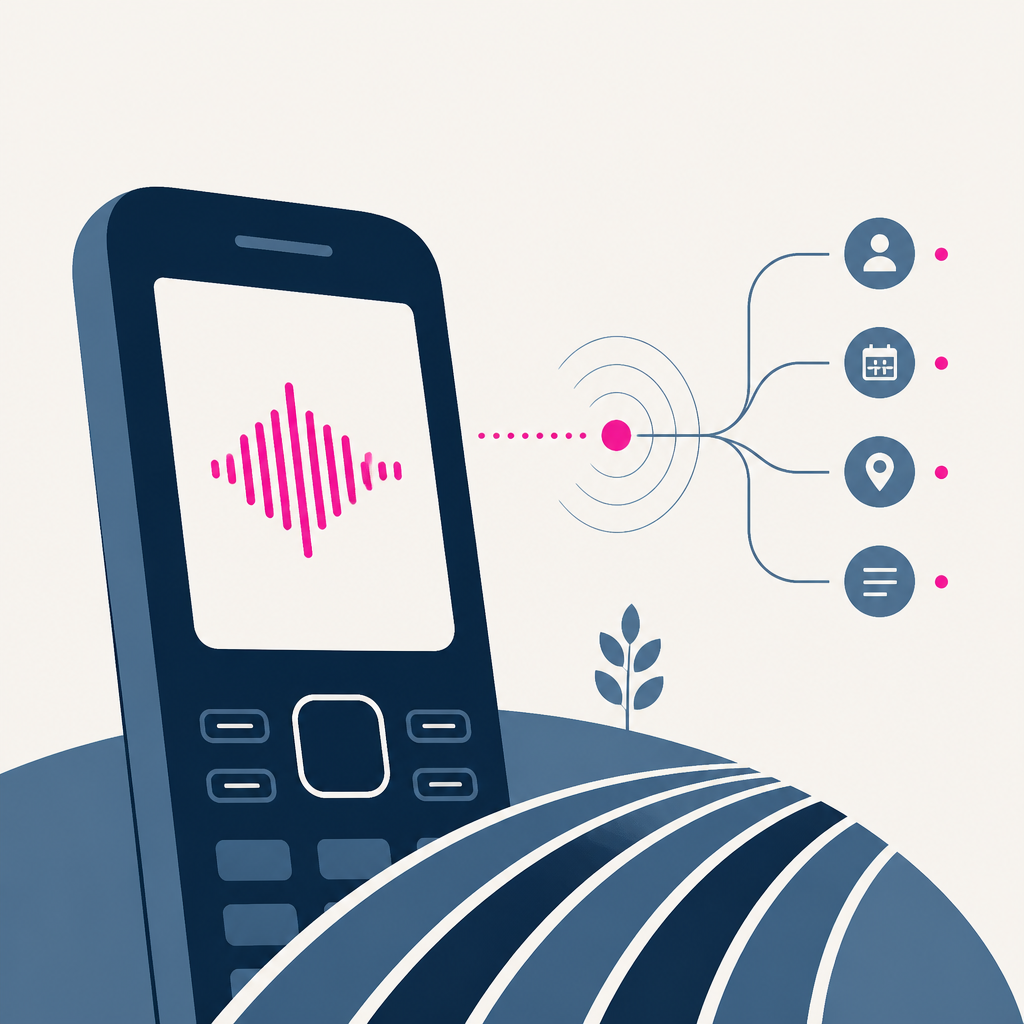
Tellia raised a $5m pre-seed round to support its AI voice layer for farmers that converts phone calls and voice notes into structured, queryable records.
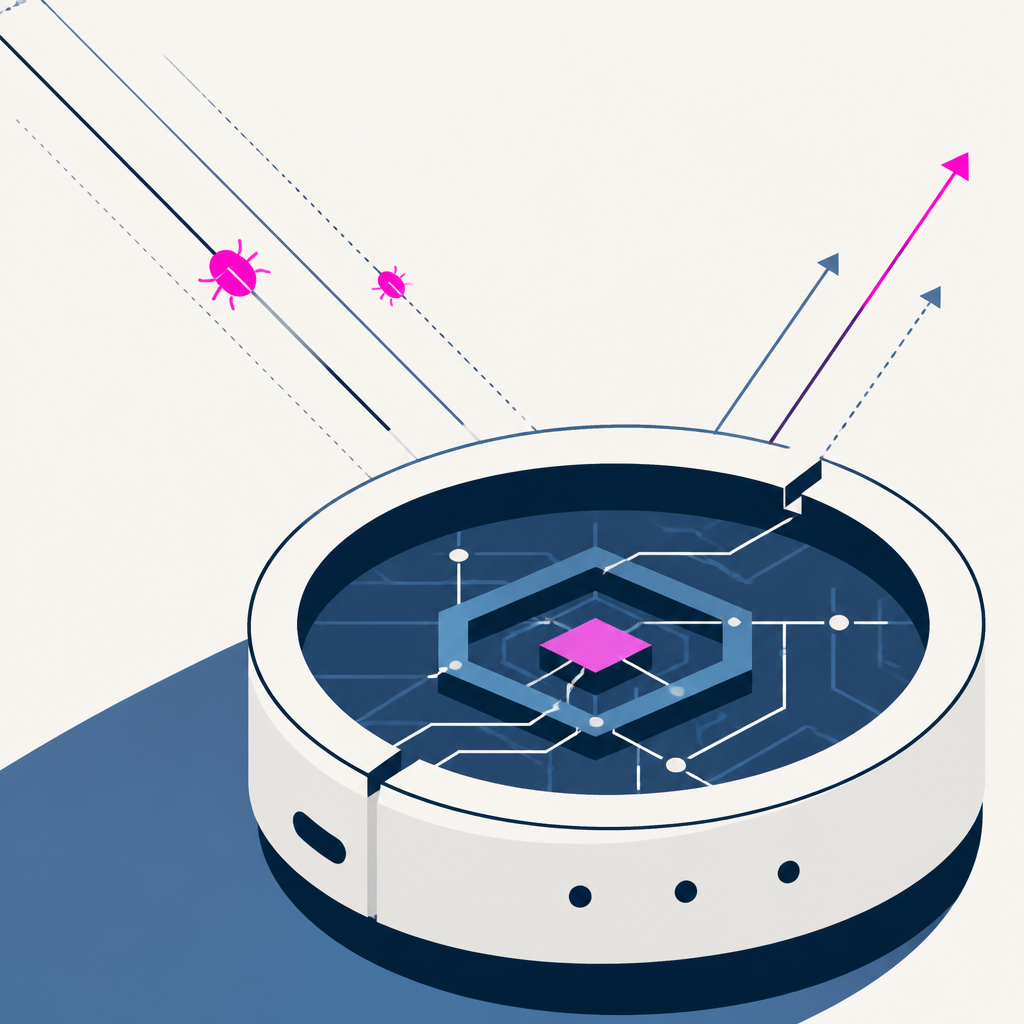
Security researchers increasingly use LLM-based tooling to find bugs and build exploits, and the article says this has made exploit activity grow because both discovery and exploitation have become much cheaper for attackers and defenders. In 2026, two exploits against live ZK circuits are cited, including one that rescued about $1.5 million and another drained 5 ETH. The change pushes security toward continuous, layered defenses—updating tests, AI harnesses, audits, and formal verification—rather than relying on audits done once in the past.
Danijar Hafner left Google DeepMind to start a new stealth-mode robotics startup focused on AI agents that can plan ahead for unfamiliar situations. He is building on Dreamer 4, which learned diamond mining from an offline dataset of recorded gameplay videos without directly interacting with the game. The work shifts from game-based world models to physical humanoid robots designed to handle new indoor layouts and respond to unexpected events in real homes.
Every AI story that matters,
in your inbox by 8am.
TLDRocket reads all relevant sources, removes duplicate coverage, and summarises the
day in two minutes. Follow companies and topics for alerts, or get the
briefing in Slack. Free, no spam, unsubscribe anytime.
Reading TLDRocket needs no cookies, and the readership counts we rely on come from
our own cookieless analytics. Google Analytics is the exception: it sets cookies and
reports to Google, so it stays switched off until you allow it. You can change your
mind any time from “Cookie settings” in the footer.
Strictly necessary
Session security and form protection (tldrocket-session,
XSRF-TOKEN, 2 hours). The site cannot work without them,
so they need no consent.
Always on
Google Analytics 4 (_ga,
_ga_<id>, up to 2 years). Measures which
stories and sections readers use. Google acts as a third-party processor and may
store the data outside the EU. No advertising, no profiling, no data sold.