VideoFlow Studio launched as a video agent that uses a coding agent to take a site URL, plan a film from product info, build it, render it, and review its own cut. The launch is “today.” Users can edit the rendered output in a built-in editor or request changes in plain English, and it also offers an open-source rendering engine with a free-to-start option.
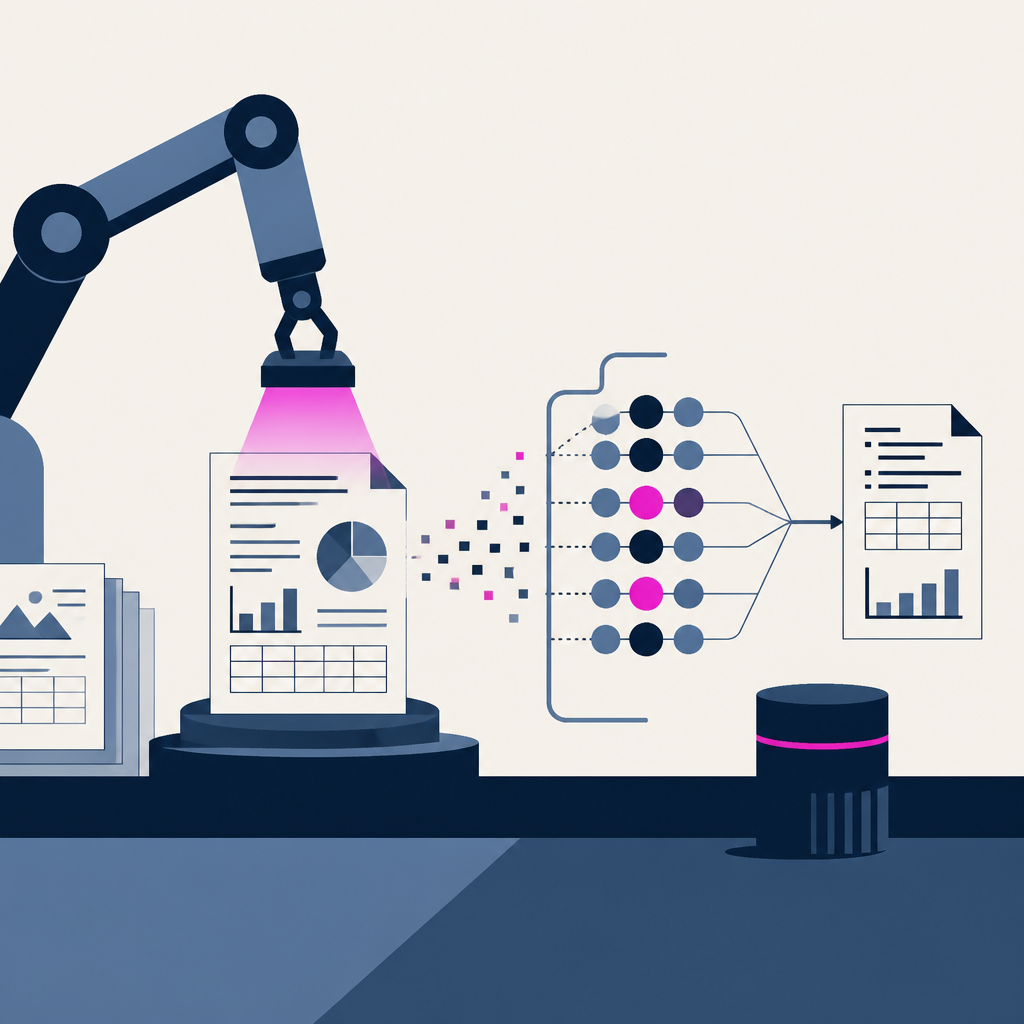
Jina AI released jina-ocr-v1, an end-to-end visual document parser that converts PDFs, scans, tables, charts, and invoices into clean Markdown in one pass. The model has 3.4B total parameters, with about 570M decoder parameters active per token, and it includes a speculative decoding head. The release adds deployable low-budget-GPU inference with lossless speculative decoding speedups (e.g., 1.95x tokens/sec on an NVIDIA L4) and distributes open weights under a CC BY-NC 4.0 license that restricts commercial use.
PrismML released Ternary Bonsai 2 27B, a ternary-weight version of Qwen3.8 27B that supports text and images. The language model is 5.93 GB, compared with 53.80 GB for FP16. It preserves 98.2% of the parent model’s 20-benchmark average but requires PrismML’s llama.cpp fork or its MLX runtime (stock llama.cpp can’t load the GGUF types).
Nvidia’s Nader Khalil and Sydney Sykes will lead a TechCrunch Disrupt 2026 session focused on whether AI startups should build on open models or proprietary frontier models. The session runs October 13-15, 2026 in San Francisco. It will shift founders’ and investors’ attention from abstract open-vs-closed arguments toward business trade-offs like cost, infrastructure control, data control, and product roadmap flexibility.
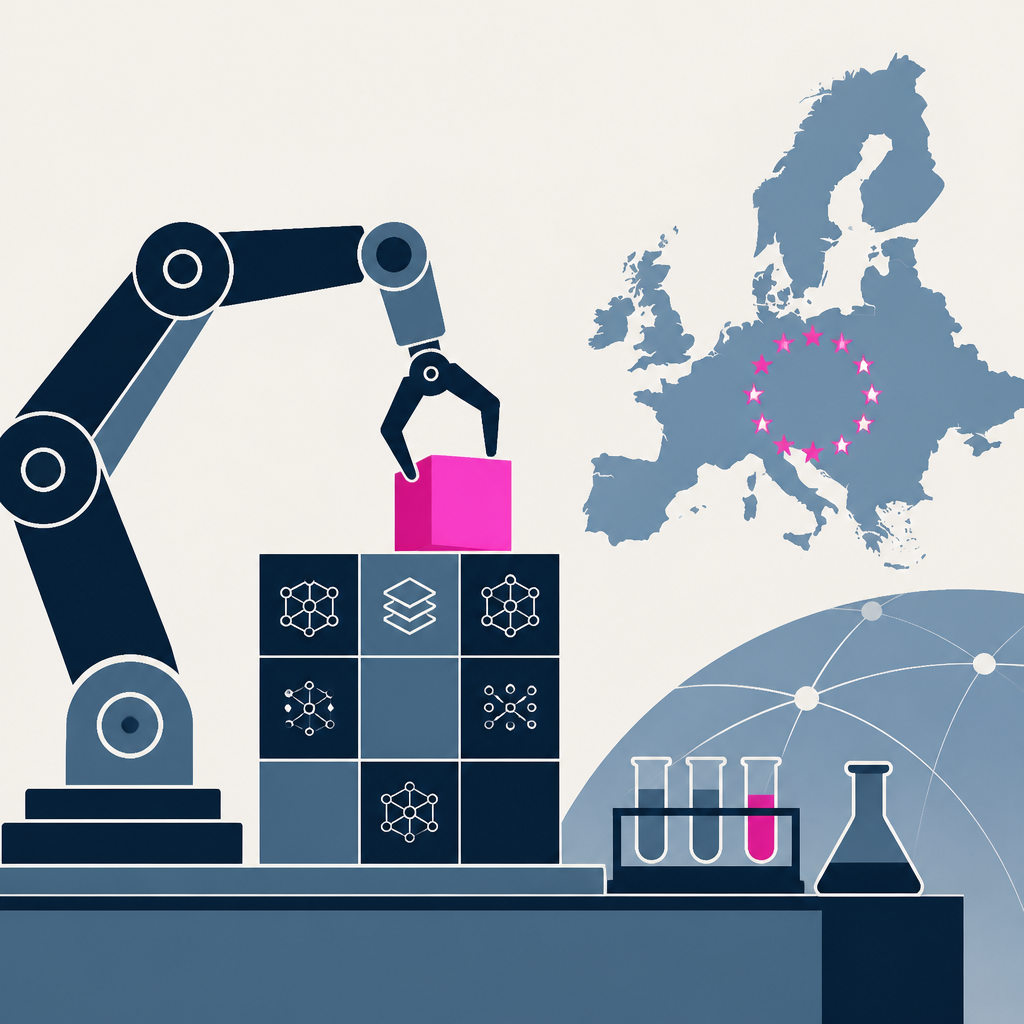
Mozilla’s State of Open Source AI report says open-source and open-weight AI has moved from experimentation to production use, with Europe gaining ground mainly in deployment and infrastructure. On Hugging Face, it cites 2.5 million public models and 13 million users, and on OpenRouter open-weight models grew to about a third of usage by late 2025. Europe is pushed to focus on tooling, orchestration, compliance, and sovereignty efforts (including UK plans like a £500M program) rather than only chasing frontier model capability.
The article ranks 11 open-source agent harnesses for running local LLMs by license, documented local runtimes, maintenance, and safety controls. It says local setups should start with a context window of 64,000 tokens (for agents/coding tools). Readers are directed to choose a harness and apply specific local settings, such as context and tool-calling compatibility, to reduce failures from small windows and weak tool support.
Every AI story that matters,
in your inbox by 8am.
TLDRocket reads all relevant sources, removes duplicate coverage, and summarises the
day in two minutes. Follow companies and topics for alerts, or get the
briefing in Slack. Free, no spam, unsubscribe anytime.
Reading TLDRocket needs no cookies, and the readership counts we rely on come from
our own cookieless analytics. Google Analytics is the exception: it sets cookies and
reports to Google, so it stays switched off until you allow it. You can change your
mind any time from “Cookie settings” in the footer.
Strictly necessary
Session security and form protection (tldrocket-session,
XSRF-TOKEN, 2 hours). The site cannot work without them,
so they need no consent.
Always on
Google Analytics 4 (_ga,
_ga_<id>, up to 2 years). Measures which
stories and sections readers use. Google acts as a third-party processor and may
store the data outside the EU. No advertising, no profiling, no data sold.