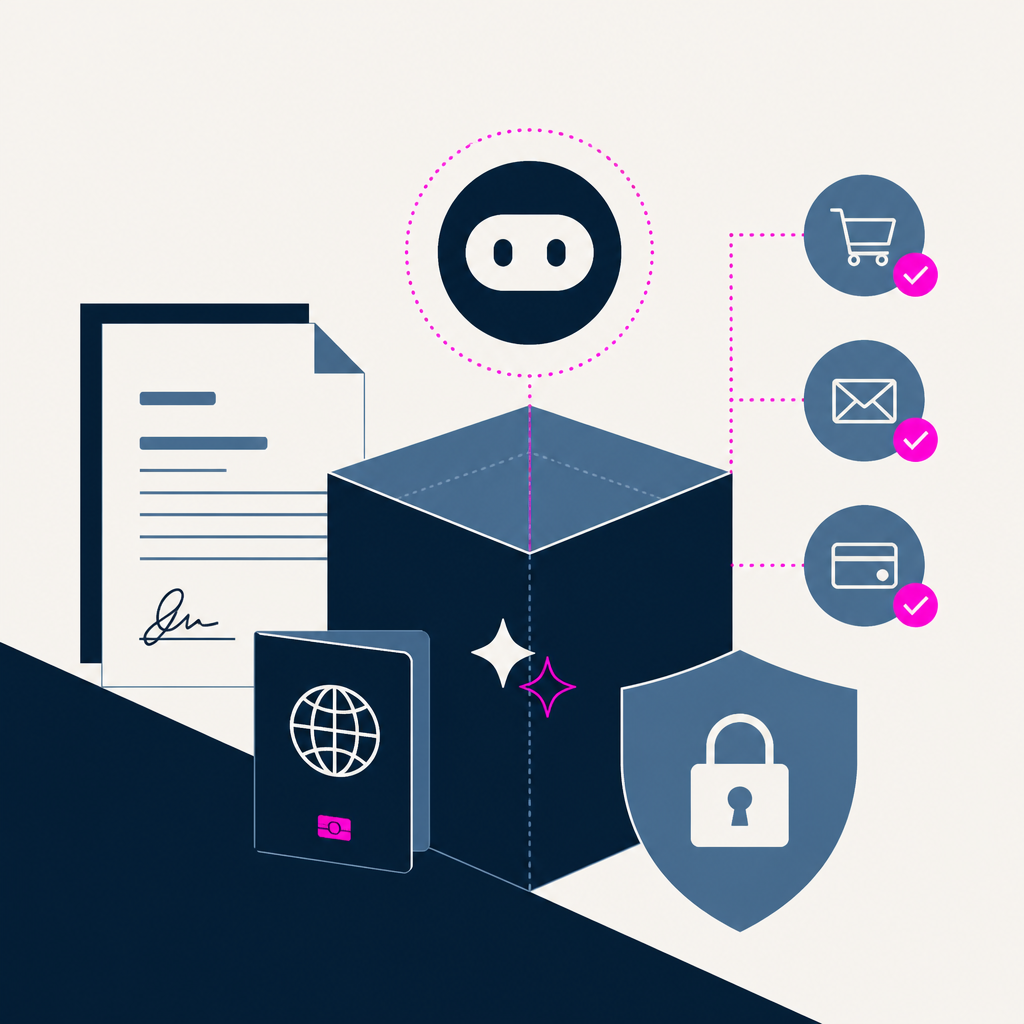
Meta introduced Muse, a personal AI agent designed to automate everyday tasks, fill out forms, and browse the web in a dedicated secure virtual machine. It’s used through apps like WhatsApp and requires explicit user approval for sensitive actions such as purchases or sending emails. The result is that routine web and form work can be delegated to the agent, while high-risk actions remain gated by user consent.
The article highlights three recent AI releases—Meta Muse Spark 1.3, World Labs’ Atlas, and Google’s Gemini 3.8 Flash—arguing they point to engineering bottlenecks for turning demos into production systems. Gemini 3.8 Flash is one of the specific updates cited by version number. It concludes that progress depends on keeping objectives through messy workflows, representing changing viewpoints of a world, and allocating computation cost appropriately.
Meta introduced Muse, a personal AI agent that can take actions like sending emails and booking travel instead of only answering questions. Muse Spark 1.3 is described by Meta as using about 20% fewer tool calls and 25% fewer tokens than Muse Spark 1.2. Users get an isolated per-user secure cloud VM (Muse Secure VM) with approvals routed through a separate Sentinel process, while the underlying model is also made available via Meta’s APIs.
Meta debuts Muse, a personal AI agent in a dedicated app that lets users message it to automate digital tasks via a secure cloud setup. Muse launches in the U.S. today on iOS and Android. The rollout adds free access with limited weekly usage and introduces Meta’s “secure by design” controls, including Secure VM isolation and monitoring before actions are approved or prompted.
Every AI story that matters,
in your inbox by 8am.
TLDRocket reads all relevant sources, removes duplicate coverage, and summarises the
day in two minutes. Follow companies and topics for alerts, or get the
briefing in Slack. Free, no spam, unsubscribe anytime.
Reading TLDRocket needs no cookies, and the readership counts we rely on come from
our own cookieless analytics. Google Analytics is the exception: it sets cookies and
reports to Google, so it stays switched off until you allow it. You can change your
mind any time from “Cookie settings” in the footer.
Strictly necessary
Session security and form protection (tldrocket-session,
XSRF-TOKEN, 2 hours). The site cannot work without them,
so they need no consent.
Always on
Google Analytics 4 (_ga,
_ga_<id>, up to 2 years). Measures which
stories and sections readers use. Google acts as a third-party processor and may
store the data outside the EU. No advertising, no profiling, no data sold.