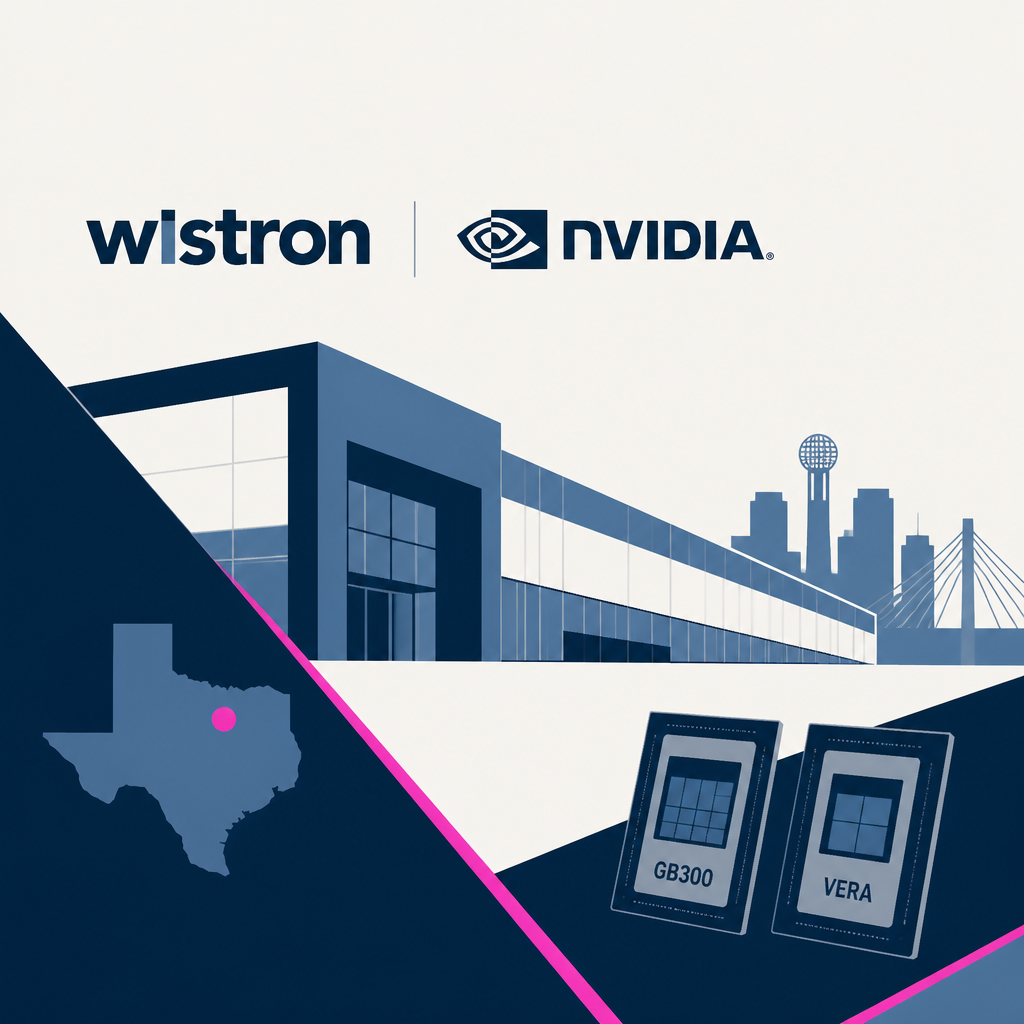
Wistron opened a 324,000-square-foot manufacturing plant in Fort Worth to produce NVIDIA's advanced AI superchips, representing a $700 million investment. The facility currently runs two production lines for the GB300 Grace Blackwell and Vera Rubin superchips, with plans to produce tens of thousands of boards per month and scale to 1,000 employees by year-end. The plant strengthens domestic AI infrastructure and supply chains while creating jobs across manufacturing, construction, and skilled trades.
Moonshot AI closed new subscriptions for Kimi K3 within 48 hours of launch after demand overwhelmed its GPU capacity, while existing users retained access. The 2.8 trillion-parameter model ranked top in some benchmarks but exhausted inference infrastructure faster than anticipated. The incident highlights how AI companies must ration access to manage real-time inference costs, particularly for agentic workloads that consume resources longer than typical chatbot interactions.
Data centers are projected to consume one-fifth of U.S. electricity by 2035, driven by AI compute demands. BloombergNEF estimates data center capacity will reach nearly 200 gigawatts with 64% of global AI chip power concentrated in the U.S. by 2033. Regional power grids face severe strain, with some utilities threatening to withdraw as electricity prices surge and capacity auctions become dominated by data center requests.
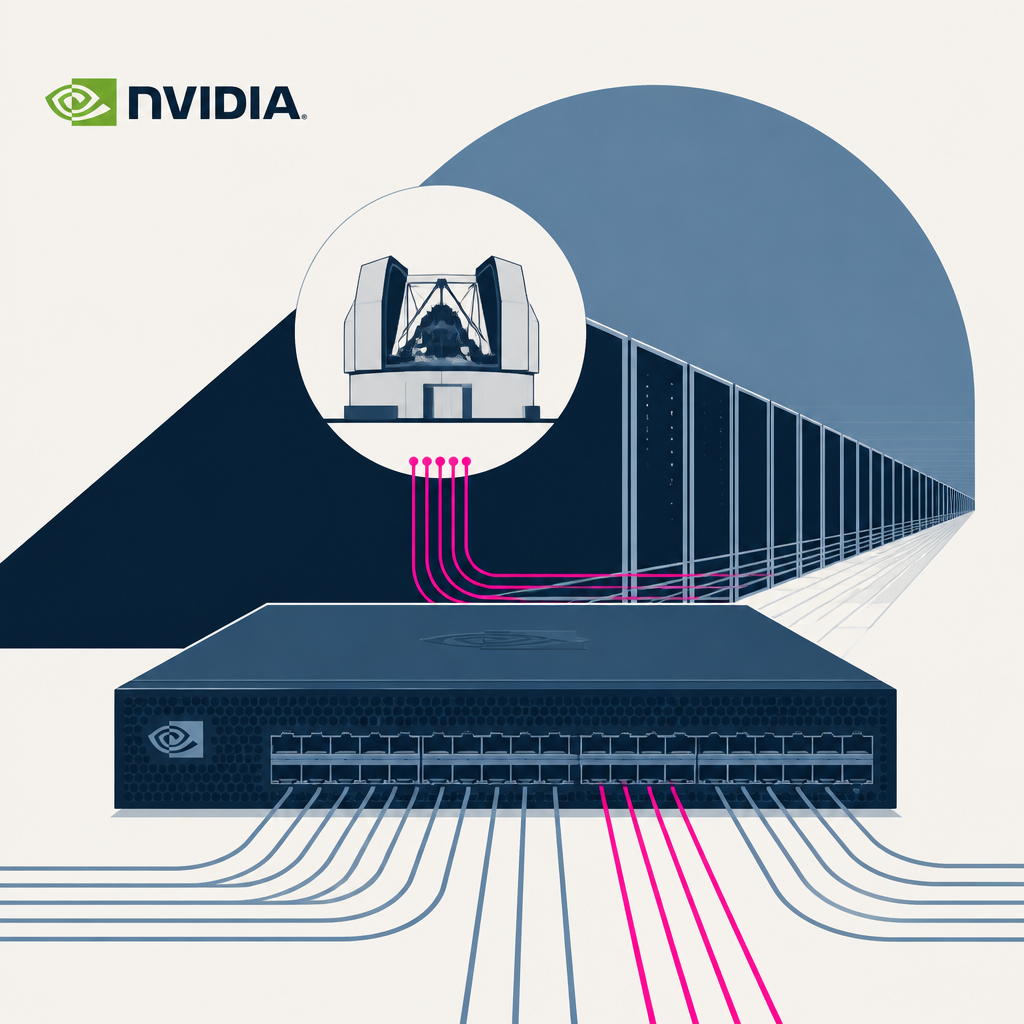
NVIDIA released Spectrum-6, a 102.4-terabit-per-second Ethernet switch system that doubles the capacity of previous-generation switches, designed to connect hundreds of thousands of GPUs in large AI training facilities. CoreWeave, Microsoft, Nebius, SpaceX AI and Tesla are among the first to deploy Spectrum-6 as part of NVIDIA's Vera Rubin platform. The switch enables better coordination between GPUs during large-scale training and inference, reducing bottlenecks that occur when GPUs need to exchange data continuously at gigascale.
AMD launched Helios, its first rack-scale AI system, with Microsoft as a major new customer joining Meta, OpenAI, and Oracle. The Helios system is estimated to cost between $5 million and $5.5 million, compared to Nvidia's Vera Rubin at $3.5 million to $4 million, and AMD will begin shipping later this year. AMD's entry into rack systems could increase its data center GPU market share from 4.5% to potentially 20-25%, challenging Nvidia's 95% dominance in this segment.
Data centers powering AI models consume enormous amounts of energy and water while producing air pollution and greenhouse gas emissions, with GPUs in these facilities now drawing scrutiny for environmental and health impacts. Training Meta's Llama 3.1 could generate air pollution equivalent to 10,000 round-trip car journeys between Los Angeles and New York, and AI data centers' power consumption is projected to reach 165-326 terawatt-hours annually by 2028 in the US. Communities are increasingly concerned as data centers expand in their regions, raising utility costs and local pollution while many consumers question whether promised AI benefits justify the environmental costs.
Every AI story that matters,
in your inbox by 8am.
TLDRocket reads all relevant sources, removes duplicate coverage, and summarises the
day in two minutes. Follow companies and topics for alerts, or get the
briefing in Slack. Free, no spam, unsubscribe anytime.
Reading TLDRocket needs no cookies, and the readership counts we rely on come from
our own cookieless analytics. Google Analytics is the exception: it sets cookies and
reports to Google, so it stays switched off until you allow it. You can change your
mind any time from “Cookie settings” in the footer.
Strictly necessary
Session security and form protection (tldrocket-session,
XSRF-TOKEN, 2 hours). The site cannot work without them,
so they need no consent.
Always on
Google Analytics 4 (_ga,
_ga_<id>, up to 2 years). Measures which
stories and sections readers use. Google acts as a third-party processor and may
store the data outside the EU. No advertising, no profiling, no data sold.