Google and Arm discuss why CPUs are becoming more central as AI shifts from chatbots to autonomous agents that orchestrate tool calls and code execution. They say gVisor-based GKE Agent Sandbox can spin up 300 sandboxes per second per cluster and that CPU-specialized workloads can reach about 25 tokens per second. The result is a broader agent infrastructure emphasis on CPU orchestration plus isolation for running agent code securely, alongside smaller models for tasks like summarizing and evaluating.
Multi-tier storage architectures are being promoted to cut the cost of AI inference and improve performance by combining flash, object storage, and disk capacity tiers across training and inference pipelines. Samsung’s PM1723 drive is cited as delivering up to 28.4 gigabytes per second sequential read throughput and up to 6.6 million random read IOPS. Enterprises respond by redesigning storage tiering around KV-cache access and reducing data movement to better use GPU resources without relying only on more hardware.
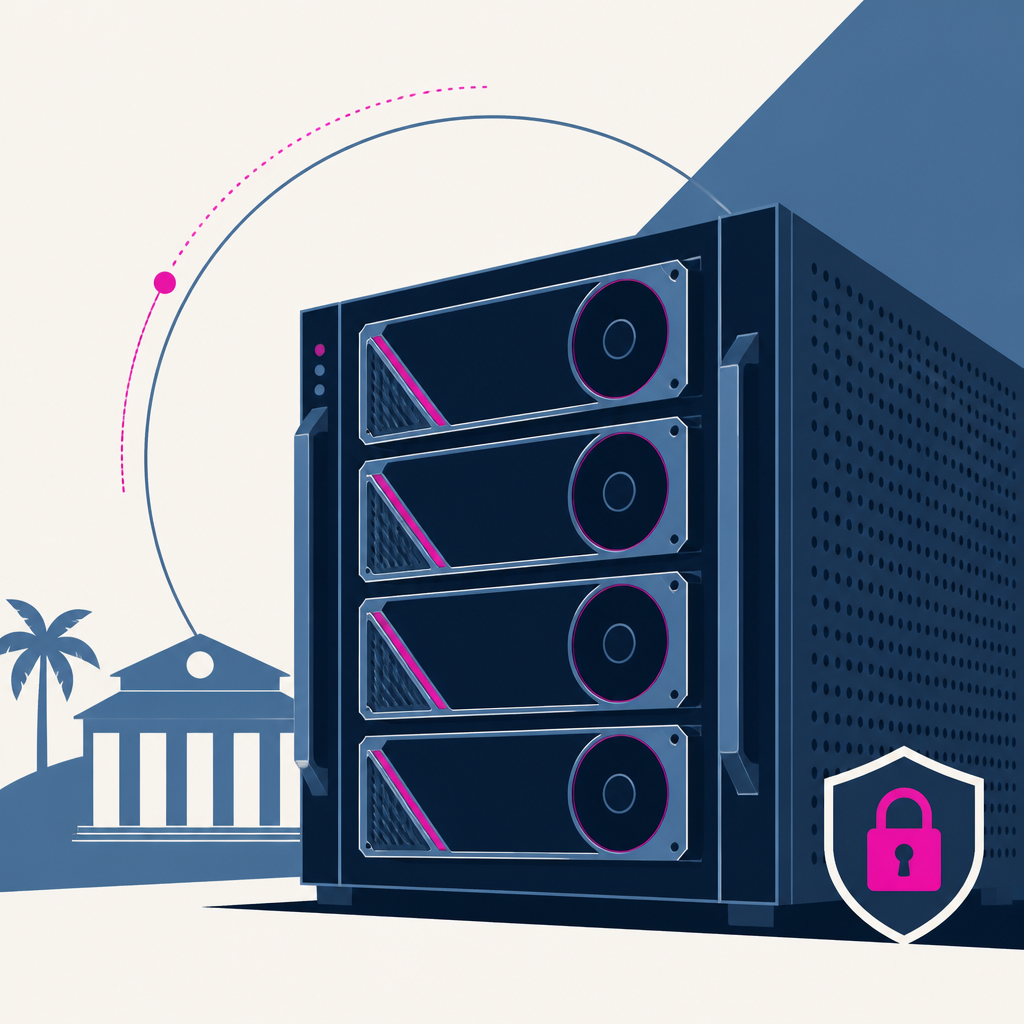
B3IQ (B3IQ/B3 Labs) provides rent-to-own dedicated GPU machines to privacy-conscious university researchers, and a PhD student at the University of Hawaii uses the setup to avoid limited campus compute and privacy/cost issues. Customers can put 30% down on machines such as a Nvidia H200 rig that starts at $54,516, with payments spread over 5 years. The option gives researchers more predictable costs and the ability to keep compute on dedicated hardware for compliance, and it also supports hosting in Oregon and selling spare compute through a dashboard.
Mecka AI received $60 million in funding to help it convert large-scale video into verified robot training data, with an engineer tasked with controlling the company’s video-processing cost stack. Encoding an hour of video now costs about a quarter of the previous GPU approach, after Basil Yusuf moved the encoding path from GPUs to dedicated video-transcoding ASICs. The change makes ASIC-based processing the default (with GPUs as spillover), aiming to keep Mecka’s per-hour costs falling as volume grows so margins can hold.
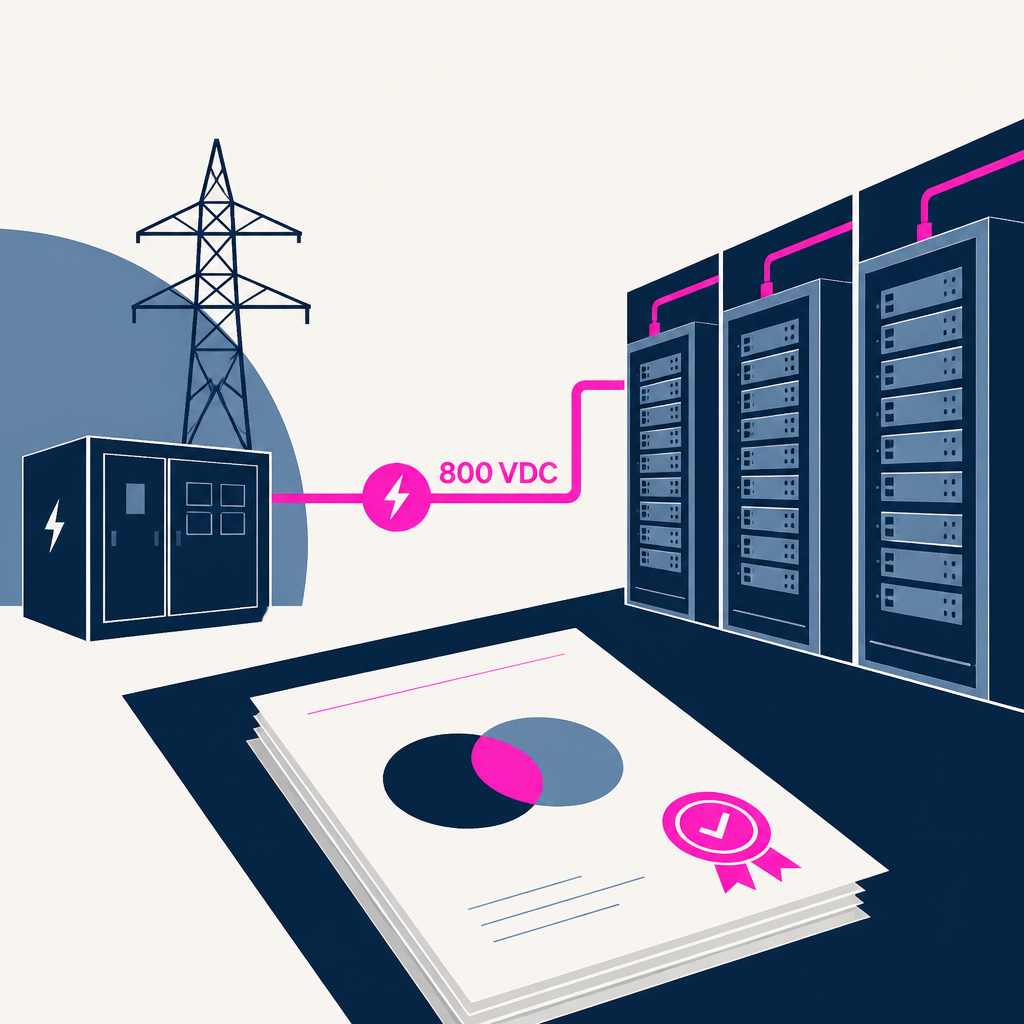
AI infrastructure needs higher-voltage power delivery to reduce conversion overhead and deliver more power efficiently to next-generation GPU racks. 800 VDC is being standardized via Open Compute Project work, with a joint white paper published in March 2026 and a LVDC Solid-State Transformer Specification released in July 2026. Hybrid 800 VDC deployments let existing AC-based facilities keep their building electrical systems while scaling power density, with rack (MGX-compatible), row (up to 2 MW per row), and facility-scale DC options planned for 2026–2027, supported by 80+ vendor products.
NVIDIA published updates from its Local AI blog series highlighting new open models and tools for building and running agentic AI locally. It points to Cosmos 3 Edge, a 4-billion-parameter open world robotics and vision model that runs on-device on NVIDIA DGX Spark and Jetson. The ecosystem expands so developers can launch more capable local agents, optimize models for NVIDIA GPUs, and use new local workflows like clustering DGX Spark systems, plus added desktop/browser and monitoring support.
Nvidia signed memorandums of understanding with six asset managers to set up financing platforms for AI infrastructure. The deals target mobilising more than $500 billion in third-party capital over time. This reframes GPU compute as long-lived, financeable infrastructure so customers can fund data centres and buy Nvidia hardware without bearing all costs on their own balance sheets.
Zuckerberg published a 6,500-word manifesto outlining Meta’s “superintelligence for everyone” priorities and highlighting five funding themes the company is already backing. Meta guided full-year 2026 capital expenditures up to $145 billion, up from $72.2 billion in 2025, and disclosed $279 billion in future AI data-centre lease commitments. The emphasis shifts investment toward personal AI agents plus AI compute, energy and cooling infrastructure, open-source governance and deployment tools, and funding opportunities for startups building the enabling stack.
Every AI story that matters,
in your inbox by 8am.
TLDRocket reads all relevant sources, removes duplicate coverage, and summarises the
day in two minutes. Follow companies and topics for alerts, or get the
briefing in Slack. Free, no spam, unsubscribe anytime.
Reading TLDRocket needs no cookies, and the readership counts we rely on come from
our own cookieless analytics. Google Analytics is the exception: it sets cookies and
reports to Google, so it stays switched off until you allow it. You can change your
mind any time from “Cookie settings” in the footer.
Strictly necessary
Session security and form protection (tldrocket-session,
XSRF-TOKEN, 2 hours). The site cannot work without them,
so they need no consent.
Always on
Google Analytics 4 (_ga,
_ga_<id>, up to 2 years). Measures which
stories and sections readers use. Google acts as a third-party processor and may
store the data outside the EU. No advertising, no profiling, no data sold.