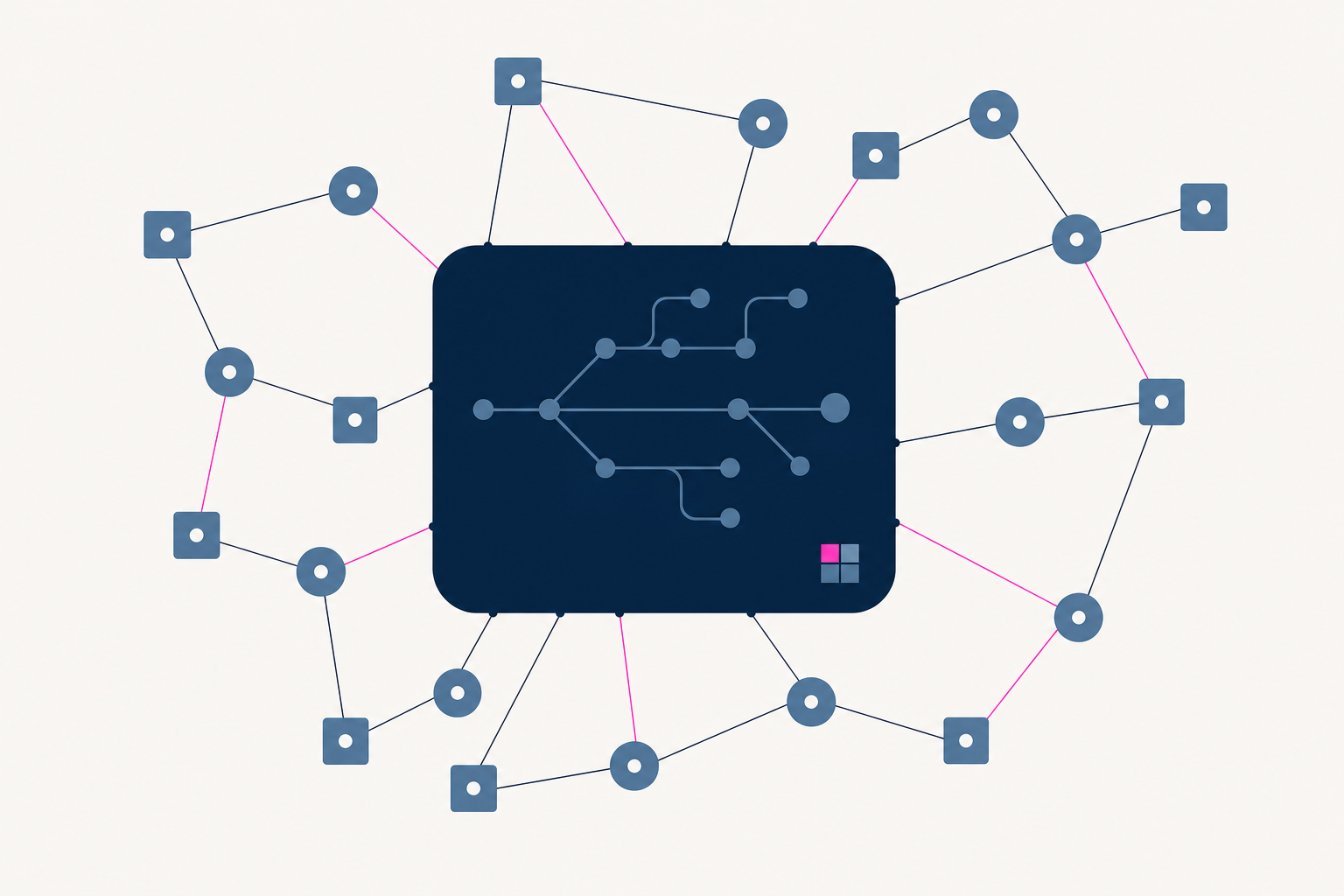
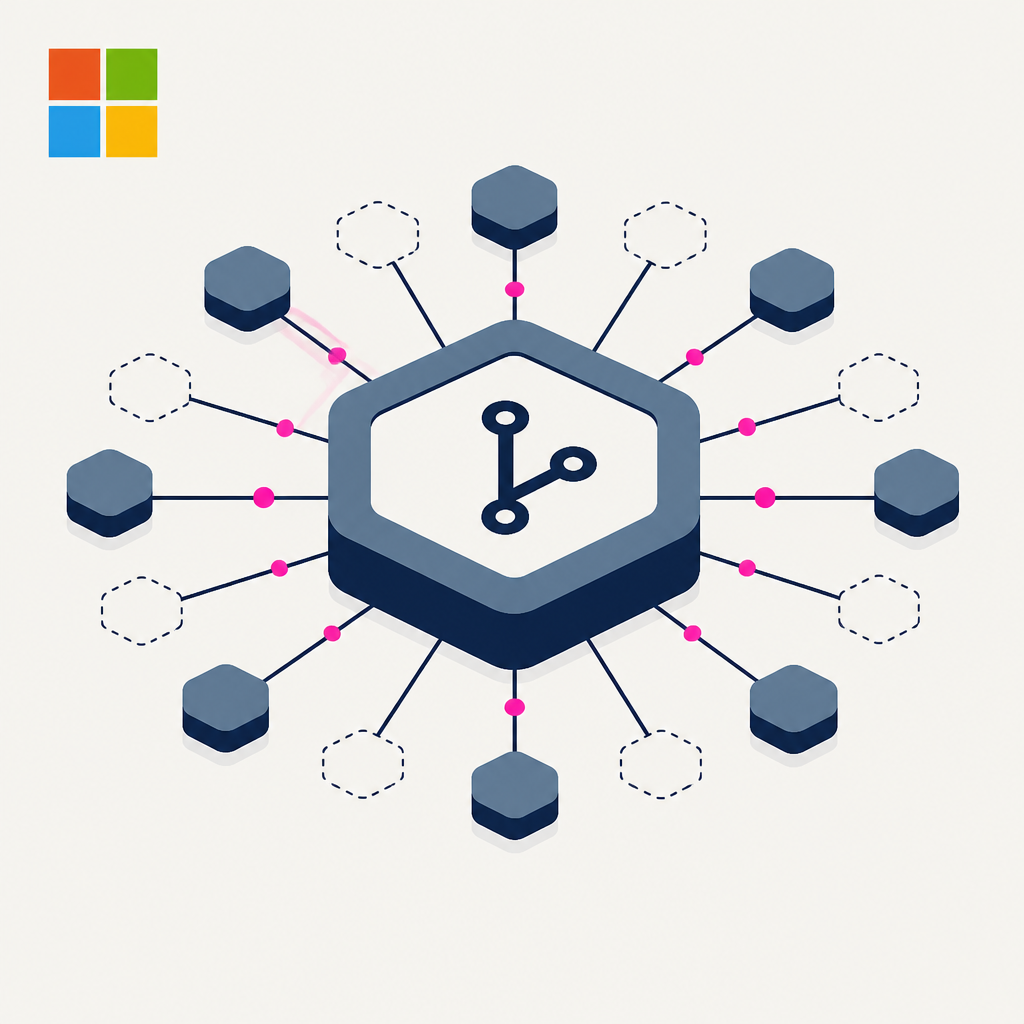
Microsoft Research dropped Agensh, an open-source multi-agent harness that aims to make coding swarms feel less like a science project and more like a workflow. The key idea is decentralized task claiming: instead of a single central orchestrator, agents self-assign sub-tasks, then synchronize by writing progress into a shared Git repository. In ProgramBench tests, Agensh scaled from 1 to 1,024 agents, with a 30-minute pandoc milestone climbing to a 30% passing rate at 128 agents. The mean final test-pass rate improved from 19.31% with one agent to 28.78% at 128, and pandoc reached 79.59% when using GPT-6.1-sol with 32 agents—an unusually specific datapoint for what is often framed as “more agents = better.”
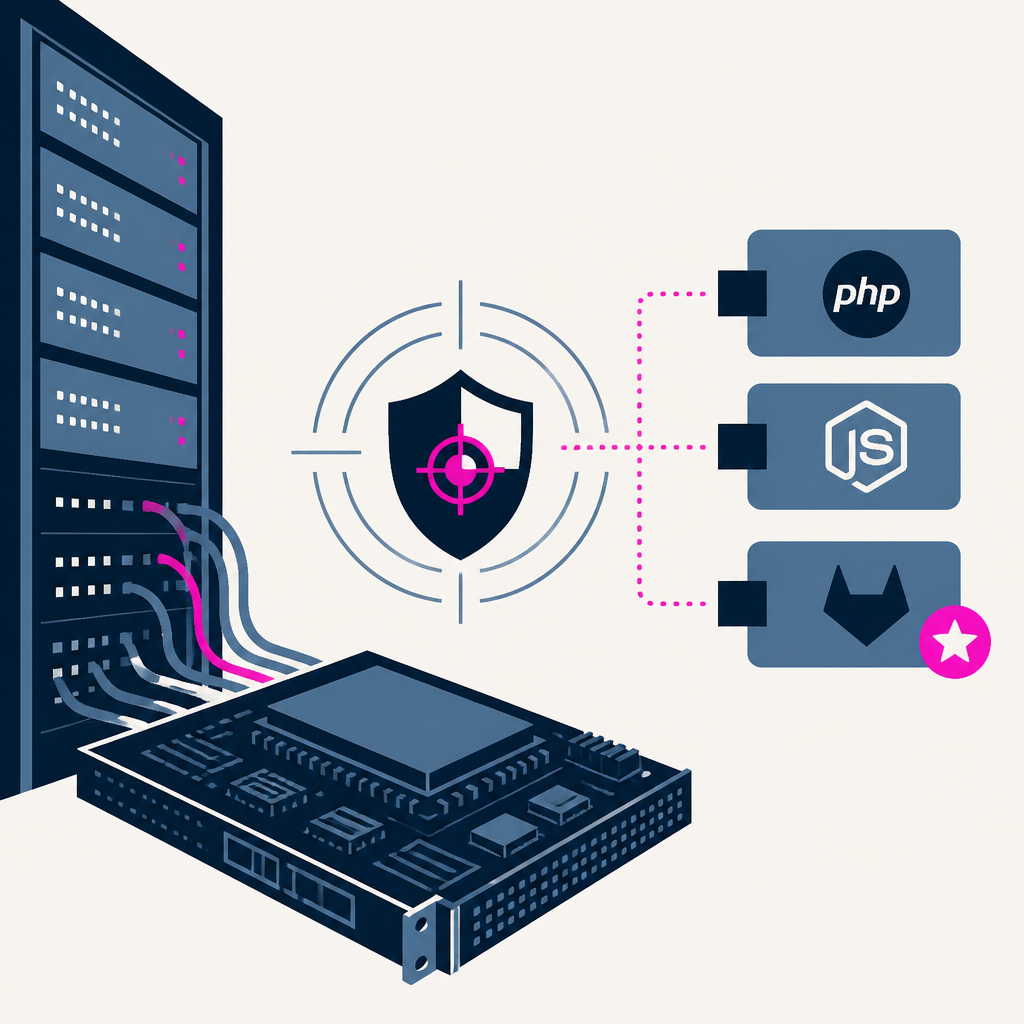
That systems thinking showed up in a different direction too: Cognition open-sourced the Devin Vulnerability Fixes plugin, designed for agent-driven remediation of recent remote code execution advisories. Its GitLab component targets CVE-2026-110264 (CVSS 10.0), combining a read-only inventory step with approval-gated fixes validated by before/after tests, then packaging work as one pull request per repository. Meanwhile, Underdog’s guide for running Saluki 27B in a 2-bit Qwen3.8-27B tool-calling setup treated efficiency as measurable engineering—diffing GGUF headers, serving both on one GPU, and benchmarking against 120 Berkeley Function Calling Leaderboard tasks, where Saluki holds tool-calling performance around “2 bits per weight” while scoring above the full 54B setup in the same benchmark harness.