Amazon SageMaker AI described kernel-level optimizations for fused mixture-of-experts (MoE) inference on NVIDIA H200 via vLLM, including a Hopper-specific fused-MoE change, backend routing tweaks, and Triton JIT recompilation fixes. The launch reports a 2–4% end-to-end throughput improvement on H200 from the “swap-AB for WGMMA utilization” optimization. These changes are integrated into AWS’s Large Model Inference container on SageMaker AI and into vLLM releases (for example, 0.24.0+ and 0.22.0+), improving throughput and time-to-first-token.
TheCUBE Pod discussed rising public skepticism about AI while focusing on how IBM is trying to build competitive advantage through an enterprise AI operating model and how the market is shifting toward inference. Marvell set a fiscal 2031 revenue target of $70 billion to $90 billion. The emphasis changes from training to inference and from model differentiation to infrastructure and orchestration built on Red Hat-based hybrid capabilities for deploying agents and managing AI.
A VC argued that the shift enabled by AI depends on infrastructure, using the Industrial Revolution’s steel-ships-and-steam-engine buildout as the analogy for why countries gain long-term advantages. He pointed to 1890 as the moment when 80% of the world’s ships came from British shipyards and said that, similarly, models only win if they have enough compute. This reframes AI competition toward data-center capacity and execution by governments and industry rather than individual applications, with China’s expansion versus U.S. buildout needs becoming the key concern.
Nvidia rolled out DLSS 5 in new Hogwarts Legacy comparisons, but the face changes previously shown for DLSS 5 look less extreme than before.
The update lands next month.
As a result, the technology is presented in a more subtle visual form for its Hogwarts Legacy debut rather than the more dramatic face transformations Nvidia initially highlighted.
The Official Microsoft Blog·1 week ago·
47
● 5 sources
Microsoft is putting Azure Maia 200 into production and planning to expand its Azure Maia chip family to multi-gigawatt deployments starting in 2027. Maia 300 is expected to deliver 40% more tokens per megawatt than leading GPU-based systems. Maia will become Microsoft’s primary inference system across Microsoft products and services, with Maia 300 production deployments beginning in 2027 to support long-context, lower-latency and multi-step agent workloads.
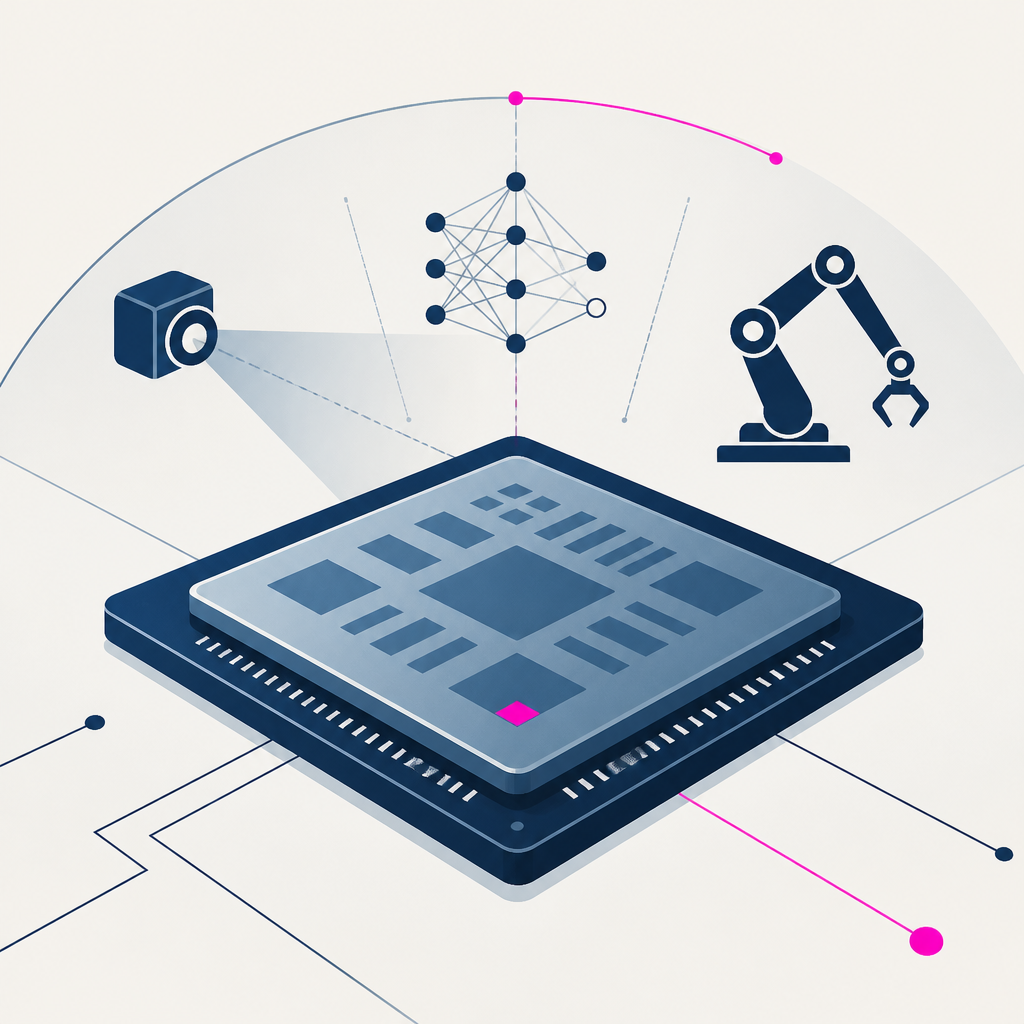
Ubitium raised $14 million in seed funding to develop a universal reconfigurable processor for physical AI machines that sense, run AI inference, and control movements. The round was led by Ibex Investors and brings Ubitium’s total seed funding to $18 million since it began in 2024. The company will use the money to push its UB410 processor toward commercialisation, with tape-out and evaluation-unit delivery planned for 2027.
Ubitium raised a €14 million seed round, led by Ibex Investors, to build drone-focused onboard intelligence on a unified chip architecture. The company’s seed funding totals €18 million since launching in 2024, with evaluation units for its next-generation UB410 planned for 2027. Ubitium will shift from its UB108 demonstration silicon to developing UB410 evaluation hardware and pursuing onboard sensing and AI workloads at the physical edge.
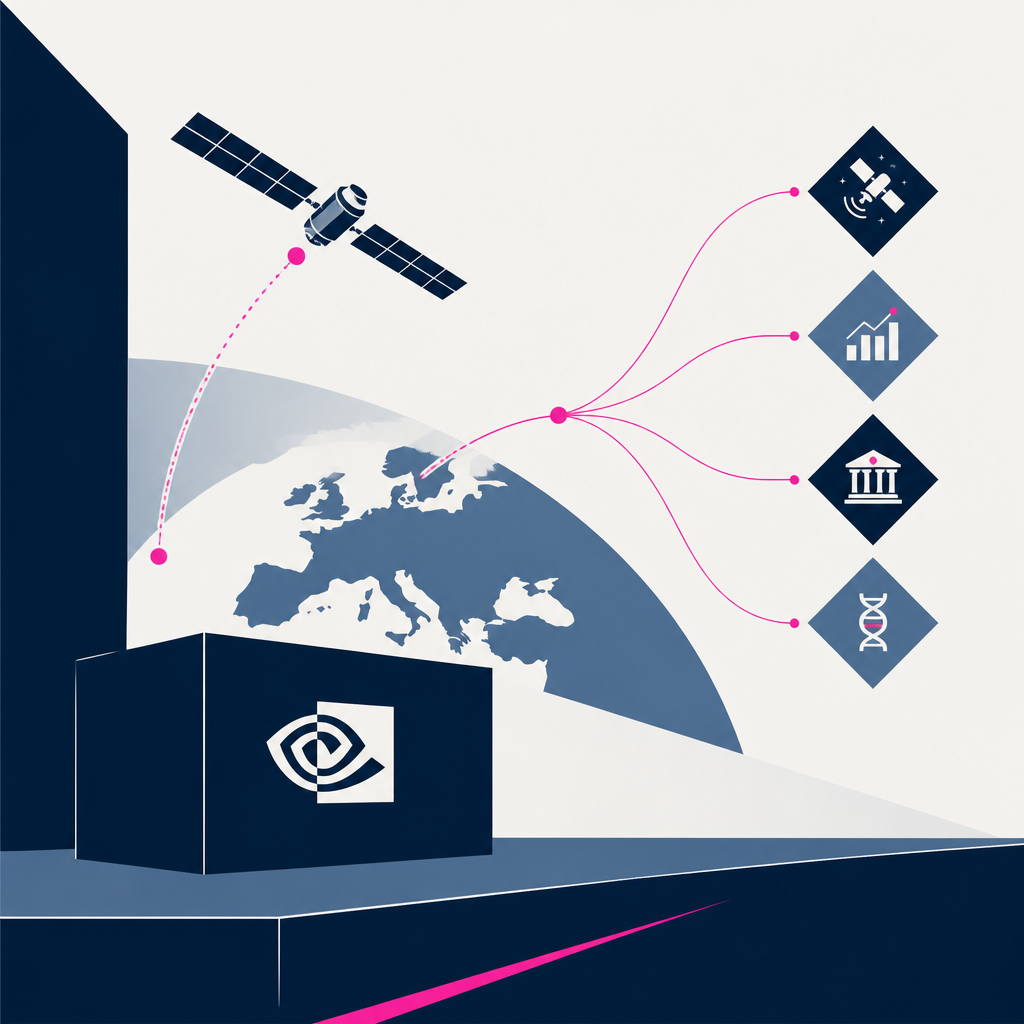
France-based companies are deploying agentic computing across space, finance, public services, and research using NVIDIA technology and models. Altair-1 launched this month as the first satellite in a $1 billion, 50-satellite constellation with on-board autonomous capabilities. The rollout expands from infrastructure and open model production into operational systems like edge satellite AI, sovereign workplace tooling for public agencies, and agent-building platforms for employees.
Intel CEO Lip-Bu Tan and Broadcom CEO Hock Tan said capital access and AI ROI concerns could constrain the AI sector while also pointing to ongoing compute shortages. Intel disclosed it can meet only 50% of orders for AI-related CPU demand. The executives expect shortages to ease by 2028 or 2029 but warned the demand–supply imbalance could persist into 2030 and that investors may need more realistic expectations.
Every AI story that matters,
in your inbox by 8am.
TLDRocket reads all relevant sources, removes duplicate coverage, and summarises the
day in two minutes. Follow companies and topics for alerts, or get the
briefing in Slack. Free, no spam, unsubscribe anytime.
Reading TLDRocket needs no cookies, and the readership counts we rely on come from
our own cookieless analytics. Google Analytics is the exception: it sets cookies and
reports to Google, so it stays switched off until you allow it. You can change your
mind any time from “Cookie settings” in the footer.
Strictly necessary
Session security and form protection (tldrocket-session,
XSRF-TOKEN, 2 hours). The site cannot work without them,
so they need no consent.
Always on
Google Analytics 4 (_ga,
_ga_<id>, up to 2 years). Measures which
stories and sections readers use. Google acts as a third-party processor and may
store the data outside the EU. No advertising, no profiling, no data sold.