OpenAI said its ads inside ChatGPT have reached a $1 billion annualized revenue run rate after launching about 200 days ago. It also said it is expanding those ads to more than 40 new countries and is targeting $2.5 billion in ad revenue by the end of the year. The result is wider ad availability in ChatGPT plus plans for new ad formats and measurement options while the ads remain labeled and not affecting ChatGPT outputs.
Enterprise platform teams are refocusing on securing agentic private AI workloads as code-writing and workflow-running agents move beyond pilots and need controlled access to models, tools, and data. Broadcom says its Tanzu Platform Agent Foundations is now integrated into VMware Private AI Cloud, providing a sandbox where agents must have models, tools, and datasets explicitly bound. As a result, agent runtimes, curated data products, and tighter role-based access controls become central to enterprise architecture and security efforts, while Broadcom expands security scanning across Spring stewardship and other languages.
Amazon Bedrock Managed Knowledge Base is presented as a way to build multi-tenant agentic document chat apps that isolate each user’s uploads during ingestion and retrieval. The walkthrough describes an inline upload limit of 6 MB, after which files go to S3 and are ingested via reference, and documents become searchable after roughly 2–3 seconds for plain text (with longer times for PDFs). Instead of building and operating the retrieval stack and tenant-isolation logic yourself, the service manages ingestion, indexing, agentic multi-hop retrieval, and permission enforcement on every retrieval hop.
Workday described how it is integrating AI agents into enterprise workflows with Google Cloud while preserving governance and accountability from systems of record. In a live demo, it showed an employee starting a quarterly performance review from Gmail using Gemini Enterprise, pulling in recent Workday feedback, and scheduling time with a manager without leaving the workspace. The change shifts agent use from chat-style assistance and cross-app navigation toward controlled, policy-aligned workflows embedded in tools employees already use.
MoonPay launched PayBox, an AI-enabled payment and wallet tool inside X’s Grok chatbot, enabling users to buy, lend, and transfer crypto across multiple blockchain networks. PayBox is integrated with Kamino, letting users earn yield on USDC. The feature adds transaction-capable AI actions in Grok, with access limited to users outside the US, UK, EU, and Australia.
Circleback added a free subscription tier for its meeting note-taker to increase user trials in a crowded market. The free tier allows users to transcribe an unlimited number of meetings but limits transcript history to the last 30 days. Paid plans now start at $14 per month (paid annually) instead of $20.83, with access to integrations, longer history, and full API/MCP reserved for subscribers.
Intuit built a security data platform on knowledge graphs to add real-time context for making AI outputs explainable and more actionable. It reduced security analysis from taking days to taking seconds. The platform became the backbone for GraphQL and Model Context Protocol servers that developers can query in natural language.
The article argues that large organizations call many different activities “innovation,” causing teams to talk past each other when using AI as a strategic priority. It highlights a key planning failure: in late 2022, executives could not produce a credible five-year ROI model for generative AI. It changes the recommendation from seeking alignment on vague innovation terms to using a five-question language that separates optimization, experimentation, adoption, and learning so resources and metrics match the specific kind of work.
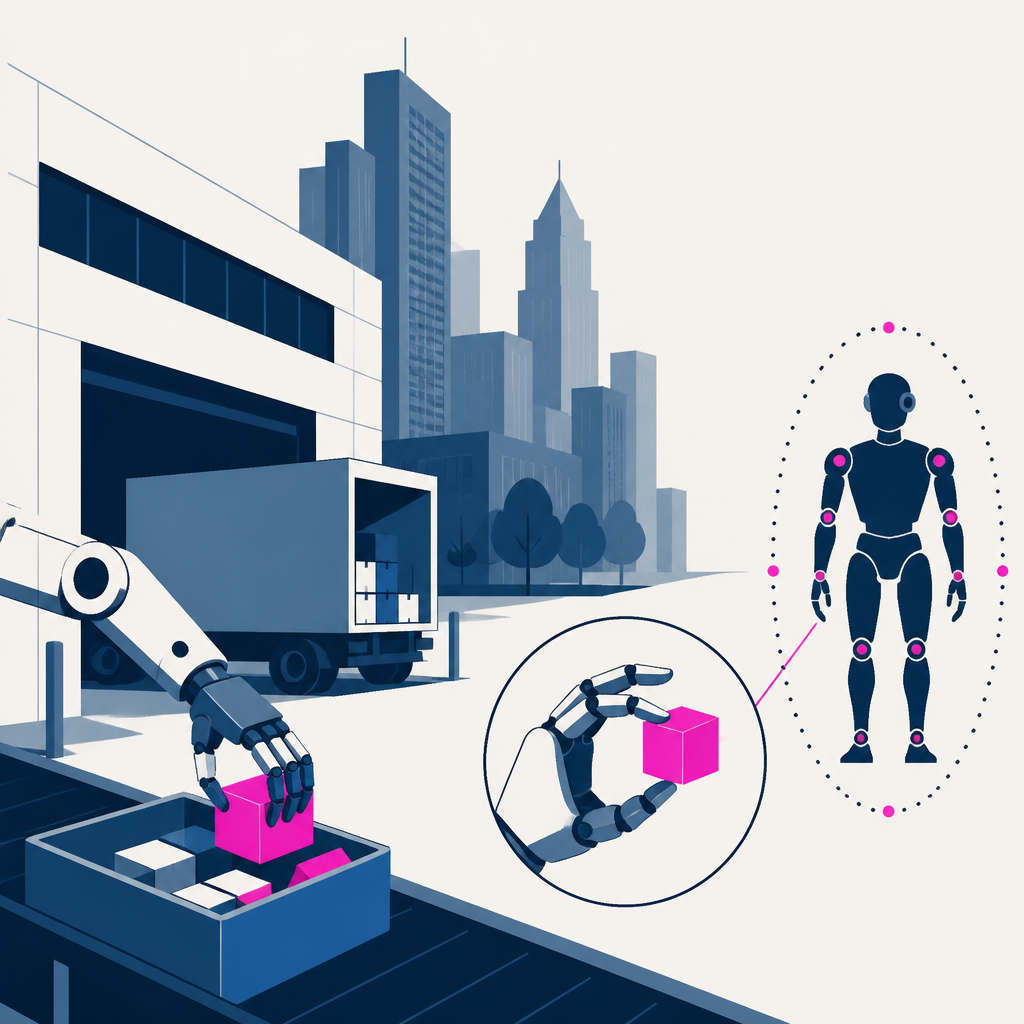
GXO Logistics CEO Patrick Kelleher says businesses should focus on robot hands for warehouse tasks rather than Olympic-level humanoid abilities highlighted at the World Humanoid Robot Games in Beijing. He cites that humanoids can now reach more than 100 degrees of freedom, versus 4 to 6 for typical industrial robots. As a result, GXO is piloting with five humanoid-robotics providers to supplement its workforce and improve sorting and unloading work, including work in freezer temperatures of minus 32 degrees.
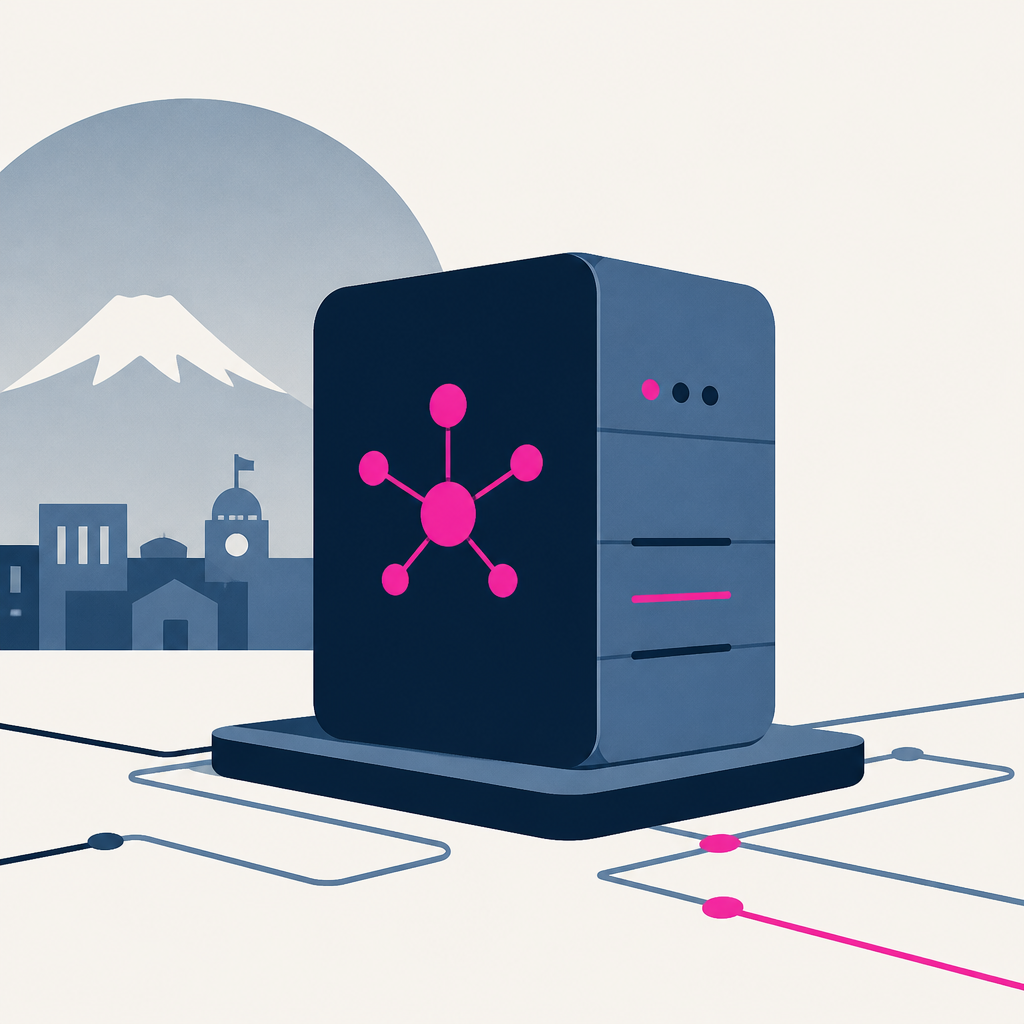
Polimill is building Japan’s next-generation public AI infrastructure for municipalities to search and use administrative knowledge. It uses OpenAI GPT models and Codex. This should speed up municipalities’ development of AI-assisted administrative knowledge tools.
Every AI story that matters,
in your inbox by 8am.
TLDRocket reads all relevant sources, removes duplicate coverage, and summarises the
day in two minutes. Follow companies and topics for alerts, or get the
briefing in Slack. Free, no spam, unsubscribe anytime.
Reading TLDRocket needs no cookies, and the readership counts we rely on come from
our own cookieless analytics. Google Analytics is the exception: it sets cookies and
reports to Google, so it stays switched off until you allow it. You can change your
mind any time from “Cookie settings” in the footer.
Strictly necessary
Session security and form protection (tldrocket-session,
XSRF-TOKEN, 2 hours). The site cannot work without them,
so they need no consent.
Always on
Google Analytics 4 (_ga,
_ga_<id>, up to 2 years). Measures which
stories and sections readers use. Google acts as a third-party processor and may
store the data outside the EU. No advertising, no profiling, no data sold.