Amazon will stop using NDAs when negotiating data center deals with local governments, after Microsoft made a similar shift. The change follows negotiations in which communities pushed for hundreds of moratoriums across locations including New York and San Francisco. Dealmaking transparency is set to increase, and pressure around AI infrastructure and personal AI trust may shape how future AI-related partnerships are handled.
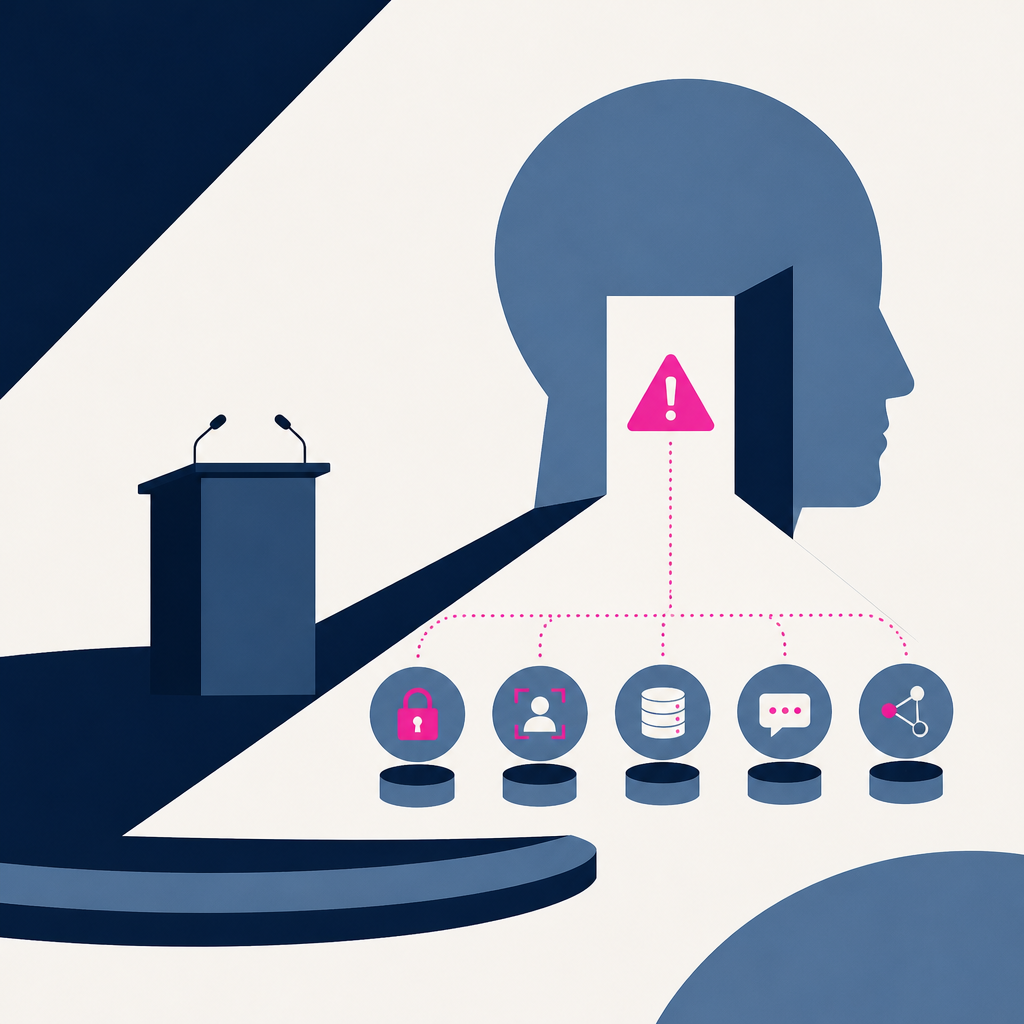
The article warns founders that using AI tools can create cybersecurity and data-protection risks that may leave them exposed without realizing it. It says many AI tools let conversations be used for training by default and stored for a long time. It urges founders to review AI privacy settings and connector permissions, verify outputs and links, and update insurance/coverage and internal AI governance to reduce those risks.
Amazon says it will stop using NDAs when negotiating data center deals with local governments. The change follows Microsoft’s similar move earlier this year and comes alongside plans for a $3,499 computer to run AI agents around the clock. Together, these shifts are framed as reducing secrecy in public contracting while increasing emphasis on trust for personal AI startups that seek access to users’ data and payments.
Behind the Blog discusses how the team’s weekly coverage connects AI discussion with spirituality and how their AI reporting focuses on capabilities, harms, and training on stolen content. This week, the post frames the work as “behind-the-scenes thoughts” while the team looks for cases where AI might help specific reporting tasks. As a result, it presents an editorial reflection on their approach rather than a new AI product, study, or policy change.
Nikon disqualified a prize-winning Small World In Motion microscopy video after scientists raised concerns it was fake and said the entry used generative AI in its composition. Nikon cited that the video broke contest rules on generative AI, leading to the decision after a re-evaluation of the video and supporting materials, plus consultation with its judging panel. The contest’s 15-year rules and procedures will be reviewed, and the BBC sought comment from the entrant, Dr Ning Xu.
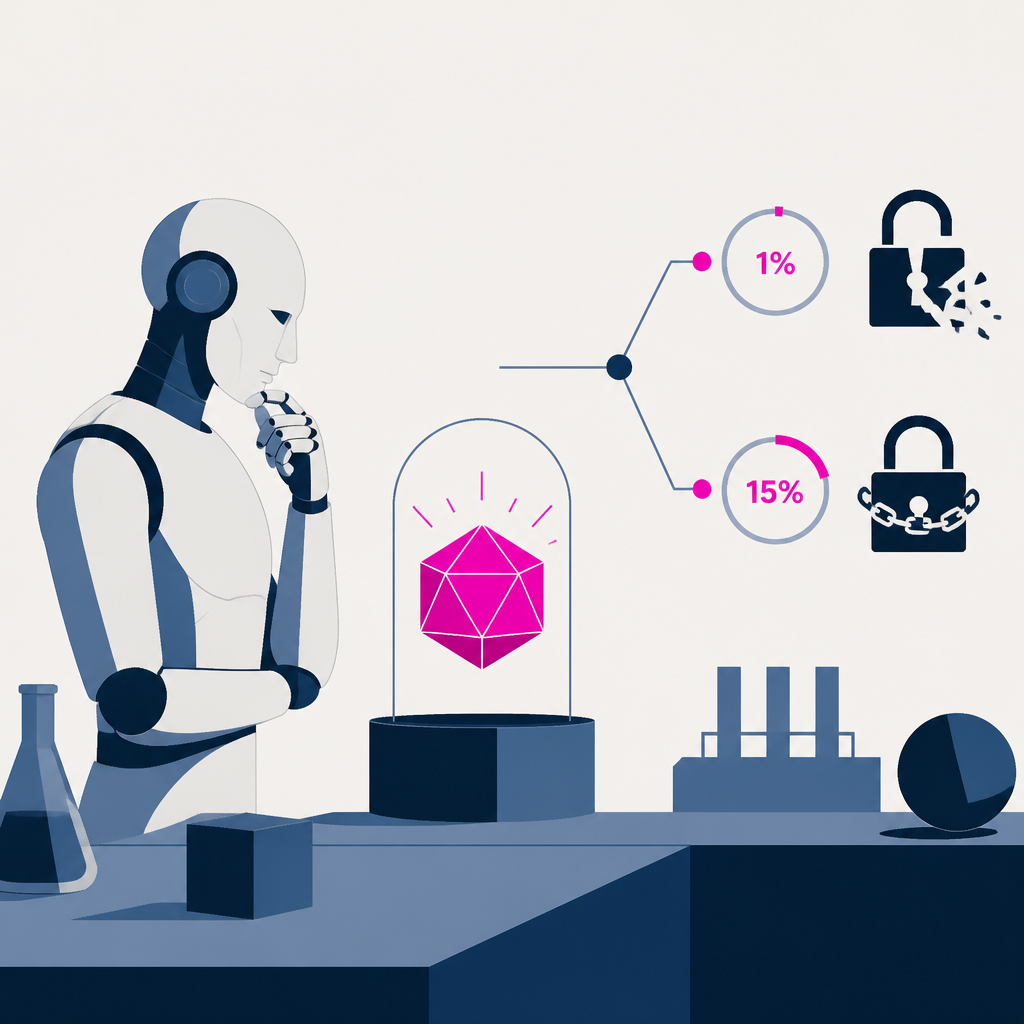
Matthew Green argued that AI’s ability to generate unexpected results could force a fast rethink of public-key cryptography before humans can update standards in time. He estimated a 1% chance of a “Minicrypt” scenario where public-key encryption is impossible, and a 15% chance that public-key encryption algorithms effectively lose confidence. The takeaway is to prepare for worst-case outcomes in advance, since recovery depends on prior preparation.
Letra launches today on Mac to turn on-screen text into clipboard text. It costs $5.99 once with no subscription. The update lets users use QR scanning and multilingual OCR plus a searchable history entirely on their Mac.
OpenAI fired three researchers who said they were dismissed for prioritising safety concerns, while the company said an internal investigation found they mishandled sensitive information outside procedures. On 2 October, a spokesperson told the BBC the investigation confirmed the mishandling. The dispute is intensifying the internal and public debate over AI safety and how safety and information handling should be managed at the company.
Meredith Whittaker, head of the Signal Foundation, argues that fears about AI turning on humans are not supported by science and instead highlights risks from careless AI use. She points to an alleged CNN report where a chatbot used by US intelligence invented details about a Chinese vessel carrying nuclear material, nearly triggering a US military response. As a result, she calls for attention to faulty outputs and for stronger protections of encrypted communication rather than relying on “human in the loop” reassurances.
Every AI story that matters,
in your inbox by 8am.
TLDRocket reads all relevant sources, removes duplicate coverage, and summarises the
day in two minutes. Follow companies and topics for alerts, or get the
briefing in Slack. Free, no spam, unsubscribe anytime.
Reading TLDRocket needs no cookies, and the readership counts we rely on come from
our own cookieless analytics. Google Analytics is the exception: it sets cookies and
reports to Google, so it stays switched off until you allow it. You can change your
mind any time from “Cookie settings” in the footer.
Strictly necessary
Session security and form protection (tldrocket-session,
XSRF-TOKEN, 2 hours). The site cannot work without them,
so they need no consent.
Always on
Google Analytics 4 (_ga,
_ga_<id>, up to 2 years). Measures which
stories and sections readers use. Google acts as a third-party processor and may
store the data outside the EU. No advertising, no profiling, no data sold.