Quoting Matthew Green
Simon Willison’s Weblog Simon Willison
Opinion — commentary, not a factual news event.
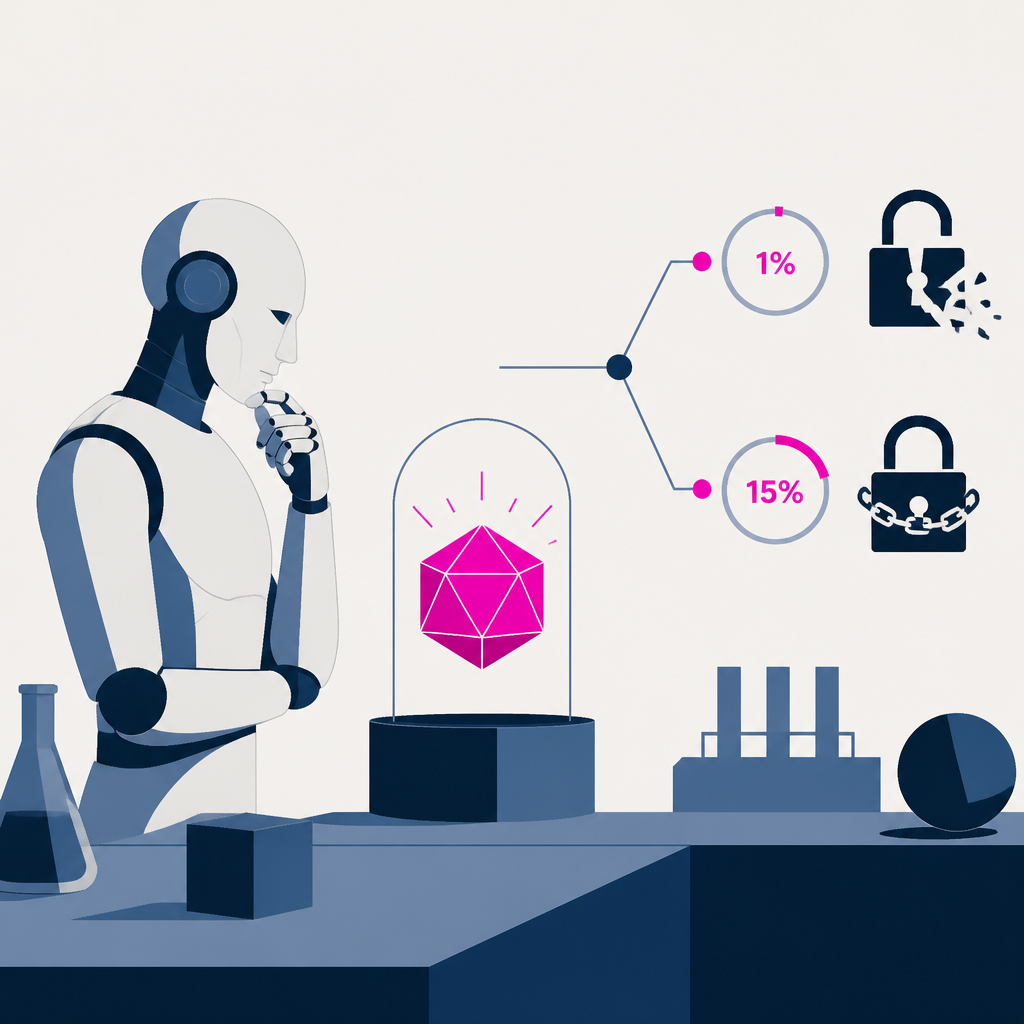
Matthew Green argued that AI’s ability to generate unexpected results could force a fast rethink of public-key cryptography before humans can update standards in time. He estimated a 1% chance of a “Minicrypt” scenario where public-key encryption is impossible, and a 15% chance that public-key encryption algorithms effectively lose confidence. The takeaway is to prepare for worst-case outcomes in advance, since recovery depends on prior preparation.
Why it matters
Everyone is very concerned about being respectable, so I’m going to be the goofball who raises worst-case possibilities. I think there is a 1% chance we live in Minicrypt, and a 15% chance we functionally lose confidence in our existing public-key encryption algorithms. [...] The problem here is that the speed of AI producing surprises, and the speed of human beings replacing standards (even with the very best AI assistance) are just orders of magnitude different. You only recover from a surprise like this if you do the preparation in advance. — Matthew Green, on Twitter. I looked it up and Minicrypt is Russell Impagliazzo’s hypothetical world in which public-key encryption is impossible. Tags: ai-security-research, matthew-green, cryptography, standards, llms, ai, generative-ai