Dell Technologies’ virtual “AI Data Platform Event: From Ambition to AI at Scale” will focus on preparing enterprise data for production AI and agentic systems, shifting attention from models/compute to storage, data management, security, sovereignty, and governance. The event runs Oct. 6–7. Coverage and interviews with industry figures will emphasize architectural “context engineering,” lower-latency production requirements, and how agents can trigger much higher query demand and broader security risks.
1Password ties AI agent access to individual tasks to address identity and auditing confusion when agents log in and act on someone’s behalf. The company says it grants just-in-time access scoped to a single task with credentials that never sit in the model. This shifts security to task-based, hybrid human-and-agent identity checks and requires shared identity standards and cloud-based secure access.
A podcast episode says facial recognition is being used widely and that viral accounts can identify people from video clips and post names and other personal details publicly. The discussion points to Meta’s Ray-Ban glasses as a near-term place where facial recognition is expected to appear. As a result, the episode argues that privacy is shrinking because more people can dox others by matching faces to identities.
Microsoft’s Copilot photo-editing workflow used human contractors to review and judge sexual and non-consensual prompt/image edits submitted by users. At least hundreds of reviewers have sometimes been involved, and contractors were instructed to choose between two generated edits based on which looked better. As reported, the content review is aimed at output-quality preference tuning rather than screening user uploads for safety, meaning users’ images may not stay private from the human workforce.
NoteWorthy launched today as an AI notes app that titles and organizes your notes on-device. It runs offline on iPhone, iPad, and Mac without an account or subscription. The result is no notes are sent to a server, and long notes get summarized automatically.
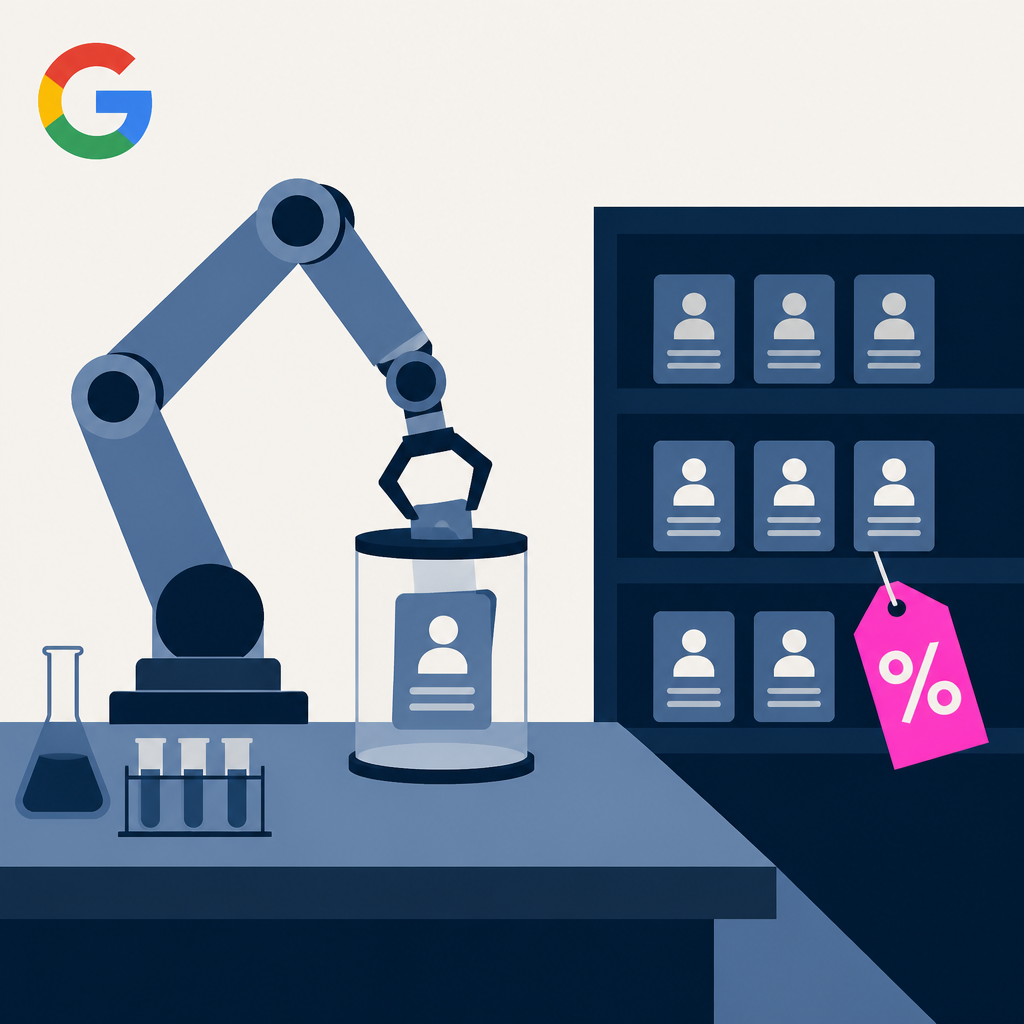
Google’s threat intelligence team reported that LLM-jacking surged this year, with hackers reselling stolen AI accounts on the dark web. Discounts reached up to 97% off. As a result, Google is warning about increased account theft and underground resale activity tied to AI services.
Walmart’s CEO John Furner said the company’s rollout of digital price labels and its AI shopping assistant Sparky do not use personal information to set prices. Walmart said 2,300 Walmart U.S. locations already use digital shelves, and chain-wide coverage is expected within the next year. The company is positioning its pricing as consistent with its “every day low prices” model and is aiming to reduce customer and regulator concerns about personalized pricing.
Every AI story that matters,
in your inbox by 8am.
TLDRocket reads all relevant sources, removes duplicate coverage, and summarises the
day in two minutes. Follow companies and topics for alerts, or get the
briefing in Slack. Free, no spam, unsubscribe anytime.
Reading TLDRocket needs no cookies, and the readership counts we rely on come from
our own cookieless analytics. Google Analytics is the exception: it sets cookies and
reports to Google, so it stays switched off until you allow it. You can change your
mind any time from “Cookie settings” in the footer.
Strictly necessary
Session security and form protection (tldrocket-session,
XSRF-TOKEN, 2 hours). The site cannot work without them,
so they need no consent.
Always on
Google Analytics 4 (_ga,
_ga_<id>, up to 2 years). Measures which
stories and sections readers use. Google acts as a third-party processor and may
store the data outside the EU. No advertising, no profiling, no data sold.