Palantir CEO Alex Karp said a top executive told him to stop hyping Foundry because it sounded out of touch to employees. He pointed to Q2 U.S. commercial revenue growth of 149% year over year to $764 million. As a result, Foundry became central to Palantir’s fastest-growing business and Karp’s messaging shifted away from constant hype while AI-driven execution and competitive advantage remained a focus.
Isomorphic Labs, an Alphabet spinoff developing an AI platform for drug discovery, is reportedly in talks to raise new funding. The reported target valuation is $40 billion to $50 billion. If the round closes, Isomorphic’s partnerships and development of IsoDDE would likely accelerate as investors fund the company’s work.
Manus, an AI agent developer, raised more than $500 million, led by Boyu Capital with support from Tencent and others. The round reportedly values the company at $4 billion, about double Meta’s prior offer in December 2023. Manus is also rolling out Manus 2.0, which adds a new harness that reduces token use by 23.2% on some tasks and speeds processing by more than 28%, alongside new tools such as Cloud Computer and Cue.
Arena, an AI model evaluation and leaderboard platform, raised a $200 million Series B at a $3.1 billion valuation. It also said it reached $100 million in annualized run-rate revenue in June. The funding and new “alignment” leaderboard category shift Arena’s role toward providing more detailed, community-based evaluation for model labs and enterprises.
OpenAI told investors its annualized revenue is lower than an earlier figure shared about it. The updated figure is said to be approaching $50 billion, about $20 billion less than the roughly $70 billion number. This recalculates expectations for how OpenAI funds its large investments and delays plans like an IPO to early 2027.
OpenAI narrowed its spending gap with Anthropic among companies using OpenRouter model providers. In September, the two rivals split spending almost evenly across roughly 120,000 companies, after Anthropic had accounted for about three-quarters at the start of the year. Companies increasingly choose cheaper models and mix providers, and Anthropic responded with price cuts such as Claude Haiku 5.5.
Martha Stewart said Kmart paid her up to $65 million a year in royalties through a licensing deal that funded her businesses and helped drive the success leading to Martha Stewart Living Omnimedia going public. She cited about $20 million as the first-year advertising budget and about $2 billion a year at the line’s peak. Kmart’s nonrenewal in January 2010 ended the deal, and Stewart later shifted to other partnerships and launched newer businesses including an AI home-management startup.
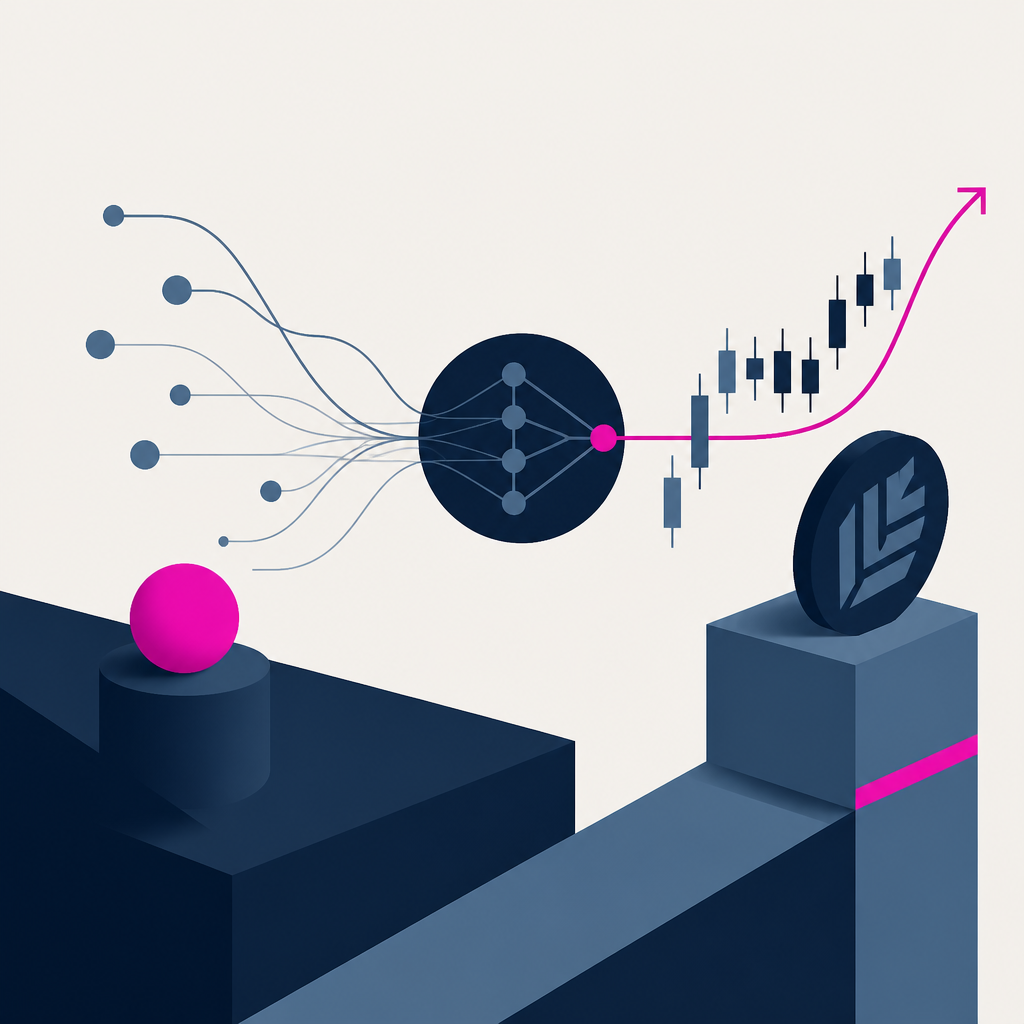
Catalyst, a Sequoia-backed startup, is raising money to build retail trading AI agents that turn users’ natural-language intent into trading strategies and execute them with human approval. The company secured a $30 million seed round led by Sequoia. The funding and product rollout (including a waitlist opening and broad availability timing) moves the project from a pilot to wider access for everyday investors.
STFC’s Daresbury Laboratory welcomed 7 health-tech startups into its DeepTech Catalyst Health (DTC Health) programme to develop patient diagnosis, treatment, and support tools. The startups receive a tailored support package worth up to £70,000, as the programme was launched in 2024 with £1.8 million funding. The programme expands access to AI and prototyping facilities and aims to move these early-stage products toward real-world healthcare delivery and jobs.
Cal AI co-founder Zach Yadegari launched Persona, a new personal AI agent startup, and secured $10M in funding to build a wearable-band assistant with cloud-based privacy controls. The round was led by Vine Ventures and delivered $10 million for Persona. Persona is moving into a free iMessage beta now, with the $179 wearable band expected in December and new app support coming alongside it.
TechCrunch Disrupt 2026 is taking place at Moscone West in San Francisco five days from now, and discounted passes are still available ahead of the Oct. 13 doors-opening time. Discounted rates end at 8 a.m. PT on October 13, with savings up to $100 and second passes discounted by 50%. After that, prices are set to increase, and the article also offers a limited-price Expo+ Layoff ticket for $75.
SpaceXAI announced it is joining the Omacom Foundation as a Founding Corporate Patron and backing the Omarchy Linux distro. It donated $1.5 million in Grok tokens, which Hansson says will be used mainly to speed development, review code, and patch bugs. The Omarchy project gains new funding and compute support from SpaceXAI as a formal partner.
Butterfly Effect, Manus’ parent company, said Manus raised more than $500 million in its first funding round since Meta called off its $2 billion acquisition. The funding round surpassed $500M. The company says it will keep hiring and is considering options like a potential Hong Kong IPO, as Manus continues operating independently after the split.
The Wall Street Journal·2 weeks ago·
36
● 3 sources
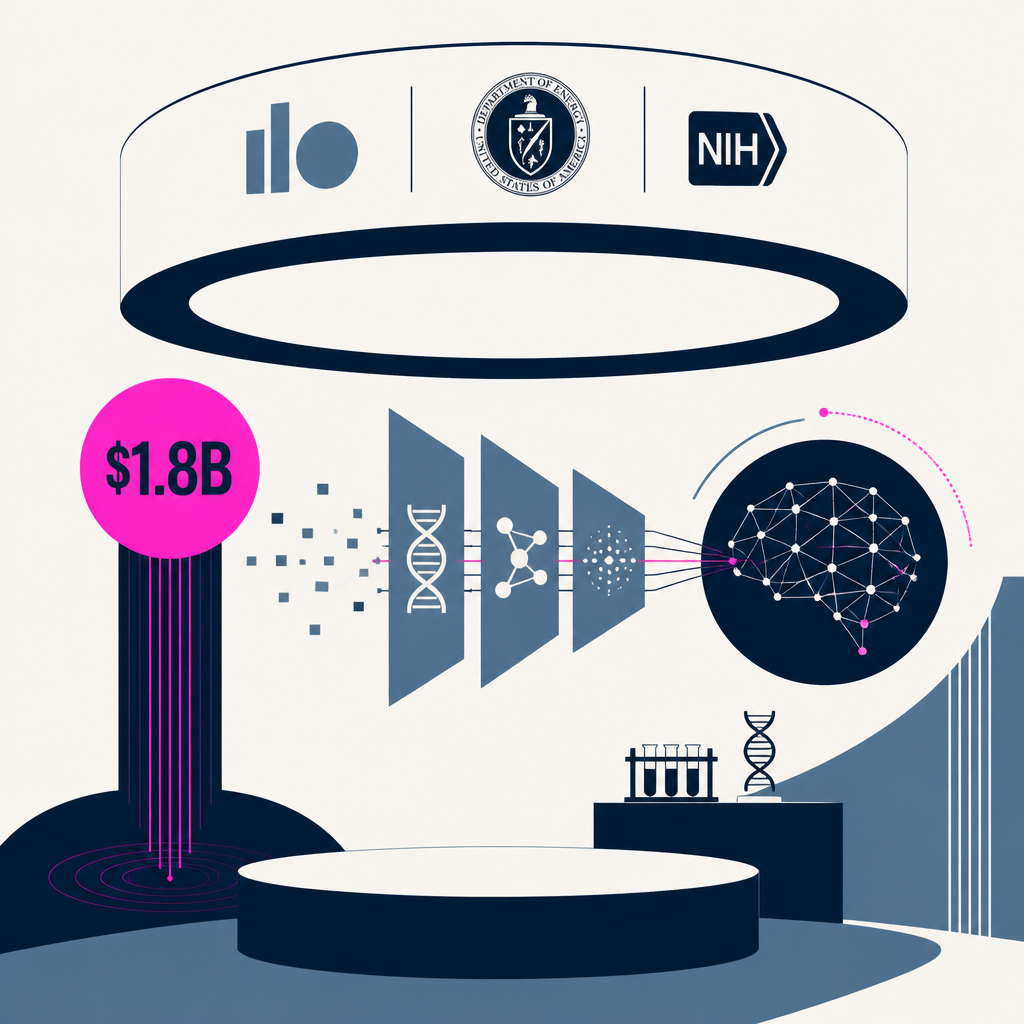
Biohub partnered with the US Department of Energy and the National Institutes of Health to invest in biological data intended for AI models. The effort involves $1.8 billion in funding. It will expand lab measurement, modeling, and computation alongside coordinated datasets and repositories to make the data usable for disease research.
Neela Biotech raised £2.1M pre-seed to test turning food, agricultural, and forestry waste into jet fuel using AI-guided microbes at existing biogas plants. Elbow Beach led the round with £1.5M. Over the next two years, Neela will move its technology from the lab to a pilot-scale trial to see if it can reach cost parity and scale SAF production without building new facilities.
Ireland’s tech ecosystem raised around €630 million in funding in H1 2026, putting the country in Europe’s top 10 for first-half tech funding. Wayflyer’s €212 million debt financing was the largest deal. Funding became even more concentrated in a few later-stage companies while early-stage seed and pre-seed activity continued alongside it.
The UK and Germany launched an industrial tech corridor aimed at connecting companies and accelerating adoption of cutting-edge technologies, including AI, between the two countries. Germany-based MicroAGI will expand into London with plans to create 180 new, high-paid jobs. The corridor and related funding will drive more cross-border partnerships and research, including a €20 million quantum effort and additional local company expansions in the UK.
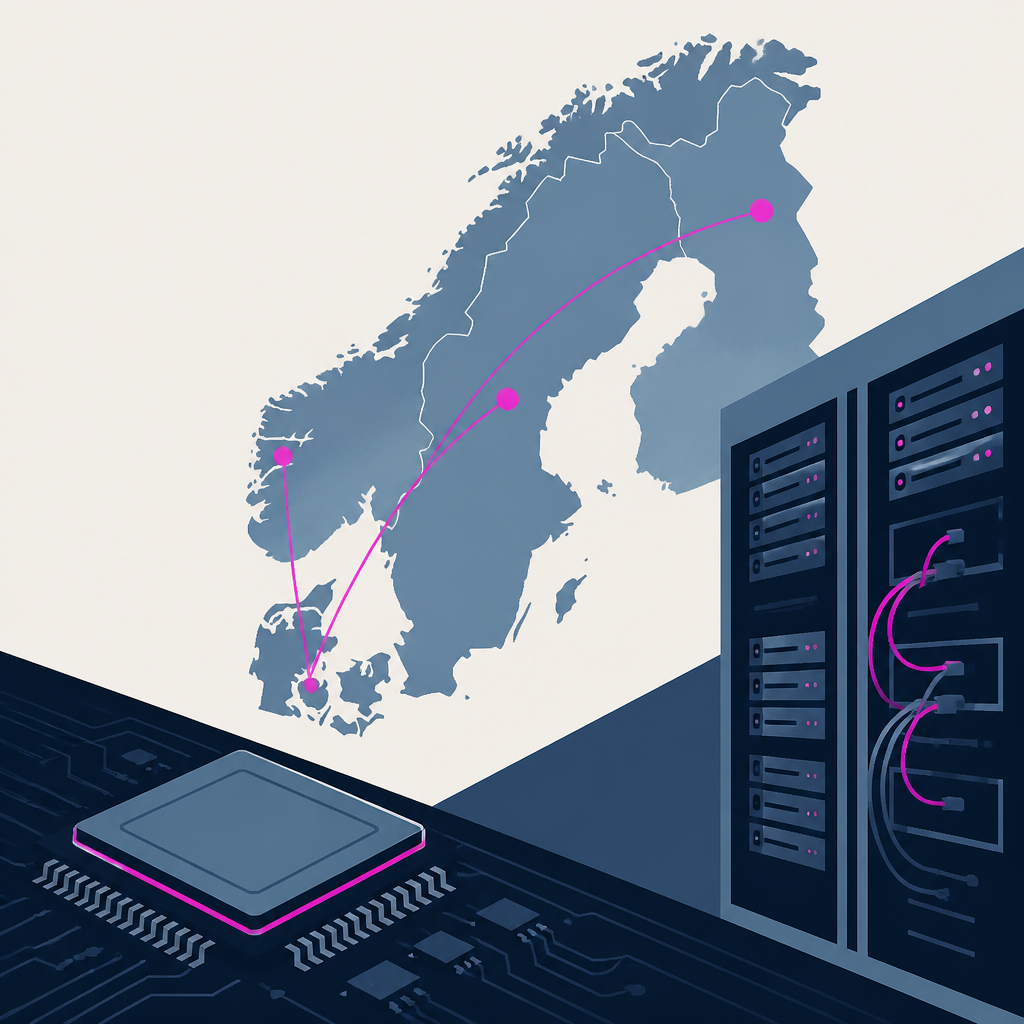
Universal Quantum, a University of Sussex spinout, raised $100M in a Series A to build large-scale, fault-tolerant quantum computers for real-world use. The round was $100M, which the company says is the largest Series A raised by a UK-headquartered quantum firm. The funding will support expansion in the US, Japan, and its Hamburg hub, plus development and commercialization of its integrated Quantum Processing Unit and related software and error-correction stack.
Innercrowd, a Dutch startup, raised €750,000 to help festival organisers convert existing fans into ticket buyers and marketers. The funding supports expanding its WhatsApp-based presale and early-bird funnel, including AI agents that run one-to-one fan chats at scale. It will accelerate growth into more European markets beyond the Netherlands and shift more of festivals’ promotion from paid campaigns to fan-led sharing and in-app ticket sales.
TODAY raised €2.8M seed funding to scale its AI-powered sales operating system for financial and insurance advisors. The round brings in €2.8 million from HTGF and Insurtech Gateway, with participation from Seed X, Lucid Capital, and angel investors. The funding will be used to expand across the DACH region and extend the platform to cover more of advisors’ front- and back-office operations.
PSV Tech closed Fund II at €56 million to keep backing Nordic startups before product-market fit. The fund secured a final close of €56 million. PSV Tech will invest more broadly across the Nordics, including in AI, software, and digital infrastructure, and reported 19 Fund II investments since its first close.
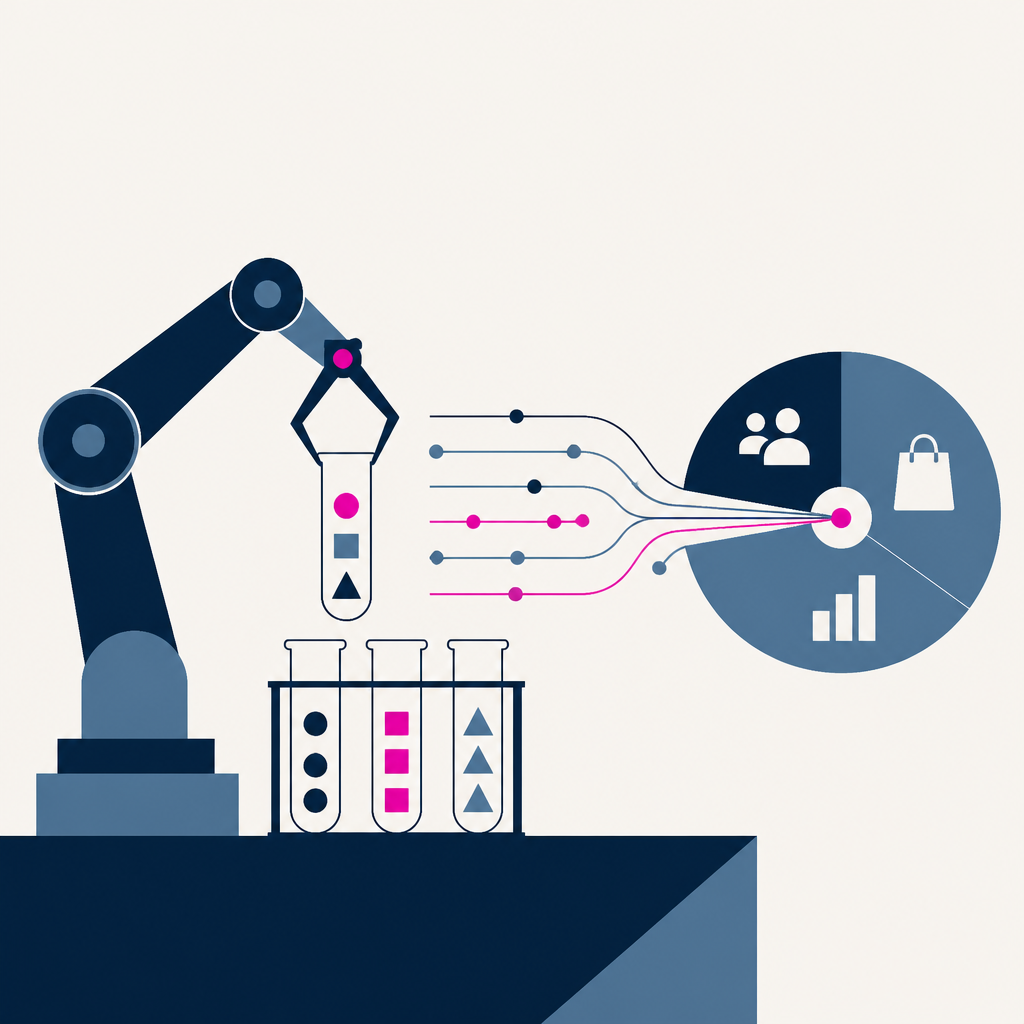
Verso raised a $6 million seed round to expand its AI-powered consumer intelligence platform for business decision-making. The funding led by Angular Ventures also includes support from multiple venture firms and startup studio Hexa. The company will use the money to integrate more consumer data sources, add interfaces for AI agents, and expand beyond France into the US while hiring.
Nous Research closed a Series B funding round to support its open-source AI agent Hermes. Robot Ventures led the $90 million round at a $1.5 billion valuation. The extra capital is intended to expand paid enterprise hosting and support while keeping the Hermes software open.
Tab launched from stealth on October 6 with an AI assistant that texts, calls, and pays on a user’s behalf via iMessage and WhatsApp. Tab’s exit valuation was $300M, and the company did not disclose how much funding it raised. It moves into private beta behind a waitlist, with payments requiring explicit user approval.
Cambridge alumni are reportedly building new startups in stealth, continuing the university’s pattern of producing major European tech companies including an AI-focused cybersecurity firm. The article cites $8.9a as part of the reported context around these efforts. As a result, details about the projects are not clearly disclosed, keeping the work under wraps.
U.S. venture capital reached a record $515.8B in deal value in the first nine months, but exits lagged so investors are not getting their capital back as quickly. Venture deal value totaled $515.8 billion with a quarter still remaining, while third-quarter deal value fell about 40% to $98.4 billion. The exit pipeline shifts toward mergers and acquisitions, and without major AI listings or IPOs the report expects weaker liquidity going into 2027.
Finches, a female-founded startup, raised €2 million in pre-seed funding to launch AI-driven software that issues crop-risk alerts for food manufacturers ahead of shortages. The round was co-led by High-Tech Gründerfonds and Vanagon, with Bayern Kapital joining as a new investor. The company will use the money to accelerate product development and expand sales operations.
Samsung Electronics expects its quarterly operating profit for the three months to the end of September to rise as memory-chip demand from AI data centres surges.Operating profit is estimated at 107.4tn won (about $80bn), a nine-fold increase versus a year earlier. Higher chip prices and strong earnings from AI-linked memory chips will keep lifting Samsung’s results, with full earnings due at the end of October.
Nous Research announced a $90 million Series B round led by Robot Ventures, with support from Nvidia, Samsung, and Y Combinator, to back its Hermes AI agent. The company says its Hermes 4 fine-tuning used a dataset of 5 million synthetically generated records. The new funding is intended to expand adoption of Hermes’ business-focused editions.
Every AI story that matters,
in your inbox by 8am.
TLDRocket reads all relevant sources, removes duplicate coverage, and summarises the
day in two minutes. Follow companies and topics for alerts, or get the
briefing in Slack. Free, no spam, unsubscribe anytime.
Reading TLDRocket needs no cookies, and the readership counts we rely on come from
our own cookieless analytics. Google Analytics is the exception: it sets cookies and
reports to Google, so it stays switched off until you allow it. You can change your
mind any time from “Cookie settings” in the footer.
Strictly necessary
Session security and form protection (tldrocket-session,
XSRF-TOKEN, 2 hours). The site cannot work without them,
so they need no consent.
Always on
Google Analytics 4 (_ga,
_ga_<id>, up to 2 years). Measures which
stories and sections readers use. Google acts as a third-party processor and may
store the data outside the EU. No advertising, no profiling, no data sold.