Sequoia-backed Catalyst raises $30 million to build AI trading agents for everyday investors
Fortune Allie Garfinkle
Catalyst raised $30 million to build AI agents for retail trading. It wants to turn plain English into trades — with a human still clicking approve.
Based on reporting by Fortune, Allie Garfinkle — read the original for the full story.
Summary, retelling and take written by AI under human oversight; images are AI-generated illustrations. How we work · Report an error
Catalyst is trying to make trading feel less like a maze and more like a conversation. The startup, founded in 2025 by Justin Zheng and Dylan Iskandar, has raised a $30 million seed round led by Sequoia, with Jump Trading, PeakXV, Lux Capital, AntiFund, Coinbase and Premji Invest also in the mix.
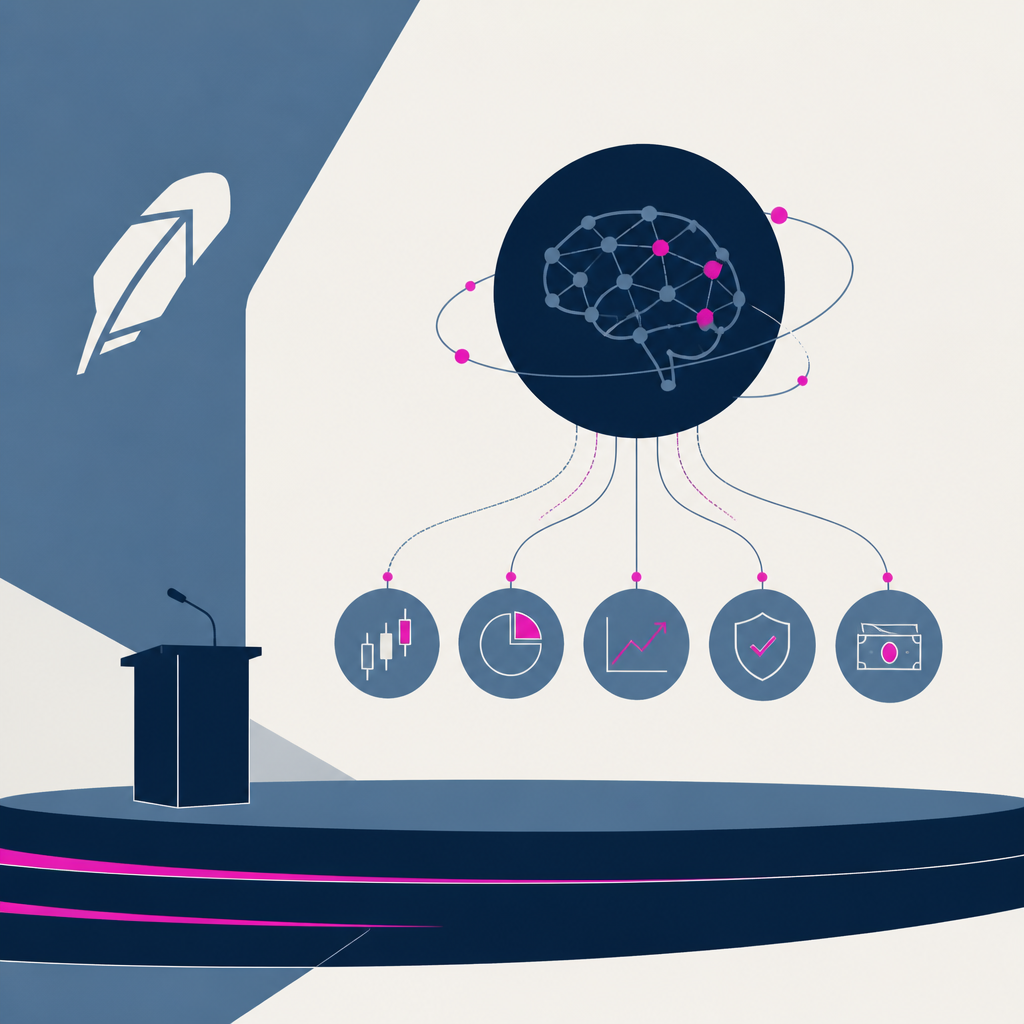
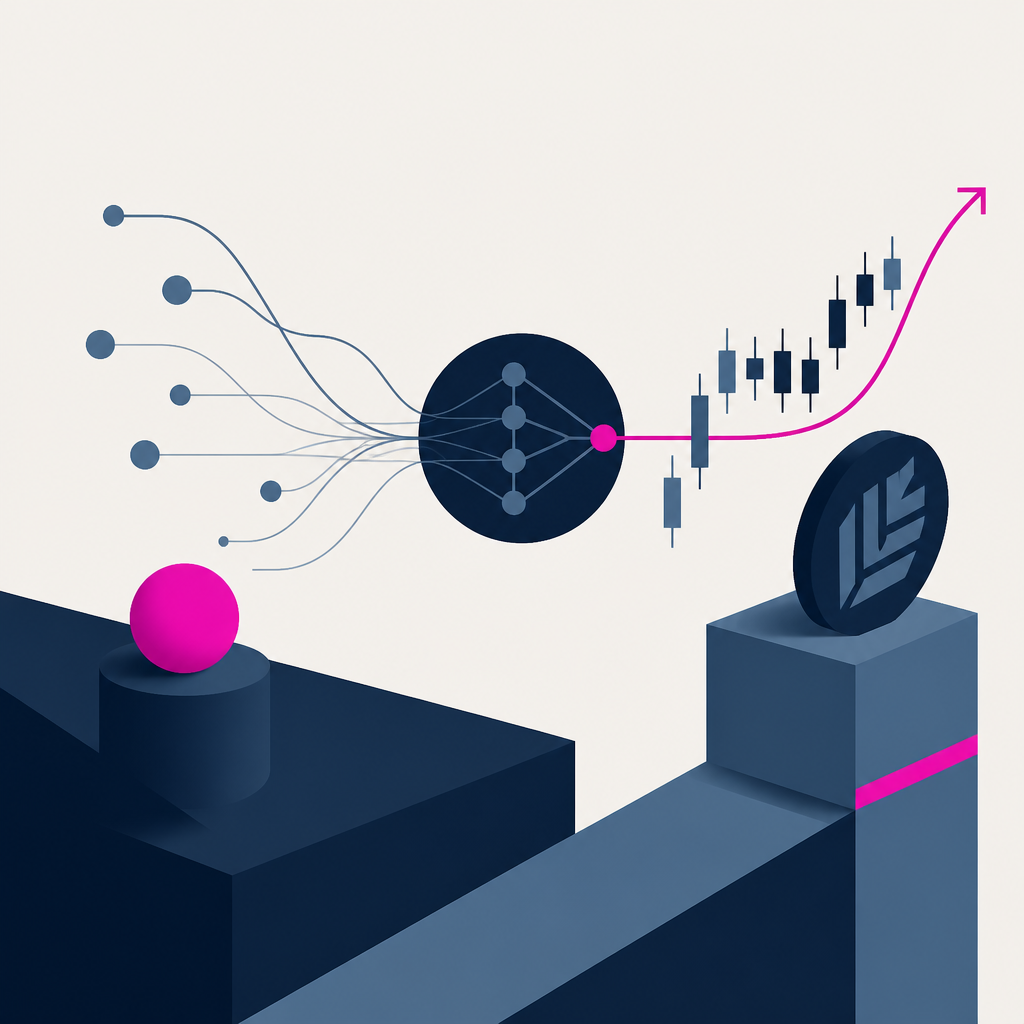
The pitch is simple enough to fit on a napkin: a user states an intent in natural language, Catalyst’s agents turn that into a strategy, and then they execute it. A person still has to approve the trade. Zheng says the point is to help people preserve and grow capital as financial markets get more crowded and harder to parse.
The founders have the kind of backstory that makes Silicon Valley lean in. Zheng, now 25, got into Ethereum in middle school, built a Village Global-backed biometrics startup by high school, and later joined Sam Altman’s Worldcoin in 2019. Iskandar, 21, was publishing papers for the U.S. Department of Defense while still in high school. They met as teenagers at a Tyler Cowen conference in 2019, over poker, and stayed in touch before deciding to build together.
Sequoia partner George Robson framed Catalyst as a kind of armor for navigating finance, saying it should help traders move up the curve by exploring a thesis, finding instruments, optimizing for cost, and executing at the right moment. But the company is also stepping straight into a messy corner of the market. Prediction markets are rising, crypto is now mainstream enough to be a backdrop, and any product that makes trading easier risks looking a lot like a shortcut to gambling if the guardrails are weak.
Catalyst says it is aware of that. Zheng says the company is building user education tools that explain risks in a personalized way and insists, “We’re not here to build a casino.” The company says a pilot generated hundreds of millions in trading volume over a couple of weeks, and people are now coming off the waitlist as wider availability approaches.
My take — AI-written commentary, not fact-checked reporting
This is Sequoia doing what Sequoia does best: funding the shiny thing just before everyone else argues about whether it’s helpful or hazardous. The real question isn’t whether AI can draft a trade faster than a human; it’s whether retail investors need another layer of automation between them and their own bad ideas. Finance keeps dressing up speculation as empowerment, and the costume is getting better tailored.
Read more about this at: Fortune