Firmus pulled its Sydney IPO after investors pushed back on the offer, canceling the listing one day after order books closed. The company had targeted a roughly $30 billion valuation, which equated to about 600 times its $51 million 2026 fiscal-year revenue. Firmus called off the IPO and plans a $2 billion to $3 billion private funding round, with a potential Nasdaq listing next year.
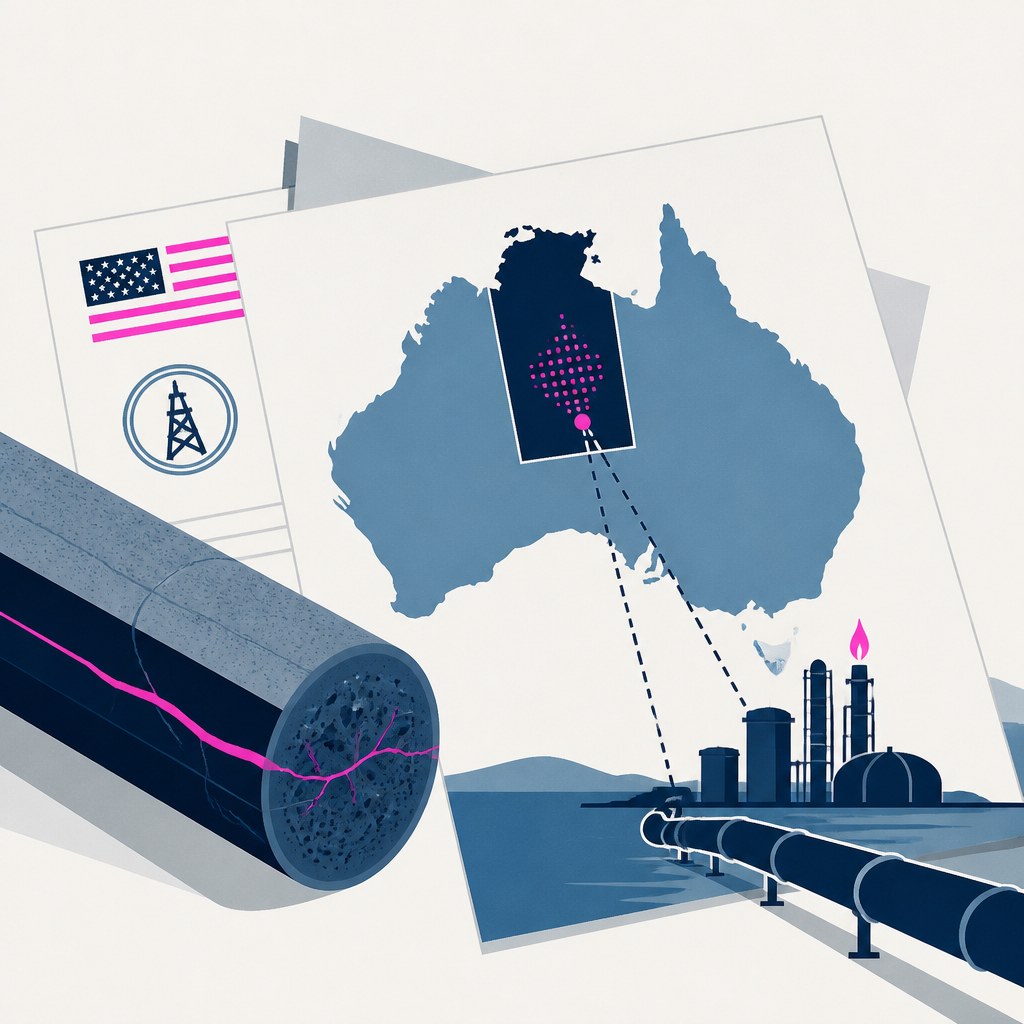
American oilmen and U.S. shale firms helped Tamboran Resources and Daly Waters Energy restart fracking in Australia’s Beetaloo Basin, leading to the basin’s first commercial natural gas deliveries to the Northern Territory.
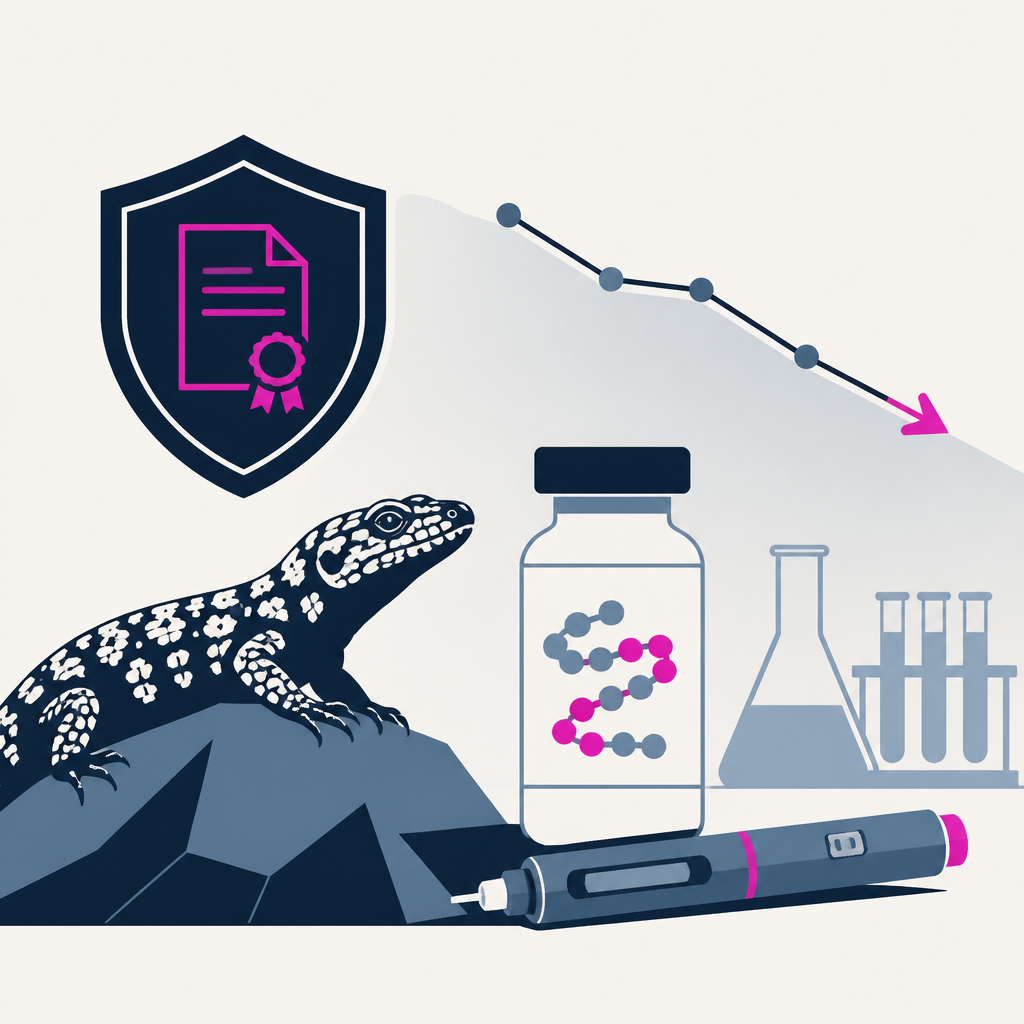
America’s obesity rate declined after GLP-1 weight-loss medicines became more widely used and cheaper.
Gallup data show the obese share fell from 39.9% in 2022 to 36.4% this year.
The article argues that stronger, time-limited patents enabled the drugs’ development and licensing, which is spurring ongoing competition and faster price drops and generics as key patents expire in the early 2030s.
Big Tech companies including Microsoft, Alphabet, Meta, and Amazon are planning to spend more than $700 billion on AI infrastructure this year, aiming for productivity gains that justify the capital outlay in industries like healthcare. U.S. healthcare spending totaled $5.3 trillion in 2024, and CMS applied a 2.5% efficiency adjustment to certain physician payments for 2026. Providers need to deploy AI now to cut administrative work before reimbursement rules more fully reflect efficiencies, using freed clinician time to expand patient access rather than just shifting tasks.
AI agents are being built so people can text them in iMessage/RCS and get tasks done using context plus connected apps, from scheduling and reservations to follow-ups and emails. Instinct’s latest funding valued the company at $10 billion after a $1 billion round. As a result, more personal and family workflows are moving from separate apps into chat-based delegation, with pricing and access models ranging from open source/free to monthly subscriptions.
Waymo closed its first major $5 billion loan to fund expansion of its driverless robotaxi service. The deal is led by PIMCO, Blackstone and Sixth Street with Goldman Sachs arranging it at an interest rate 5.25 percentage points above the benchmark. Waymo will use the debt alongside prior equity funding to scale operations in additional U.S. markets and expand into London and Tokyo.
Arena closed a $200 million Series B to value the AI evaluation platform at $3.1 billion.
In the round, its valuation nearly doubled from $1.7 billion in January.
Arena plans to expand its service into ratings for AI agents, using an alignment index based on about 90,000 real sessions.
Sabi raised a $50 million seed round to build a cap that converts EEG signals into text and commands for AI assistants using a “Brain Foundation Model.”Sabi says it can sense through hair with sensors 1–5 millimeters in size and trained on more than 100,000 hours of EEG recordings, with an internal claim that its custom chip is over 50x more power-efficient than a Texas Instruments component.Sabi plans to show a first prototype at CES in January and begin preparing devices for its waitlist while aiming to encrypt brain data at the sensor.
Ramp raised about $1.85 billion in a new funding round at a $60 billion pre-money valuation. The deal values the company at $60 billion, up from a $44 billion valuation in June. The funding and higher valuation further accelerate Ramp’s expansion into areas like A.I.-focused finance features and Europe payments.
TypeSafe/Jev reportedly reached more than $100M in annual recurring revenue and a $7.5B valuation just 3 weeks after launch. The reported valuation is $7.5B. As a result, the company’s financial and market positioning improved quickly post-launch based on those figures.
TypeSafe announced that its Jev API reached more than $100M ARR within its first week, with Sequoia reporting a $7.5B valuation just 3 weeks after launch. $7.5B valuation is attributed to Jev’s early growth. The result is increased benchmarking around typed “decision” outputs and faster category spread across other model providers and tooling.
Every AI story that matters,
in your inbox by 8am.
TLDRocket reads all relevant sources, removes duplicate coverage, and summarises the
day in two minutes. Follow companies and topics for alerts, or get the
briefing in Slack. Free, no spam, unsubscribe anytime.
Reading TLDRocket needs no cookies, and the readership counts we rely on come from
our own cookieless analytics. Google Analytics is the exception: it sets cookies and
reports to Google, so it stays switched off until you allow it. You can change your
mind any time from “Cookie settings” in the footer.
Strictly necessary
Session security and form protection (tldrocket-session,
XSRF-TOKEN, 2 hours). The site cannot work without them,
so they need no consent.
Always on
Google Analytics 4 (_ga,
_ga_<id>, up to 2 years). Measures which
stories and sections readers use. Google acts as a third-party processor and may
store the data outside the EU. No advertising, no profiling, no data sold.