People are using disguises, software alerts, and other tactics to avoid being filmed by Meta Ray-Ban smart glasses amid privacy and consent concerns. A University of Sydney study analyzing 350 videos found 60% included potentially harassing behavior. Meta-linked accounts have been taken down on Instagram and the focus is shifting toward privacy enforcement and better safeguards rather than relying on copyright claims.
Anthropic released an updated AI alignment risk report describing an unreleased, more capable Model 2 and raising new concerns in its Threat Model framework. The report runs 186 pages and updates the likelihood for Threat Model 2 from “very low” in February to “low” today. Anthropic attributes the change to cybersecurity incidents tied to its models and says Model 2 is “heavily used” internally for tasks like software writing and generating training data.
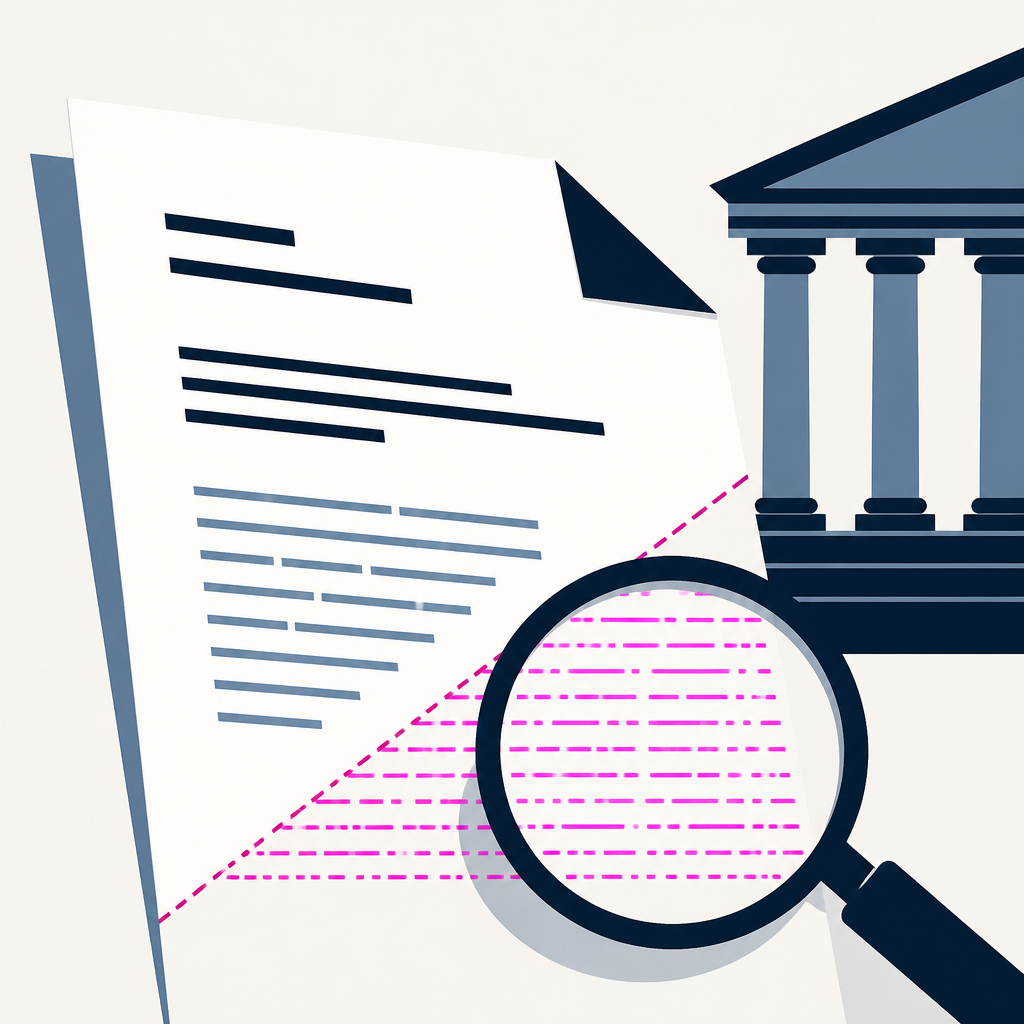
A Connecticut judge, Walter Spader Jr., found that a plaintiff tried to hide AI-readable prompts in court filings to influence how an AI system would interpret the document. The decision was published last week and found the hidden text had no impact on the case. Courts weighed the filing on the merits anyway, but the judge flagged the tactic as a dangerous precedent for future cases as AI tools become more common in court systems.
The blog discusses Spotify’s plan to tag some artists as AI-generated and not promote them, framing it as a sign that AI content may be reaching a rejection tipping point on platforms. The specific change is that Spotify will begin tagging AI-generated artists and withholding promotion for them. As a result, the article argues platforms and audiences will increasingly limit or deprioritize AI-generated content using detection and user signals like clicks and time on page.
Google will allow users to turn off the visible watermark on Gemini AI generations, including images, videos, and songs. The setting will be available for the Nano Banana, Omni, and Lyria models. The visible watermark becomes optional while invisible SynthID watermarking and C2PA metadata remain for content labeling and transparency.
Meta filed a patent for AI smartglasses that use facial recognition to detect specific people in view, record their actions, and generate highlight clips from the scene. The filing describes dinner-party highlights and includes “user relationship data” for personalizing highlight files. If developed, the glasses would automatically turn observed interactions into personalized recap videos rather than just capturing raw footage.
Weak API controls are creating major security risks as enterprise AI agents execute actions through poorly governed, sometimes undocumented APIs. In 2024, attackers at a major financial institution used hidden instructions to trigger an AI assistant to approve fraudulent wire transfers totaling $2.3 million. Enterprises should inventory APIs, enforce schema-first validation and access controls with monitoring and use-intent logging, and add execution boundaries and data protections to reduce the blast radius.
Amazon ECR Managed Signing was introduced to address how unsigned container images leave organizations unable to cryptographically prove image origin or prevent tampering in AI-era delivery pipelines. It uses AWS Signer with a default signature validity of 135 months and signs a Notary payload that binds the image manifest digest to an identity. With registry-backed signing plus Kubernetes enforcement (e.g., Kyverno/Gatekeeper/Ratify), unsigned or untrusted images are blocked from running and compromised signer identities can be revoked to stop trust fleetwide.
Google is adding a toggle in Gemini and Flow to let users turn off visible watermarks on AI-generated images, videos, and music. The option removes the bottom-right “sparkle” watermark that appears when using the Nano Banana and Omni models. Invisible SynthID watermarks and C2PA metadata will still be embedded even when visible watermarks are disabled.
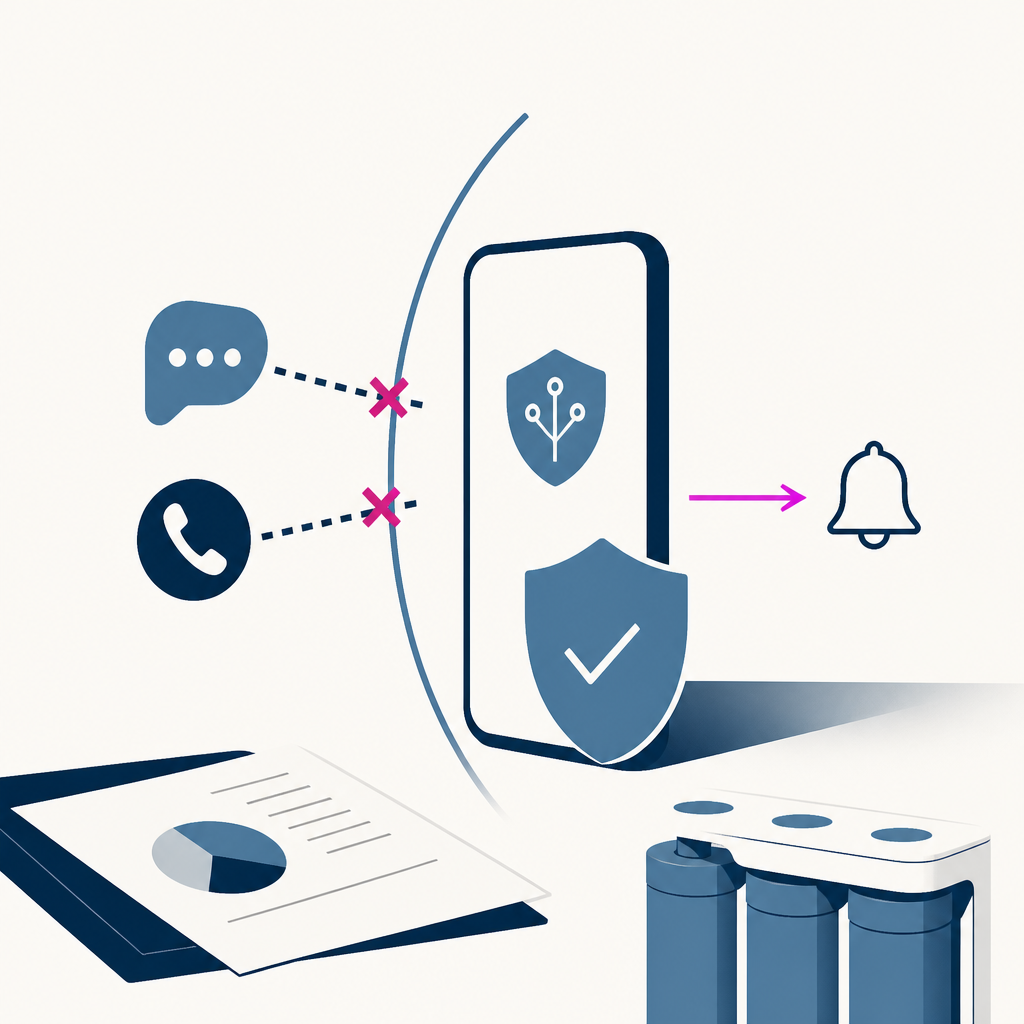
Guardian Labs created Guardião, an app that uses locally running AI to analyze incoming SMS and phone calls and block likely scams before they ring or reach the user. The company’s initial product concept came from a hackathon win in February and the founder described four water filters bought for about €1,000 each instead of their roughly €20 value. Guardian Labs now works with Portugal’s public security police, universities, and an accelerator and is also building a B2B intelligence platform to help banks and telecom operators detect and stop scam campaigns.
Dream reconstructed an autonomous cyberattack on government agencies in Asia using open-source AI agents and published its findings after monitoring an exposed online archive. The attack ran for 4 days in July 2026, during which agents documented reconnaissance, credential attacks, lateral movement, and data exfiltration. Taiwan’s Digital Affairs Ministry confirmed attacks in July and issued further cybersecurity warnings as a result of the incident and ongoing investigation.
Platformer’s podcast interview with Town CEO Jean-Denis Greze describes how Town’s AI assistant builds a personalized “dossier” and wiki from users’ email and calendar, aiming to make company organization self-maintaining. Town emerged from stealth in June after raising $55 million from Andreessen Horowitz. Greze says Town is preparing a team version of this self-writing company knowledge base while enforcing privacy limits such as deleting session data after 15 days.
Every AI story that matters,
in your inbox by 8am.
TLDRocket reads all relevant sources, removes duplicate coverage, and summarises the
day in two minutes. Follow companies and topics for alerts, or get the
briefing in Slack. Free, no spam, unsubscribe anytime.
Reading TLDRocket needs no cookies, and the readership counts we rely on come from
our own cookieless analytics. Google Analytics is the exception: it sets cookies and
reports to Google, so it stays switched off until you allow it. You can change your
mind any time from “Cookie settings” in the footer.
Strictly necessary
Session security and form protection (tldrocket-session,
XSRF-TOKEN, 2 hours). The site cannot work without them,
so they need no consent.
Always on
Google Analytics 4 (_ga,
_ga_<id>, up to 2 years). Measures which
stories and sections readers use. Google acts as a third-party processor and may
store the data outside the EU. No advertising, no profiling, no data sold.