
People are going to extreme lengths to stop themselves from being filmed through Meta’s ‘pervert glasses’
Fortune Joshua Hong ● Covered by 2 sources
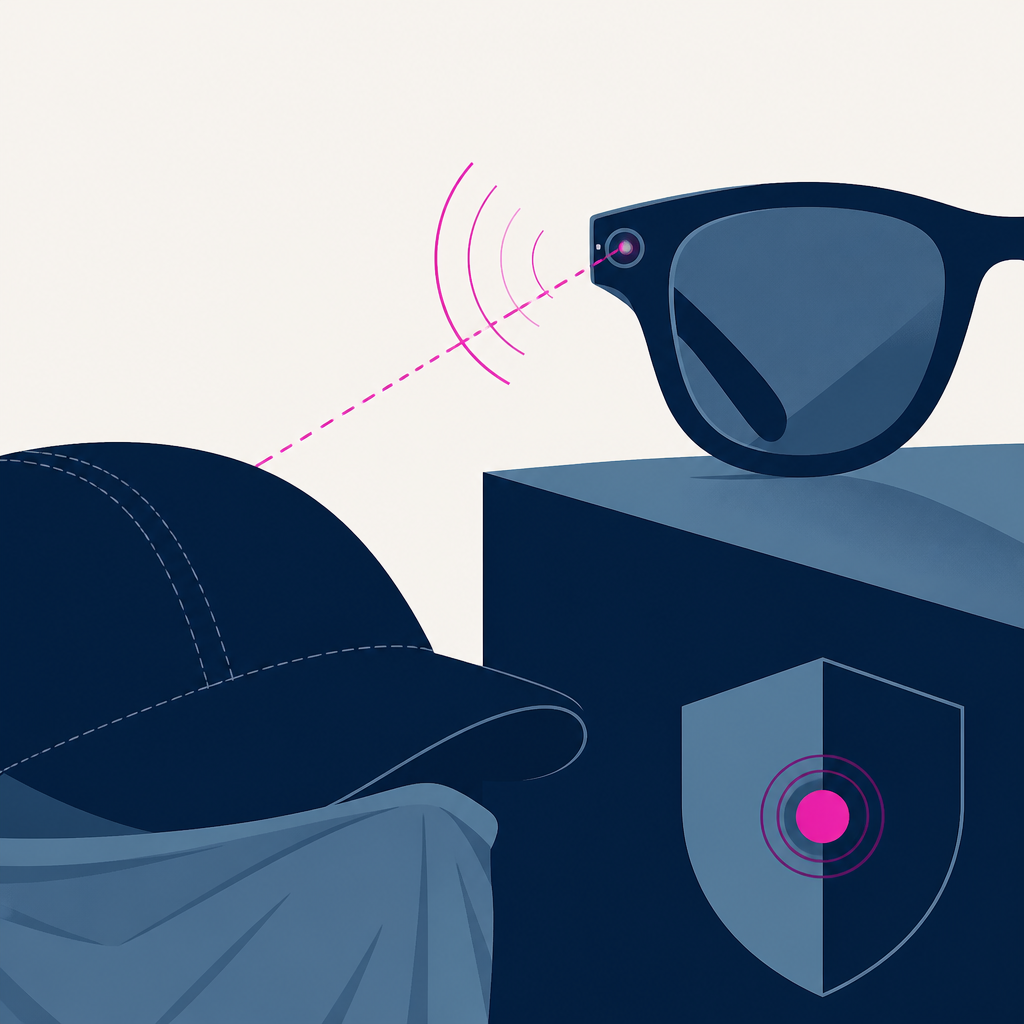
People are trying all kinds of tricks to avoid Meta’s smart glasses filming them. That’s because the privacy fight is now about hidden cameras in everyday places, not just phones.
Based on reporting by Fortune, Joshua Hong — read the original for the full story.
Summary, retelling and take written by AI under human oversight; images are AI-generated illustrations. How we work · Report an error
The newest privacy panic isn’t about a phone held at arm’s length. It’s about glasses that look ordinary, but can quietly record photos, video and audio while people around them may never notice. Meta’s Ray-Ban Meta Glasses have become the flashpoint, and the backlash has been sharp enough that some people now call them “pervert glasses.”
That label isn’t just internet theater. Fortune says Meta is being sued after a study found subcontractors viewing intimate moments, and Instagram has already disabled accounts that pulled in millions of followers by streaming live feeds from Meta glasses. A spokesperson said the platform does not want harassing content and removes it when it finds it. So the problem has already spilled out of hardware and into the social apps built around it.
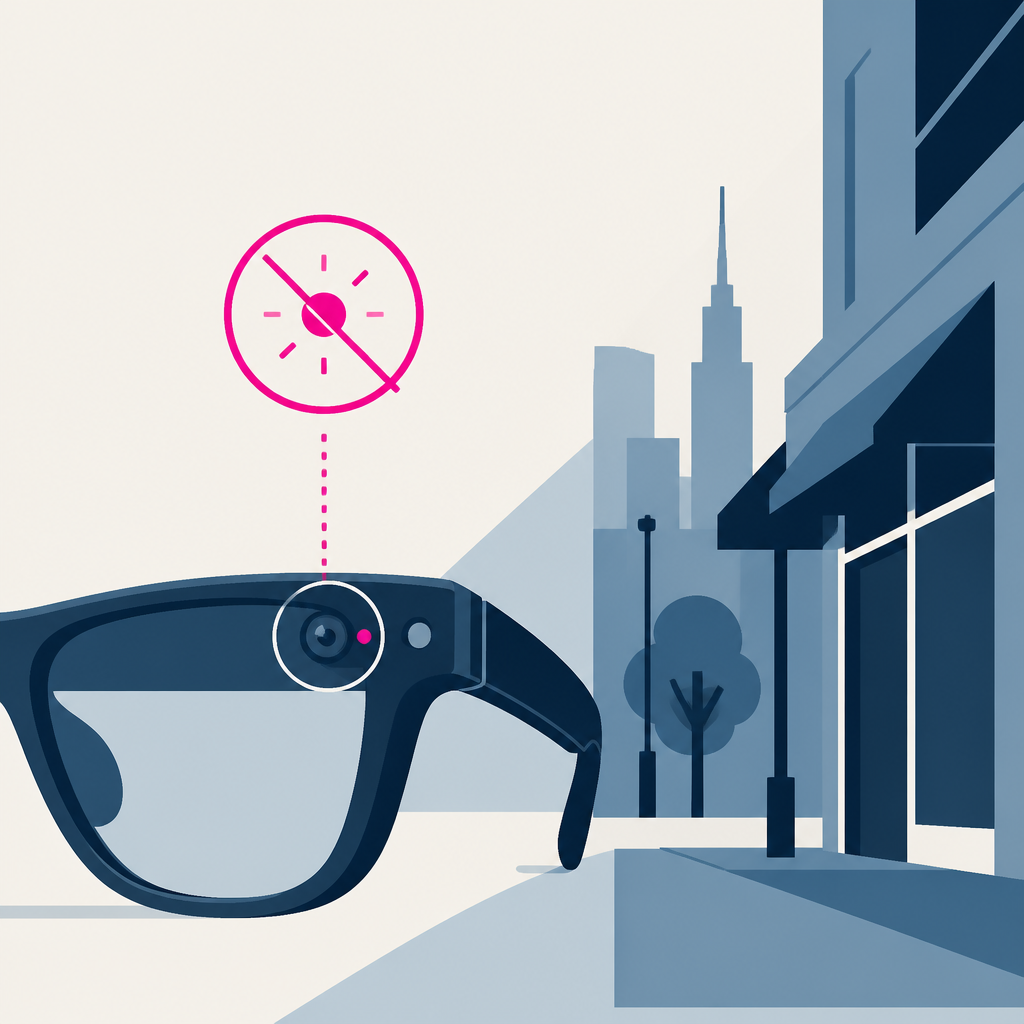
What makes the glasses especially awkward is how hidden they are. A white capture LED on the front of the frames blinks when recording starts, and Meta says it cannot be switched off. The company also says the camera is disabled if that light is covered or blocked. But as Harvard computer science professor Jim Waldo put it, the issue is not just the gadget; it is the mix of Meta glasses, facial recognition, AI and other tools landing in a world people are not ready for.
The legal side is messy for the same reason. Gene Kang, a partner at Rivkin Radler LLP, told Fortune that if someone raises a phone toward another person, the recording is obvious. Glasses change that. If the person being filmed does not realize it, implied consent becomes much harder to argue, and privacy and consent laws may come into play.
People are already fighting back in odd ways. Some use face markings to confuse recognition systems. Others try singing copyrighted Disney songs on the theory that social platforms will pull the clips. An open-source app called Nearby Glasses, built by Professor Dr. Yves Jeanrenaud, tries to warn users when Meta Glasses are nearby and has passed 100,000 downloads on Google Play. Even its creator says it is only a partial fix. The real discomfort here is simple: wearable tech is getting better at capturing other people, not just helping the wearer.
My take — AI-written commentary, not fact-checked reporting
This is the kind of product that proves “consent” gets very fuzzy once the camera stops looking like a camera. Meta can keep polishing the hardware all it wants, but if the people nearby need copyright karaoke and detection apps just to feel normal in public, something is badly off. The industry loves calling this innovation; the rest of us call it surveillance with better styling.
Read more about this at: Fortune
Related stories
 As demand for Meta AI glasses explodes, it’s harder to avoid creepy recordings
Ars Technica · 1 month ago ·
27
As demand for Meta AI glasses explodes, it’s harder to avoid creepy recordings
Ars Technica · 1 month ago ·
27
 Meta makes AI glasses slightly less creepy with limit on nonconsensual recording
Ars Technica · 1 month ago ·
39
Meta addresses ‘pervert glasses’ reputation with a privacy fix and a new marketing campaign
The Verge · 1 month ago ·
14
Meta makes AI glasses slightly less creepy with limit on nonconsensual recording
Ars Technica · 1 month ago ·
39
Meta addresses ‘pervert glasses’ reputation with a privacy fix and a new marketing campaign
The Verge · 1 month ago ·
14