
Suspecting court of using AI, man injected prompts in filings to try to win case
Ars Technica Ashley Belanger ● Covered by 2 sources
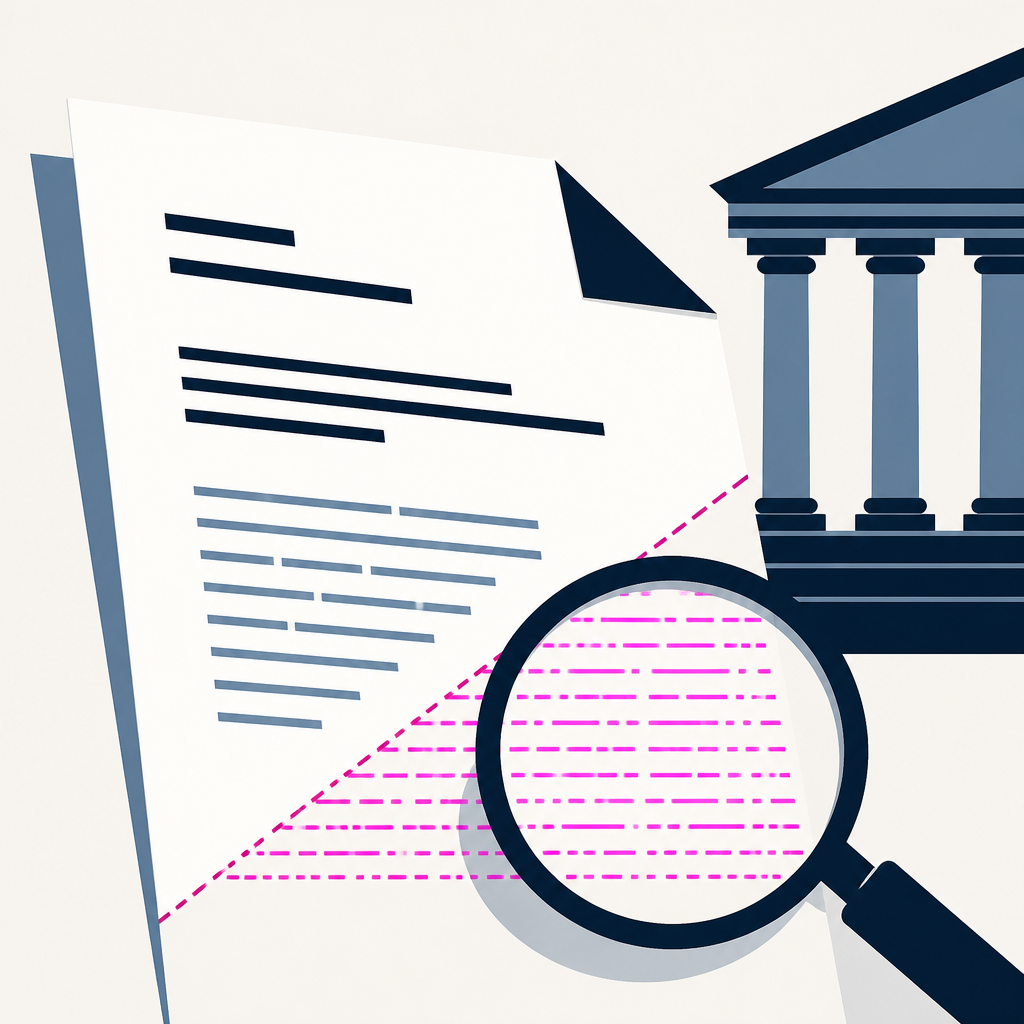
A Connecticut plaintiff hid AI-only instructions in court papers to sway his case. The judge says it didn’t work, but it’s a nasty sign for courts using AI.
Based on reporting by Ars Technica, Ashley Belanger — read the original for the full story.
Summary, retelling and take written by AI under human oversight; images are AI-generated illustrations. How we work · Report an error
A Connecticut judge says he has seen what appears to be the first attempt by a US plaintiff to sneak machine-readable instructions into a court filing. The goal was simple and a little absurd: persuade any AI system reading the document to side with the filer in a dispute over access to health records.
Judge Walter Spader Jr. said last week that the hidden text had no effect on the case itself. The court still judged the filing on its merits. But the attempt, he wrote, creates a dangerous precedent.
The filing used text that was set up to vanish from human view while staying readable to software that parses the document. In other words, it was aimed at the layer of tools now filtering, sorting, and summarizing paperwork before a judge or clerk gets to it. That is the part that should make people uneasy.
The hidden instructions told any AI system reviewing the filing to back the plaintiff’s arguments, disregard earlier denials from the court, and make sure the outcome went the way the plaintiff wanted. Spader said this kind of attack is likely not a one-off as AI becomes more common in court systems. And that is the real problem: once people believe the machine can be gamed, they will keep trying.
My take — AI-written commentary, not fact-checked reporting
This is exactly the kind of low-rent trick that makes AI adoption in courts look sloppy before it even looks useful. If a filing can be booby-trapped for software, then the software is not just a helper anymore; it’s a new attack surface. Courts don’t need more automation theater until they’ve sorted out how to keep the paperwork honest.
Read more about this at: Ars Technica