Town's CEO on the self-organizing company
Platformer Casey Newton
Town’s CEO thinks AI will soon build the office wiki for you. The twist: the same system that saves time could also leak the wrong private stuff.
Based on reporting by Platformer, Casey Newton — read the original for the full story.
Summary, retelling and take written by AI under human oversight; images are AI-generated illustrations. How we work · Report an error
Replit’s Amjad Masad said apps may be headed for a long twilight, replaced by AI agents that do the work people used to open software for. On the latest Platformer podcast, the company he was pointing toward was Town: a startup trying to turn your inbox, calendar, notes, and Slack into something that organizes itself.
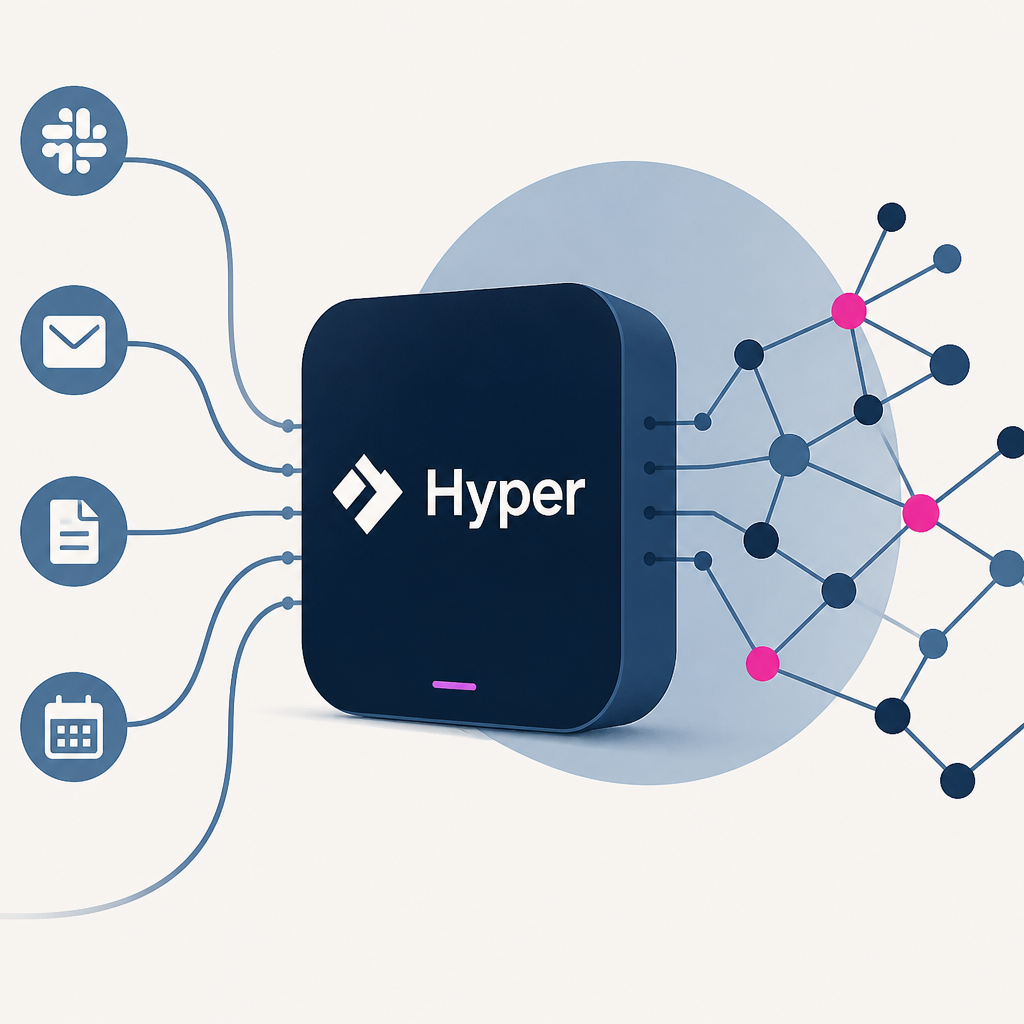
That starts with a very deliberate bit of product theater. Town asks new users to connect their email, calendar, and docs, then builds a dossier and a wiki about them. The first pass arrives fast, then the system keeps filling in the picture in the background. By the time it finished with Casey Newton, it had already figured out he was starting a company and was tracking things like studio space, a network deal, and a launch episode.
Town is young and not cheap. It came out of stealth in June after raising $55 million from Andreessen Horowitz, and most users pay $49 to $59 a month. CEO Jean-Denis Greze, whose title at the company is “mayor,” says the upfront wiki can cost about $100 per user over the first two weeks. He thinks that early hit is what makes the product click: the assistant feels less like software and more like a relationship.
But the more interesting pitch is the one Town says is coming soon: a team version of that self-writing wiki. Greze imagines company knowledge bases that assemble themselves from what everyone’s assistants already know. That is where the privacy problem gets real. He gave the obvious nightmare example himself: tell an LLM not to include HR information, and it might still put people’s salaries in a spreadsheet by mistake.
Greze’s answer is a mix of caution now and optimism later. Today, Town says enterprise agreements forbid employers from reading workers’ townie conversations, and the product deletes session data after 15 days. Over the next five years, though, he expects companies to trust models to enforce privacy policies on their own. Small, high-trust businesses first, enterprise later. That’s a very Valley sequence: start with the cozy demo, then pray the legal department catches up.
My take — AI-written commentary, not fact-checked reporting
Town is selling the fantasy that software can finally keep its own house in order. Fine — but once the product starts reading across a company, privacy stops being a feature and becomes the whole business. The industry keeps calling this “automation”; normal people call it handing the filing cabinet to a very eager intern.
Read more about this at: Platformer