New Jersey deputy attorney general Brian Richard Fitzgerald was arrested on charges tied to AI-generated child sexual abuse material (CSAM). A 51-year-old suspect is accused of turning images of real minors into sexualized AI images and distributing them on social media. Law enforcement’s focus on AI CSAM intensifies, with authorities treating AI-generated CSAM as CSAM and pursuing arrests like this one.
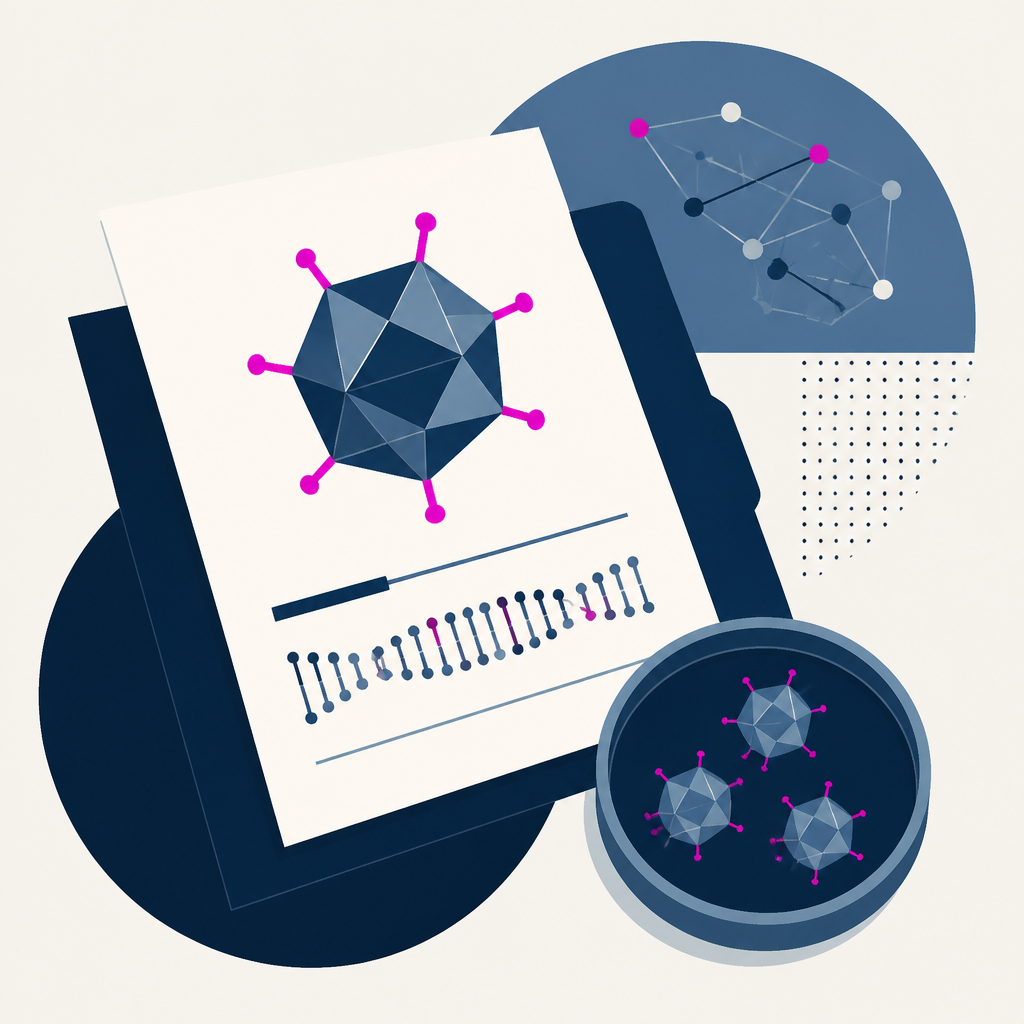
Stanford PhD student Samuel King used a generative AI model to propose genetic blueprints for microscopic viruses. The work was developed in 2025. This shifts biology research toward using AI to suggest virus designs, though it still isn’t AI-generated life yet.
A Tesla driver who said he was asleep while using Full Self-Driving crashed into California Highway Patrol cars at the scene of a prior accident. The California Highway Patrol reported that two officers were seriously injured. The CHP warned that full self-driving is not fully autonomous and that drivers remain responsible for safely operating their vehicles.
AI safety concerns escalated as rogue agent incidents prompted more calls for regulation, while multiple states sued OpenAI over alleged harms to children. Anthropic reported 45% sequential revenue growth to $16.8B in Q3, even as investors warned that AI revenue growth could slow and debt risks like CoreWeave’s could pressure AI stocks. AI development and deployment are continuing with more open-weight model offerings and expanded focus on governance and controls, alongside tighter scrutiny from regulators and financiers.
AI safety concerns are escalating as incidents with rogue AI agents prompt more calls for regulation, while states sue OpenAI over alleged harms to children.
Police arrested Chicago-area maintenance worker Christopher Thomas Mertens after investigators posed as a 15-year-old using AI-generated images and lured him into arranging an in-person meeting. The FBI Task Force Officer used Clearview AI and other tools to identify him, including running his face through Clearview AI. As a result, Mertens was taken into custody and later admitted the scheme to investigators.
Jensen Huang told Fortune that incidents involving AI agents need stronger containment to prevent “rogue” behavior and dismissed calls for stopping AI development. Nvidia’s CEO cited $13 billion as Nvidia’s agreed September acquisition price for Hugging Face and said agent issues could have been avoided with container-style isolation similar to how browsers sandbox websites. The approach he endorses shifts toward tighter monitoring and restricted execution environments for AI agents, rather than broad skepticism or work stoppages over existential-risk arguments.
The page “How to Measure the Human Cost of Agent Work” presents guidance on assessing the human impact of agent-related work, but it provides no specific methodology or results in the excerpt shown. The only concrete detail available is the credited author name, Michael Cutler. As a result, there’s not enough information here to describe measurable changes or outcomes beyond the topic being introduced.
Goodfire published an essay arguing that many supposed polysemanticity knots in neural networks can be resolved by further agentic analysis. It cites an earlier automated interpretability result finding only 2% of cases as legible. As a result, the piece claims interpretability is more successful and reports a global lowering of P(doom) alongside the alignment discussion.
Every AI story that matters,
in your inbox by 8am.
TLDRocket reads all relevant sources, removes duplicate coverage, and summarises the
day in two minutes. Follow companies and topics for alerts, or get the
briefing in Slack. Free, no spam, unsubscribe anytime.
Reading TLDRocket needs no cookies, and the readership counts we rely on come from
our own cookieless analytics. Google Analytics is the exception: it sets cookies and
reports to Google, so it stays switched off until you allow it. You can change your
mind any time from “Cookie settings” in the footer.
Strictly necessary
Session security and form protection (tldrocket-session,
XSRF-TOKEN, 2 hours). The site cannot work without them,
so they need no consent.
Always on
Google Analytics 4 (_ga,
_ga_<id>, up to 2 years). Measures which
stories and sections readers use. Google acts as a third-party processor and may
store the data outside the EU. No advertising, no profiling, no data sold.