CoreWeave describes how multi-rack NVIDIA Vera Rubin NVL72 clusters are brought up by tightly coordinating compute, networking, power, and liquid cooling with automated validation to avoid distributed-system bottlenecks. It says each Rubin GPU is served by two ConnectX-9 SuperNICs delivering up to 1.6 Tb/s backend connectivity per GPU. As racks scale out, the process shifts from per-node checks to rack-, fabric-, and synchronized workload testing so stragglers and underperforming links are caught before production.
AI agent evaluation has shifted from grading single model outputs to grading complete task execution that includes sequential tool calls, environment state tracking, and recovery after failures. The piece highlights SWE-bench Verified traces where the reported outcome score is based on end-to-end checks while the process is scored step-by-step, including an example E2E result of 1 with step-level scoring of 3/4. Benchmarks and release gates now prioritize tool-use and environment-based verification (e.g., state changes and tests) alongside process traces, rather than treating call text accuracy as sufficient.
MentalHealthBench was introduced as an expert-informed benchmark for evaluating helpful and safe AI responses in realistic mental health conversations. The article does not provide any numeric benchmark, date, or other concrete figure. This changes how developers can measure and compare AI response quality for mental health dialogue, though the piece itself contains only a brief description.
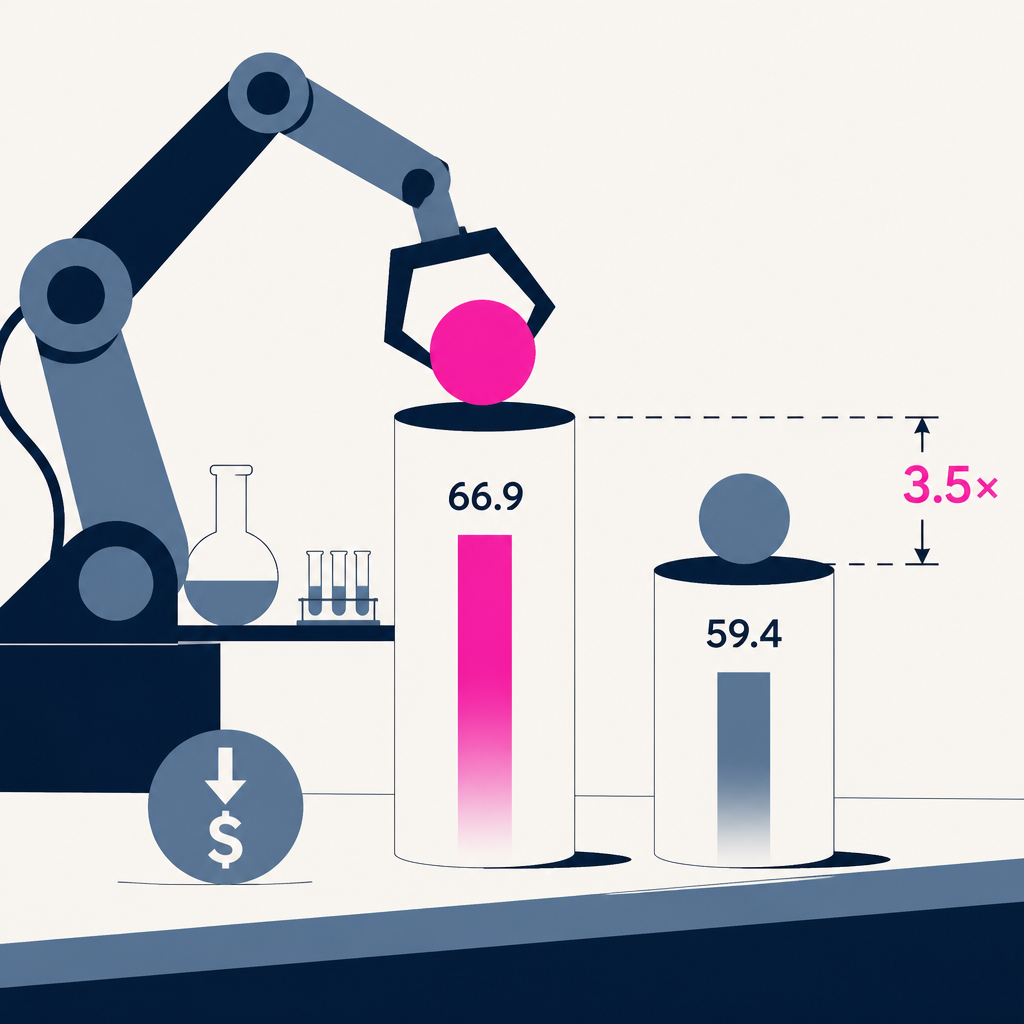
Sol performed better than Opus 5.5 on the browser-agent benchmark at the medium setting. Sol scored 66.9 compared with Opus 5.5’s 59.4. Sol’s higher score means Browser Use’s results favor Sol for medium browser-agent performance, while it remains about 3.5× cheaper.
OpenAI reports that its GPT-6 Sol scored 33.2% on AutomationBench at $0.27 per task. The comparison cites Luna achieving similar factuality at about one-hundredth the cost. OpenAI frames the result as a shift toward lower-cost task completion while maintaining comparable factuality.
Every AI story that matters,
in your inbox by 8am.
TLDRocket reads all relevant sources, removes duplicate coverage, and summarises the
day in two minutes. Follow companies and topics for alerts, or get the
briefing in Slack. Free, no spam, unsubscribe anytime.
Reading TLDRocket needs no cookies, and the readership counts we rely on come from
our own cookieless analytics. Google Analytics is the exception: it sets cookies and
reports to Google, so it stays switched off until you allow it. You can change your
mind any time from “Cookie settings” in the footer.
Strictly necessary
Session security and form protection (tldrocket-session,
XSRF-TOKEN, 2 hours). The site cannot work without them,
so they need no consent.
Always on
Google Analytics 4 (_ga,
_ga_<id>, up to 2 years). Measures which
stories and sections readers use. Google acts as a third-party processor and may
store the data outside the EU. No advertising, no profiling, no data sold.