The article compares GPT-6 Sol, GPT-6 Luna, and Claude Opus 5.5 on coding, reasoning, writing, agents, pricing, and everyday work. It says Opus 5.5 is the reason today’s benchmark got much harder. As a result, the round focuses on how model performance shifts under the updated, tougher benchmark conditions.
A study of query decomposition in RAG systems found that splitting a multi-intent question into sub-queries retrieves the right passages but still leaves most sub-intents excluded from the final 2,000-token packed context. In a production-default pipeline, 31.1% of sub-intents were starved even after their evidence was retrieved. The fix changes from improving retrieval to changing allocation/packing policy (with example results rising from 68.9% to 89.4% coverage when allocation is adjusted).
Claude.ai’s core website and desktop app experience was sped up by about 3x over a two-week sprint, after users reported it was slow. At the 75th percentile, time to reach a typeable page on a fresh claude.ai load dropped from 3.1 seconds to 0.55 seconds. The team used Claude Tag with lab benchmarks and CI guardrails, shipping thousands of performance changes with flags and then ratcheting benchmarks to keep improvements in production.
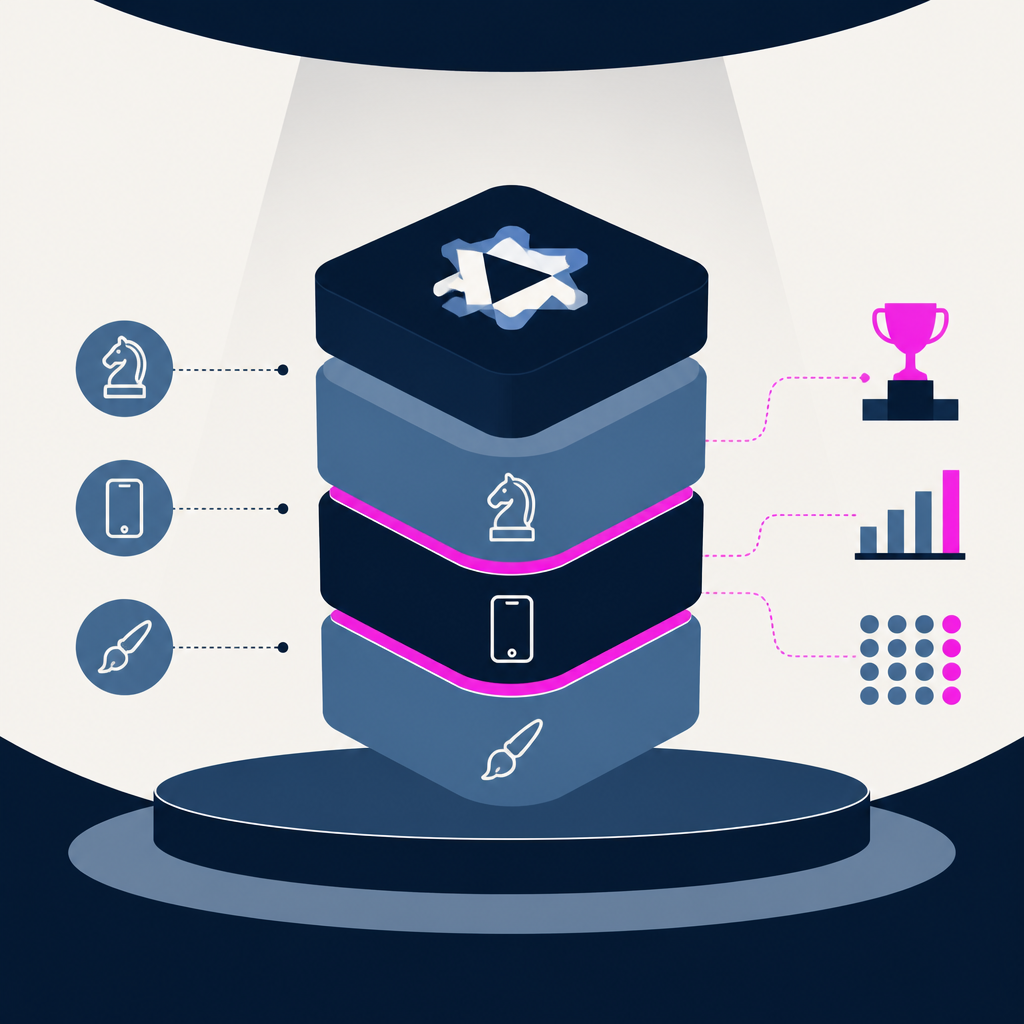
Qwen packaged a planner, a mobile-use agent, and a creative agent into one stack for mobile-agent testing. The stack comes with public benchmarks and leaderboards. This makes it easier to run and compare mobile-agent workflows using the provided code and results pages.
Every AI story that matters,
in your inbox by 8am.
TLDRocket reads all relevant sources, removes duplicate coverage, and summarises the
day in two minutes. Follow companies and topics for alerts, or get the
briefing in Slack. Free, no spam, unsubscribe anytime.
Reading TLDRocket needs no cookies, and the readership counts we rely on come from
our own cookieless analytics. Google Analytics is the exception: it sets cookies and
reports to Google, so it stays switched off until you allow it. You can change your
mind any time from “Cookie settings” in the footer.
Strictly necessary
Session security and form protection (tldrocket-session,
XSRF-TOKEN, 2 hours). The site cannot work without them,
so they need no consent.
Always on
Google Analytics 4 (_ga,
_ga_<id>, up to 2 years). Measures which
stories and sections readers use. Google acts as a third-party processor and may
store the data outside the EU. No advertising, no profiling, no data sold.