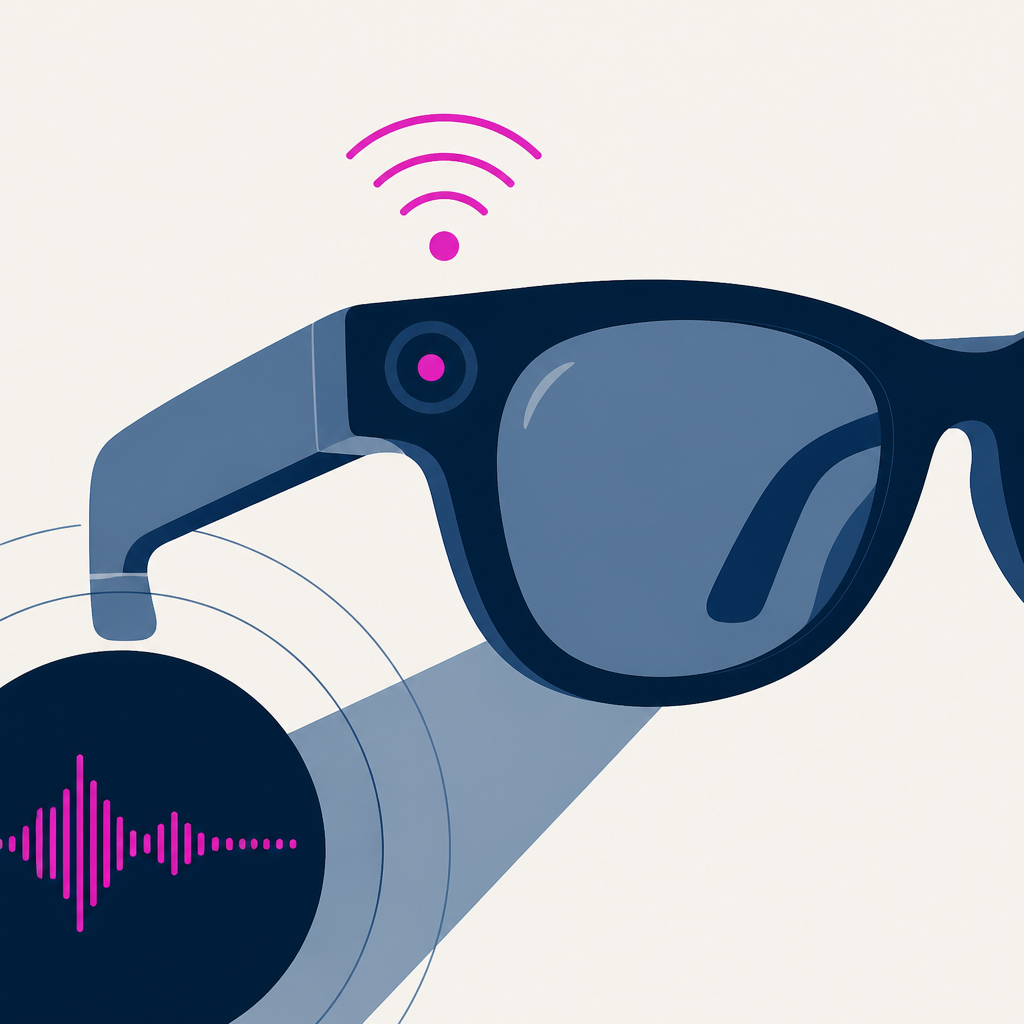
Ray-Ban Meta smart glasses recorded people’s conversations without the wearer saying the activation prompt, due to a bug that Meta later said was fixed. The reported issue involved recordings happening without users saying the phrase “Hey, Meta” across three Meta Ray-Bans. As a result, Meta says it has fixed the bug, and affected users’ concerns shift to verification that audio and transcripts are only saved when intended.
Lynote describes how its AI note generator and YouTube transcript tool turn investor-call and document inputs into editable, structured notes and timestamped transcripts. The article says the AI note-taking market is projected to cross $740 million in 2026. It argues this lets founders and investors create working summaries faster but still requires verifying any numbers because AI notes can include transcription and hallucination errors.
MyLens launched a new version focused on AI-assisted live 1-1 presentations at scale. It is described as the company’s 4th launch. Users can upload their sources, run private live sessions with AI answering questions and creating slides in real time, and then get per-session feedback on who did well and who needs help.
SpeechFast launched a Mac app called Local Whisper that lets users hold a key and dictate speech into typed text in any app. It launches today and uses a locally downloaded speech model so no audio or text leaves the machine. The result is offline dictation that works on locked-down corporate networks, with filler and false starts cleaned up via Apple Intelligence.
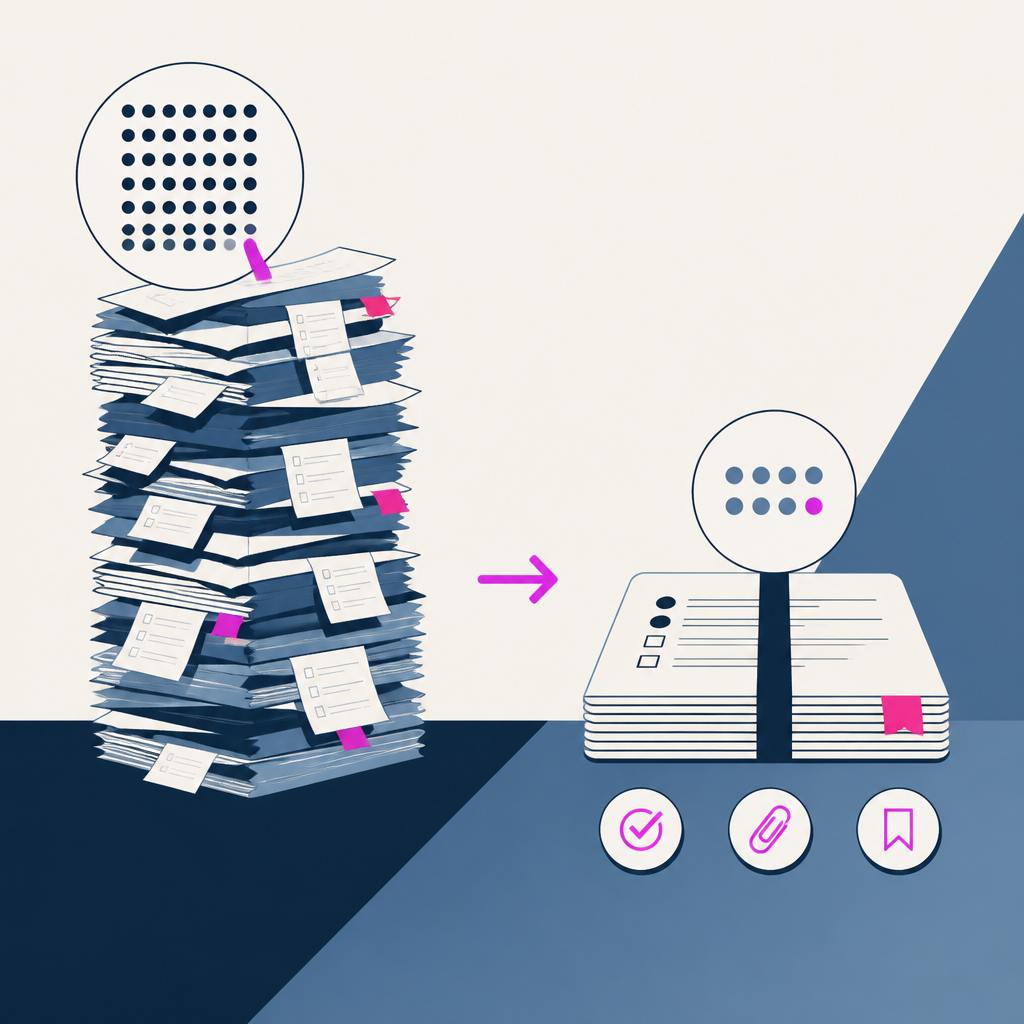
A writer and entrepreneur says their AI assistant turned their daily to-do help into many overlapping tasks that multiplied to an unmanageable list. The to-do list contained 156 items. They are changing the system to cap daily entries at about 25 meaningful items, bundle related work, attach proof of completion, specify blockers, and track outcomes so the assistant helps finish tasks instead of generating new plans.
Tech companies are building internal “vibe-coding” apps for non-engineers instead of relying only on third-party prototyping tools. Stripe’s Harbor, described as an AI-assisted prototyping tool, was built by a single engineer in around six weeks. As a result, these tools get wider adoption inside companies and some are being launched externally (like Ramp’s Glass) while also training engineers on maintaining AI infra.
Marissa Mayer said that no one can reliably predict how AI will play out, and discussed both risks and potential benefits while calling for regulation and frontier-lab collaboration. She put the odds of AI not going well at “well less than 50%.” Separately, she launched Dazzle, an invite-only personal AI assistant that learns from users’ phone photos and will operate with access controls plus a future free tier alongside paid plans.
Tori is presented as an AI support agent that learns about a product from existing content and answers customer questions through a customizable UI. It shows a 5.0 rating with 1 review and 40 followers on the launch page. As a result, customer support workflows are positioned to shift toward UI-driven, automated Q&A based on the product’s own materials.
Stack Overflow for Agents shipped with help from Codex, and its ChatGPT plugin drove agent creation signups. The plugin contributed to up to 10× growth in agent creation. Signups for creating agents increased substantially compared with before the release.
Every AI story that matters,
in your inbox by 8am.
TLDRocket reads all relevant sources, removes duplicate coverage, and summarises the
day in two minutes. Follow companies and topics for alerts, or get the
briefing in Slack. Free, no spam, unsubscribe anytime.
Reading TLDRocket needs no cookies, and the readership counts we rely on come from
our own cookieless analytics. Google Analytics is the exception: it sets cookies and
reports to Google, so it stays switched off until you allow it. You can change your
mind any time from “Cookie settings” in the footer.
Strictly necessary
Session security and form protection (tldrocket-session,
XSRF-TOKEN, 2 hours). The site cannot work without them,
so they need no consent.
Always on
Google Analytics 4 (_ga,
_ga_<id>, up to 2 years). Measures which
stories and sections readers use. Google acts as a third-party processor and may
store the data outside the EU. No advertising, no profiling, no data sold.