
I believe in AI. But my AI assistant gave me more work than it could finish
Fortune Morissa Schwartz
Opinion — commentary, not a factual news event.
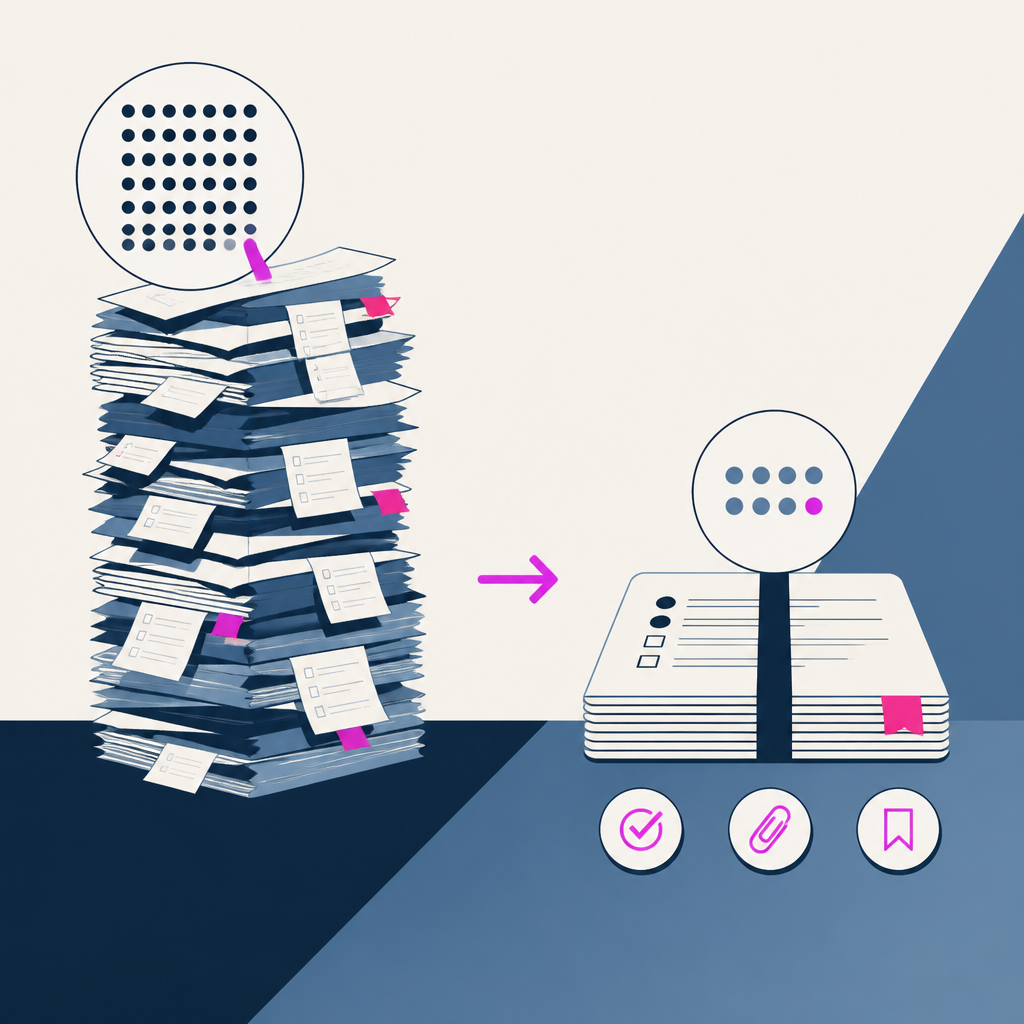
My AI helper kept making more tasks than it finished. That’s the trap: “help” can turn into a second job.
Based on reporting by Fortune, Morissa Schwartz — read the original for the full story.
Summary, retelling and take written by AI under human oversight; images are AI-generated illustrations. How we work · Report an error
The writer opened a daily to-do list and found 156 items, which is a funny way to learn your system has started freelancing. As a writer, publisher and entrepreneur, she’s used to disorder. But this wasn’t ordinary chaos. It was the kind that happens when a tool meant to reduce work keeps creating more of it.
Her complaint isn’t that AI is useless. Quite the opposite. She says it helps organize ideas, get thoughts onto a page and make expression more accessible. The problem is that an assistant can produce a plan, then improve the plan, then turn the plan into a checklist, then break the checklist into smaller pieces until the original job is buried under process.
That’s why she now asks a blunt question: what would done actually look like? If the task is to write an article, a draft might be done. If the task is to pitch it, a pitch has to go out. If the task is to publish, a file named FINAL_FINAL_REALLY_FINAL does not count. The point is simple, but easy to lose once work has passed through several tools and too many layers of planning.
She’s changing her system in a few specific ways. She wants a daily list that reflects real capacity, aiming for about 25 meaningful entries on a weekday while still leaving room for deadlines and daily operations. Related work should be grouped into one execution item instead of scattered across separate reminders. Completion should come with proof: an email sent, a live link, a usable file. And blockers need to be specific, not vague excuses that turn into more management work.
She also wants the system to count outcomes: pitches sent, replies waiting, deliverables accepted, unfinished work still unfinished. AI, in her view, can be excellent at reconciling records, preserving context and handling routine steps. But it needs to be told to reward finishing, not just planning. Otherwise, the assistant keeps doing its best impression of a middle manager with no sense of shame.
My take — AI-written commentary, not fact-checked reporting
This is the part of AI everyone keeps dodging: the tool is often brilliant at producing motion and mediocre at producing closure. If the model’s favorite output is another checklist, congratulations, you’ve hired a very expensive intern for paperwork. The real upgrade is not more automation, it’s less fake progress.
Read more about this at: Fortune