Cal AI founder Zach Yadegari described how his calorie-tracking app grew via paid influencer promotions before being acquired by MyFitness. Cal AI generated over $30 million in revenue in two years after launching in 2024. The playbook of recruiting tightly targeted influencers at negotiated pay scales helped drive rapid user growth and set up Yadegari to launch the Persona AI agent startup.
Amazon’s Devices, Alexa & Leo chief Panos Panay presented a vision of ambient, background AI devices replacing app-based interactions, alongside the launch of Amazon’s new Bee wearables. The Bee lineup includes a credit-card-sized device that attaches magnetically to the back of a smartphone. The shift described is toward sensors and real-time AI that handle tasks while storing no raw audio and giving users control over encrypted transcripts.
ChatGPT’s Google Chrome extension was updated so ChatGPT can access the browser tabs you already have open when you tag Chrome in the ChatGPT web or desktop app. OpenAI’s demo shows it comparing 3 open tabs to help with a task. This changes how ChatGPT can answer by using tab content to help you get things done.
Bluesky expanded its Attie AI tool from generating custom feeds to creating small social apps like games, polls, and dashboards that others can share as standalone websites. The article notes that a simple Pokémon Red vs Pokémon Blue poll took a few minutes to generate using a typed prompt. Bluesky is now positioning Attie for community-shared app building rather than feed-only creation.
AI for Educators promoted for Teachers’ Day in Brazilian Portuguese, highlighting a “Study Mode” for teachers. The promotion is tied to Teachers’ Day. As a result, teachers are directed to use Study Mode to support active, step-by-step learning, but the piece is a light product promotion rather than a substantive news update.
Parallax launched today as an AI code editor that runs coding agents and coordinates multiple model subscriptions in one app. It supports 240+ models drawn from the user’s own subscriptions. Captain automates tasks and can fast-merge PRs in one click, with auto fallback to the next model when a subscription runs out.
Amazon’s Bee introduced two new personal AI wearable devices after Amazon acquired the company last year. The Bee Frontier is priced at $74.99, while Bee Eclipse costs $99.99 and both capture and summarize everyday conversations into to-dos and insights. Bee also expands integrations with Amazon.com and Alexa, with audio processed in real time and deleted to change how conversation data is handled.
Grok announced Grok Voice 3.0, a speech-to-speech model it says improves call resolution and speed. Artificial Analysis testing reports an 86.9 Speech-to-Speech Index score. It is available in the Voice Agent API starting today at $0.08 per minute, the same as Grok Voice 2.0.
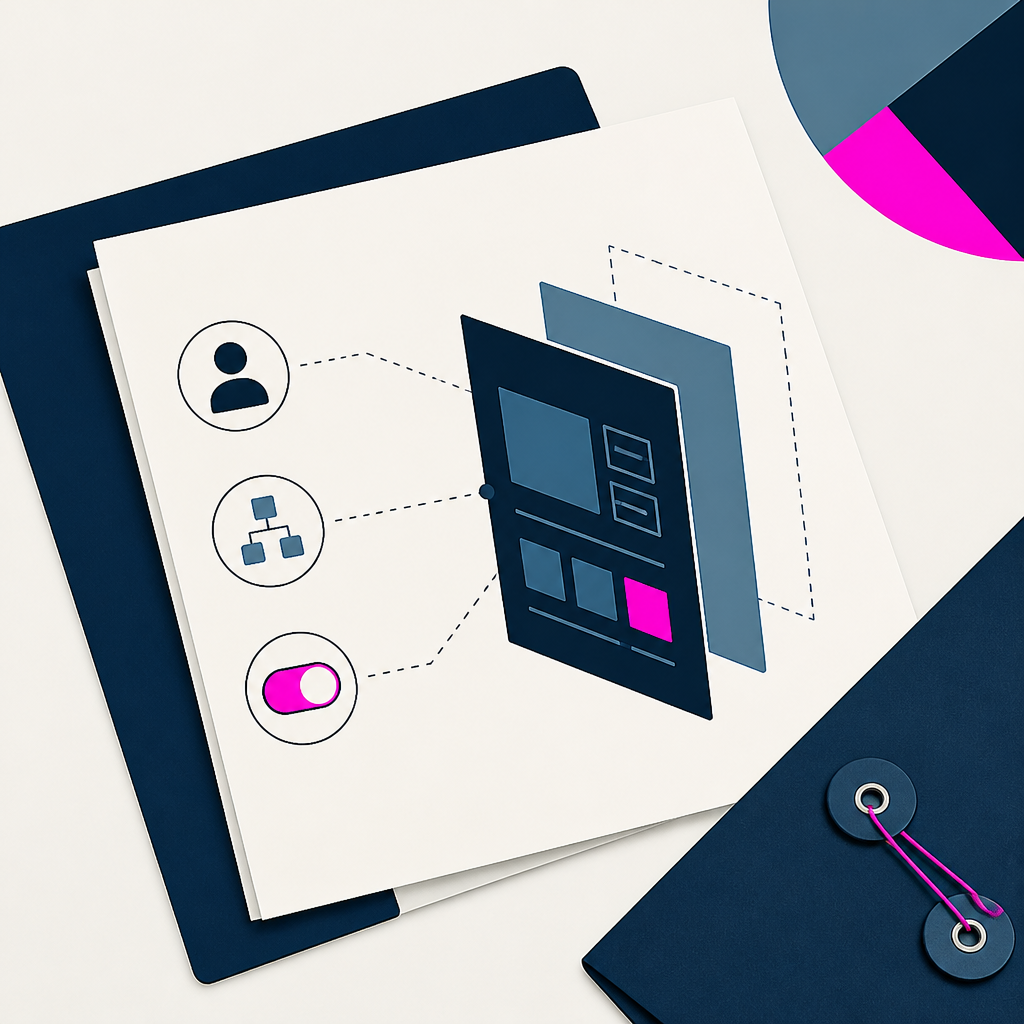
Pure UI is presented as a state-only rendering approach for agent-written interfaces, where the UI is derived directly from explicit inputs like roles, plans, and feature flags. It specifically calls out feature flags as one of the explicit state inputs to cover combinations before release. Teams can render and inspect every state permutation during development instead of discovering UI issues after deployment.
zCAD launched an AI-native platform called zCAD AI that generates editable parametric 3D models from plain-language prompts rather than static meshes. It has 247 followers on the page at launch. Users can create full assemblies with mates, refine or edit dimensions in a browser CAD editor, and export the results to STEP for use in other CAD tools.
Amazon launched Bee Frontier, a wearable, and Bee Eclipse, a phone attachment, as personal AI memory devices that summarize conversations and generate reminders and follow-ups without saving audio recordings. The devices launch today. They add new Alexa+ integrated ways to recall details and act on them later.
Amazon bought Bee and is now announcing two new Bee always-listening wearable devices that summarize and turn conversations into transcripts, insights, and to-dos.
NANI??? launches an on-Mac interpreter that detects who is speaking and shows live translated subtitles during calls without any bot joining. It is launching today. It adds live translation, suggested replies, and after-call summaries with action items and a glossary/context setup before calls.
Every AI story that matters,
in your inbox by 8am.
TLDRocket reads all relevant sources, removes duplicate coverage, and summarises the
day in two minutes. Follow companies and topics for alerts, or get the
briefing in Slack. Free, no spam, unsubscribe anytime.
Reading TLDRocket needs no cookies, and the readership counts we rely on come from
our own cookieless analytics. Google Analytics is the exception: it sets cookies and
reports to Google, so it stays switched off until you allow it. You can change your
mind any time from “Cookie settings” in the footer.
Strictly necessary
Session security and form protection (tldrocket-session,
XSRF-TOKEN, 2 hours). The site cannot work without them,
so they need no consent.
Always on
Google Analytics 4 (_ga,
_ga_<id>, up to 2 years). Measures which
stories and sections readers use. Google acts as a third-party processor and may
store the data outside the EU. No advertising, no profiling, no data sold.