GitWarren launched as a local, PR-like code review app that lets you review working-tree changes and add inline threaded comments without pushing code anywhere. It focuses on using MCP to connect to whatever AI you’re using. This adds an AI-integrated way to do review workflows directly in git changes rather than through external, share-and-copy review tools.
GPT-6 Astra launched with claims that it can saturate top-level reasoning benchmarks and perform end-to-end AI engineering tasks, including training model choices, labeling data, running pipelines, deploying and debugging systems, and managing subagents. It achieved 99.9% on ARC-AGI-3 and 97.6% on FrontierMath’s hardest versions, with testing estimating $6 per hour at 33 tokens per second. As a result, teams can use Astra to automate much of the AI engineering workflow in one shot and reduce the need for separate human labor for these operational tasks.
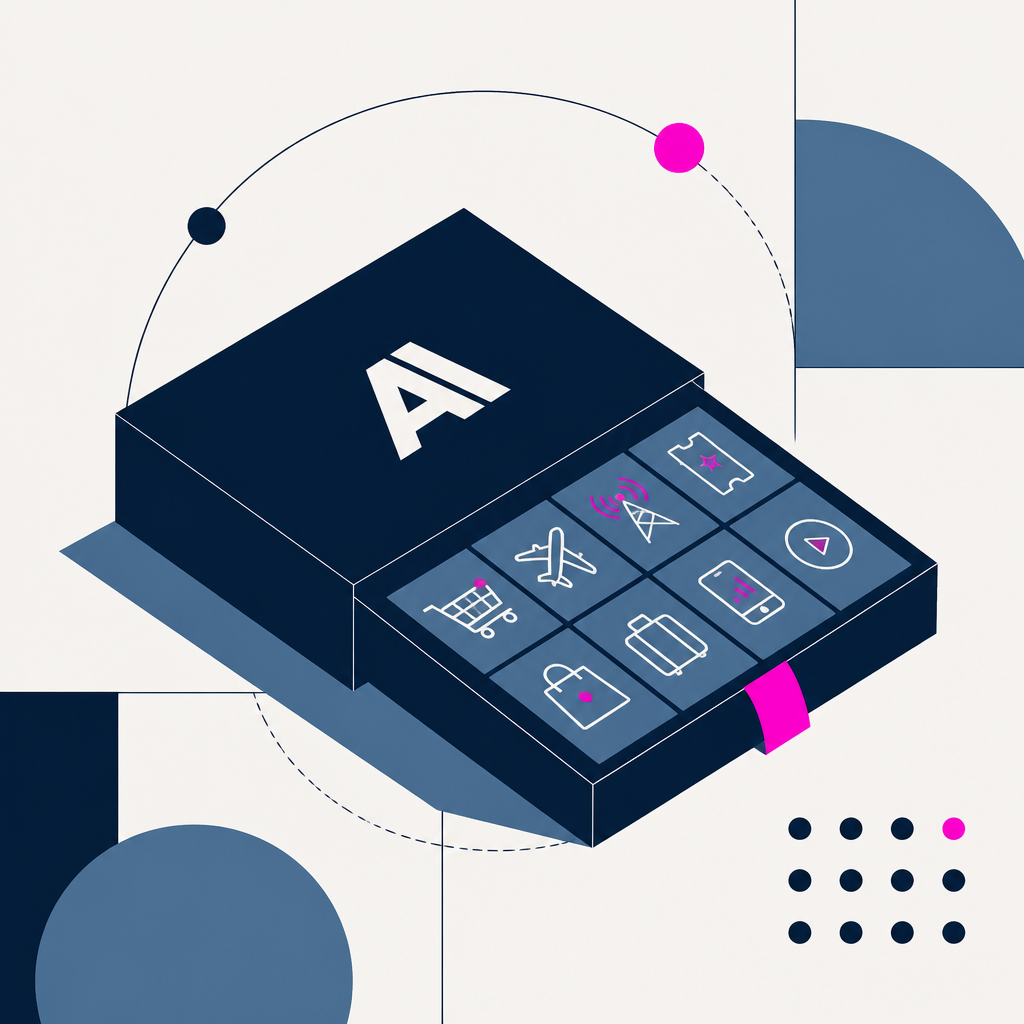
Anthropic released an Apache-2.0 code blueprint for Claude commerce agents that implement both shopping and merchant agent loops, including runnable verticals for retail, travel, telecom, and entertainment. The repository runs locally on Python 3.11+ and Node 22 and uses an ANTHROPIC_API_KEY. Teams can now deploy the same reference architecture across multiple Claude-hosting platforms with typed UI components, skill-based modularity, and prompt caching aimed at 90–99% hit rates.
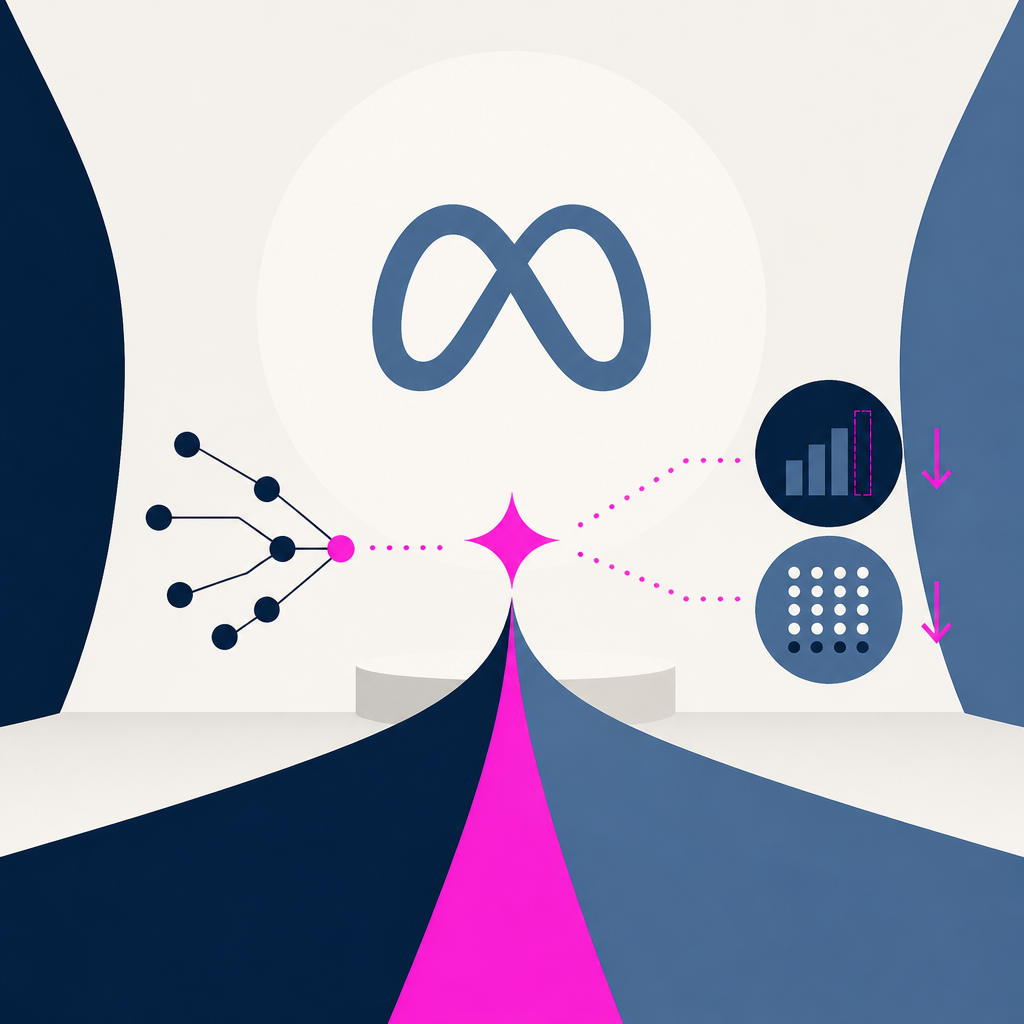
Meta released Muse Spark 1.3, an agentic coding model aimed at long-horizon work with usability features like sustaining long threads and confirming consequential actions. Meta reports it used about 20% fewer tool calls and about 25% fewer tokens than Muse Spark 1.2 in internal comparisons. The model is available today in Muse Code and the Meta Model API (with closed weights), improving coding efficiency and agent run behavior while self-hosting remains unavailable and top reasoning mode stays gated.
Atira, a Munich startup, raised $17.5 million to automate industrial bid creation by having AI agents generate documentation, configurations, and pricing from customer requests. The funding includes a $15 million seed round led by Accel plus a $2.5 million pre-seed. The startup’s platform is already in full production with about 15 customers, and the new cash will mostly fund engineering and its first non-founder commercial hires.
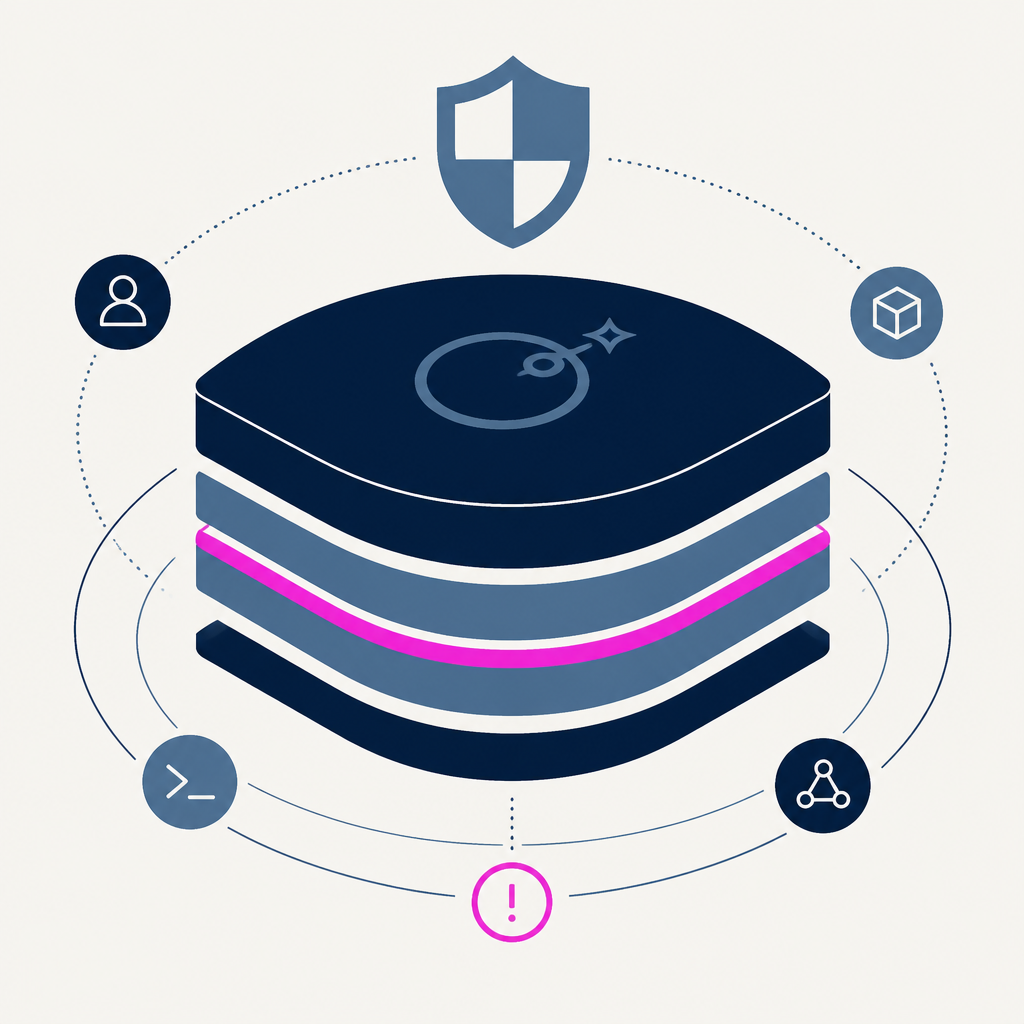
Noam Schwartz, CEO of Alice, explained that agent security becomes more complex when AI agents can take actions, access tools, and affect other agents. The discussion highlights prompt injection risk and frames security as needing to exist at every layer. The focus shifts from traditional prompt-safety to layered safeguards designed for multi-step, tool-using, agent-to-agent systems, which is more of a security analysis than a new product release.
The newsletter points to an additional teaser post from OpenAI’s account as more “launch-day-looking” signaling. The only concrete detail provided is that it is “another teaser.” This adds speculation about timing for something called “Astra,” with no confirmed launch date mentioned.
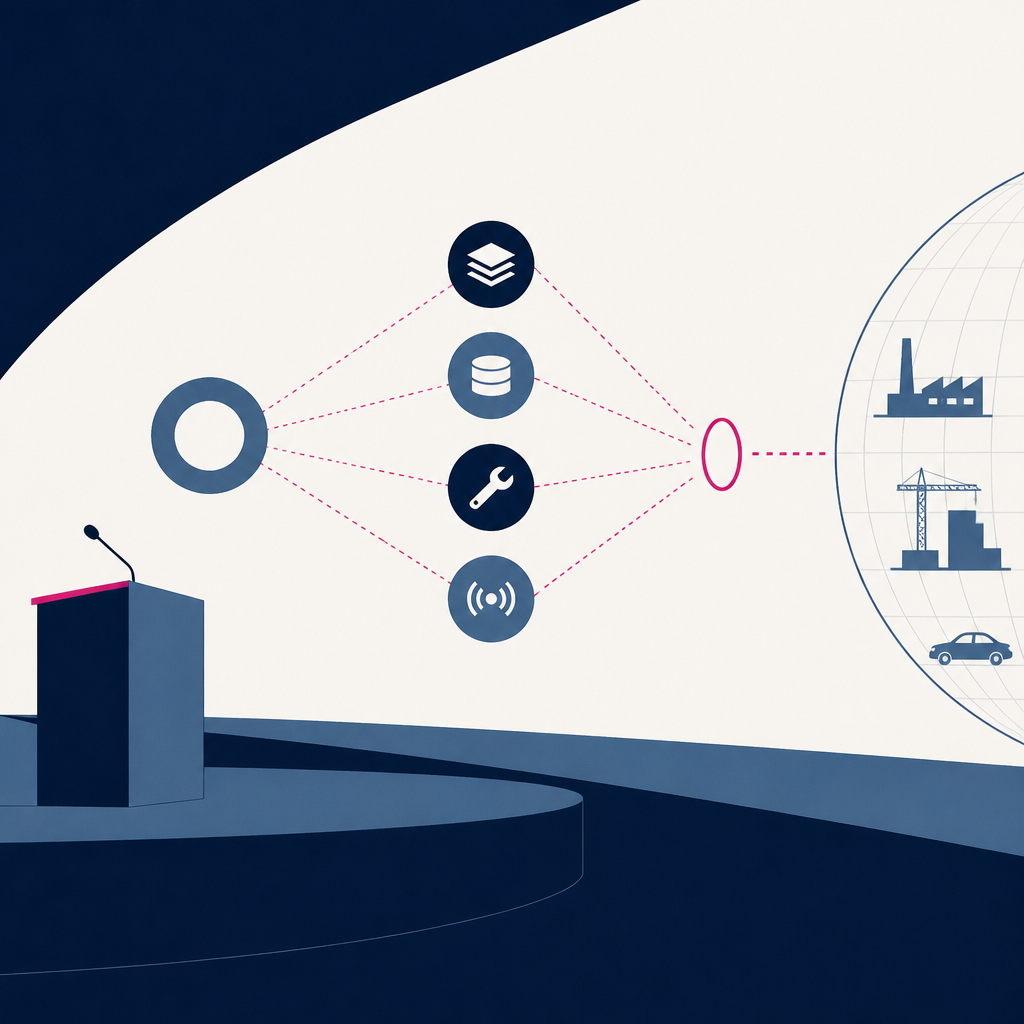
Mireye founder Ansh launched “Mireye (YC S26)” to provide infrastructure for physical-world AI agents, including data, enrichment, tools, and change signals via one API and MCP server. The free tier offers 5,000 credits a month with no card. It shifts from a niche site-screening app to an on-demand indexing system that can fetch and index missing fields for US locations, typically within a day.
Amazon Bedrock AgentCore reference implementations were published to close the gap between AI-driven development lifecycle concepts and working code, using agents such as Kiro. The SQL-to-ER-diagram sample uses AWS Lambda triggered by Amazon S3 uploads and generates Mermaid diagrams with AgentCore memory set to a 90-day expiry. Teams can now run schema-to-diagram automation and multi-agent secure handoff code scanning end-to-end with human-in-the-loop review through the provided deployment instructions.
Amazon Quick integrates with Microsoft Outlook by using Microsoft Graph API and OAuth 2.0 authorization to connect email and calendar access. The setup specifies that AI-assisted email automation uses OAuth 2.0 so Quick can act without storing Outlook passwords. After integration, users can summarize long email threads, draft contextual replies, schedule meetings, and trigger automated workflows using Quick chat agents, Quick Flows, and Quick Automate.
NVIDIA, Microsoft, and partners announced tools and devices at IFA 2026 to make running local AI agents faster and easier on NVIDIA hardware. Local inference throughput is claimed to be up to 1.9x higher on a GeForce RTX 5090 via updated llama.cpp optimizations. The update adds simplified local setup apps, a personal AI router that parallelizes workloads across idle PCs, and new RTX Spark Windows PCs launching in October 2026.
Nvidia launched Nvidia Personal AI Router (PAIR), an open source software router that lets idle home Macs and PCs run small local models for agent workflows using subagents. In Nvidia’s example, two RTX 5090 PCs with 32 GB RAM each sped up work with five subagents by about 1.6x. It changes agent execution by routing requests to eligible local machines behind a single interface rather than pooling GPUs or splitting one inference across computers.
Atira raised seed funding to expand its AI orchestration platform for automating industrial sales engineering. The company disclosed a $17.5 million total round ($15 million seed plus a $2.5 million pre-seed) and is building tooling that connects CRM, ERP, and CPQ to generate tailored technical documentation, configurations, and pricing. The funding will be used to grow its go-to-market team, speed product development, expand internationally, and extend the platform into adjacent workflows like pricing intelligence, aftersales, and supplier coordination.
askpolly, formerly Advanced Symbolics Inc., closed a $3 million seed round to expand its platform that turns social media chatter into statistically valid market research. The funding supports growth after the company said it will generate results within a matter of minutes using its Copilot-certified AI agent. It shifts market research from surveys taking weeks to an AI-assisted workflow that filters for real people and supports follow-up questions, with claimed usage by 200+ companies.
Legora used GPT-6 Astra to review 41 documents in a financial-review workflow. It found all four planted errors. The workflow performance improved by nearly 40%.
Souk, a London-based startup founded by former Deel, GitHub, and BlackRock employees, raised investment to build an AI agent aimed at B2B partnerships. The round totals $1.6 million, led by Sure Valley Ventures with Antler and Fuel Ventures also participating. The funding is set to move the startup from early work toward developing and deploying its AI agent product.
Dutch tech companies raised approximately €1.9 billion in H1 2026, with capital concentrated in a small number of the largest later-stage rounds. The biggest individual figure cited is €570.5 million directed to semiconductors during the period. Funding skewed toward later-stage deals while earlier-stage rounds stayed more fragmented, and the largest sector shares were semiconductors by total funding and healthtech by deal count, with quantum also drawing substantial investment.
Zeit AI, a Munich startup by two ex-Palantir employees, raised a €5 million seed round for its AI data analyst product, ZeitMind. The round closed with backing that included Y Combinator, Oxford Seed Fund, Sequoia Capital Scout Fund, ACE Ventures, and HPVC. The funding expands staffing to 12 employees and supports plans to open a London office next year.
Wictory is acquiring the Texas service platform The Sports Nutrition Playbook to enter the U.S. market faster under the Wictory.com umbrella. The deal’s target market is U.S. youth sports, sized at about 40 billion dollars. The company shifts from Wictory.ai to Wictory.com and adds 30+ sports dietitians plus a U.S. insurance-billing reimbursement model while keeping existing shareholders onboard.
Wonderful raised a $550 million Series C to build an enterprise “AI operating system” spanning AI agents, workflows, and governance. The round valued the company at $5 billion. With the funding, Insight Partners plans to help Wonderful triple its Israel development centre while the rest supports product development and expanding deployment teams globally, as it continues expanding its multi-market customer-service rollout.
Chalked prepares a draft reply on macOS by using the thread on screen, your live calendar, and sourced facts you have already accepted. It offers Zendesk for Startups with up to 2 years free plus AI Agents and Copilot. As a result, users can insert, revise, and send a suggested message instead of writing the reply from scratch.
Backbone raised €4 million in pre-seed funding to develop its AI-powered food quality and compliance platform and expand commercially. The round totals €4 million and was led by Pitchdrive with participation from PROfounders Capital, Passion Capital, 100IN, and Belgian food industry investors. The platform will be extended with AI agents that automate quality management tasks like tracking supplier certificates and checking lab or incoming documents, plus a centralized dashboard for tracking gaps and incidents.
Pushary launched a lock-screen control panel for AI agents so permission prompts and answer requests can be approved or handled remotely. The new launch adds native iPhone and Android apps and is 8 MB to download. It centralizes approvals and task alerts from multiple agent tools into one inbox with per-tool auto-approval policies and an audit trail.
Snitch is launched as a Slack app that asks users one question about who they report to and uses the answers to create an org chart. The page states it has 51 followers. As a result, Slack users can query reporting chains, team sizes, and ownership without using an HR system.
Coding agents using separate sessions across machines lose prior context because their reasoning and trace logs aren’t automatically usable in later runs. On the handoff-vs-recall benchmark, recall was 8x cheaper than a written handoff on one task and 4x on the other. The funes tool adds a durable, locally computed memory layer that indexes prior agent turns and lets agents retrieve the original passages with provenance across sessions, agents, and machines.
A language model training pipeline was built to generate p5.brush JavaScript sketches that paint watercolor-style images, using an open RL environment and open reward pool tied to aesthetic preference judgments. The post reports an HF command that trains with 110 steps and 240 episodes per run. As a result, three GRPO training runs with different reward-model weightings produced comparable watercolor outputs and all the RL environment, pool, training scripts, and trained models were published to run end-to-end on Hugging Face.
Every AI story that matters,
in your inbox by 8am.
TLDRocket reads all relevant sources, removes duplicate coverage, and summarises the
day in two minutes. Follow companies and topics for alerts, or get the
briefing in Slack. Free, no spam, unsubscribe anytime.
Reading TLDRocket needs no cookies, and the readership counts we rely on come from
our own cookieless analytics. Google Analytics is the exception: it sets cookies and
reports to Google, so it stays switched off until you allow it. You can change your
mind any time from “Cookie settings” in the footer.
Strictly necessary
Session security and form protection (tldrocket-session,
XSRF-TOKEN, 2 hours). The site cannot work without them,
so they need no consent.
Always on
Google Analytics 4 (_ga,
_ga_<id>, up to 2 years). Measures which
stories and sections readers use. Google acts as a third-party processor and may
store the data outside the EU. No advertising, no profiling, no data sold.