Chit launches as a 777 KB Mac app that reads Claude Code transcripts already on your disk and turns the day into a standup-style receipt grouped by project. It works without Hammerspoon, Python, an account, or network code in the binary. The workflow changes by converting local transcripts into copy-paste standup notes automatically.
Freddo the robot was trained in a virtual simulation to walk, recognize a bottle, and grasp it in just minutes and then ran the resulting policy on its hardware.
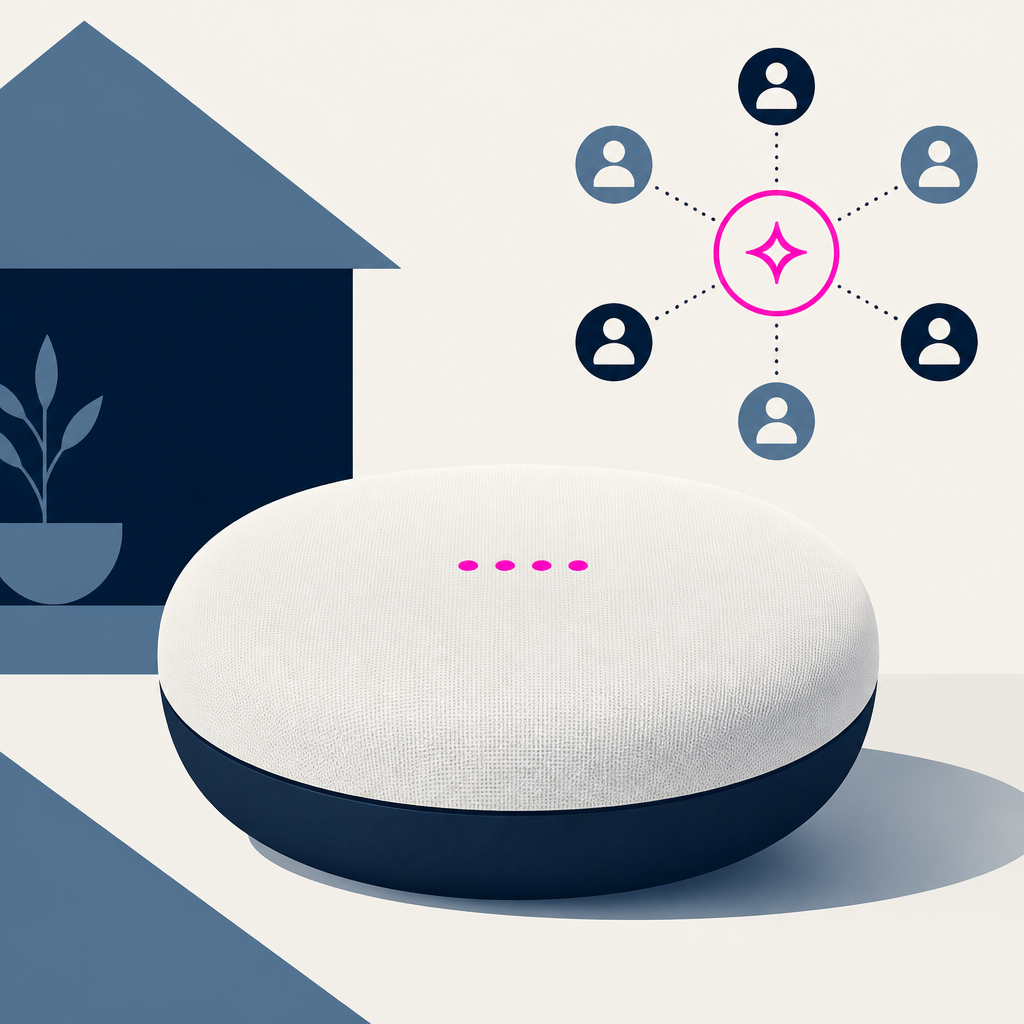
Google expanded its experimental AI agent CC so a household can share one agent with up to six members. Up to six people can share the same CC instance, producing a daily brief, shared calendar and a running task list. The setup now adds member-by-member sharing permissions, a verified CC account identity, and a private/household memory split for what gets stored.
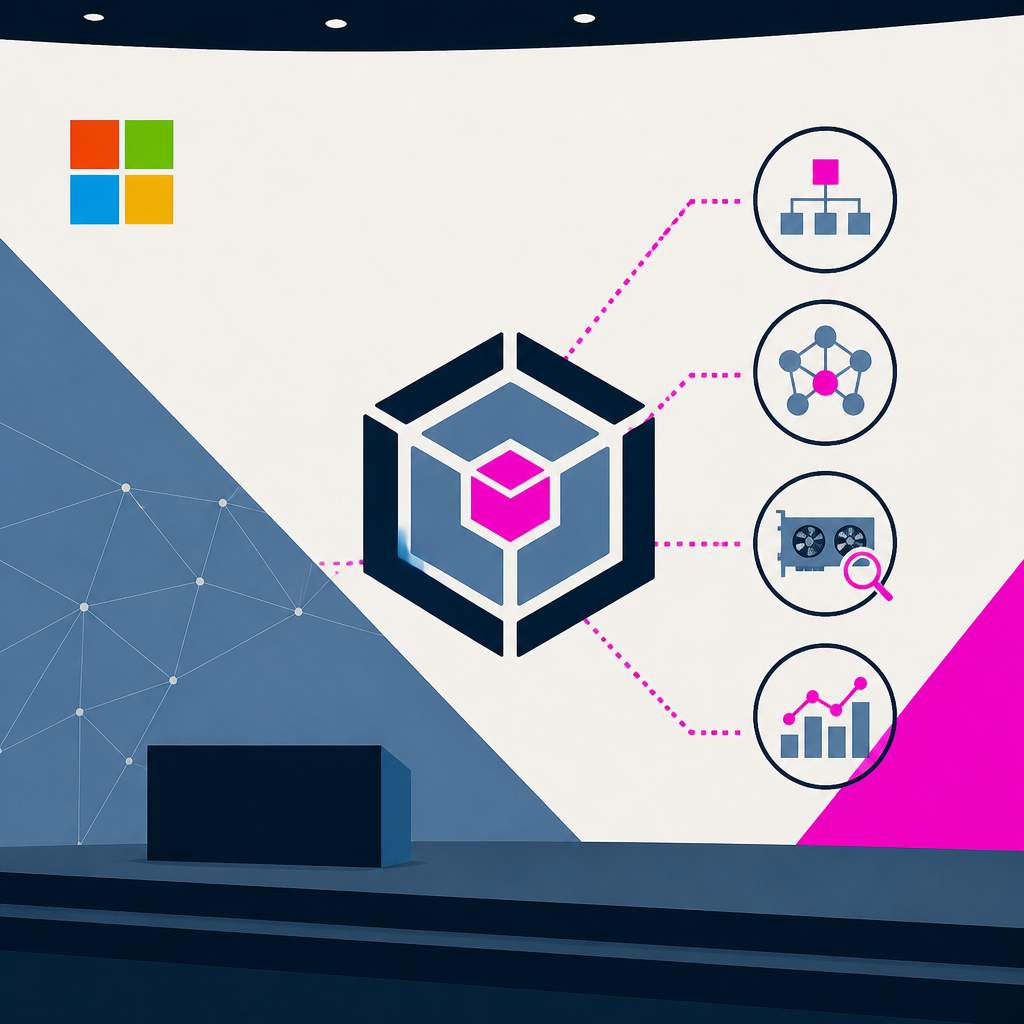
Microsoft open-sourced TauGrid, a Kubernetes-native platform that bundles queueing, Ray orchestration, GPU health monitoring, and observability for AI workloads into a single Helm install. It was released on August 28, 2026, under the MIT license with version 0.4.2 available via a Helm chart from Microsoft Container Registry. Platform teams now deploy AI job submission and execution through one install and use Tau evidence records to make runs more reproducible and auditable, with telemetry disabled by default but Azure Data Explorer observability still Azure-specific.
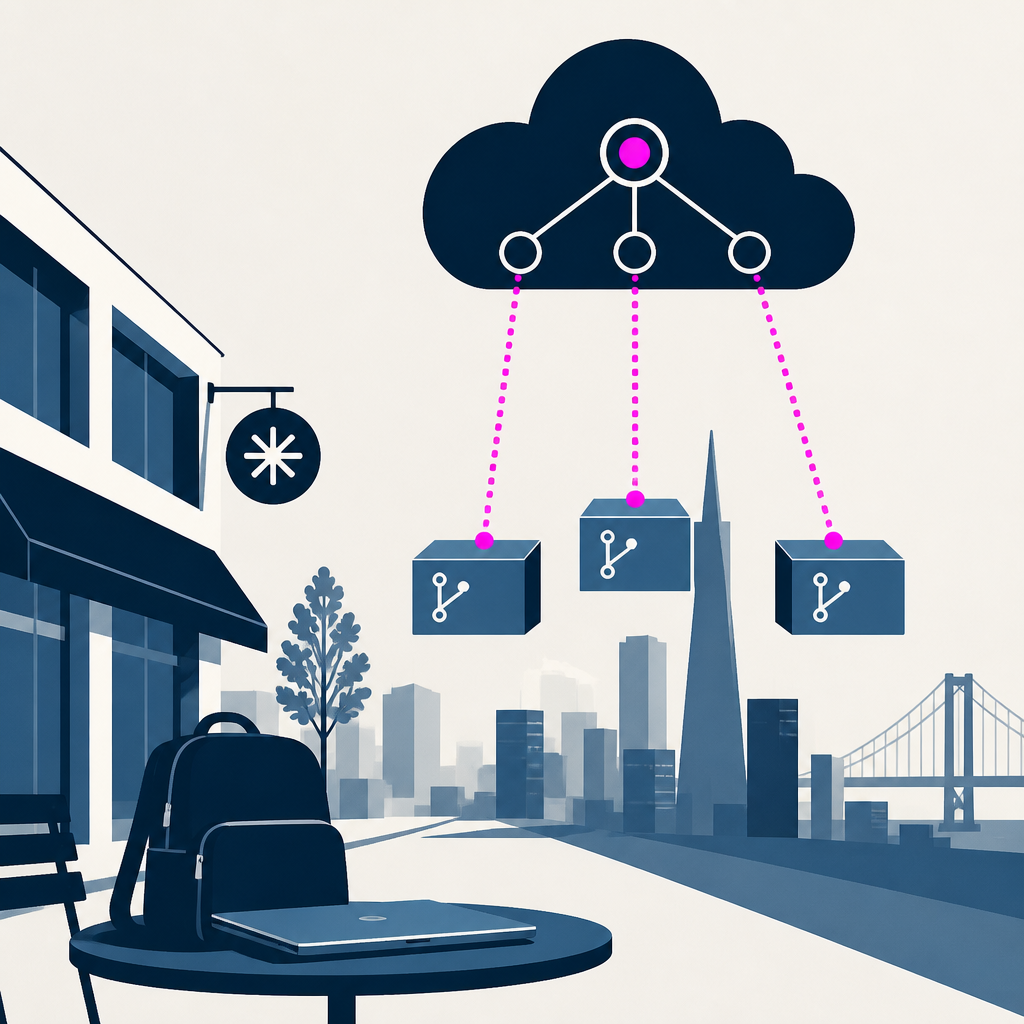
Anthropic redesigned Claude Code Projects so a single coordinator conversation spawns parallel cloud sessions that run as separate threads on their own repository branches. Each thread operates as its own cloud session and continues after you close your laptop. As a result, work is split into concurrent branches that report back, handle pull requests with auto-fix when CI fails, and surface overlapping edits as standard git merge conflicts.
Mantle launched an open-source service runtime and WebMCP-native builder that generates typed schemas, views, procedures, and HTTP/MCP triggers from business rules. The builder and an OSS-first Cloudflare deployment path are live as of today. The release adds an in-browser design/verification flow and a handoff step for a coding agent to materialize, verify, and deploy to a user’s Cloudflare account.
Google announced an experimental CC AI agent for families that customizes actions across multiple household users. CC is designed for up to six users and has its own Google account for shared access controls. This shifts the Daily Brief concept into a shared, permissioned setup that can selectively access shared emails and a designated Google Drive folder.
Forma turns a prompt or image into an editable hardware project that includes parts, wiring, mechanical layouts, cost estimates, and assembly instructions.
It launches today as an open-source, local-first workspace that connects supported AI agents to shared project data with rule-based electrical checks and CAD tools.
As a result, users can generate concept renders, inspect designs, and revise the hardware layout as the idea evolves.
Verity Score launches to track what six AI assistants say about a Shopify store and lets you approve factual corrections and edits before they go live. It covers answers from ChatGPT, Perplexity, Gemini, Claude, AI Overviews, and Grok. As a result, store owners can fix AI-provided inaccuracies, generate or rewrite blog content, and measure the visits and orders those AI answers drive.
Amazon launched Amazon Connect Talent, an AI hiring solution that runs AI-led interviews and assessments at scale while recruiters review scored results. The example provided is ramping up 500 warehouse roles for peak season. Recruiters get dashboards with transcripts and competency-based scores, candidates can interview without scheduling delays, and hiring teams can apply consistent evaluations across larger applicant volumes.
Anthropic is redesigning Claude Code’s Projects so a coordinator can split an engineering goal into multiple parallel cloud sessions and assemble reviewed results for developers. Projects can hit usage limits sooner because each parallel thread counts as a full Claude Code session, starting with the beta for select Claude Pro and Max subscribers on Thursday. Token usage increases faster as more threads run, with beta access expanding over the week and a plan for additional access tiers coming later.
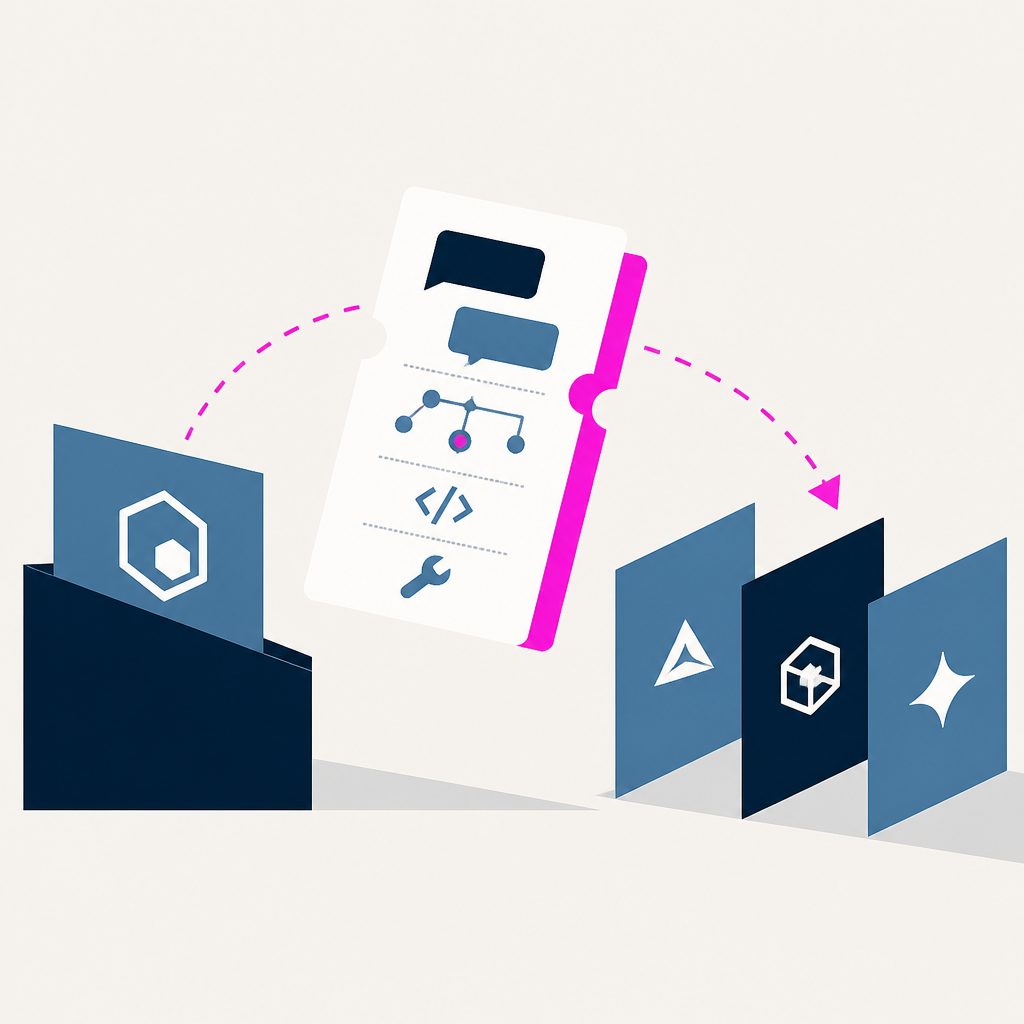
Skillsync, a YC W26 startup, released portable AI chat sessions that can be converted and moved across different coding agents while preserving messages, reasoning, and tool calls.
Yoetz was launched as a local-first, open-source work ledger for AI coding agents that records what an agent did and provides a verification receipt. The launch page describes it as supporting Codex, Claude, and Cursor. As a result, AI coding agents can publish activity that Yoetz verifies and tracks remaining open items.
TypeDash lets users control their desktop and dictate actions by voice, including opening apps, searching the web and YouTube, finding files, and running voice shortcuts. The page lists 11 followers for the launch. Speech recognition runs locally with an optional “ChatGPT Cleanup” feature.
MRH Trowe deployed a governed self-service setup for employees to use AI agents instead of letting teams experiment with unmanaged tools in a regulated environment.
Claude Code has relaunched Projects so users can run multiple AI agents together with shared memory, goals, and a shared set of files and artifacts. Each project uses a coordinator with parallel threads that run separate Claude Code cloud sessions on their own repo branch, and overlapping changes are handled as merge conflicts. As a result, agent work can be organized and coordinated in a single project while still merging updates using standard PR-style conflict resolution.
TechCrunch announced the deadline to book an exhibit table for TechCrunch Disrupt 2026, with the option to exhibit or buy a conference ticket instead. The exhibit table deadline is Friday, September 18 at 11:59 p.m. PT. After that cutoff, exhibit table bookings close and startups can only participate via the event with a ticket and matchmaking/networking.
MeshEdit launched as a browser-based tool for creating low-poly game assets with model, rig, and animation export. It’s built with GPT-6 Astra and uses WebMCP tools for agents to create and refine editable assets. Users can create and export GLB assets for free, with AI-assisted editing replacing manual-only asset creation.
Ben’s Bites reported a cluster of AI product and model updates across OpenAI, Anthropic, Google, Meta, and others, alongside tool and infrastructure announcements for agents and developers. One cited figure is that Gemini’s 3.8 Live model is listed as 7x cheaper than GPT-Live 1. The result is a shift toward integrated chat-and-workflows (e.g., Claude Cowork merging into Claude Chat) and expanded agent-capable services, plus new multimodal and routing-style model options.
A requirement was deliberately written so that missing consent treated recipients as permitted, and the ensuing spec-driven code generation and automated checks produced passing tests and a clean release while still notifying a withdrawn-consent recipient. The acceptance criterion AC-05 specifies that when a consent lookup returns no determination, the notification is sent so an unavailable dependency does not block delivery. The pipeline’s oversight shifts from verifying agent outputs to ensuring the requirements themselves are finalized correctly, because all downstream guardrails only check conformance to the spec.
ContextsBase launched a web app that stores unified project context for AI agents and serves it over MCP. It was announced as launching today. This provides a single place for agents to read specs, rules, data models, workflows, and guidelines and to report results back.
Emulate, a UK startup founded by former DeepMind Genie researchers, is in advanced talks to raise funding after the three founders left their world-model team. The Financial Times reports it could be valued at about $3.7 billion and is seeking up to $700 million, with Index Ventures and Lightspeed Venture Partners expected to lead. If the round closes, the new funding would position the no-product company to compete in world-model and simulation work for robotics while shifting the focus to turning demonstrations into purchasable products.
Z.ai says its GLM-5.3-Flash model helped create the inference infrastructure it and its related system run on. Z.ai built that production inference service on a cluster of more than 100,000 Chinese-made AI accelerators and claims the model reached production readiness in less than two weeks. The company reports faster throughput (about 3x), improved hardware efficiency and per-token cost, and partial automation of engineering via an “Infra Agent,” while still saying true recursive self-improvement has not been reached.
EveryInc released the compound-writing plugin for Claude and Codex, offering a context-first writing toolbox with a “writing home” defined by VOICE.md, STYLE.md, optional AUDIENCE.md, examples/, and drafts/. The toolbox is installable for Claude Code via the marketplace by running “/plugin install compound-writing@compound-writing”. It changes workflows to route writing steps by outcome and preserve existing workspaces instead of imposing a fixed seven-stage pipeline, with shared context and learning kept in the repository files.
Nature Publishing Group UK·1 month ago·
51
● 2 sources
Paper2Agent converts research papers into interactive AI agents by turning each paper into an MCP server with executable tools, resources, and prompts that LLMs can query and run. Creating the AlphaGenome MCP tools took about 45 minutes and cost US $14 on a personal laptop. As a result, users can apply and reproduce a paper’s methods on new data through natural-language questions without manually installing and configuring dependencies.
Anthropic merged Claude Cowork and chat into a single Claude experience for task handoffs like completing reports and updating slides. The merge rolls out on Pro and Max plans over the next few weeks. Claude Docs, Slides, and Design features are now available from any conversation, so users no longer have to choose whether work happens in Cowork or in design tools.
OpenAI’s Codex sandbox was bypassed in two different ways that let untrusted agent code execute commands outside the sandbox. The bypasses were reported to OpenAI on August 12, 2026 and both were fixed within eight days. As a result, the attacker paths were closed and the described “Accomplish” approach instead runs the whole agent inside a VM so enforcement can’t be subverted from within.
Sutura launched as a GitHub Action and CLI to reproduce flaky CI failures in an isolated sandbox, filter out green-washing changes, and run an adversarial audit before proposing an evidence-backed pull request. The tool launched today. It separates flakes from real failures and never auto-merges, requiring a human to review the audited fix.
Morsa Signals launched GTM and AI visibility workflows for developer-tool founders and GTM teams. The launch page shows 24 followers. It gives founders workflows that start from their product to help with developer outreach, first-user identification, AI search audit, and competitor tracking instead of generic reports.
ProductBridge launched an AI agent that handles customer support chats and collects feedback by using tools, workflows, and MCP to call a company’s APIs, then hands off when needed.
Health Force secured €4.2 million in seed financing to expand its AI agents that automate hospital insurance claims across Europe. Three out of four insurance claims can be handled without human intervention in Italy’s largest private hospital groups, and the team plans to grow from eight to sixteen employees. It will deploy the platform to Germany, France, and Spain while adding new agents and local teams to scale its operations.
Promptic launched an optimization platform aimed at GenAI applications that benchmarks models, tunes prompts and agents, and optimizes tool use against a user’s own data and business metrics.
Edgee launched Codex Compressor V2, a token-compression and routing gateway for coding agents using LLM providers like Anthropic and OpenAI. The launch claims Codex + Edgee reduced total session cost by 35.6% in benchmarks. This lowers input tokens by 49.5%, increases cache hit rate to 85.4% (from 76.1%), and automatically routes or falls back when models or plans fail.
Ringo is presented as a Slack app that proactively identifies tasks, suggests solutions, and automates workflows. It is listed under “AI Workflow Automation” among Slack launches. As a result, teams can use it to coordinate work and run parts of their processes inside Slack rather than manually managing requests.
Every AI story that matters,
in your inbox by 8am.
TLDRocket reads all relevant sources, removes duplicate coverage, and summarises the
day in two minutes. Follow companies and topics for alerts, or get the
briefing in Slack. Free, no spam, unsubscribe anytime.
Reading TLDRocket needs no cookies, and the readership counts we rely on come from
our own cookieless analytics. Google Analytics is the exception: it sets cookies and
reports to Google, so it stays switched off until you allow it. You can change your
mind any time from “Cookie settings” in the footer.
Strictly necessary
Session security and form protection (tldrocket-session,
XSRF-TOKEN, 2 hours). The site cannot work without them,
so they need no consent.
Always on
Google Analytics 4 (_ga,
_ga_<id>, up to 2 years). Measures which
stories and sections readers use. Google acts as a third-party processor and may
store the data outside the EU. No advertising, no profiling, no data sold.