Jefferies downgraded Apple from hold to underperform after supply-chain checks indicated Apple canceled a rumored all-glass iPhone for next year’s iPhone 20th anniversary.
Mark Zuckerberg published a 6,500-word manifesto arguing for Meta’s vision of personal AI and highlighting both potential benefits and possible risks. The essay includes examples such as claiming students will have a “personalized tutor” with a PhD in every subject, which the article notes is effectively already a consumer chatbot use case. The piece argues this kind of messaging can deepen public distrust and makes the industry less likely to win trust in how AI is deployed.
Sarah Friar shared five lessons for building an AI-native finance function, covering areas like automated forecasting and stronger controls. The article says AI ROI is part of the focus. It implies finance teams should shift processes toward AI-driven automation and measurement of returns rather than keeping finance work mostly manual.
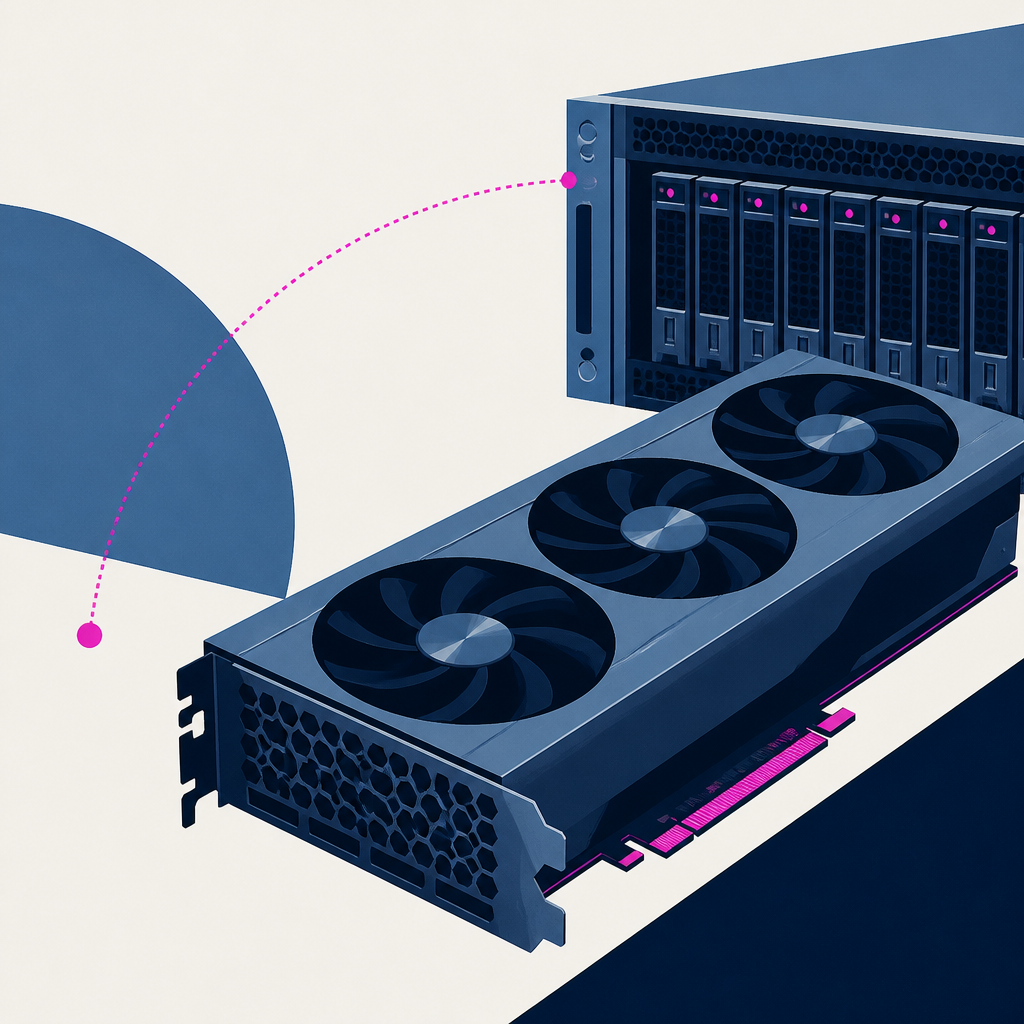
Stoa Markets launched as a marketplace for trading new and used GPUs and AI servers to standardize quotes between buyers, dealers, and lenders. Its first month generated more than $300M in requests for quotes (RFQs). The company aims to reduce friction in buying and selling while creating resale evidence from completed trades rather than relying on one-off appraisals.
J.B. Hunt’s CEO marked the company’s 65th anniversary by outlining how freight growth depends on reliable service, disciplined decisions, and practical technology that reduces friction in operations. The CEO cited that in its recently reported second quarter, revenue rose 19% and operating income rose 32% year over year. The company says it will keep scaling UP.Labs startup launches, with Overroute™ already released and more concepts expected, and broaden AI and automation across multiple steps of the freight lifecycle.
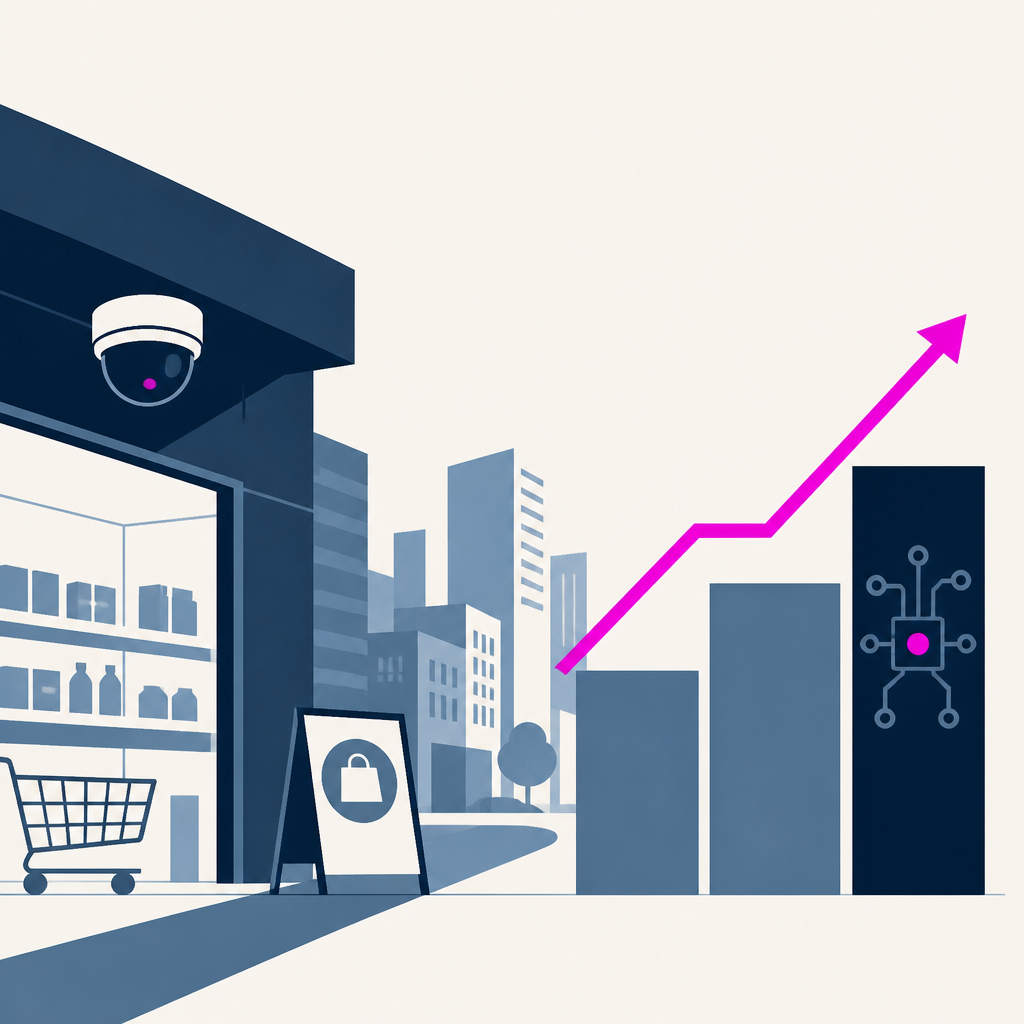
Edgify secured a $9 million Series A+ funding round to expand its retail-focused loss-prevention AI platform beyond grocery. The round brings Edgify’s total funding to $25 million. The company plans to accelerate platform rollout and expand it to manage the full lifecycle of AI models across physical retail sites.
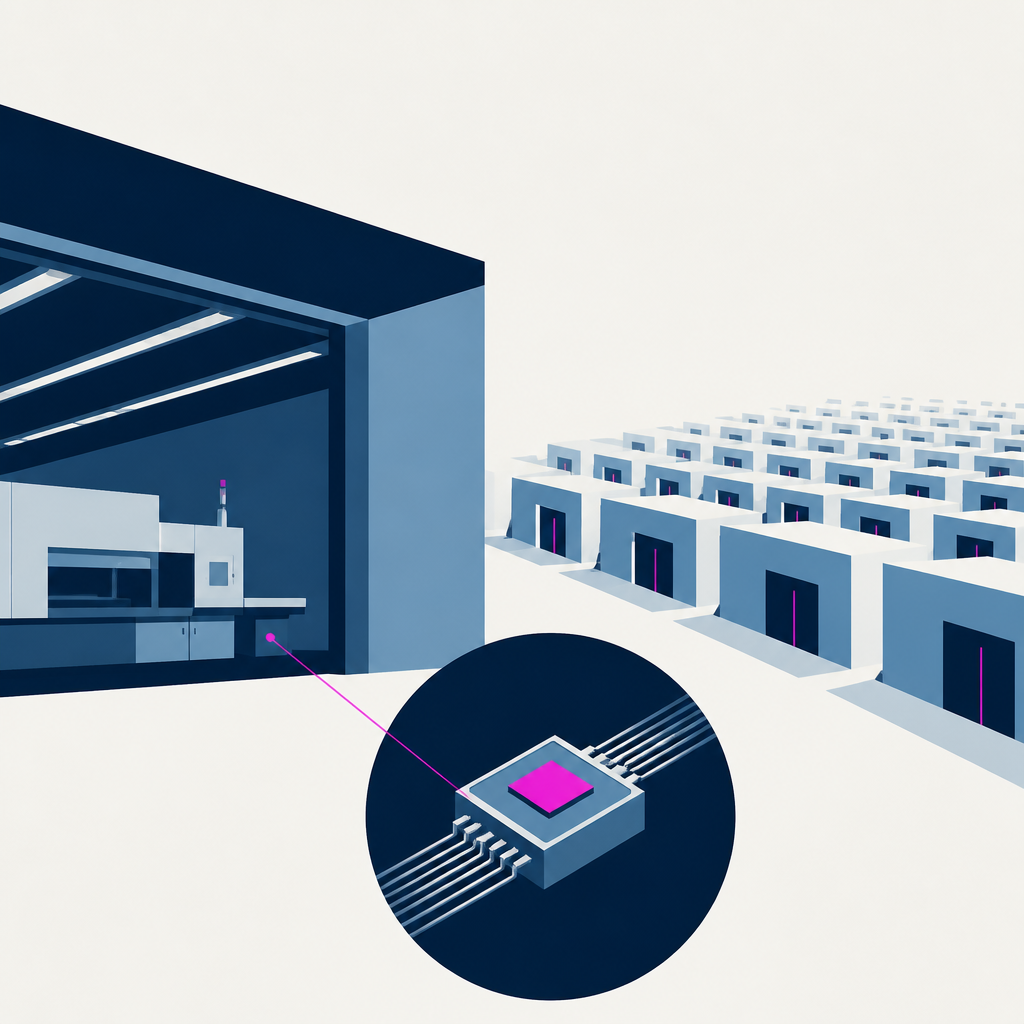
Isembard, a startup building small high-tech component factories, opened its first factory in January 2025 and is now pushing to scale rapidly after a Series A. The company raised a $50m Series A in March 2025 and aims to reach 25 factories by year-end. This will expand its network of company-owned and franchised production sites while expanding its AI software, MasonOS, to support faster order-to-manufacturing operations.
Echovane Inc. closed a $1 million pre-seed round to speed up development of its AI-native, end-to-end market research platform. The funding round totals $1,000,000, co-led by Titan Capital and Neon Fund, to build out its AI agent infrastructure. Echovane will expand multimodal capabilities and its global participant network so studies can be executed faster while preserving research quality.
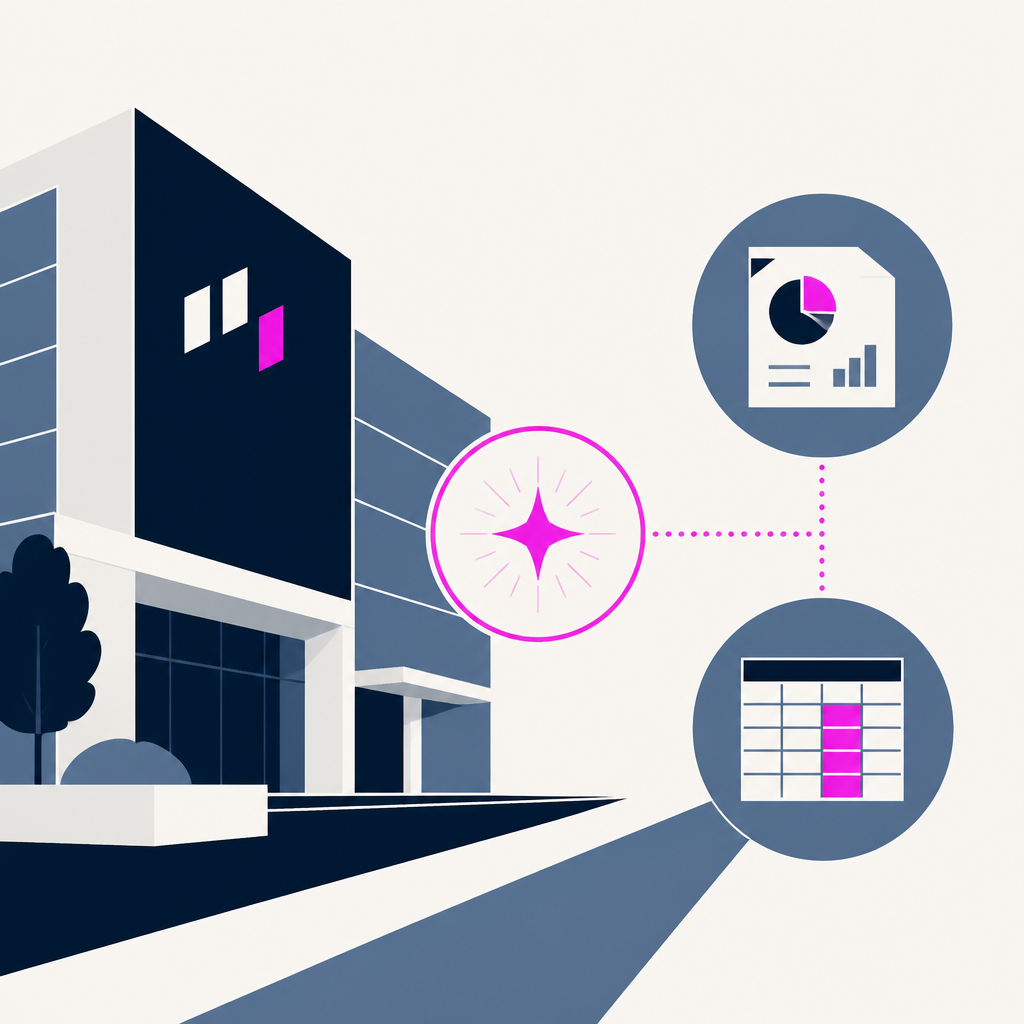
Model ML says it completed finance work using GPT-5.6 Sol to move from research and analysis into editable, traceable PowerPoint decks and Excel workbooks. The change centers on GPT-5.6 Sol. This shifts finance production to generating editable spreadsheets and presentations with traceability instead of manual transfer.
European stocks are extending a rally as the Stoxx Europe 600 posted a daily gain streak of its longest run since June, alongside improving earnings and risk appetite.
AI for science advances beyond protein-structure prediction as the article argues that AlphaFold-style systems rely on unusually rare, high-cost data resources. It cites the Protein Data Bank as roughly 170,000 protein structures assembled over 53 years and about $21 billion in experimental work. The focus shifts toward agentic AI, where AI systems use tools and reasoning to iteratively replicate research steps, improving reproducibility tracking and speeding up scientific testing.
Ford is rolling out an AI-powered assistant in its Ford and Lincoln mobile apps that answers questions about a connected vehicle. The assistant is linked to the customer’s vehicle so it can use live data such as fuel levels and tire pressure. It shifts customer support toward in-app chat and later a voice-powered assistant that can also suggest future service needs and capabilities.
Edgify raised $9 million from Rank Ventures and Mangrove Capital to link supermarket cameras, scales, and checkouts using on-site edge AI without new hardware or cloud uploads. The round takes its total funding to $25 million and builds a system that trains models locally across existing retail devices. The company says it will use the capital to expand its platform rollout and move beyond loss-prevention into quick-service restaurants, distribution centers, and apparel.
Brian Manning was appointed the new CEO of Paris-based startup Nabla, which makes AI-powered tools for healthcare providers. Nabla’s software is aimed at healthcare providers. Manning says he is not there to be acquired, indicating a continued push for independence.
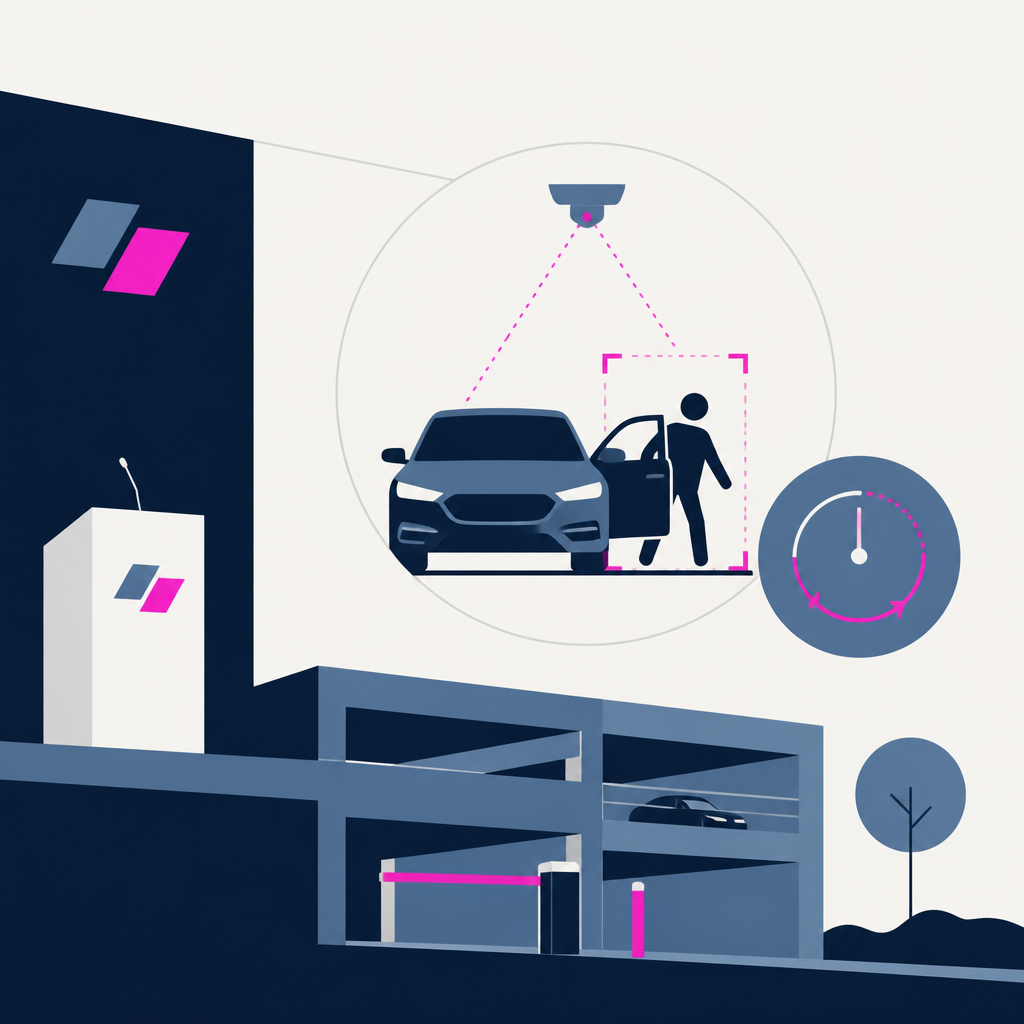
NEC is testing parking technology with UrbanChain that starts parking charges only after a driver pulls up and exits their car, using cameras and real-time video analysis. In September, the companies will test how many cameras are needed to make the approach feasible. If it works, car parks would stop charging based on entry and instead bill at exit, potentially enabling additional monitoring like exit counts and extended-occupant detection.
Virgin Atlantic is using ChatGPT Work to speed up research, product planning, and decision-making across the customer journey. The only concrete detail provided is that it is “accelerating” these efforts, with no date or measurable benchmark stated. This shifts internal work toward connecting customer-journey signals using ChatGPT Work as a tooling layer for planning and decisions.
Every AI story that matters,
in your inbox by 8am.
TLDRocket reads all relevant sources, removes duplicate coverage, and summarises the
day in two minutes. Follow companies and topics for alerts, or get the
briefing in Slack. Free, no spam, unsubscribe anytime.
Reading TLDRocket needs no cookies, and the readership counts we rely on come from
our own cookieless analytics. Google Analytics is the exception: it sets cookies and
reports to Google, so it stays switched off until you allow it. You can change your
mind any time from “Cookie settings” in the footer.
Strictly necessary
Session security and form protection (tldrocket-session,
XSRF-TOKEN, 2 hours). The site cannot work without them,
so they need no consent.
Always on
Google Analytics 4 (_ga,
_ga_<id>, up to 2 years). Measures which
stories and sections readers use. Google acts as a third-party processor and may
store the data outside the EU. No advertising, no profiling, no data sold.